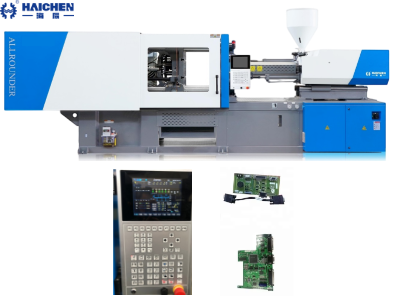
Selecting an injection molding machine for medical plastic products encompasses evaluation of machine performance and technical features, mold design, and cost-benefit analysis.
In addition, for a medical grade injection molding machine, clean room standards, accuracy, and material compatibility should be primary considerations. Preference is given to electric or dedicated hydraulic machines. Medical products have stringent regulatory requirements, so be sure medical certification and customization capability are verified. Compliance with this requirement is a minimum standard and additional evaluation is needed based on material sterilization requirements. Elements of an injection molding machine, e.g. clamping force, injection speed, and temperature control, have a profound effect on the quality of the final product and must be set to avoid. Defects in plastic parts like short shots, weld marks, and warping.
In the case of medical plastics, these requirements are even more critical. It is imperative to have a machine that enables the precision injection molding of components to bolster precision mechanical strength. In this case, the injection molding machine’s functionality should be aligned with the requirements set by the medical grade plastic and operation conditions, as the injection molding machine should work seamlessly in conjunction with medical grade plastics and the operational conditions.
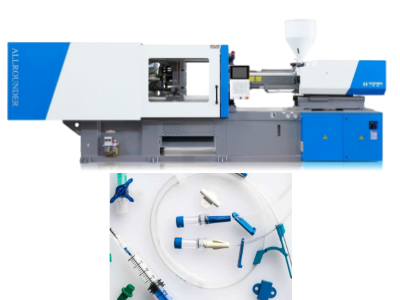
Equipment performance and technical features
Medical plastic products usually require high precision, quality and consistency, so the performance of the injection molding machine is crucial. For example, the spindle power of the injection molding machine must be strong enough to ensure stable and efficient operation, especially when dealing with large molds or high-pressure plastic molding needs.
High Plasticizing Efficiency and Cleanliness
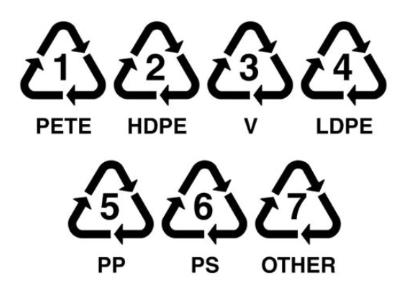
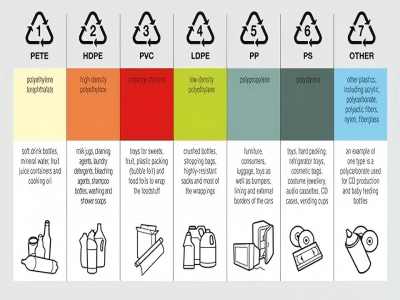
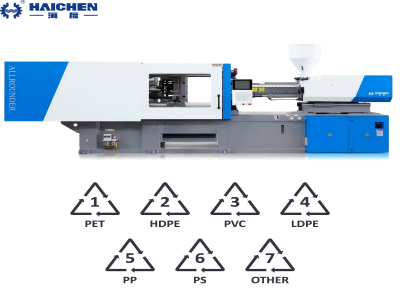
Medical-grade plastics (such as PP and PS) require a high-plasticizing mixing screw, which increases plasticizing efficiency by over 20% compared to conventional screws, shortening molding cycles and improving product quality.
Tie-bar-free technology prevents tie-bar lubricant from contaminating the product, reduces mechanical friction energy consumption, and improves cleanliness.
Injection Precision and Speed
Injection speeds of 120–150 mm/s are required to meet the requirements of complex medical products (such as thin-walled, deep-cavity parts), reduce internal stress and deformation, and improve concentricity.
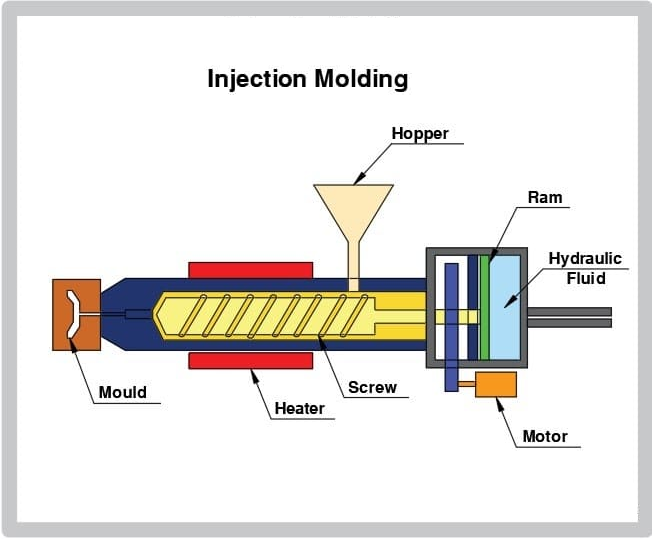
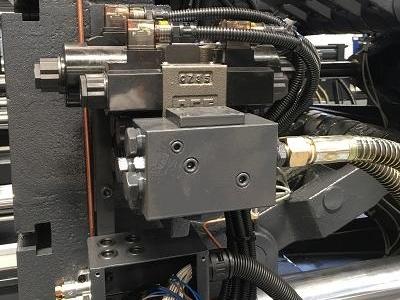
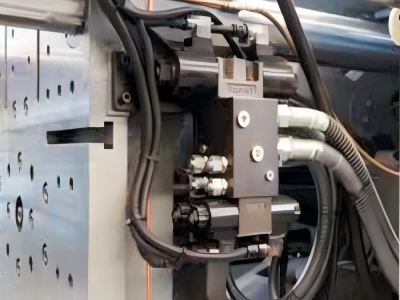
The double-cylinder injection system ensures stable and reliable injection, and coupled with PID temperature control, enables precise pressure and speed regulation to ensure molding quality.
Clamping System and Efficiency
Optimized connecting rod structures (such as the five-point multi-elbow type) improve clamping speed and stability, shortening drying cycles by over 15%.
The electric injection molding machine‘s intelligent clamping force management system automatically optimizes clamping parameters, providing easy maintenance and high precision.
Energy-saving and low-pollution design
The servo energy-saving system uses 40% less energy than variable displacement pumps and 70% less energy than fixed displacement pumps. It also provides stable oil temperature control, reducing cooling requirements.
The centralized lubrication system reduces lubricant usage, and graphite bushings reduce wear and improve the cleanliness of injection molding components.
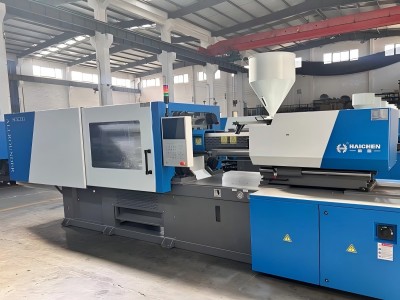
Cost-benefit analysis
The selection of injection molding machines should not only consider the initial purchase cost, but also evaluate the operating costs in the long term. For example, the energy consumption, maintenance costs and production efficiency of the equipment will affect the overall economic benefits.
Equipment Type and Initial Investment
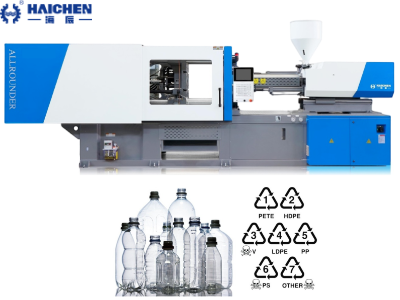
Fully electric injection molding machines (such as the Arburg Allrounder) have higher initial costs (due to their electric drive and enclosed design), but offer greater long-term economic benefits
- Energy consumption is reduced by 30–50% (servo motors can recycle renewable energy)
- Material waste is minimal (gates <1g), saving €2,000–€5,000 per kilogram of resin
- Automation reduces manual inspection and maintenance costs.
Energy consumption
All-electric motors offer significant energy savings, with long-term electricity cost savings offsetting the initial price premium.
Space efficiency
High-density production cells (such as Arburg) reduce space requirements and lower CapEx.
Waste rate
Micro-injection molding technology reduces waste to less than 1g through precise metering and automation, significantly reducing material costs.
Quality and Compliance Costs
Medical parts require millimeter-level precision, and equipment stability (repeatability and control systems) directly impacts yield.
Specialized medical models avoid lubricant contamination, meet cleanliness standards, and reduce compliance risks.

Mold design and manufacturing requirements
The mold design and manufacturing quality of medical plastic products directly affect the performance of the final product. The mold needs to meet the requirements of high precision, durability and easy maintenance.
When selecting an injection molding machine, you should consider whether it can cooperate with efficient mold design and manufacturing processes. For example, using CAE software for simulation analysis and optimization design can significantly improve the accuracy of mold design and production efficiency.
Material Selection and Biocompatibility
- Medical-grade materials, such as polypropylene (PP), polycarbonate (PC), polyethylene (PE), and thermoplastic elastomer (TPE), must be selected. They must be biocompatible, chemically resistant, and resistant to sterilization (e.g., autoclave and ethylene oxide).
- Materials must be FDA-certified to ensure that the production process and final product meet cleanliness and sterility standards.
Structural Design and Functional Optimization
- Cooling System: Optimize cooling channel layout through mold flow analysis (e.g., Moldflow) to ensure rapid and uniform heat dissipation and minimize deformation and defects.
- Venting and Gate Design: Optimize venting slots to prevent air pockets and optimize gate location to minimize weld lines and stress concentrations.
- Mold Lifespan: Made of steel or aluminum alloy, molds must withstand high-pressure injection molding and repeated sterilization (e.g., >100,000 cycles).
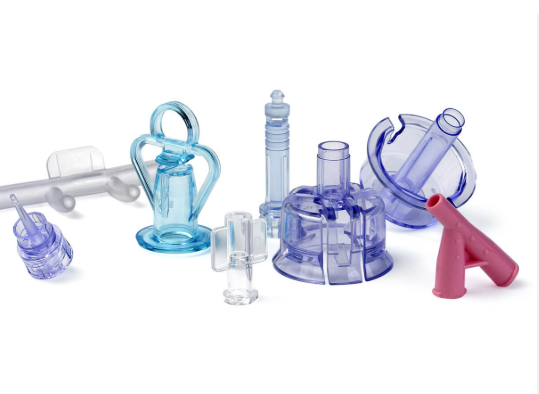
Injection molding process parameter optimization
To optimize the injection molding process parameters (such as injection pressure, holding time, cooling time, etc.) have a direct impact on product quality. By optimizing these parameters, defects can be reduced and the yield rate can be improved.
For example, studies have shown that by adjusting the injection speed and temperature distribution, the molding quality of medical plastic products can be effectively improved.
Melt temperature (barrel temperature)
Affects material flowability, viscosity, and degradation risk. Excessively high temperatures can lead to thermal degradation (especially for medical-grade materials), while excessively low temperatures can result in underfilling. The material supplier’s recommended range must be strictly adhered to.
Mold temperature
Determines the cooling rate and product crystallinity. Uneven temperatures can lead to warpage or residual stress.
It is important to match mold temperature to the material. For example, highly crystalline materials (such as PP) require higher mold temperatures to ensure dimensional stability.
Injection Speed
High injection speeds can reduce weld lines but can easily cause flash; low speeds can result in short shots. Thin-walled medical parts (such as syringes) require high-speed filling.
Injection Pressure and Holding Pressure
Holding pressure significantly affects shrinkage. Insufficient holding pressure can cause sink marks, while excessive holding pressure increases internal stress.
Cooling Time
Insufficient cooling can cause deformation, while excessive cooling can reduce efficiency. A balance must be struck between product thickness and heat transfer efficiency.
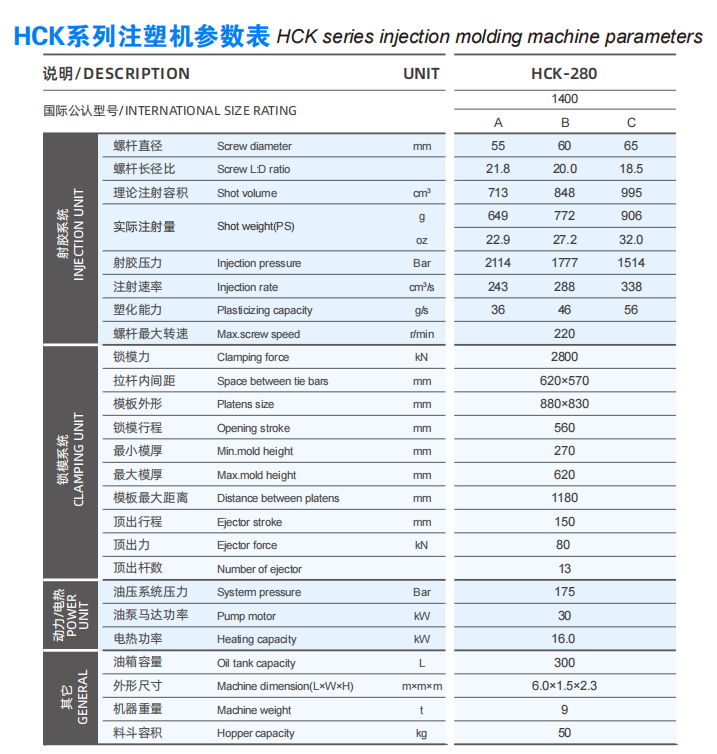
Choosing an injection molding machine suitable for medical plastic products requires comprehensive consideration of equipment performance, cost-effectiveness, technical characteristics, and product quality requirements.