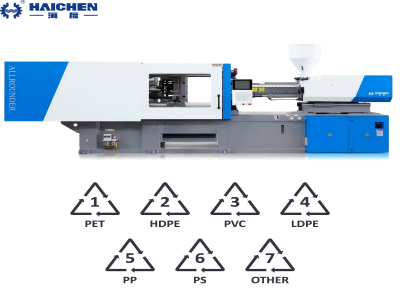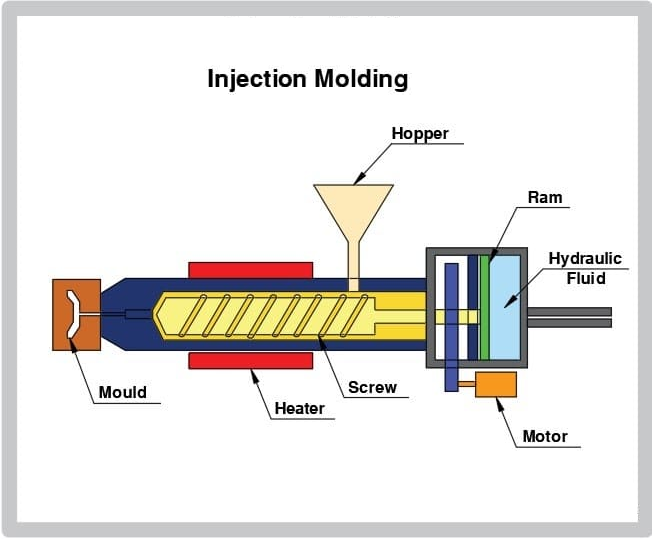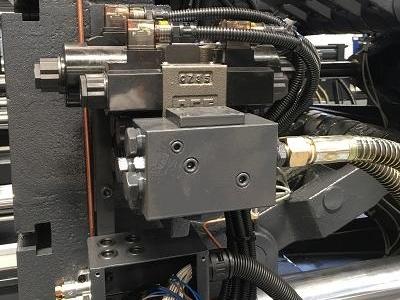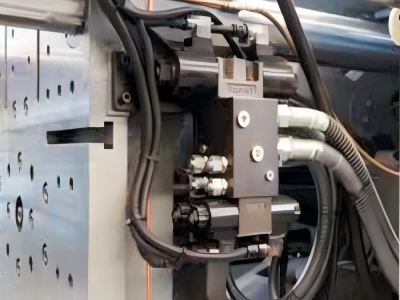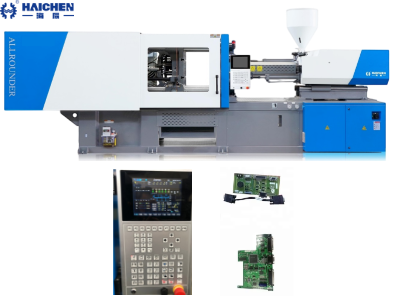
Horizontal and vertical injection molding machines differ primarily in their orientation, design, and application suitability. Here’s a detailed comparison:
Horizontal Injection Molding Machine vs Vertical Injection Molding Machine
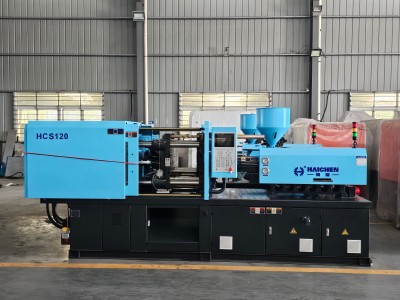
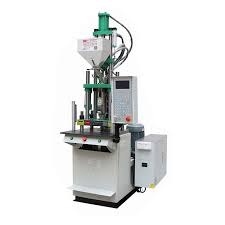
Horizontal Injection Molding Machines and Vertical Injection Molding Machines are the two main types of equipment used in the plastics molding industry, and each has its own advantages and disadvantages in terms of design, functionality, and application scenarios.
Orientation & Space Requirements
Horizontal:
The clamping and injection units are aligned horizontally.
Requires more floor space but less overhead clearance.
Better suited for automated production with robots.
Vertical:
The clamping and injection units are aligned vertically.
Takes up less floor space but needs more vertical clearance.
Ideal for insert molding (easier manual loading of inserts).
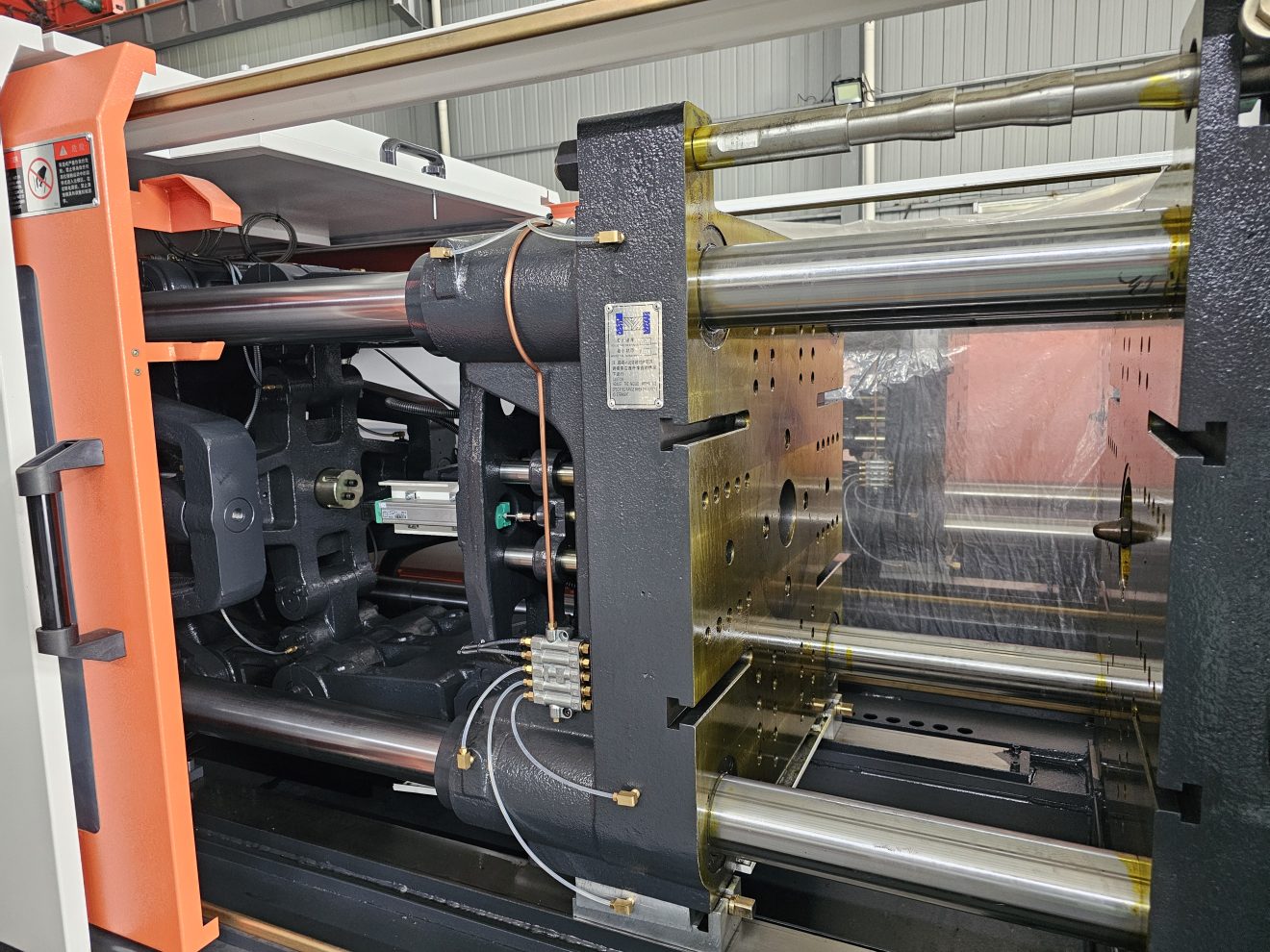
Mold Accessibility & Insert Molding
Horizontal:
- Less convenient for manual insert loading (side access).
- Better for high-volume production with automation.
Vertical:
Easier access to molds from above, making it preferable for insert molding (e.g., electrical components, metal parts).
Often used for low-to-medium production runs requiring manual intervention.
Part Ejection & Gravity Effects
Horizontal:
- Parts eject horizontally, which may require conveyors or robots.
- Less affected by gravity in mold filling.
Vertical:
- Parts may fall out naturally due to gravity, simplifying ejection.
- Gravity can affect material flow, requiring careful mold design.
Automation & Production Efficiency
Horizontal:
- More compatible with robotic automation (e.g., part removal, sprue handling).
- Higher production speeds for large-scale manufacturing.
Vertical:
- Often used for smaller, intricate parts or low-volume runs.
- Less automation-friendly but better for precision insert molding.
Applications
Horizontal Machines:
- Automotive parts, consumer goods, medical devices (high-volume).
- Best for standard injection molding without inserts.
Vertical Machines:
- Overmolding, encapsulation (e.g., electrical connectors, sensors).
- Preferred wheninserts (metal, ceramics, etc.)must be placed manually.
Cost & Maintenance
Horizontal:
- Higher initial cost but better for mass production.
- Easier maintenance due to accessibility.
Vertical:
- Lower cost for smaller machines.
- May require more frequent mold adjustments due to gravity effects.
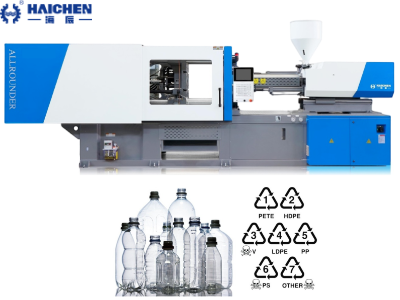
Injection molding machine supplier: Haichen Machinery
Haichen Machinery is a well-known manufacturer of injection molding machines, primarily based in China. The company is recognized for producing a wide range of plastic injection molding machines, catering to industries such as automotive, packaging, electronics, and consumer goods.
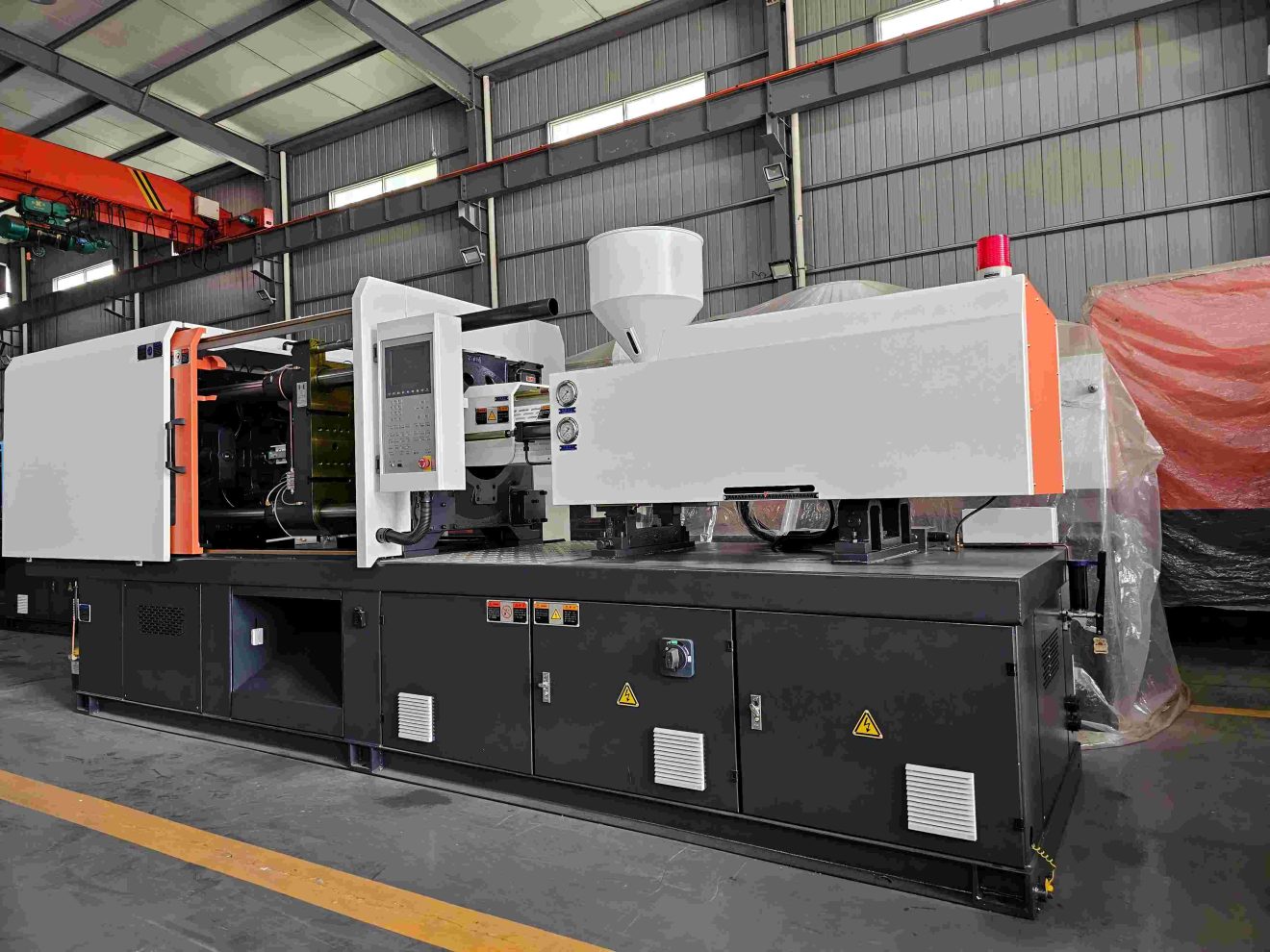
Key Features of Haichen Machinery Injection Molding Machines:
High Precision & Energy Efficiency – Many models feature servo-driven systems for reduced power consumption.
Wide Clamping Force Range – Machines are available from small (e.g., 50 tons small machines) to large (over 1000 tons).
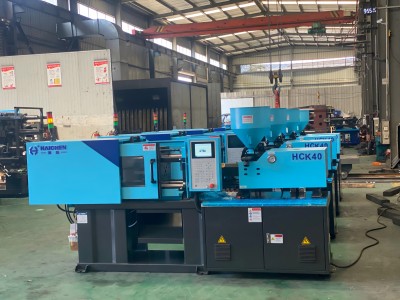
Smart Control Systems – Advanced PLC and touch-screen interfaces for better process control.
Global Presence – Haichen supplies machines to international markets, including Asia, Europe.