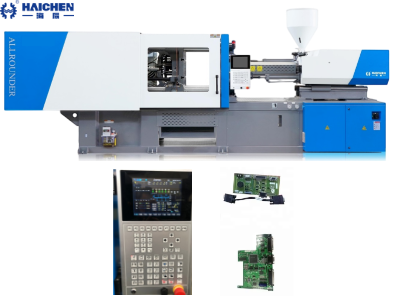
Solve mold open needs check the mechanical part of the mold, adjust the Control System Parameters, and Check the hydraulic system.
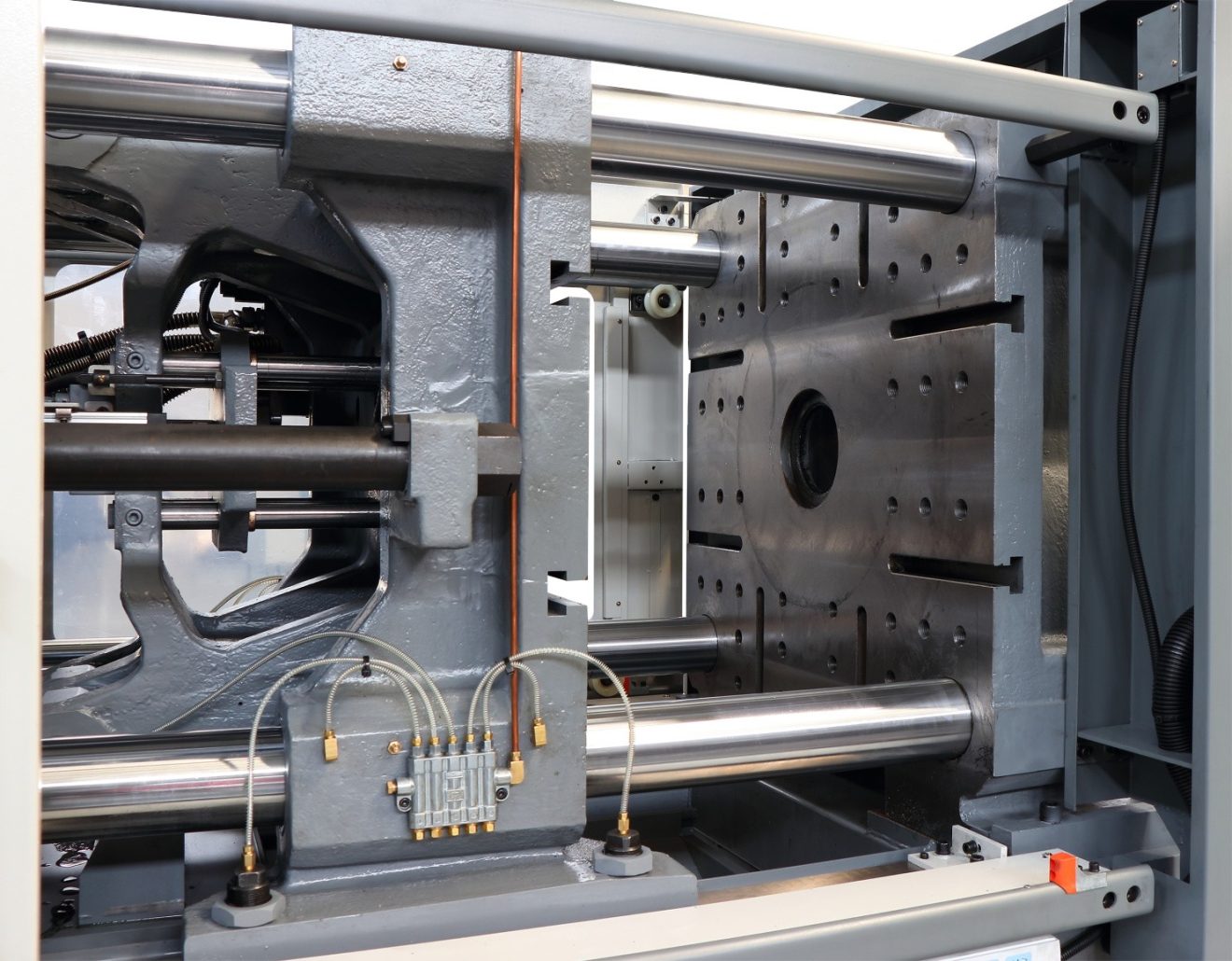
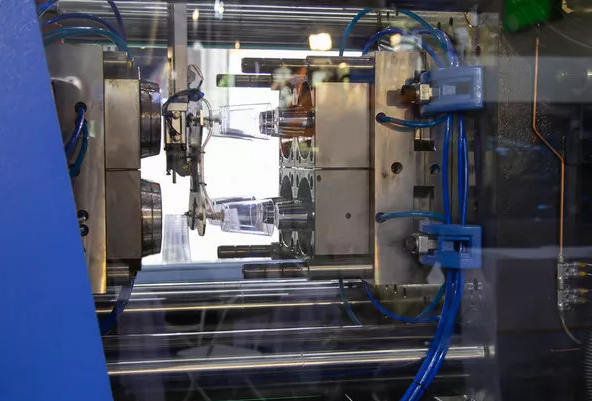
“Mold opening” is an important step in the injection molding process, referring to the separation of the two halves of the mold after the plastic product has cooled and solidified so that the molded product can be removed.
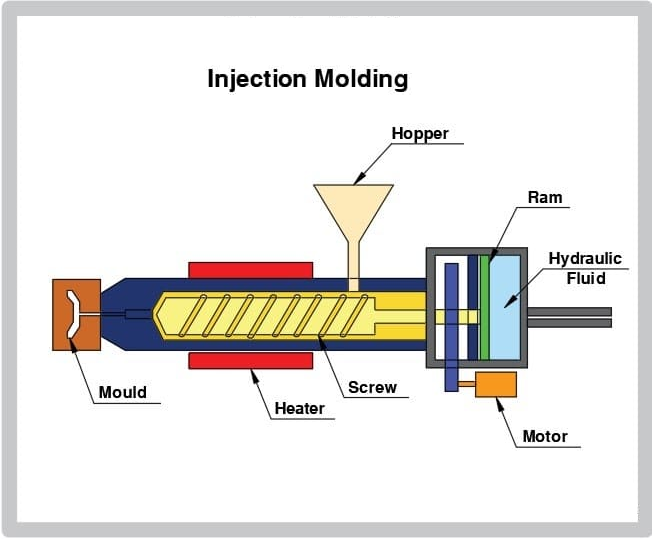
Before opening the mold, it is necessary to ensure that the plastic injected into the mold cavity has fully cured. This usually takes into account factors such as the type of plastic used, the wall thickness of the product and the cooling time. Once the plastic is cured, the power system of the injection molding machine begins to open the mold, separating the two halves of the mold. This process is usually controlled by the hydraulic or mechanical system of the injection molding machine.
To solve mold open for an incomplete injection molding machine, you can refer to the following methods:
Checking the mechanical part of the mold:
First, you need to check the mold for any physical obstructions or jamming. If present, these obstructions should be removed.
In addition, hydraulic cylinders and mechanical parts need to be inspected for wear or damage and repaired or replaced as needed.
Adjusting Control System Parameters:
If the mold fails to open completely within the time set in the control system, it may be necessary to adjust the timing parameters for mold opening to ensure that the mold can be opened in a timely manner.
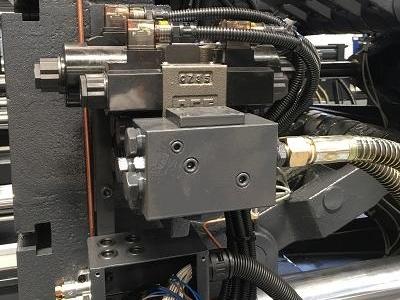
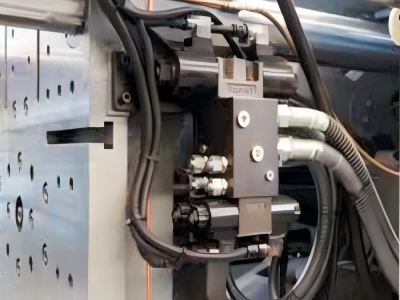
Check the hydraulic system:
Leakage in the hydraulic system may lead to insufficient pressure, thus affecting the normal opening and closing of the mold.
Therefore, hydraulic lines and seals should be checked for leaks and repaired promptly.
The reasons cause mold open
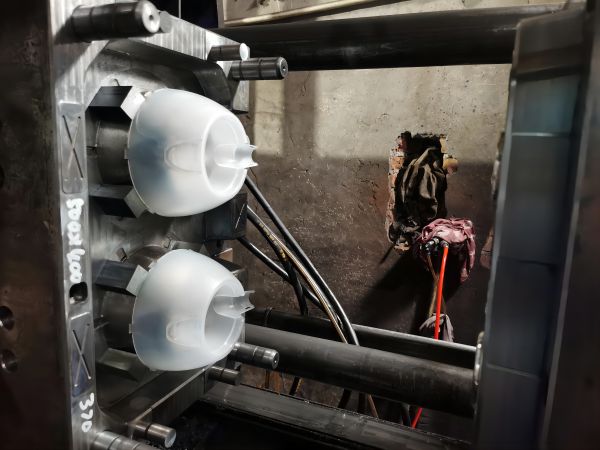
Unreasonable mold design
Unreasonable mold design may result in the molten plastic not being able to be fully injected into the mold during the injection process, resulting in incomplete filling of the product or the creation of voids.
Improperly set injection parameters
Improperly set parameters such as injection pressure, holding pressure, and flow rate can result in material not fully penetrating the mold.
For example, high melt viscosities require higher injection temperatures and pressures, but too high injection pressures can lead to problems such as flashing.
Low mold temperatures
Low mold temperatures can cause the material to freeze in narrow passages, affecting the flow and filling of the material.
Insufficient vacuum in the mold chamber
There is not enough vacuum in the mold chamber and air is trapped in the mold insert. It results in incomplete filling of the material.
Inappropriate injection speed and time settings
Too fast or too short an injection time can result in the material not filling the mold cavity.
Preventive Maintenance Strategy
Daily Maintenance
- Clean the guide pins and apply high-temperature grease;
- Check the hydraulic oil level and contamination level.
Monthly Maintenance
- Calibrate the mold opening and closing position sensors;
- Replace the filter element and seals.
Annual Overhaul
- Test mold rigidity;
- Upgrade the HAICHEN four-row, five-column double toggle mechanism to improve deformation resistance by 30%.
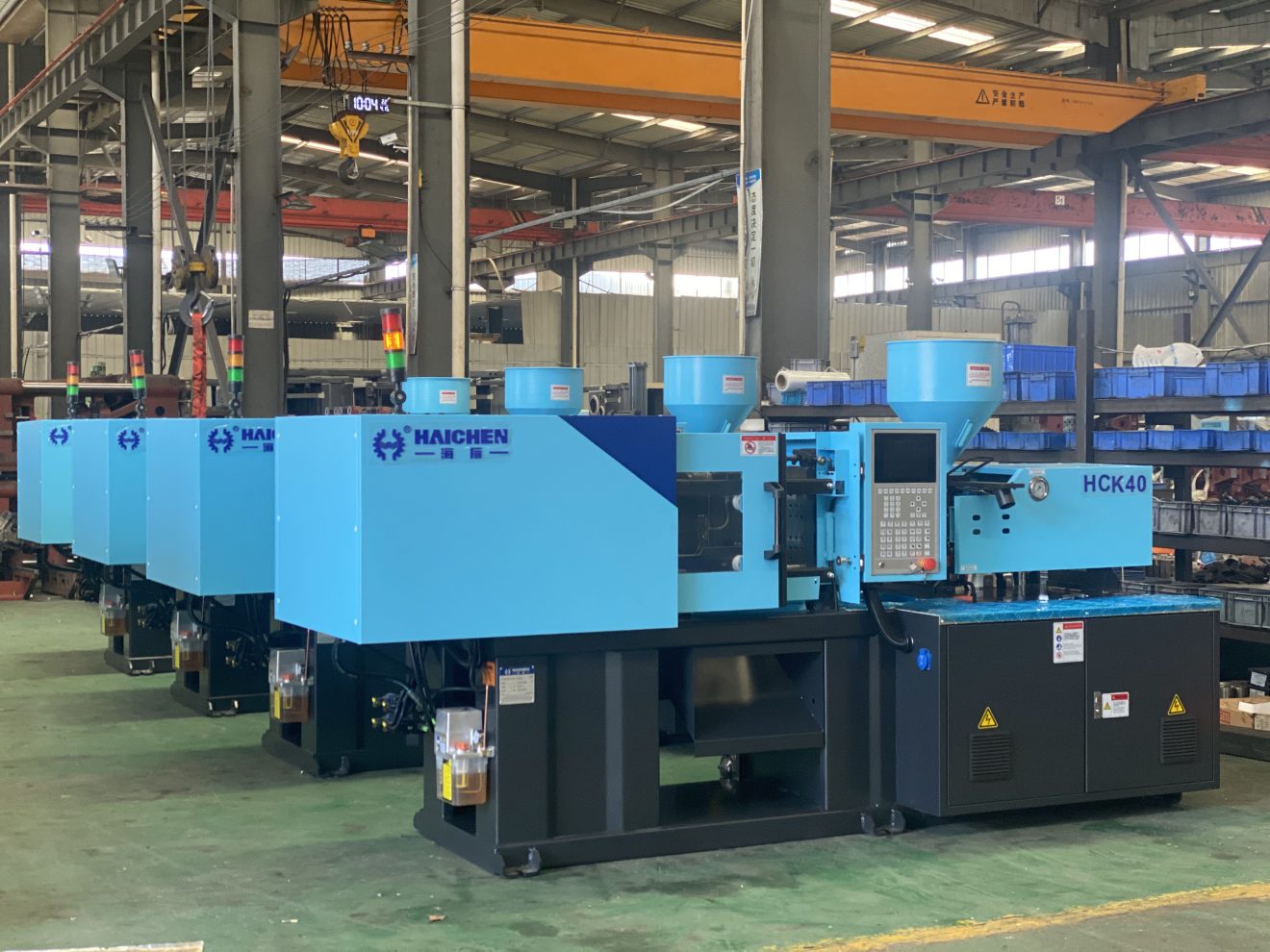
Haichen injection molding machine mold supplier
The advantages of the Haichen injection molding machine’s mold opening are mainly reflected in the design of its mold closing device.
And then the mold closing device is operated by opening and closing the mold directly using a hydraulic cylinder.
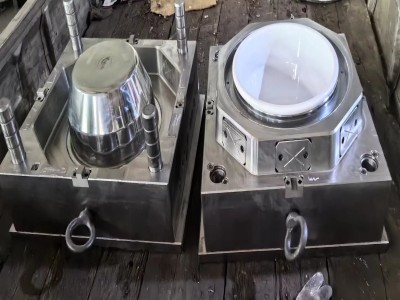
This direct pressure method can control the opening and closing of the mold more accurately. Thus improving the stability of the injection process and the quality of the product. In addition, the use of hydraulic cylinders provides greater force to ensure that the molds can be opened quickly and efficiently, thus speeding up production and reducing downtime.
Through the above steps, you can effectively solve mold open. When dealing with an incomplete injection molding machine that fails to fully open the mold. It’s essential to approach the issue systematically to identify and address the root cause.