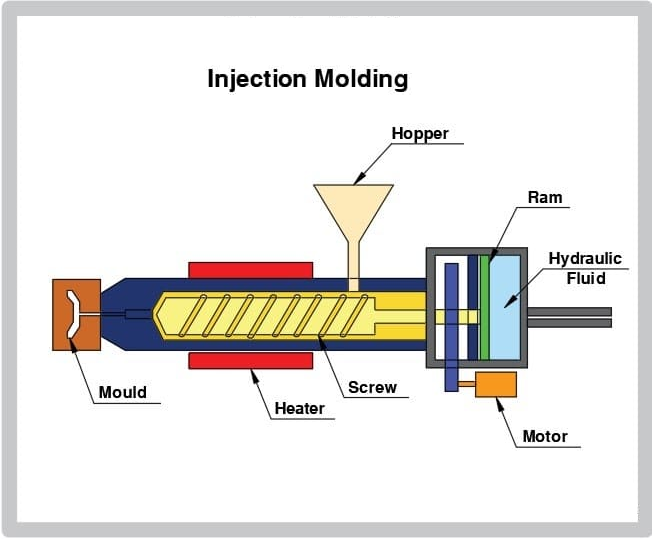
Common injection molding defects include short shots, flash, warping, sink marks, and voids, which can be caused by improper mold design, material issues, or incorrect processing parameters.
Injection molding is an effective and swift form of manufacturing, though it has its difficulties like common defects that can arise during production, impacting the quality and consistency of the parts produced.
Taking the time to explore and figure out the issues causing defects and resolving them after understanding the problem can greatly help reduce production waste while maintaining quality standards.
The goal of this article is to describe the common defects that occur during the injection molding processes, the diverse reasons responsible for them, and how to address said issues to maintain consistency during parts production and streamline the manufacturing processes.
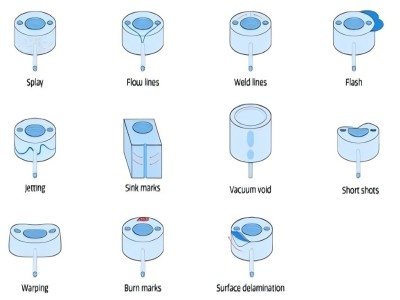
The common injection molding defects
- Short Shots
- Warping
- Sink Marks
- Flash
- Weld Lines
- Voids
- Burn Marks
- Flow Marks
- Jetting
- Delamination
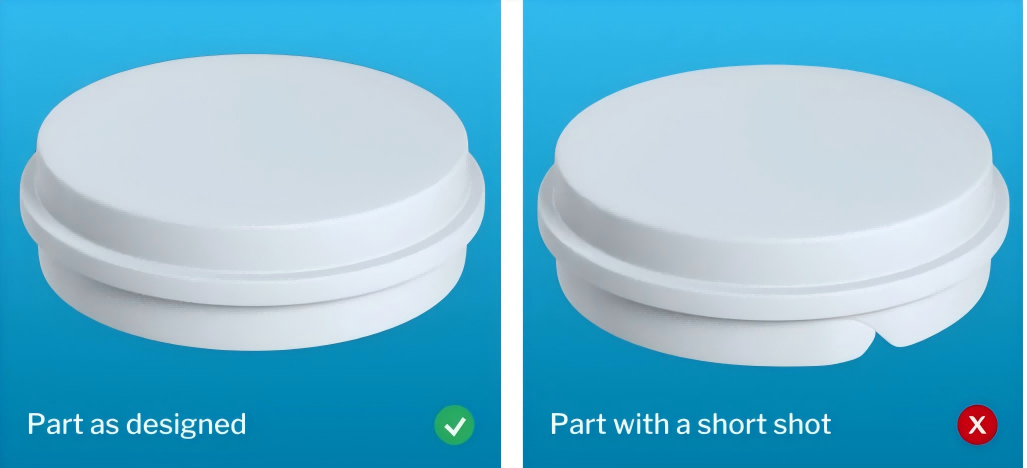
Short Shots
- Description: Failure to fill mold cavity completely.
- Causes:
- Inadequate filling material and low injection pressure.
- Poor material flow and clogged gates.
- Solutions:
- Increase injection pressure and material flow.
- Ensure appropriate runner and gate design.
Warping
- Description: Change in shape of the part.
- Causes:
- Non uniform distribution of cooling.
- Non uniform wall thickness.
- Consistent material shrinkage during cooling.
- Solutions: Design wall thickness and cooling systems that are uniform.
Sink Marks
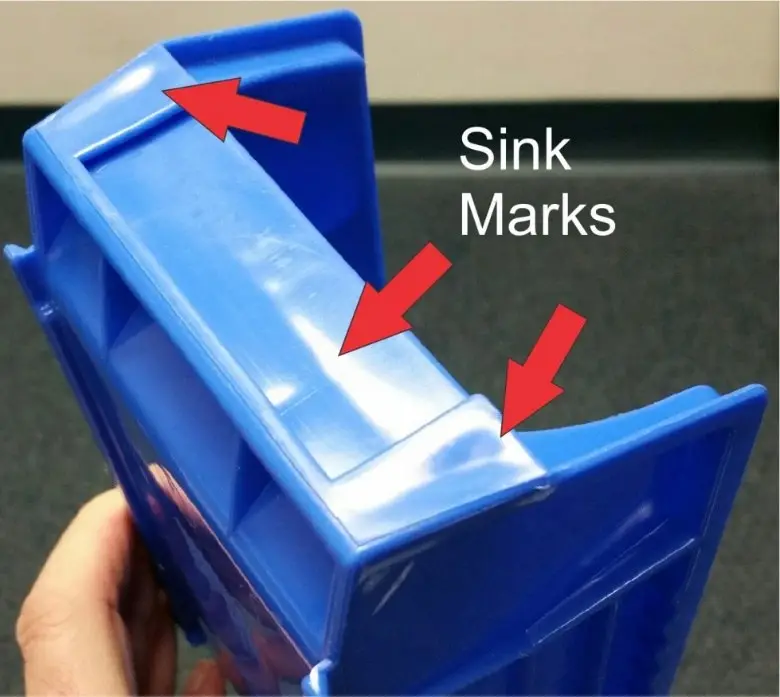
- Description: Surface depressions on parts.
- Causes:
- Non uniform material cooling of external and internal surfaces.
- Low covering pressure.
- Design thick sections.
- Solutions: Balance flow of cooling and pressure with optimization. Balance with thick sections.
Flash
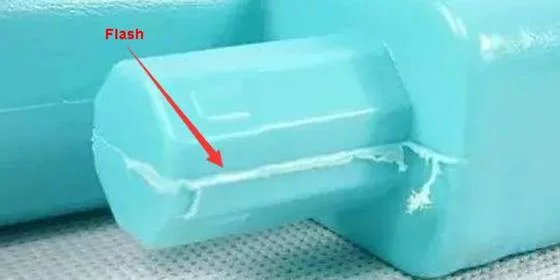
- Description: Extra bits of material found along the seam of the mold.
- Causes:
- Excess mold injection pressure.
- Poorly aligned molds or worn mold surfaces.
- Solutions: Reduce injection pressure. Examine and fix the mold surfaces.
Weld Lines
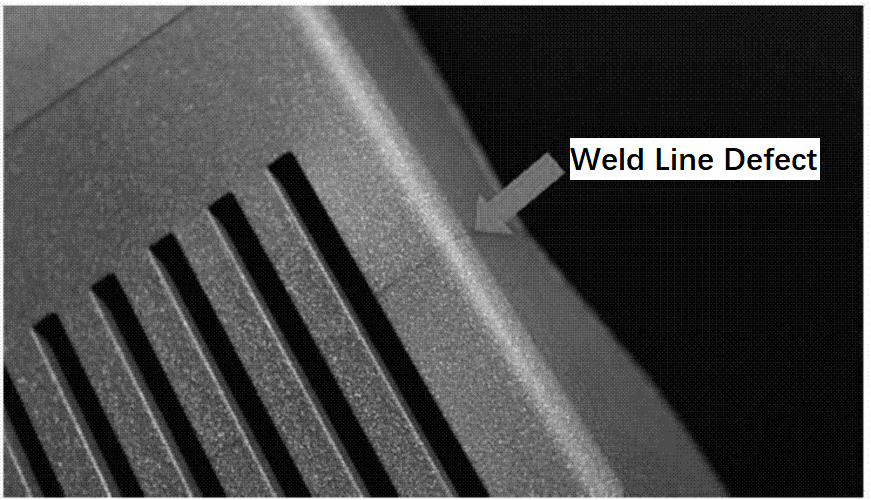
- Description: Lines formed as a result of two or more material flows merging.
- Causes:
- Low material or mold temperature.
- Poorly fused material at the junction.
- Solutions:
- Raise the material and mold temperature.
- Change the gate position to improve material flow.
Voids
- Description: Pockets of air or bubbles trapped in the part.
- Causes:
- Air escape pathways, insufficient packing pressure, or insufficient mold vacuum.
- Excess material shrinkage or high moisture levels.
- Solutions:
- Improve the drying process for the material.
- Adjust packing pressure and time.
Burn Marks
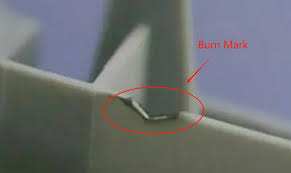
- Description: Brown spots or part surface discoloration.
- Causes:
- Air entrapment overheating in the mold.
- Excess injection speed and temperature.
- Solutions:
- Improve air venting.
- Lower injection speed and temperature.
Flow Marks
- Description: Lines and patterns which are wavy appearing on the surface.
- Causes:
- Temperature and material flow issues.
- Low injection speed.
- Solutions:
- Improve and raise temperature for injection and material.
- Improve gate and runner design.
Jetting
- Description:Type of surface defects includes wavy or rough lines produced by material flow accelerating through the mold.
- Causes:
- Material at low temperature.
- Excess speed of injection.
- Solutions:
- Lower injection speed.
- Raise the temperature of material
Delamination
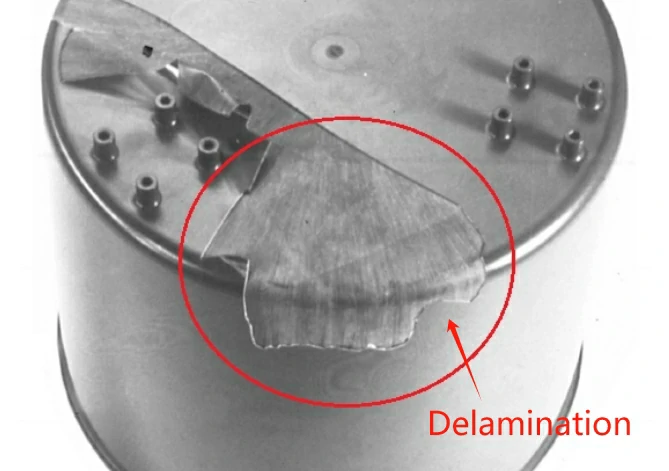
- Description: Flaking or peeling layers on the surface.
- Causes:
- Contaminated material.
- Weak bonding due to low mold temperature.
- Solutions:
- Use clean material.
- Increase mold temperature.
Industry-leading Prevention and Solutions
Process Optimization
- Fine Parameter Control:
- Stepped Injection: High speed fills the main cavity, low speed fills the end to prevent burning.
- Putting Pressure to Compensate for Shrinkage: Holding pressure is 80% of the injection pressure.
- Material Pretreatment:
- Raw Material Drying: Dry at 80°C for 4 hours, moisture content ≤ 0.02%.
Mold Design Improvement
- Venting System: 0.02-0.04mm venting grooves are provided.
- Gating Optimization: Fan-shaped gates are used to improve melt flow.
- Cooling Uniformity: Conformal cooling channel design is used.
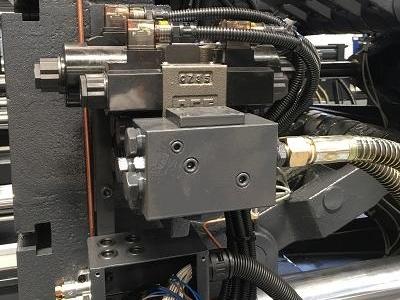
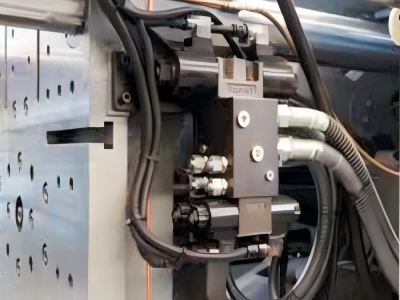
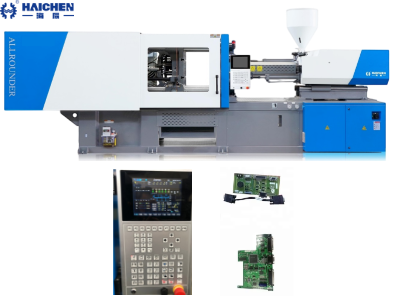
Injection Molding Machine Technology Upgrade (HAICHEN’s Core Strength)
- Precise Temperature Control System: ±1°C temperature control accuracy prevents material degradation.
- Real-time Monitoring Module: Pressure sensors monitor cavity pressure fluctuations and automatically adjust parameters.
- Adaptive Clamping Force: Dynamically adjusts clamping force to prevent flash.
Full-Process Quality Control
- CAE Simulation Analysis: Predict weld lines and bubble locations in advance.
- Automated inspection: Machine vision identifies surface defects.
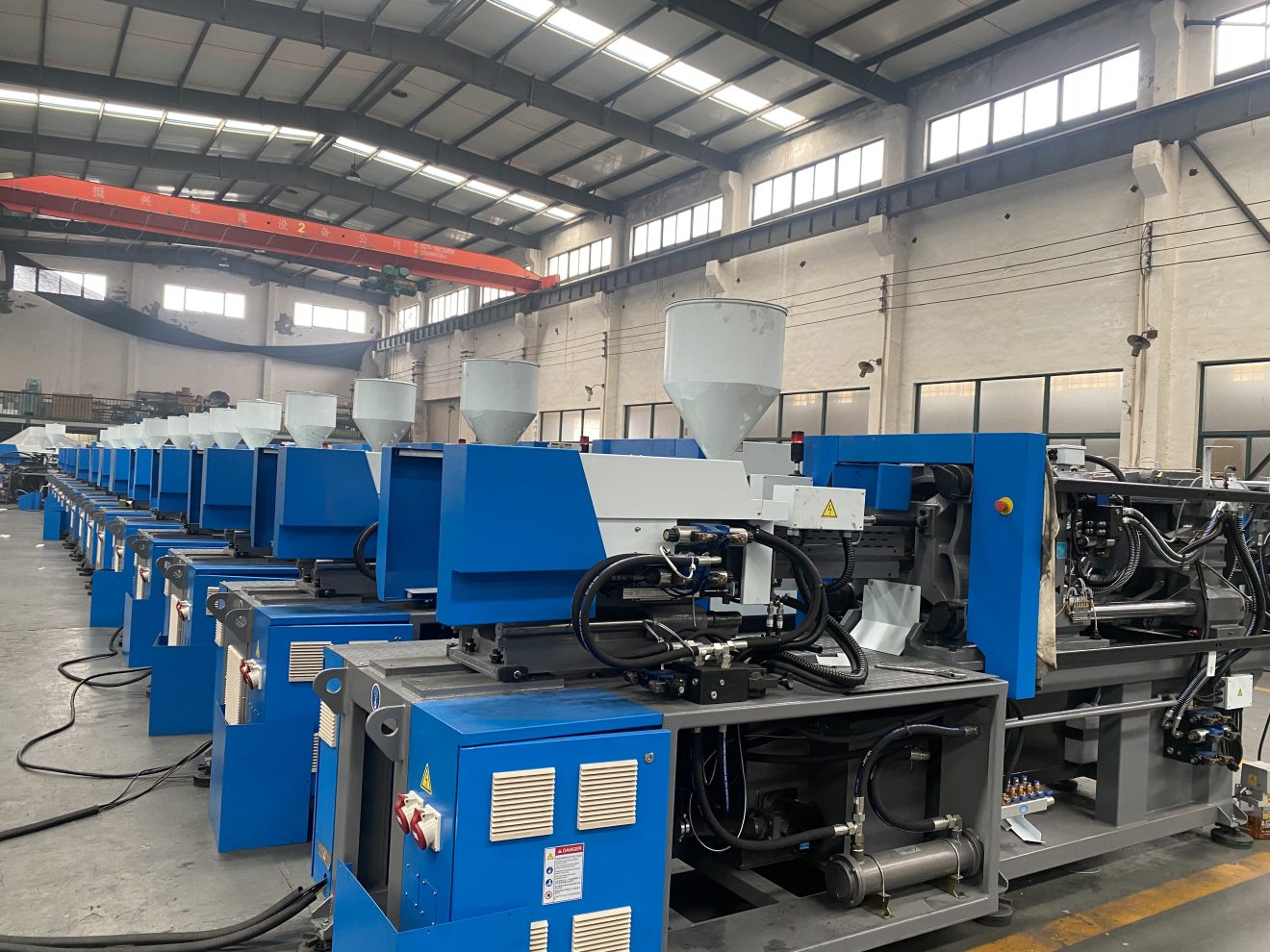
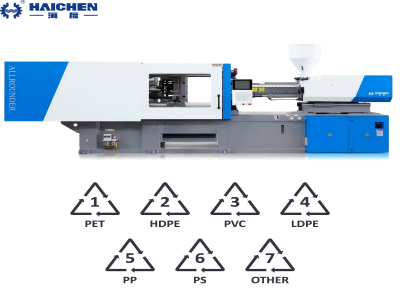
Haichen injection molding machine
Haichen is a globally recognized company in the field of injection molding machines, focusing on different machinery designed for diverse sectors. Our machines serve the plastic injection molding industry and are used in the automotive, packaging, electronics industries, and others.
For inquiries about a specific Haichen machine, its parameters, or for recommendations on the most suitable model in relation to your requirements, feel free to reach out to us.
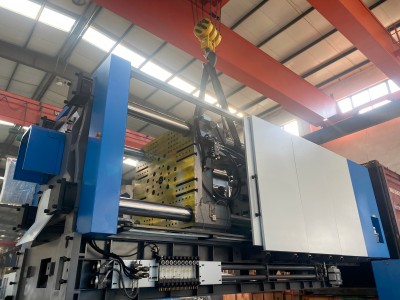
Problems in injection molding include most commonly the wrong choice of material, mold design faults, wrong parameters of injection, and many others. These common injection molding problems are the result of numerous different issues. Therefore, in manufacturing, all these issues have to be addressed. This can be achieved by optimizing the design of the mold, changing the injection parameters, and better controlling the material flow to mitigate or eliminate the most common defects in injection molding.