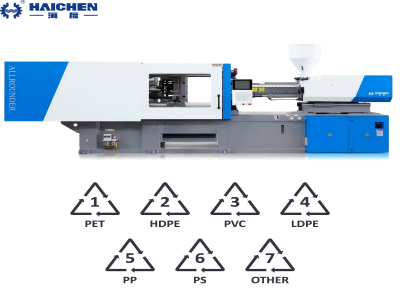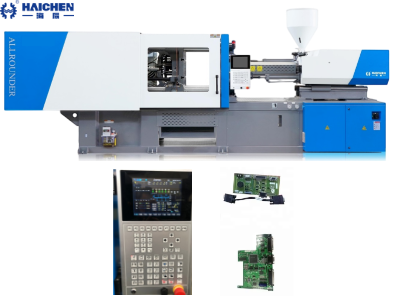
System pressure of the injection molding machine is usually between 7 and 21 MPa, of which 14 MPa and 160 Bar are common standard values.
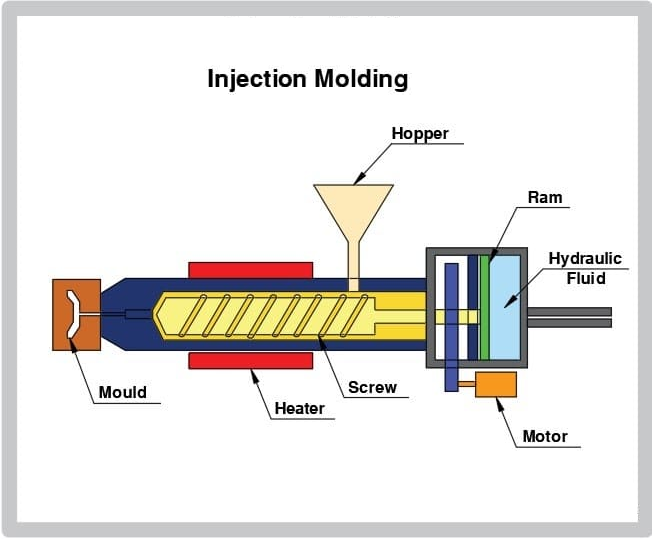
During the working process of the injection molding machine, the hydraulic system converts the mechanical energy of the motor into the pressure energy of the liquid. It converts the pressure energy into mechanical energy through the actuator (such as the oil cylinder or oil motor), driving the load to achieve linear or rotary motion. Modern injection molding machines use a multi-level pressure and flow control system to ensure that the injection molding machine works accurately and effectively according to the process requirements (certain pressure, speed, time, temperature) and the action sequence.
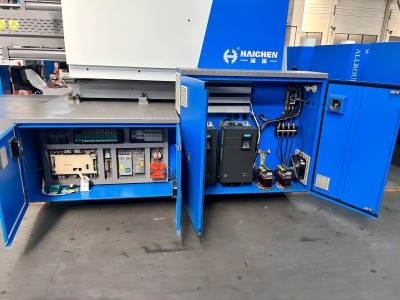
Principle of pressure regulation of oil pressure system of injection molding machine
Hydraulic pump drive:
The core of the hydraulic system is the hydraulic pump, which converts the mechanical energy of the motor into the pressure energy of the liquid. The hydraulic pump sucks in hydraulic oil and pressurizes it before outputting it to the hydraulic system.
Injection molding pump control
Injection molding mpump control usually involves hydraulic systems and servo systems. The injection molding hydraulic system achieves pressure and flow regulation through components. Such as pumps, valves, and hydraulic cylinders, while the servo system achieves more precise control through components such as motors and encoders.
Pressure control valve:
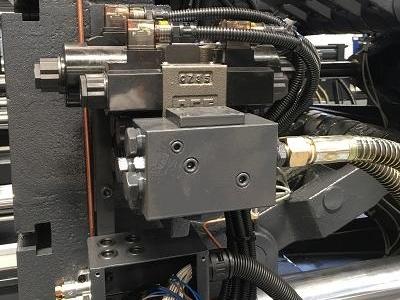
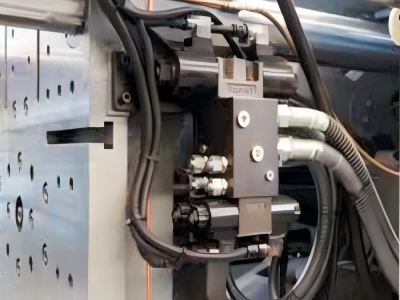
In the hydraulic system, pressure control is mainly achieved by various pressure control valves. These valves include overflow valves, proportional pressure valves, etc., which can manually or electrically adjust the maximum pressure value of the system.
Feedback monitoring:
To ensure the system’s stable operation, a pressure transmitter is usually used to monitor the pressure value in the system in real-time and provide a closed-loop control feedback signal.
Multi-level pressure control:
The hydraulic system of the injection molding machine usually adopts a multi-level pressure control system to perform compound control of flow and pressure according to different process requirements. For example, the F-type control method can perform compound control of flow and pressure, while the C-type control method has constant pressure control with manual pressure adjustment.
Components of oil pressure system of injection molding machine
Power source system:
It consists of a motor, an oil pump, an oil filter, an oil cooler, and a pressure control system, which provide hydraulic power for the execution system.
Actuators:
These include a mold clamping hydraulic cylinder, an ejection hydraulic cylinder, an injection hydraulic cylinder, an injection seat moving hydraulic cylinder, and a hydraulic motor, etc., which are used to complete specific mechanical actions.
Auxiliary system:
It mainly includes oil tanks, accumulators, pipelines pressure gauges, etc., which play a role in assisting other systems to complete their respective functions.
Control method of pressure system of injection molding machine
Manual adjustment:
Manually set the maximum working pressure of the system by adjusting the overflow valve or proportional pressure valve in the system.
Automatic adjustment:
Use the electro-hydraulic proportional control valve to compensate for the deviation according to the set pressure value, and adjust the proportional valve according to the detected pressure value to achieve automatic control.
Program control:
After the relevant parameters are entered on the control panel of the injection molding machine, the processor converts them into signals for each program action, thereby controlling the pressure and speed of each action program.
Multi-stage control:
Large injection molding machines often have multi-stage injection pressure and multi-level injection speed control functions to meet the actual needs of different plastics and molds.
The influence of pressure regulation of injection molding machine hydraulic system on the production process
Product quality:
Proper pressure control is a key factor in ensuring product quality. During the injection molding process, the injection speed and holding time of the plastic can be accurately controlled by adjusting the oil pressure, thereby avoiding product defects caused by excessive or low pressure. For example, in the injection stage, the use of graded multi-stage injection and a sharp drop in pressure and speed can make the raw materials flow smoothly here, avoiding excessive flow and affecting product quality.
Production efficiency:
The response speed of the hydraulic system directly affects the time of the entire injection molding cycle. The servo-hydraulic system is very suitable for precision production due to its fast response (only 30 milliseconds) and can significantly improve production efficiency. In addition, by reasonably setting the holding pressure and time, the production speed can be increased while ensuring the stability of the product weight.
Energy consumption and cost:
The pressure regulation of the hydraulic system can also effectively reduce energy consumption and production costs. The traditional quantitative pump system has the problem of high-pressure overflow loss, while the servo-hydraulic system can directly control the pressure and flow, eliminate the overflow circuit, and save a lot of energy. Compared with traditional systems, servo systems can save 30% to 80% of energy, while reducing the amount of cooling water, lowering the workshop temperature, and extending the service life of the machine.
System stability:
The hydraulic system has high stability requirements, and it is necessary to strictly control various parameters during the design and operation process, and strengthen the monitoring and adjustment of the system operation status to ensure that the system can work stably and efficiently. Unstable pressure in the hydraulic system will lead to unstable product quality, accelerate the wear of hydraulic components, and reduce the life of the system.
Maintenance and troubleshooting:
Reasonable oil circuit design and piping and appropriate oil temperature control (usually kept in the range of 45-55℃) help reduce oil leakage and pollution and extend the life of the equipment. In addition, the use of pressure transmitters to monitor pressure values in real-time and provide reliable closed-loop control feedback signals can detect and solve potential problems in a timely manner.
In short, the pressure regulation principle of the injection molding machine oil pressure system is to adjust the pressure and flow of the hydraulic oil through the control elements. Its function is to ensure that the injection molding machine can provide appropriate pressure and speed in each operation stage, thereby improving product quality and production efficiency.