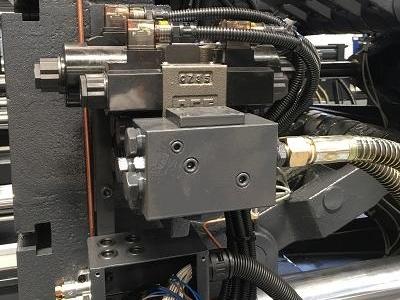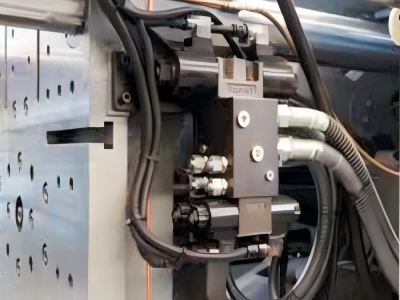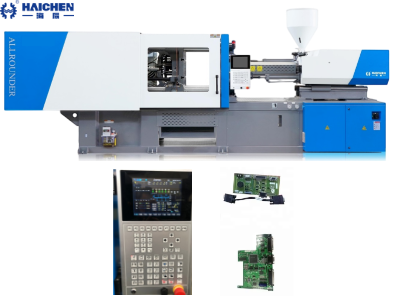
The ejector injection molding is the core component of the mold.
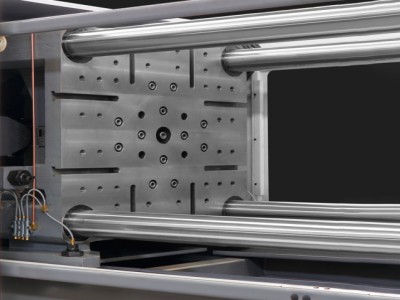
It is responsible for ejecting the finished product from the mold cavity after the plastic cools and solidifies.
Its design and operation directly affect production efficiency and product quality.
The number of ejectors in an injection molding machine is 5, 9, 13, or 25.
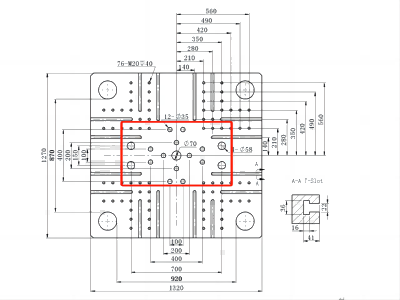
The number of ejector rods on an injection molding machine is used to eject the molded plastic product from the mold.
Different injection molding machine models and specifications will have different numbers of ejector rods.
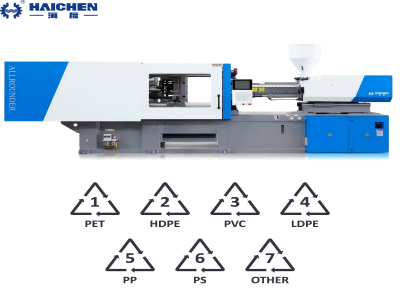
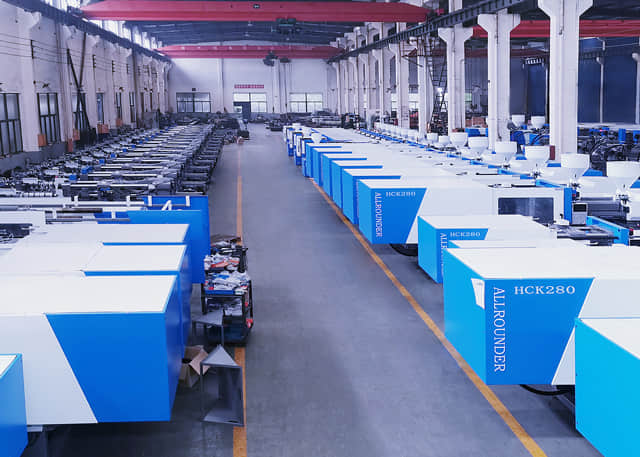
For example, Haichen HCK series injection molding machine.
The number of ejector rods from HCK110 to HCK180 is 5, the number of ejector rods from HCK230 is 9, the number of ejector rod HCK270 to HCK530 is 13, the number of ejector rods from HCK1850 is 25.
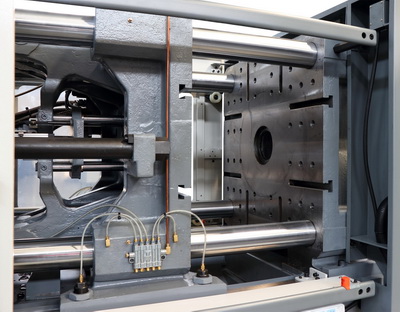
The specific number of ejector rods depends on the type of injection molding machine used and its technical parameters.
Ejector: This is the most common and simplest form of ejection. Ejectors usually use round cross-section push rods, which are widely used in production because they are easy to manufacture, process, and repair.
The impact of the number of ejector rods on production efficiency and quality
Production efficiency:
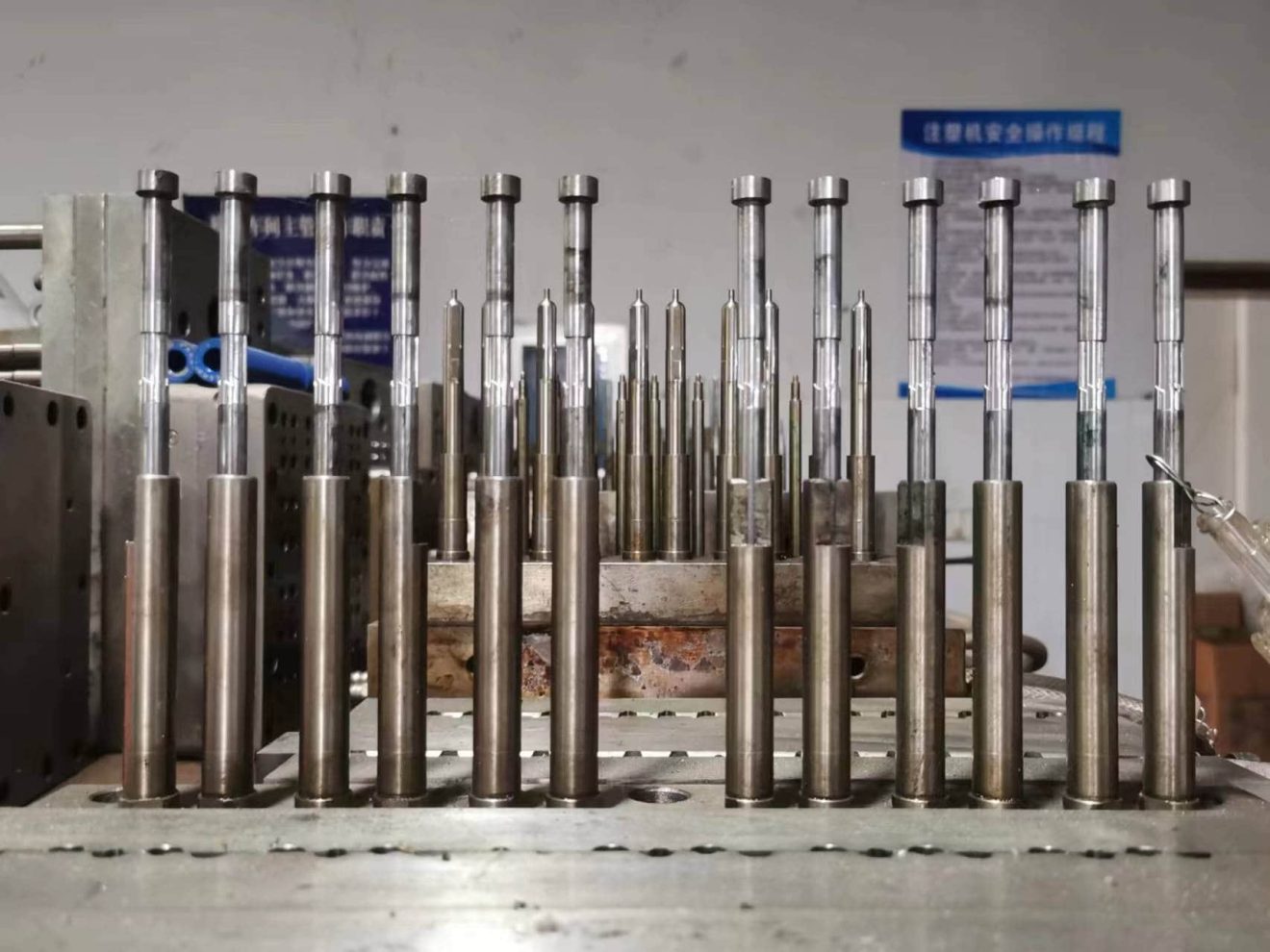
Increasing the number of ejectors robs can improve production efficiency.
This is because more ejector robs can de-mold more plastic parts at the same time, thereby speeding up the production cycle.
However, increasing the number of ejector rods is not always the best choice.
If there are too many ejector rods, the mold structure may be complicated, maintenance may be more difficult, and the overall mechanical properties may be affected.
Product quality:
The number and distribution of ejector rods will affect the quality of plastic parts.
If the area of the ejector rods is too small or the distribution is uneven, it will make it difficult to de-mold the plastic parts, which will cause problems such as warping.
The reasonable design of the ejector system can ensure that the plastic parts are evenly stressed and avoid defects caused by local stress concentration.
In special cases, such as when the product shape is complex or there is an undercut, a secondary ejector mechanism is required to ensure smooth demolding of the product and prevent warping.
Determination method of ejector rod for injection molding machine
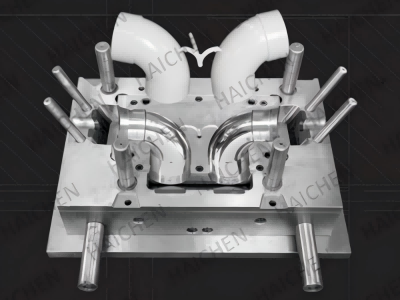
- Production requirements
- Mold design
- Equipment capacity
- Production process
The method for determining the number of ejector rods in an injection molding machine is mainly based on the following factors:
Production requirements:
including product size, weight, complexity, etc. For example, for large or complex products, more ejector rods may be required to ensure smooth demolding.
Mold design:
The design of the mold directly affects the number of ejector rods. For example, the internal structure of the mold is complex, and multiple ejection points are required to ensure the quality and integrity of the product.
Equipment capacity:
Different models of injection molding machines have different technical parameters, such as maximum oil pump pressure, ejection stroke, and ejection force, which will also affect the design and number of ejector rods.
Production process:
Different production processes have different requirements for ejector rods. For example, some special processes may require a specific shape or number of ejector robs to meet production requirements.
The impact of increasing the number of ejector rods on the de-molding efficiency of finished products
- Improving de-molding efficiency
- Reducing finished product damage
- Optimizing de-molding slope
- Preventing deformation and adhesion problems
- Shorten the production cycle
- Adapt to complex structural requirements
Improving de-molding efficiency:
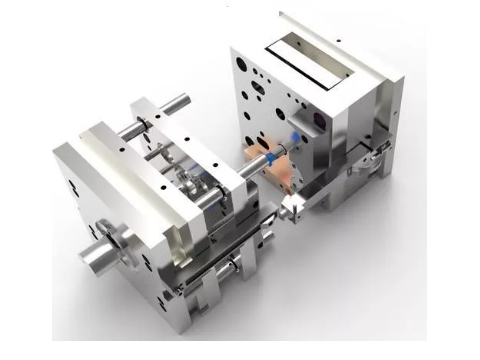
Increasing the number of ejector pins can better disperse and evenly apply de-molding force, thereby improving the de-molding efficiency of finished products.
For example, in some molds with complex structures, multiple ejector robs are set to complete the final de-molding of plastic parts, which can avoid damage to plastic parts caused by the excessive force of a single ejector rob.
Reducing finished product damage:
Properly increasing the number of ejector robs can help reduce the damage to finished products during de-molding.
For example, by driving the push block to vibrate through a vibration motor, the de-molding efficiency of finished products can be further improved and the damage to finished products can be reduced.
Optimizing de-molding slope:
Increasing the number of ejector pins can also help optimize the de-molding slope, making it easier for products to be separated from the mold.
This is especially important where the product thickness is large because a larger slope can reduce the risk of warping deformation.
Preventing deformation and adhesion problems:
Excessive or uneven ejection force can cause plastic parts to deform or adhere to the mold.
Therefore, it is crucial to reasonably increase the number of ejector robs and ensure that they are evenly distributed. If the ejection device has an insufficient stroke or the ejection is uneven, the plastic part will not be able to be de-molded smoothly.
Shorten the production cycle:
Optimizing the design of the ejection system can significantly shorten the mold opening and ejection time, thereby improving production efficiency.
For example, using a reasonable ejection method such as ejector rob ejection, push plate ejection, or pneumatic ejection can effectively improve overall production efficiency.
Adapt to complex structural requirements:
For some products with complex internal structures, a secondary ejector system in injection moulding may be required to ensure complete demolding.
In this case, increasing the number of ejector rods can better solve the problem of difficulty in complete demolding after one ejection.
The standard number of ejector rods for an injection molding machine is generally between 5 and 9, depending on the design of the injection molding machine and the application requirements. When removing plastic parts, it is necessary to ensure that the ejection force is evenly distributed to avoid deformation of the product and to select the appropriate ejection method based on the mold structure and characteristics.
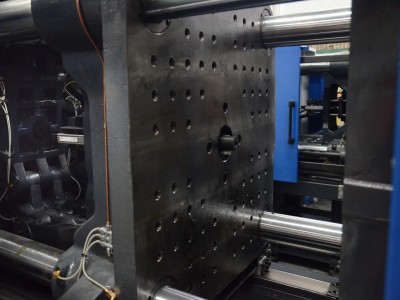
More ejector rods can evenly distribute the ejection force and reduce the risk of deformation of the product during de-molding.
For large molds when one of the length or width dimensions is greater than 500mm, in principle, only one center ejector cannot be used.
The ejector hole diameter should be 5-10mm larger than the ejector pin to ensure smooth demoulding.
Welcome to contact Haichen for more technical support on injection molding machines.