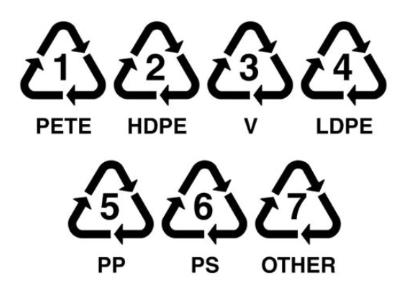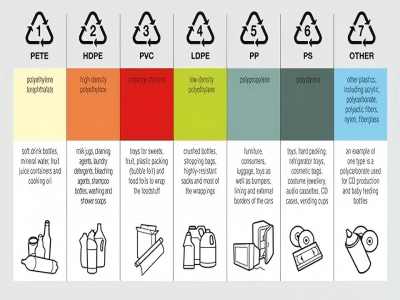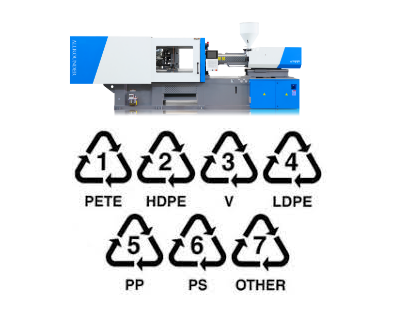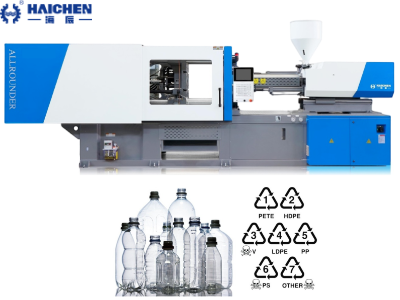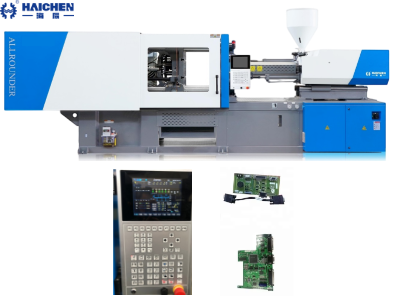
The manufacturing process of plastic spoon molds is a complex and multi-step process. It includes multiple stages such as mold design, material preparation, processing, trial molding, and optimization. Through reasonable design and advanced manufacturing technology, it can ensure the high-quality and high-efficiency production of molds.
Creating high-quality plastic spoon molds involves multiple precision-driven stages from initial design to final production. This guide explores the critical aspects of mold fabrication, maintenance, and optimization to ensure durable and efficient manufacturing solutions.
We will talk about tips for Plastic Spoon Mold as following seven points:
- Choosing the right material
- Mold design and customization
- Manufacturing process
- Mold maintenance and care
- Storage conditions
- Quality control and problem solving
- Environmental protection and sustainability
Choosing the right material
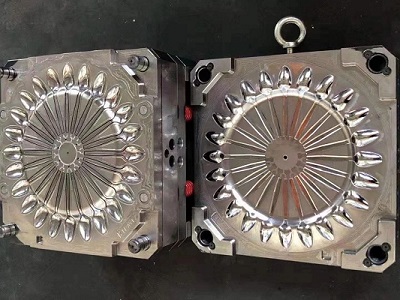
The foundation of any durable mold lies in its material composition. Most manufacturers opt for plastic spoon molds are usually made of high-quality steels, such as H13, S136, and 2344 steel. Because they have good hardness (42-45°HRC) and wear resistance to ensure the stability and life of the mold in high-speed operation. In addition, the selection of mold steel should also consider its heat conductivity to reduce possible warping or dimensional errors during the molding process.
Tool steel
Such as P20, H13, 420 stainless steel, etc. These steels have good wear resistance, heat resistance, and processing performance, and are the preferred materials for plastic molds
Cast iron
Such as gray cast iron and malleable cast iron, commonly used to manufacture the frame or foundation parts of molds, with high strength and wear resistance
Mold design and customization
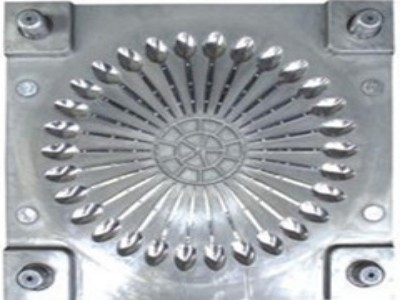
Plastic spoon molds can customize according to customer needs, including the shape of the spoon, handle length, coating treatment (such as silver coating), and brand logo. The layout of the injection system (such as direct injection system) and the ejection mechanism (such as ejection plate and ejection pin) should consider when designing the mold to ensure the quality of the finished product and the convenience of demolding.
Multi cavity layout
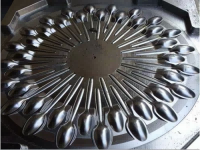
For mass production, it recommends to use multi cavity molds (such as a 40 cavity design) and adopt a side gate injection system to improve efficiency.
Cooling system
Adopting a “fully covered cooling channel” (such as a surround type waterway) to ensure uniform distance from the chamber wall (usually 5-15mm), water temperature difference ≤ 2 ° C, and shortened cycle by 30%
Exhaust design
Install 0.02-0.04mm exhaust slots to avoid burning or material shortage caused by trapped air.
Manufacturing process
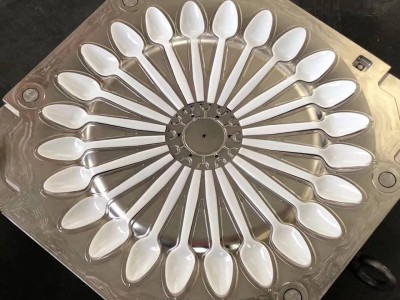
Injection molding is the main method for making plastic spoons. The injection molding process is efficient and consistent, suitable for large-scale production. During the manufacturing process, it should use advanced machinery and equipment. And it also need carry out strict quality control to ensure the beauty and durability of the finished product.
Mold manufacturing
The mold manufacturing stage includes the processing of mold foundations, the processing of molded parts, and the assembly and adjustment of molds. The processing of mold foundations usually includes rough machining, semi precision machining, and precision machining to ensure the accuracy and surface quality of the mold. The processing of molded parts involves selecting different processing methods based on the structure and materials of the mold, such as turning, milling, electrical discharge machining (EDM), etc.
Mold assembly and trial molding
After finished the mold manufacturing, it need carry out the mold assembly and trial molding.The trial stage use to verify the performance and quality of the mold. As it can ensure that the mold can produce qualified products according to the design requirements.
Injection molding
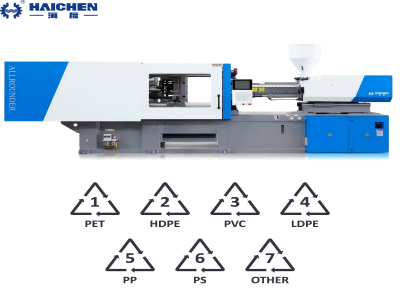
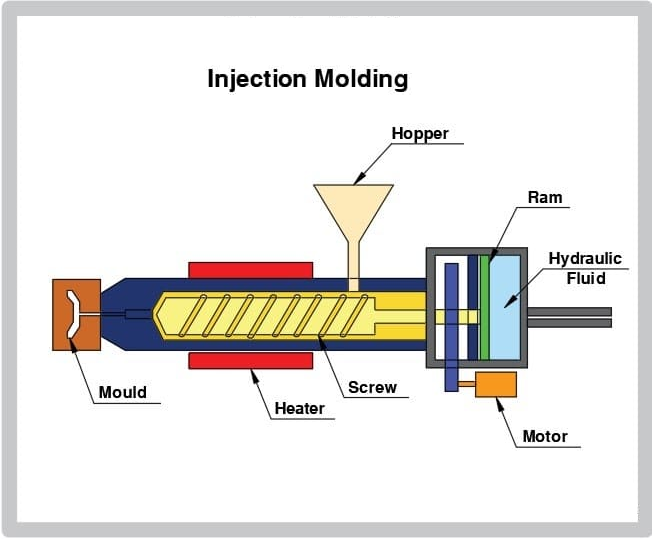
After the mold assembly is completed, it enters the injection molding stage. Injection molding is the process of injecting molten plastic into a mold and cooling it to form the desired plastic spoon through plastic spoon injection molding machine. The injection molding process includes steps such as melting plastic, injection, holding pressure, cooling, and demolding.
Mold maintenance and care
Regular cleaning of molds is the key to extending their service life. Use mild soapy water or special mold cleaner to clean the mold surface, and avoid using rough cleaning tools to avoid damaging the mold surface. In addition, when storing molds, they should be placed in a dry, cool place, away from direct sunlight and high temperature environment.
Daily maintenance
Including scheduled maintenance and shift maintenance. Regular maintenance involves cleaning the surface of the mold, the guide sleeve, the ejector pin, and the slider. Each maintenance shift includes a preliminary inspection and cleaning of the mold to ensure that it is in good condition before production.
Detailed maintenance
According to the different structures of the mold, perform corresponding maintenance on the mold core, template, ejector pin, slider, insert block, waterway, guide column, etc. in sequence. For example, use copper tools for cleaning and avoid using steel tools to prevent scratching the surface of the mold.
Cleaning method
Use specialized tools such as copper bars, scrapers, brushes, etc. to clean, and avoid using tools such as hammers that may damage the mold. When cleaning, ensure that there are no residual oil stains on the surface of the mold and keep it dry.
Lubrication and rust prevention
Regularly lubricate the moving parts of the mold (such as the ejector pin and slider) to prevent them from getting stuck. At the same time, clean the surface of the mold and apply anti rust oil to prevent rusting.
Storage conditions
The mold should be stored in a dry and clean environment, avoiding direct contact with other molds to prevent damage.
Quality control and problem solving
After the mold is manufactured, a trial mold is required to detect defects such as warping, dimensional deviation or surface flaws. If any problems are found, the damaged parts should be repaired or replaced in time. In addition, the mold may wear or corrode during use. Regular inspection and timely handling of these problems can ensure long-term stable production.
Mold structure design
The mold should have sufficient strength and rigidity to ensure that deformation or damage does not occur during operation. The structural design of the mold should comply with relevant standards, such as GB/T 12554-2006, which has strict requirements for the dimensional accuracy, surface quality, and cooling system of the mold.
Material selection
Mold materials should be selected based on the type of plastic used. For example, for plastics that are prone to corrosion, corrosion-resistant materials should be chosen; For plastics that are prone to wear and tear, wear-resistant materials should be selected.
Dimensional accuracy
The dimensional accuracy of the mold must meet the requirements of the design drawings, including length, width, height, and surface roughness. The geometric accuracy such as parallelism, perpendicularity, and coaxiality of the mold must also comply with relevant standards.
Surface quality
The surface of the mold should be smooth, without cracks, scratches, or rust. The gating system of the mold should be designed reasonably to ensure uniform plastic flow and avoid defects such as bubbles, weld lines, and dents.
Assembly requirements
The assembly of the mold should ensure that the parallelism, perpendicularity, and clearance between each component meet the requirements. The guide column and guide sleeve of the mold should be installed firmly to ensure smooth opening and closing of the mold.
Production Optimization Techniques
Multi-Cavity Systems
High-output configurations (e.g., 40-cavity designs) with side-gate injection can boost productivity by 60-70%.
Thermal Management
Concentric cooling channels maintain ±2°C water temperature variance, reducing cycle times by 30% while preventing warping.
Precision Engineering
Micro-scale exhaust slots (0.02-0.04mm) prevent air entrapment defects during injection.
The Manufacturing Workflow
Precision Machining
CNC milling and EDM processes achieve micron-level accuracy in mold components.Assembly & Testing
Each mold undergoes 3-5 trial runs to calibrate:
Gate positioning
Cooling efficiency
Injection parameters
Quality Validation
Finished molds must pass dimensional tolerance checks (±0.05mm) and surface finish inspections (Ra < 0.8μm).
Maintenance Protocols
Routine Care
Daily: Guide pillar lubrication and surface cleaning
Weekly: Cooling channel descaling
Monthly: Full disassembly inspection
Storage Requirements
Climate-controlled environments (20-25°C, <50% RH)
Protective coatings for long-term preservation
Troubleshooting Common Issues
| Problem | Solution |
|---|---|
| Warping | Adjust cooling symmetry |
| Flash | Tighten clamping force |
| Short shots | Modify gate geometry |
Sustainability Practices
Food-grade material compliance (FDA/EC standards)
Recyclable steel components
Energy-efficient thermal systems
Effective plastic spoon mold production demands synergy between material science, precision engineering, and proactive maintenance. By implementing these best practices, manufacturers can achieve <2% defect rates while extending mold service life by 40-50%.