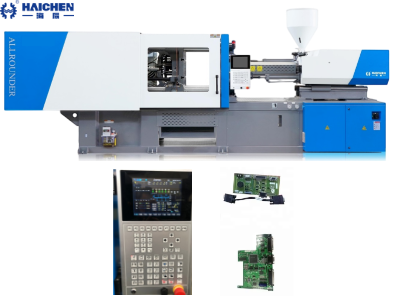
Injection mould installation troubleshooting including:
- Inaccurate Mold Alignment
- Damage to the guide pillar
- Dynamic and fixed mold offset
- Ejection system jamming or failure
- Cooling System Leakage
- Mold deformation or cracking
- Parting surface overflow (flash)
- Mold deformation or cracking
- Poor exhaust (trapped gas, burning)
- Gate blockage or misalignment
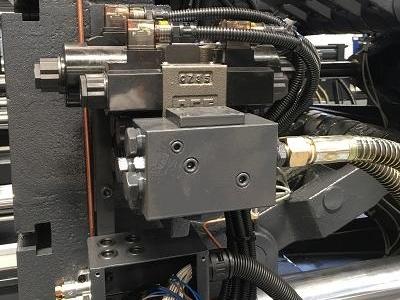
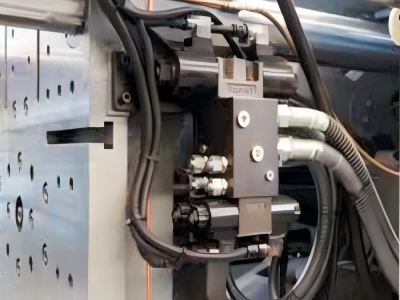
- Hydraulic/Electrical System Failure
- Underfilling or shrinkage of the material
Proper troubleshooting should use a systematic approach to resolve problems.
These problems are the result of something in the process changing.
To resolve them, one must determine what has changed and restore the process to its proper balance.
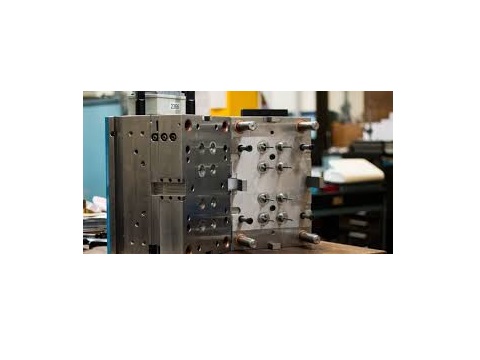
Injection mould installation troubleshooting——Inaccurate Mold Alignment
Like, wear and deformation of the positioning ring or guide pillar and guide bushing.
Like,there are foreign objects (oil stains, debris) on the mold mounting datum.
There’s another situationthe ,formwork of the injection molding machine is uneven or the mounting bolts are not evenly tightened.
Solution
Inspect and replace damaged locating rings or guide post bushings.
Clean the mold mounting surface and injection molding machine template to ensure that there are no impurities.
Also,tighten the mounting bolts diagonally step by step to ensure mold parallelism.
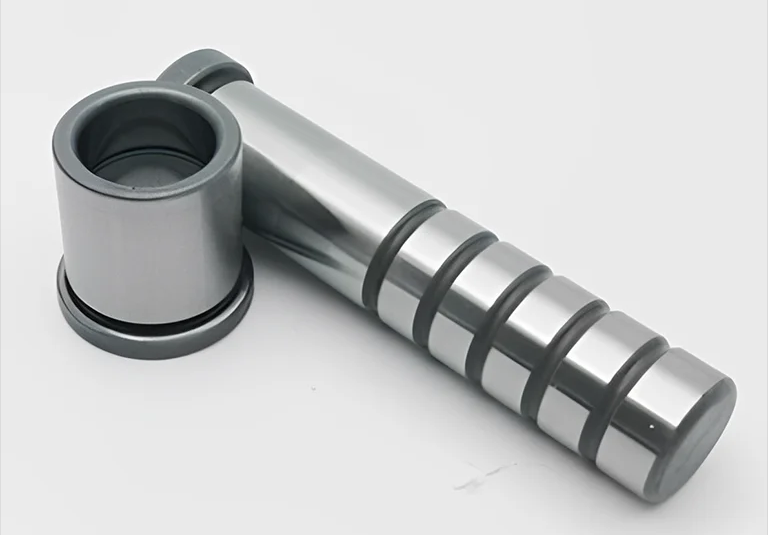
Injection mould installation troubleshooting——Damage to the guide pillar
The guide pillar is subjected to lateral offset forces during injection, which can lead to hair pulling.
Bending, or even fracture if the wall thickness of the part is uneven or asymmetrical.
Solution
Add a high-strength positioning key on the parting surface of the mold to ensure the perpendicularity between the guide pillar and the parting surface.
And improve the heat treatment hardness of the guide pillar and the guide bushing.
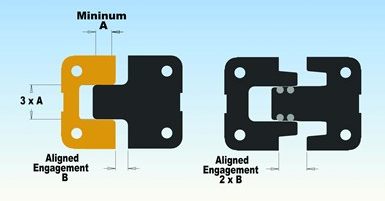
Injection mould installation troubleshooting——Dynamic and fixed mold offset
Self-weight deviation due to inconsistent charging rate in all directions or mold weight.
Solution
Add a positioning key on the parting surface of the mold to ensure that the reference level of the moving mold and the fixed mold is consistent.
And use a support column or support block to enhance stability.
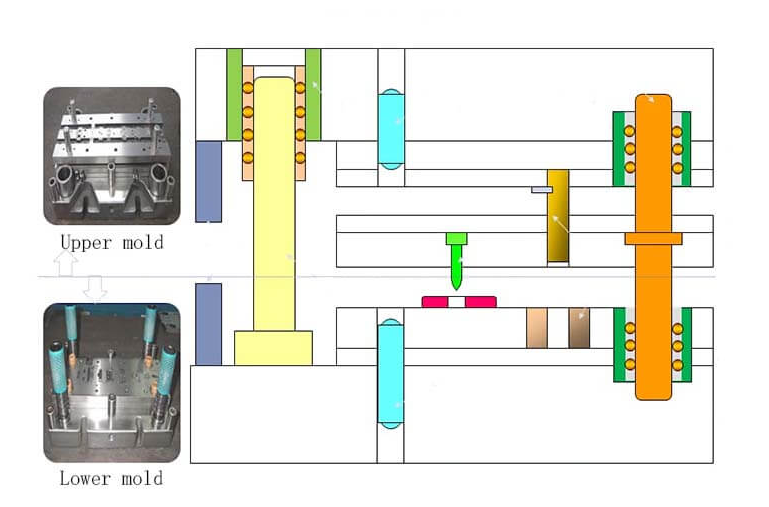
Injection mould installation troubleshooting——Ejection system jamming or failure
The cause of this is that the ejector pin, ejector rod and die hole fit too tightly or are not lubricated enough.
It is also possible that the ejection stroke is set incorrectly (too long or too short).
Or the ejector plate is deformed or the return spring is broken.
Solution
Clean the thimble hole and apply high-temperature grease.
Adjust the ejection stroke parameters of the injection molding machine to ensure that it matches the mold.
Replace the deformed ejector plate or return spring.
Injection mould installation troubleshooting——Cooling System Leakage
Cooling system leakage may be due to aging seals or inadequate installation.
This can also be caused by loose cooling water fittings or damaged threads.
It is also possible that the inside of the mold waterway is rusted or blocked.
Solution
Replace the high-temperature sealing ring to ensure that the installation is tight.
Use raw tape or thread glue to reinforce water pipe fittings.
Unclog the water with a high-pressure water gun or acidic cleaner.
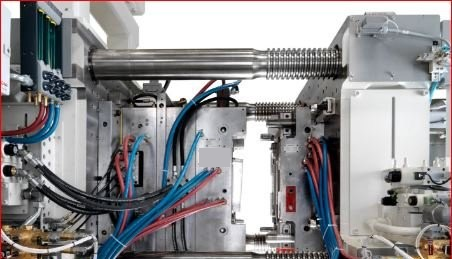
Injection mould installation troubleshooting——Parting surface overflow (flash)
The mold is not tightly closed (insufficient clamping force or deformation of the platen).
Foreign matter or wear on the parting surface.
Improper injection molding process parameters (too high pressure, too high temperature).
Solution
Check whether the clamping force is sufficient and adjust the parameters of the injection molding machine.
Clean the parting surface and repair the worn area (grinding or repair welding).
Optimize injection molding process parameters to reduce injection pressure and melt temperature.
Mold deformation or cracking
Insufficient strength of the mold material or improper heat treatment.
Uneven force during installation (e.g. forced pressurization on one side).
Long-term fatigue injury.
Solution
Contact the mold manufacturer to repair or replace key components.
Ensure uniform force during installation to avoid shock loads.
Afterward,regularly inspect the mold surface for stress cracks.
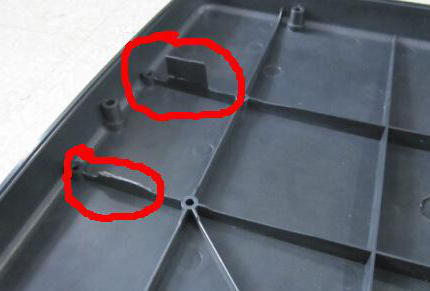
Poor exhaust (trapped gas, burning)
Because the exhaust groove is not deep enough or is blocked.
The mold is closed too tightly or the parting surface is worn out, resulting in poor exhaust.
Solution
Clean the exhaust groove and deepen or widen the exhaust channel (usually ≤0.03mm deep).
At the same time,adjust the clamping force or repair the flatness of the parting surface.
Gate blockage or misalignment
May be due to misalignment of the gate sleeve with the nozzle.
It may also be that cold material remains at the gate or that the temperature control of the hot runner is abnormal.
Solution
First try adjusting the coaxiality of the nozzle to the sprue sleeve.
Secondly, clean the cold material well and check the hot runner heater and thermocouple.
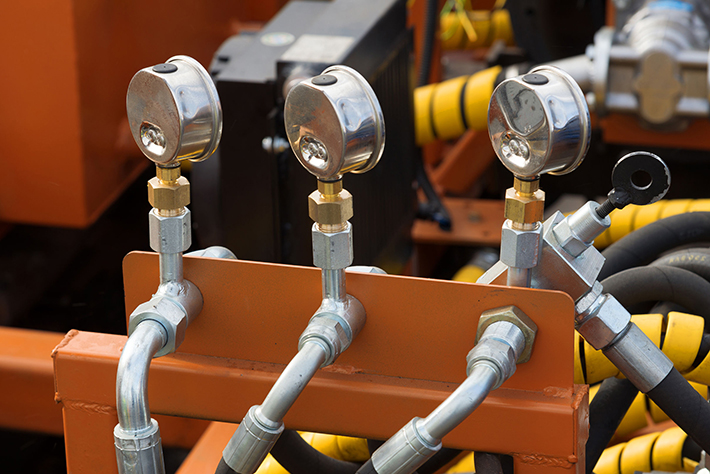
Hydraulic/Electrical System Failure
This Injection mould installation troubleshooting manifests itself in the form of mold core pulling, delayed or non-action of the slider.
Or, the sensor signal is abnormal (e.g., failure of mold opening in place detection).
Solution
Check whether the oil circuit is leaking and whether the solenoid valve is stuck.
Second, calibrate the position of the travel switch or proximity switch.
Underfilling or shrinkage of the material
May be due to poor melt flow due to low mold temperatures.
Or the gating system is not properly designed (the runner is too thin or too long).
Solution
Try increasing the mold temperature to the recommended value of the material firstly.
And optimizing the runner design (e.g., adding a cold well or expanding the runner cross-section).
Precautionary measures
Pre-installation inspection
Confirm that the mold size matches the injection molding machine, clean all contact surfaces.
Standardized operation process
Use hoisting equipment to avoid collisions;
Preload bolts in stages.
Regular maintenance
lubricate moving parts and replace wear parts (e.g. seals, springs).
Process matching
Adjust the injection parameters (pressure, temperature, speed) according to the characteristics of the mold.
Haichen experience
The solution of injection mould installation troubleshooting needs to start from the type of fault and take targeted measures in combination with specific causes chiefly.
By optimizing mold design, strengthening pre-assembly preparation and maintenance.
Reduce the failure rate effectively , and improve production efficiency and product quality comparatively.