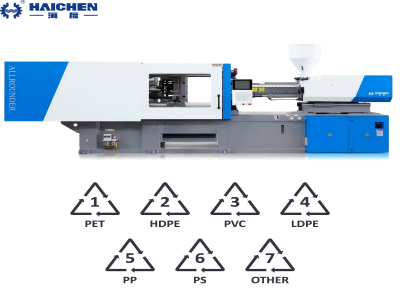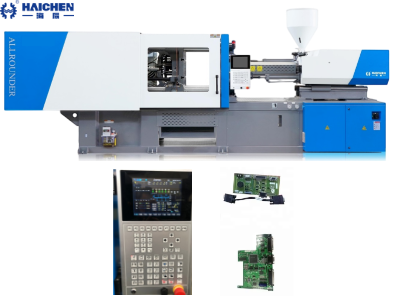
The price of a plastic injection molding machine is influenced by several factors, ranging from technical specifications to operational features. Below is a detailed breakdown of the key factors affecting its cost, supported by insights from the provided search results:
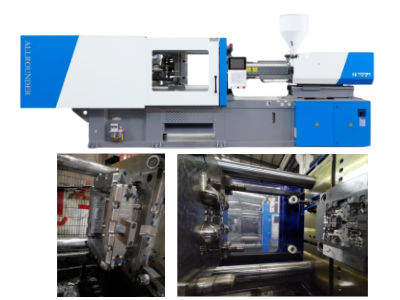
1. Clamping Force (Tonnage)
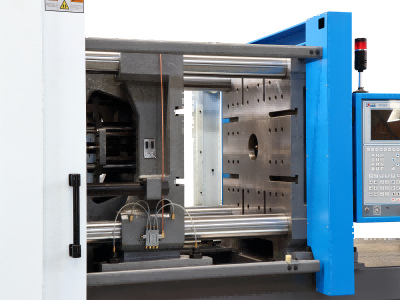
- Impact: Machines with higher clamping force (measured in tons) are more expensive. For example, a 470-ton machine costs 24,000–25,000, while smaller machines (e.g., 45-ton) start at $8,600.
- Why: Larger tonnage is required for bigger parts or high-volume production, necessitating robust construction and advanced hydraulic systems.
2. Machine Size and Capacity
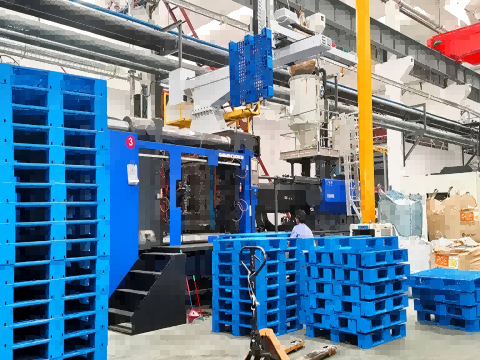
- Shot Volume and Mold Dimensions: Machines with larger shot volumes (e.g., 1350 cm³) or those accommodating bigger molds (e.g., 730×730 mm tie-bar spacing) are priced higher due to increased material and engineering costs 1014.
- Example: High-speed machines for food containers (e.g., HCK360) cost 40,000–80,000, reflecting their specialized capacity 2.
3. Automation and Control Systems
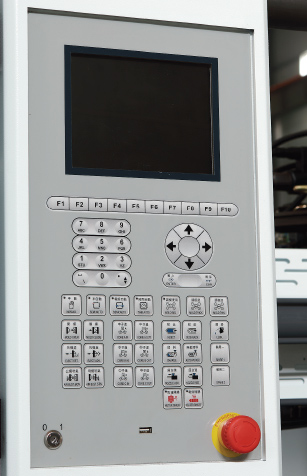
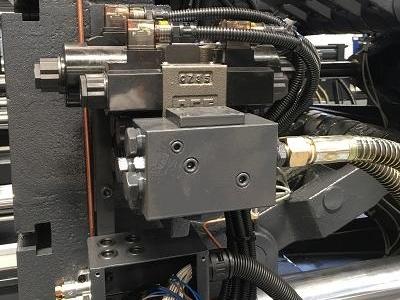
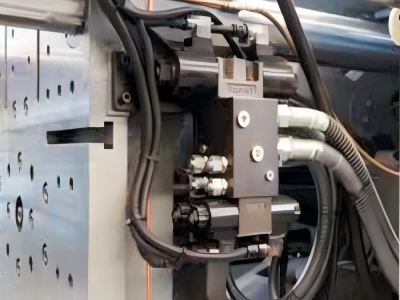
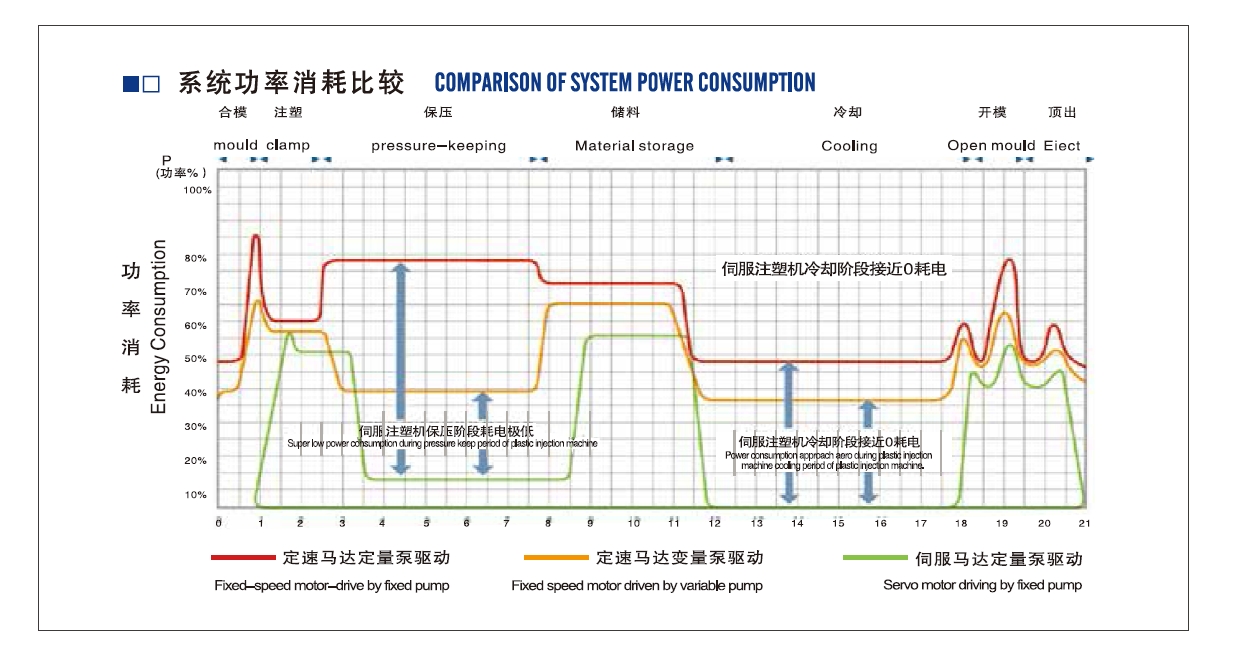
- Energy Efficiency: Servo-driven machines (e.g., Haichen HCK460) save energy but cost 24,000–32,000 due to advanced motor systems 213.
- PLC and Automation: Fully automated systems with PLC controls, robotic arms, or automated ejection systems increase prices. For instance, vertical machines with automation for dental floss sticks cost 8,000–25,000 214.
4. Material Compatibility
- Resin Types: Machines designed for high-performance plastics (e.g., PEEK, medical-grade polymers) require specialized barrels and screws, raising costs 513.
- Add-Ons: Features like UV stabilizers or flame-retardant material handling may require additional components, increasing the base price 113.
5. Brand and Geographic Origin

- Chinese Manufacturers: Offer competitive pricing (e.g., 8,000–38,000 for small machines) due to lower labor costs and streamlined supply chains 1314.
- Western Brands: Often cost 30–50% more for similar specifications but may include advanced certifications (e.g., ISO, GMP) 13.
6. Mold Complexity and Cavities
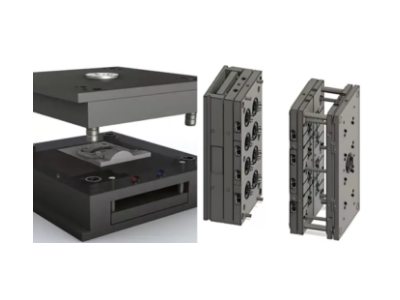
- Multi-Cavity Molds: Machines supporting multi-cavity molds (e.g., 4–8 cavities) are pricier but improve throughput. Mold costs themselves range from 3,000–100,000, indirectly influencing machine selection 513.
- Conformal Cooling: Requires precision tooling, increasing machine requirements and costs 57.
7. Operational Features
- Cycle Time: Machines with faster cycle times (e.g., high-speed PET preform machines at 8,000–38,000) command premium pricing 210.
- Cooling Systems: Advanced cooling mechanisms (e.g., conformal channels) add to machine complexity and cost 7.
8. Certifications and Compliance
- Industry Standards: Machines certified for medical or automotive use (e.g., ISO 13485, IATF 16949) are priced higher due to stringent testing and materials 1314.
9. After-Sales Support
- Maintenance and Training: Suppliers offering field installation or training (e.g., 19,500–80,000 machines) often include these services in the price 1014.
10. Market Dynamics
- Material Costs: Fluctuations in resin prices (e.g., ABS at 1–2/lb vs. PEEK at 3–5/lb) indirectly affect machine pricing for specialized applications 113.
Summary Table of Price Ranges 21314
| Machine Type | Price Range (USD) | Key Features |
|---|---|---|
| Small, manual (45-ton) | 8,000–22,640 | Basic PP/ABS processing |
| Mid-range automated (180-ton) | 19,500–38,000 | Servo motors, multi-cavity support |
| High-speed (470-ton) | 24,000–32,000 | Energy-saving, medical-grade compliance |
| Custom vertical machines | 30,000–80,000 | Specialty materials, full automation |
For a comprehensive analysis, refer to the sources on machine specifications and China’s cost advantages.
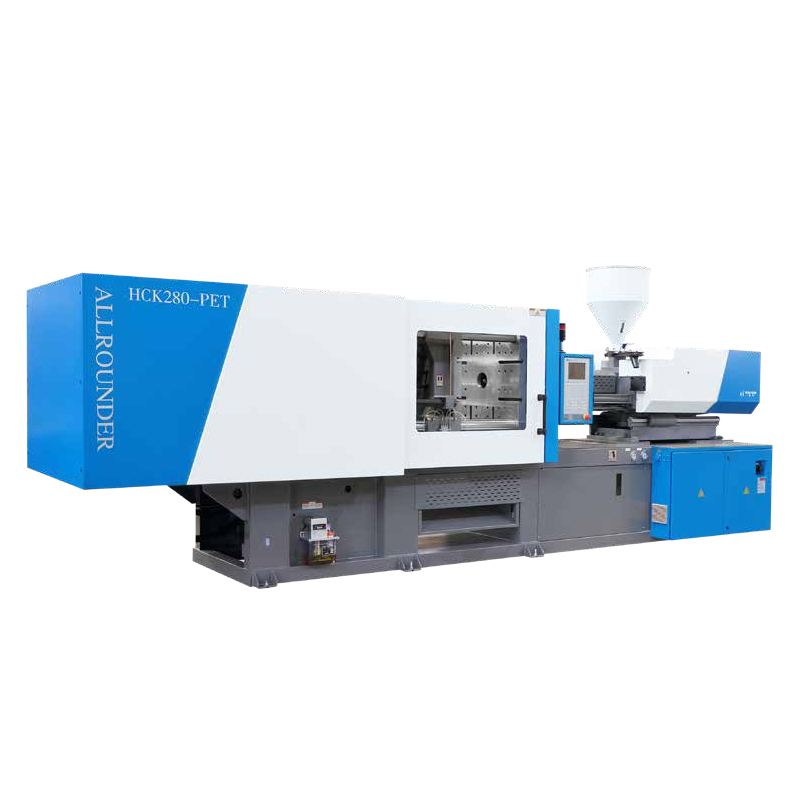
What are the functions of injection molding machine?
The injection molding machine price is closely related to their functions.
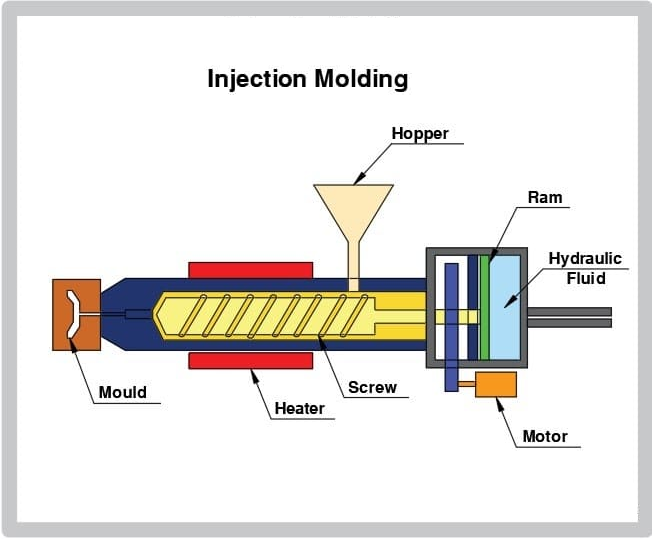
The main functions of the injection molding machine include:
1.Plastic melting and injection:
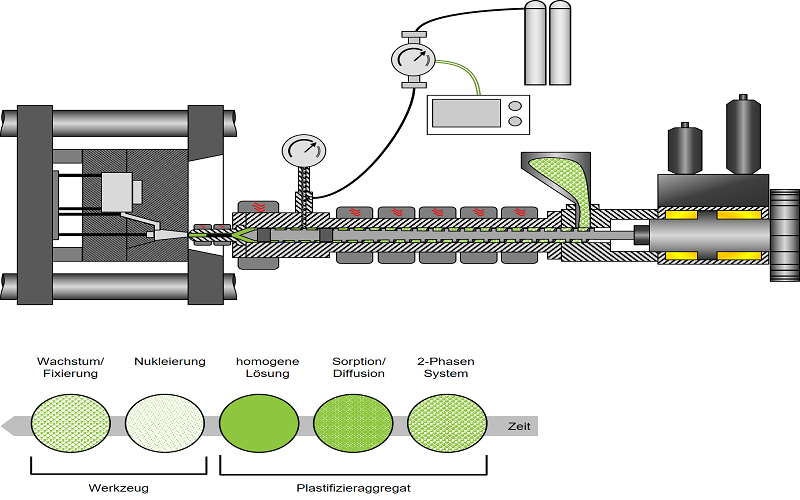
The granular or powdered plastic is melted and injected into the mold cavity under high pressure through screw rotation and heating
2.Mold closing and clamping:
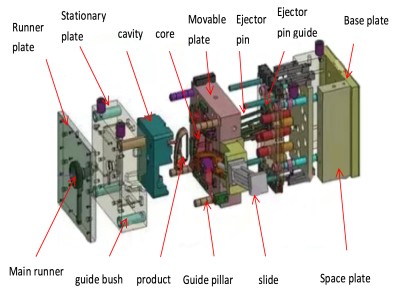
The mold is closed by hydraulic or mechanical means, and pressure is applied to overcome the injection pressure to ensure that the mold remains stable during the injection process
3.Cooling and holding pressure:
After the injection is completed, the mold is closed and cooled, and the molten material is prevented from flowing back through the holding pressure stage to ensure the density and dimensional accuracy of the product
4.Mold opening and demolding:
After cooling is completed, the mold is opened and the molded plastic product is taken out.
Haichen launches injection molding machines at good prices in the Mexican market,contact us if you need any details.