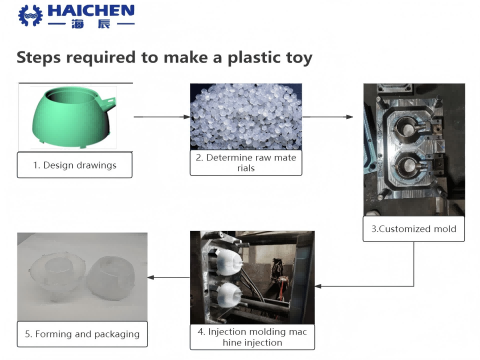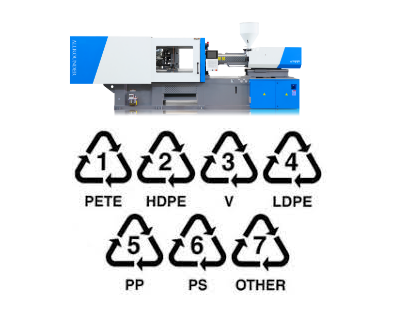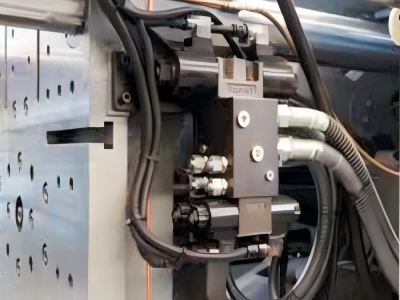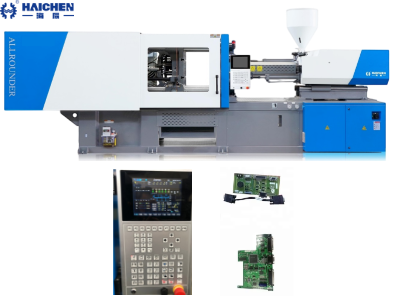
Types of toy making machines includes injection molding machine, extrusion molding machine, blow molding machine, thermoforming machine, etc.
Injection molding machines (also known as injection molding machines) are widely used in toy manufacturing. Their types can be classified according to dimensions such as power system, structural design and degree of automation.
The core advantage of plastic toy injection molding machines lies in their combination of high production efficiency, low unit cost (in large quantities), high-precision complex molding capabilities, and excellent production consistency. This makes them the preferred manufacturing method for the large-scale production of standardized, complex, or precision plastic toys (such as building blocks, doll parts, models, and vehicle components). Their highly automated nature also supports the modern manufacturing trend of reducing labor costs and improving efficiency.
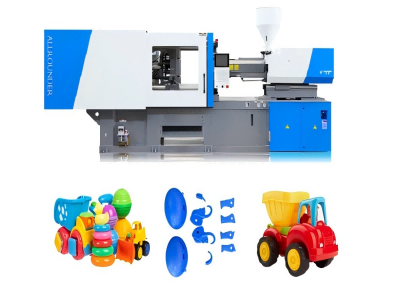
Types of toy making machines: Injection molding machine
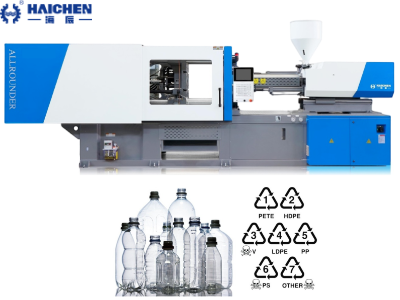
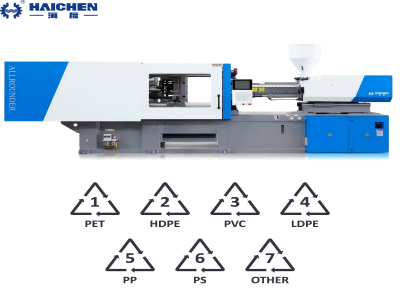
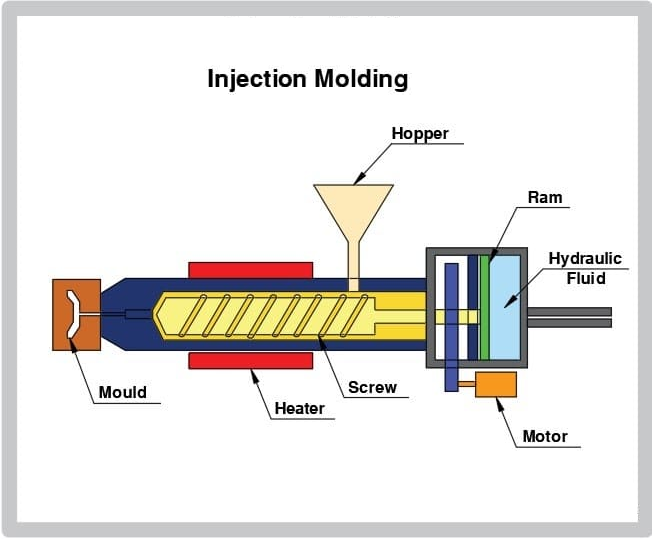
The injection molding machine is the most common equipment in the manufacture of plastic toys. Its main function is to inject molten plastic into the mold and take out the molded product after cooling and solidification.
Injection molding machines can divide into elbow-type, full hydraulic, full electric and electric/hydraulic composite types according to the driving mode. Among them, the elbow-type mechanical injection molding machine is suitable for small and medium-sized enterprises, while the full electric type has gradually become the mainstream choice due to its high precision and stability.
Hydraulic Injection Molding Machines
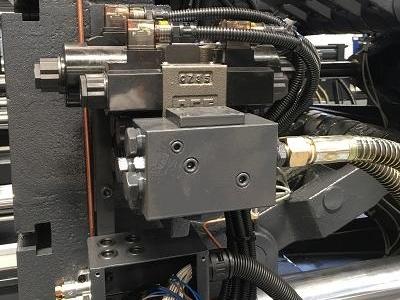
Principle: A hydraulic system drives the mold clamping and injection process, providing high pressure and stable power.
Features: Low cost, simple maintenance, and suitable for large-sized or thick-walled toys (such as toy car shells and large dolls).
Limitations: High energy consumption, high noise, and slightly lower precision than electric injection molding machines.
Electric Injection Molding Machines
Principle: Driven by a servo motor, precise control of injection speed and pressure.
Features: Approximately 50% lower energy consumption (compared to hydraulic presses), suitable for long-term, high-volume production (such as Lego sets and blind box dolls).
Hybrid Injection Molding Machines
Principle: Combining hydraulic power with motor precision for optimized performance.
Features: High efficiency and flexibility, suitable for multi-material toys (such as toy guns with soft rubber handles).
Special-Function plastic toy injection molding Machines
Two-Shot Machines: These machines inject two materials/colors in a single cycle to create gradient-shaped or soft-hard toys (e.g., two-color dolls, toys with non-slip handles).
Micro Machines: These machines produce extremely small parts (e.g., toy model parts, miniature bearings).
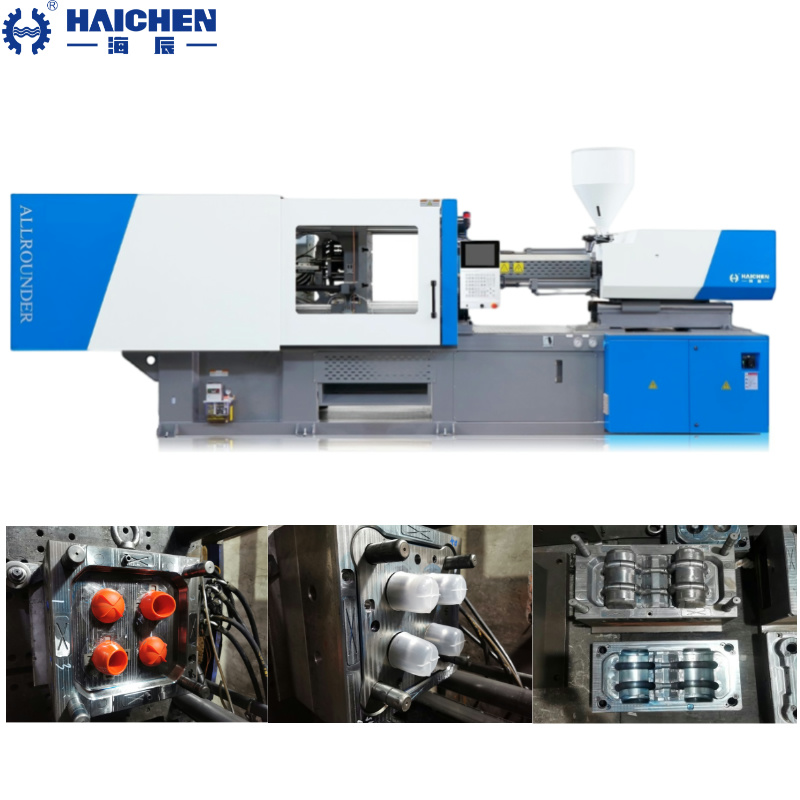
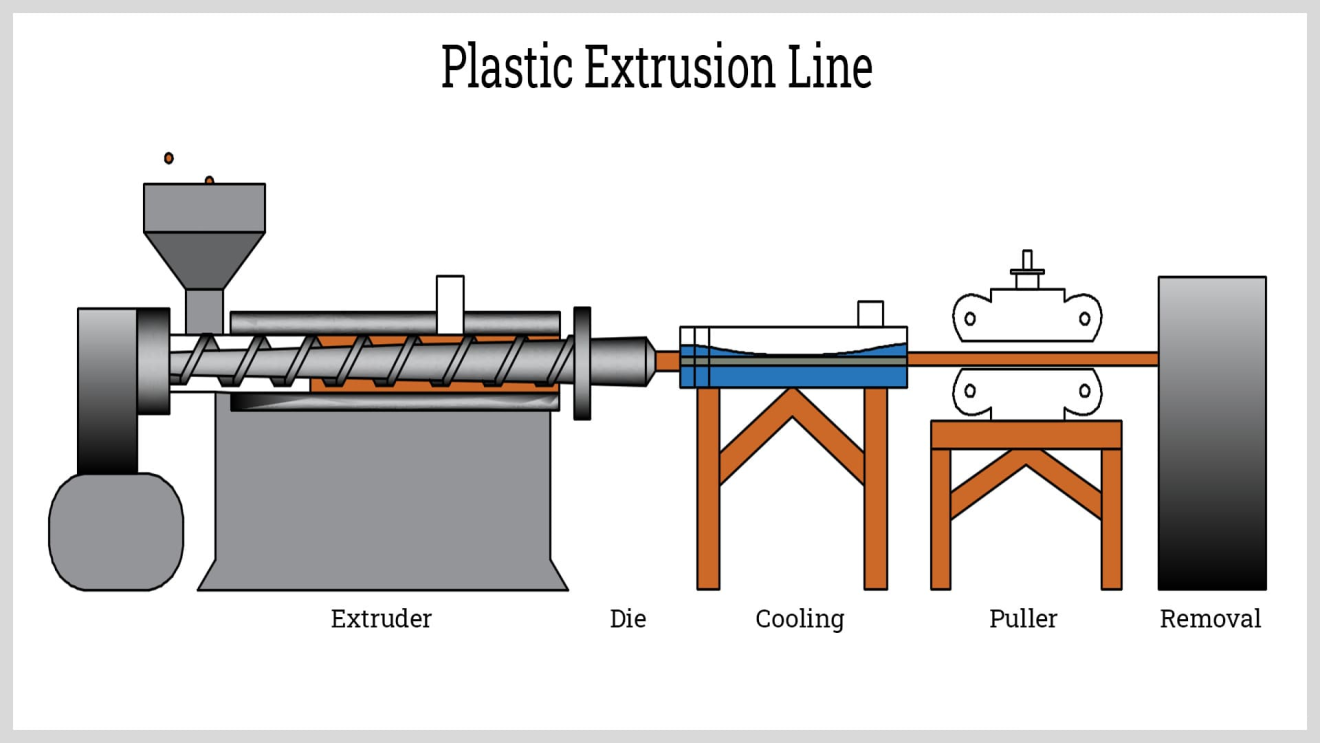
Extrusion molding machine
Extrusion molding machine is used to produce plastic profiles, films, etc., by heating and extruding plastic raw materials to form a continuous shape. This equipment also uses in plastic toy manufacturing, such as for producing frames or shells of plastic toys.
The types of extruders include single-screw and twin-screw extruders. Different types of screw designs can achieve different extrusion effects, such as wavy, cylindrical or double-wing.
Classification by Mold Movement
- Shuttle Machines:Equipped with two mold stations, these machines alternate between filling and blow molding, minimizing downtime and are suitable for the efficient production of small and medium-sized products (such as toys and bottles).
- Rotary Wheel Machines:Multiple molds are mounted on a rotating wheel, continuously passing through the extrusion and blow molding stations. This offers higher production capacity (6-10 stations) and is suitable for large-volume production (such as beverage bottles).
Classification by Extrusion Process
- Continuous Extrusion:
Continuously extrudes tubular parisons (parisons), suitable for standardized, high-speed production, such as for cosmetic bottles. - Intermittent Extrusion:
Includes reciprocating screw and accumulator heads. The latter is specifically designed for large products (such as oil drums and water tanks) and allows for controlled wall thickness and complex structures.
Applications of Extrusion Blow Molding Machines of toy making
- Hollow toys: (balls, dolls, action figures, and stage models) can be produced using molds to create complex curved surfaces. Materials used are primarily PE and PP.
- Packaging Containers:
Small bottles and cans: beverage bottles, shampoo bottles (continuous extrusion).
Large Industrial Containers: Chemical drums (20-25L), water tanks, and automobile fuel tanks (accumulator-type die heads). - Other Industrial Products:
Such as floats, amusement rides, and double-ring drums require corrosion- and UV-resistant materials.
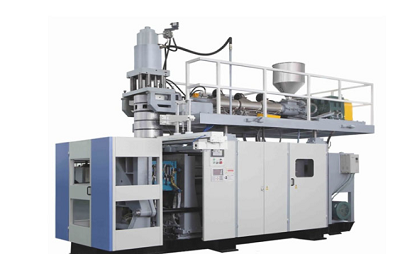
Blow molding machine
Blow molding machines are mainly use to produce plastic bottles, containers, etc. But it can also be uses to make some small plastic toys, such as plastic balls or toy containers. This equipment heats the plastic film and blows it into the desired shape, then cools it down to form the desired shape.
Extrusion Blow Molding(EBM)Principle
Plastic is heated through an extruder to form a tubular blank (parison). After the mold is closed, air is injected and blown into shape. The blank is then demolded after cooling.
Blow molding machine of Applicable Toys
- Simple hollow toys, such as spherical toys, fruit-shaped toys, toy car tires, etc.
- Large or irregularly shaped toys, such as carousels, slide components, and table and chair toys.
Injection Blow Molding (IBM) principle
A preform is first produced using an injection molding machine, then transferred to a blow mold and blown into shape.
Applicable Toys
Small, high-precision toys (such as toy parts and miniature containers), but the evidence does not specifically mention examples of toys.
Injection Stretch Blow Molding (ISBM) principle
After injection molding a preform, it is stretched axially and then blown to enhance the material’s strength.
Applicable Toys
Toys requiring high strength (such as sports balls), but the evidence does not specifically mention examples of toys.
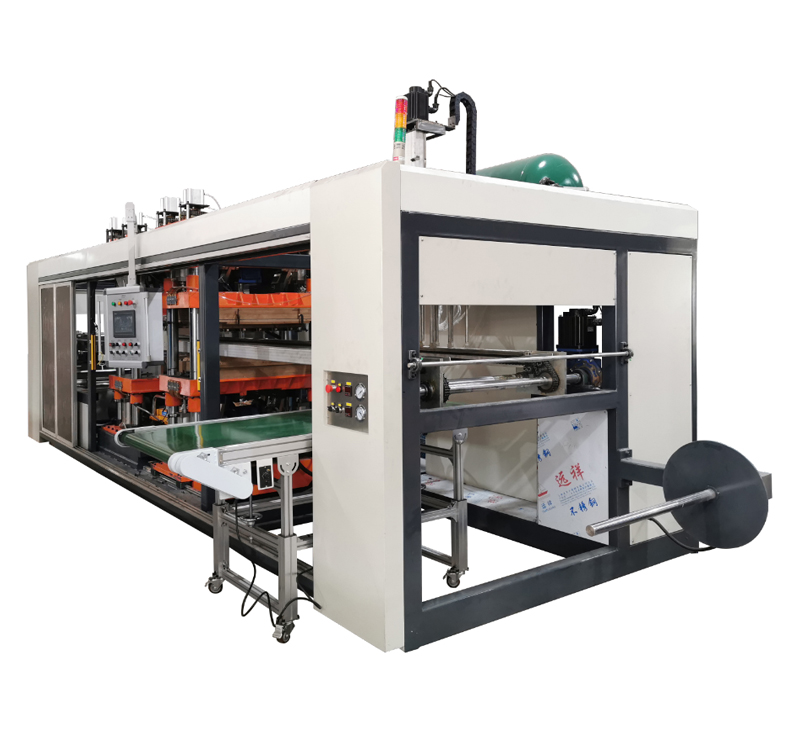
Thermoforming machine
Thermoforming machine uses to heat plastic sheets to a softened state and then form them through a mold. For example, the CK multi-functional high-speed automatic plastic sheet thermoforming machine is widely used in processing BOPS, HIPS, PVC and other materials, and can be used to make the shell or accessories of plastic toys.
Vacuum Thermoforming Machine Principle
After heating and softening a hard plastic sheet, it is vacuum-adsorbed onto a mold surface and cooled to set the shape.
Features
- High molding speed and efficiency, suitable for large-scale production.
- Mold costs are low (copper or aluminum molds are commonly used), but product thickness and precision control are limited.
Toy Applications
Game wheels, capsule toy machine casings, and shallow-shaped toys (such as tray-type toys)
Pressure Thermoforming Machine Principle
A positive pressure system is added to a vacuum system to press the plastic sheet toward the mold.
Features
- Can produce deeper and more complex structures (such as parts with textures or branding).
- Suitable for thicker plastic sheets (≥ 0.125 inches), resulting in more durable finished products.
Toy Applications
Products requiring high precision, such as automotive toy parts and electronic toy housings.
There are various types of plastic toy manufacturing machines, including injection molding machines, extrusion molding machines, blow molding machines, thermoforming machines, rotational molding machines, etc. Each type of equipment has its specific application scenarios and advantages, and can be selected according to the material, shape and production requirements of the toy.