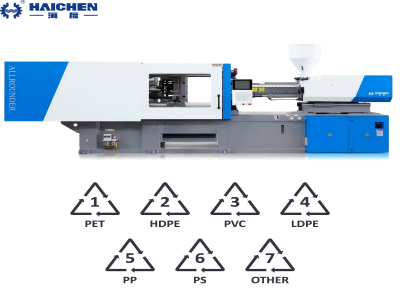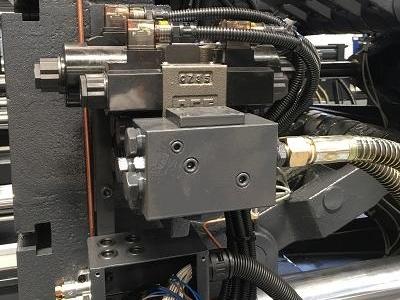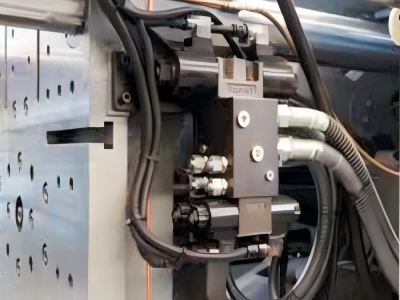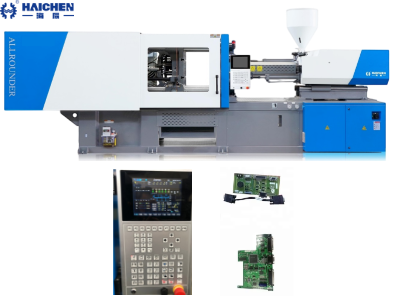
In plastic kettle injection molding, factors such as materials, mold creation, and specific process details, alongside surface finish and safety, are critical to ensuring quality and longevity.
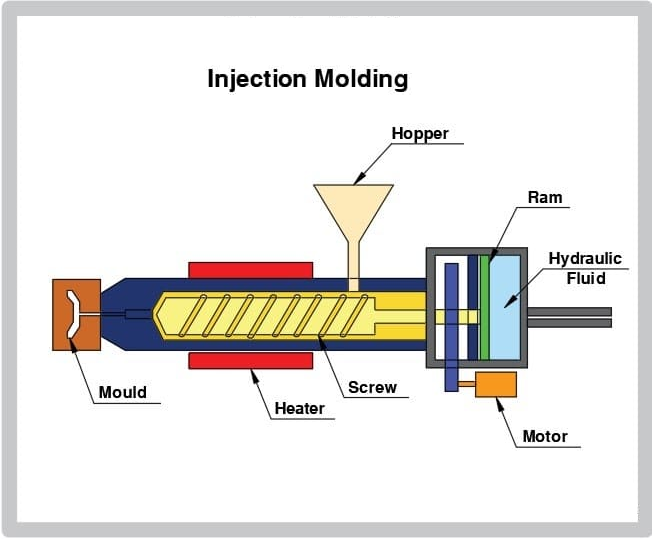
Injection molding serves to manufacture plastic items, including kettles. In this method, a mold cavity is filled with a heated plastic in liquid form. Once the plastic cools, the solidified piece is removed from the cavity.
The processing unique versatility and precision make it suitable for hypothesizing pieces with intricate designs and superb finishing. From plastic household kettles to complex engineered parts, thorough planning and precision in the execution of the injection molding process is a prerequisite in all cases.
In plastic kettle injection molding, as in any engineering design, there are specific principles to be noted and prioritized.
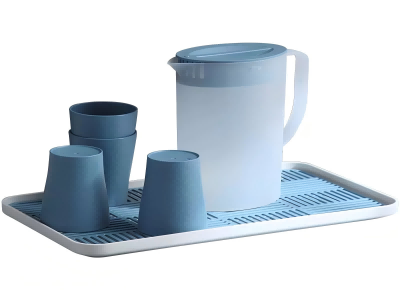
Factors to consider when performing injection molding for a plastic kettle
- Material Selection
- Mold Design
- Injection Molding Process
- Post – Processing
Material Selection
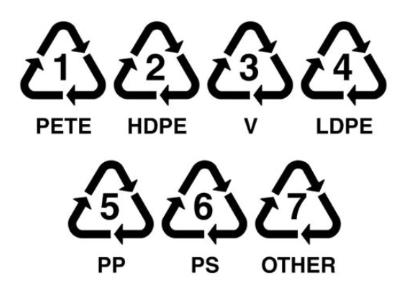
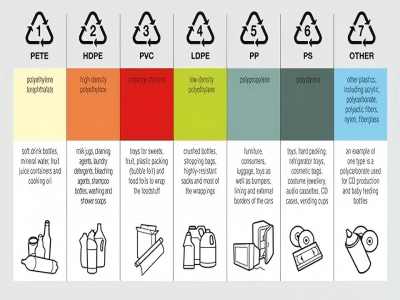
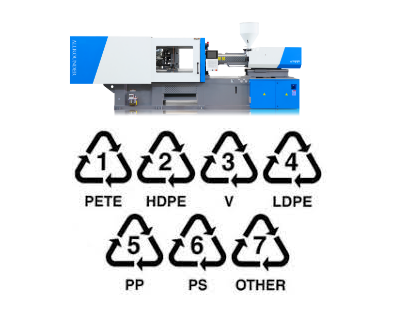
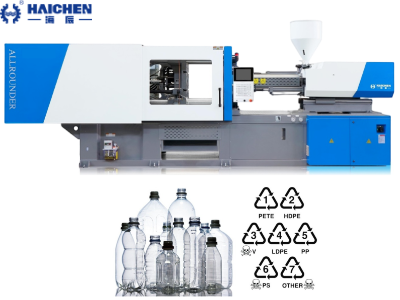
Types of plastic
One of the ones I consider to be the most critical for the plastic kettle’s durability, safety, and performance is the choice of plastic material. Some of them includes.
Plastic Kettle Modern Manufacturing Technology:
- Polypropylene (PP): Used for plastic kettles because they are tough, flexible, and resist chemicals, PP has good durability.
- Polyethylene (PE): PE is another commonly Used kettle material because of its reasonable impact resistance and flexibility.
For another grade class like food grade:
If plastic kettles like this one are designated to be within the food grade class, it is extremely important to use materials that pass the safety standards and regulations.
Mold Design
Precision
The kettle should be easy to eject out without making it basic. The kettle is not simple, for it to have the features that we require it to have it takes a lot of time to work.
Complexity
Same attention to the kettle’s surface as its wall thickness, is in its roughness, the kettle should have a uniform a smooth finish as possible without obvious defects. This is another thing where we should not let the molding processes to forget during implementation.
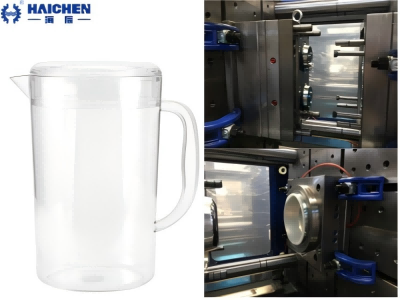
Injection Molding Process
Injection Speed and Pressure
It is important that injection molding settings on speed and pressure of the injection Used be follow, for the material to move in the kettle mold without it stalling.
Cooling Time
During the processes for the plastic kettle, the materials should be allow enough time for molding for the end result to be uniform.
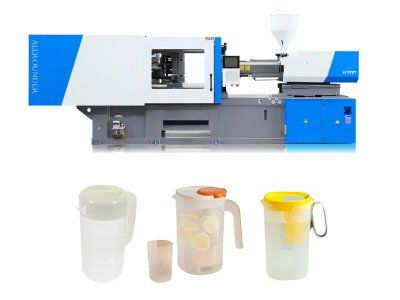
Post – Processing
Trimming and Finishing
Ejecting, trimming, and finishing are surface finishing procedures for plastic kettles. During these processes, aesthetic and surface qualities are achieved for the kettles.
Quality Control
To guarantee maximum safety and efficacy, each plastic kettle undergoes comprehensive quality control measures.
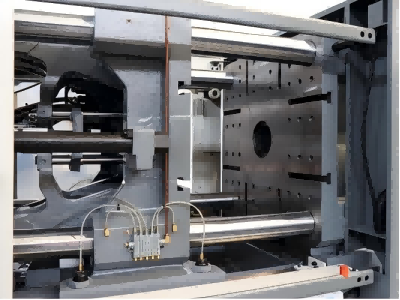
Defect Analysis and HAICHEN Solutions
Strategies for Common Kettle Defects:
| Defect Type | Cause | HAICHEN Solution |
| Insufficient filling | Insufficient material temperature/poor venting | Increase melt temperature to 265°C and optimize mold venting |
| Flash | Insufficient clamping force | 150 tons clamping force (HCE120) + low-pressure mold protection |
| Silver streaks | Excessive material moisture content | Closed-loop drying system + real-time humidity monitoring |

Following the best practices and focusing on material selection and mold creation, the injection molding procedure, and the required post-processing steps provides the manufacturer with best and consistent results.