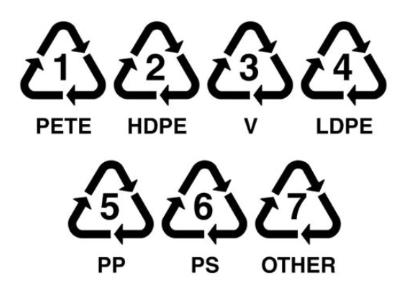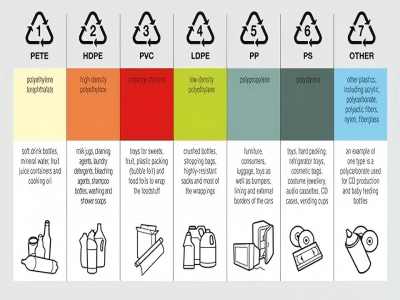
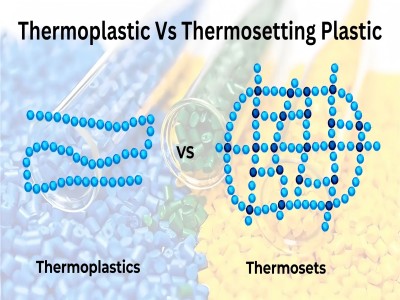
The 2 main types of plastic are Thermoplastics and Thermosetting Plastics.
Thermoplastics
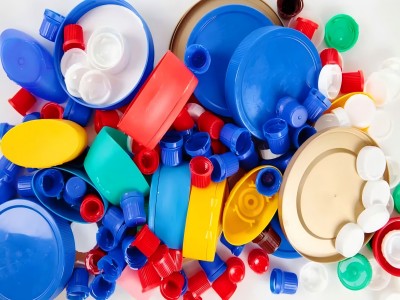
Thermoplastics are materials that become pliable or moldable above a specific temperature and return to a solid state upon cooling. This process is reversible, meaning manufacturers can heat and reshape thermoplastics multiple times.
Characteristics of the 2 main types of plastic:
Molecular Structure: Thermoplastics are composed of long polymer chains that are held together by weak intermolecular forces (such as van der Waals forces).Heat can overcome these forces, allowing the material to flow and be reshaped.
Recyclability: Manufacturers can recycle most thermoplastics by melting and reforming them into new products.
Mechanical Properties: They generally have good flexibility and toughness. However, their mechanical properties can degrade with repeated heating and cooling cycles.
Common Examples of 2 main types of plastic:
Polyethylene (PE): Used in packaging films, bottles, and containers.
Polypropylene (PP): Used in automotive parts, textiles, and food containers.
Polyvinyl Chloride (PVC): Used in pipes, flooring, and window frames.
Polystyrene (PS): Used in disposable cutlery, foam packaging, and insulation materials.
Polyethylene Terephthalate (PET): Used in beverage bottles and food packaging.
Nylon (Polyamide): Used in textiles, automotive parts, and consumer electronics.
Acrylic (PMMA): Used in windows, lenses, and decorative items.
Applications of Thermoplastics:
Thermoplastics are widely used in consumer products, automotive parts, electronics, packaging, and construction due to their versatility and ease of processing.
Thermosetting Plastics (Thermosets)
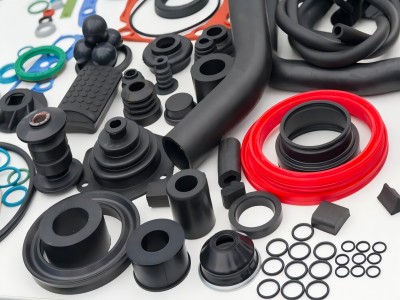
Thermosetting plastics undergo an irreversible chemical reaction during processing, forming a three-dimensional network structure. Once set, they cannot be remelted or reshaped.
Characteristics:
Molecular Structure: Thermosets are composed of polymer chains that are cross-linked by covalent bonds. This creates a rigid, three-dimensional network that gives the material its strength and stability.
Recyclability: Thermosets are generally not recyclable in the same way as thermoplastics. They cannot be melted and reshaped. However, manufacturers can grind some into powders for use as fillers in other materials.
Mechanical Properties: Thermosets are typically stronger, more rigid, and more resistant to heat and chemicals compared to thermoplastics.
Common Examples:
Epoxy Resins: Used in adhesives, coatings, and composite materials.
Phenolic Resins: Used in electrical insulators, automotive parts, and molded products.
Polyurethane: Used in foams, elastomers, and coatings.
Melamine Formaldehyde: Used in kitchenware, laminates, and electrical components.
Bakelite: An early thermoset plastic used in electrical insulators and consumer products.
Applications:
Manufacturers commonly use them in automotive parts, electrical components, construction materials, and composite structures.
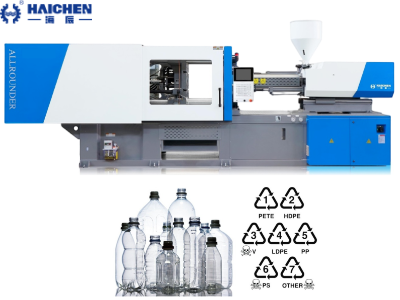
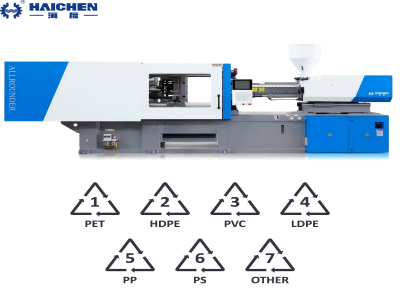
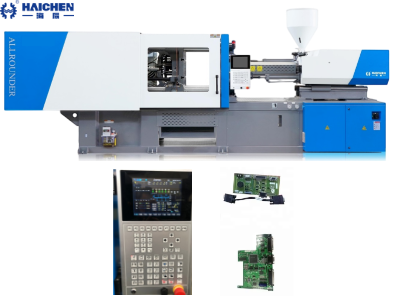
Haichen injection molding machine
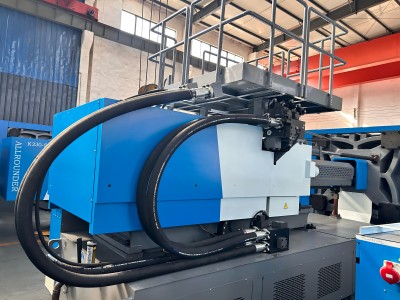
Haichen is a well-known manufacturer of injection molding machines, based in China. The company produces a wide range of injection molding machines that cater to various industries, including automotive, electronics, packaging, medical devices, and consumer goods.
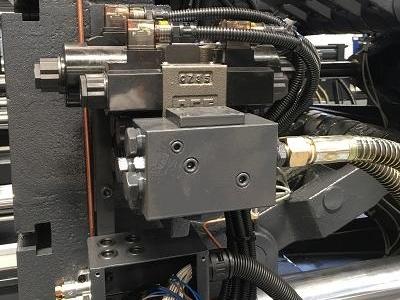
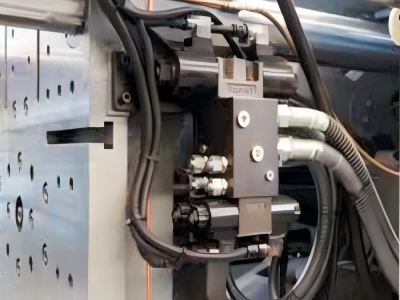
And Haichen machines are designed to deliver consistent and precise molding performance, ensuring high-quality products.Robust construction and advanced control systems minimize variations during production.