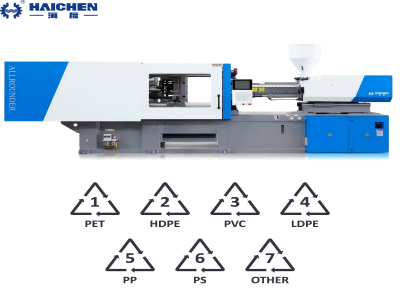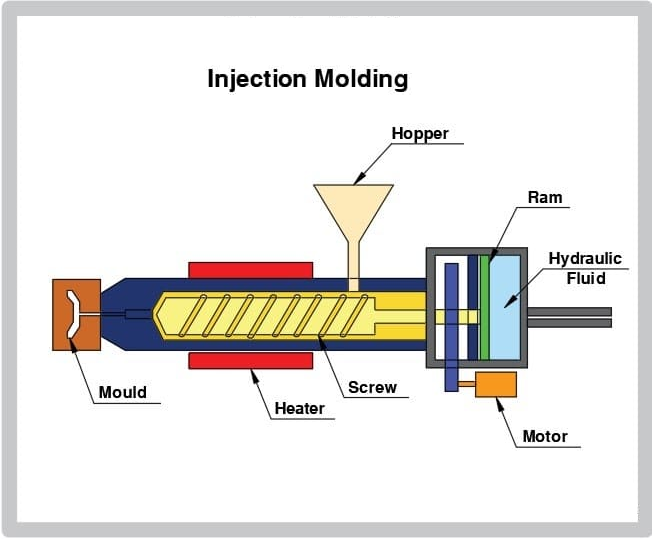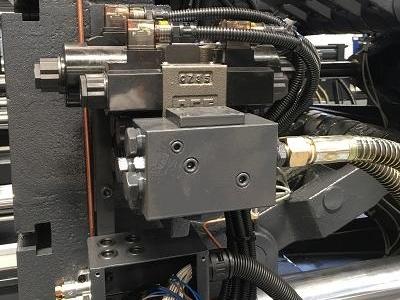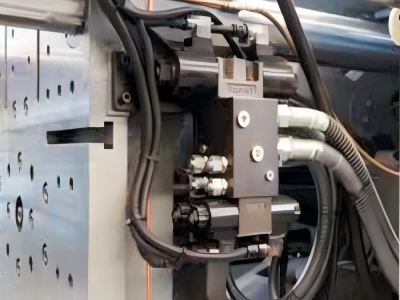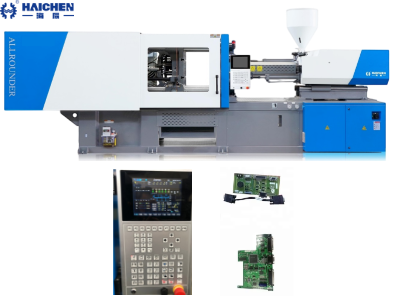
PLA vs PP Injection Molding: PLA is biodegradable and suitable for sustainable packaging, while PP is durable for high-temperature.
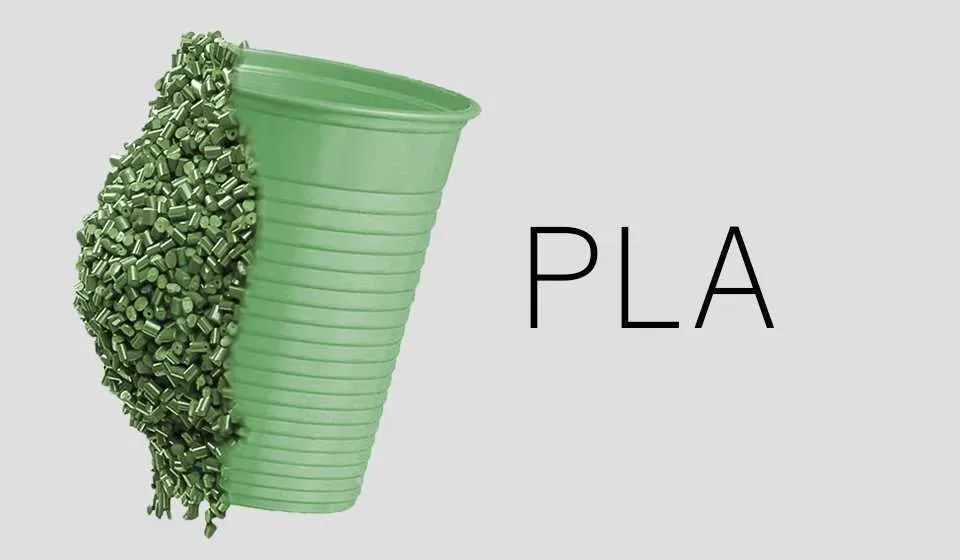
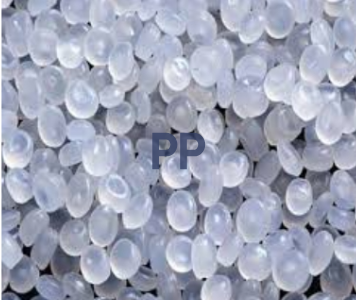
Choosing the right design feature for the plastic part is one of the most crucial aspects in meeting the performance expectations of a product when materials are injected molded.
In industry, PP and PLA both have their unique scope of applications. However, their features are quite distinct which is the reason as to why they cannot be used interchangeably.
PLA is Polylactic Acid, which is classified as a thermoplastic aliphatic polyester. As compared to normal plastics, this type of polyester is derived from renewable sources and is hence, biodegradable, unlike any fossil fuels. Due to the immense clarity of PLA, it is a popular packaging material in the food industry as well. Furthermore, PLA works best in situations where the temperature does not exceed 150 to 160 degrees Celsius.
Polypropylene, or PP, is a moderately elastic and tough thermoplastic. Being one of the most widely utilized types of plastic, it has a melting point ranging between 200 to 240 degrees Celsius. Due to these properties, PP can be found in automobile parts or even food containers. Having the ability to withstand harsh chemicals and heat, medical equipment is also made out of PP. Although it is renewable and biodegradable, PLA and PP’s ability to endure multiple harsh conditions makes PP far more superior.
Considering substitute materials enables optimization in the production processes and helps enhance the overall product quality.
Material Composition and Properties
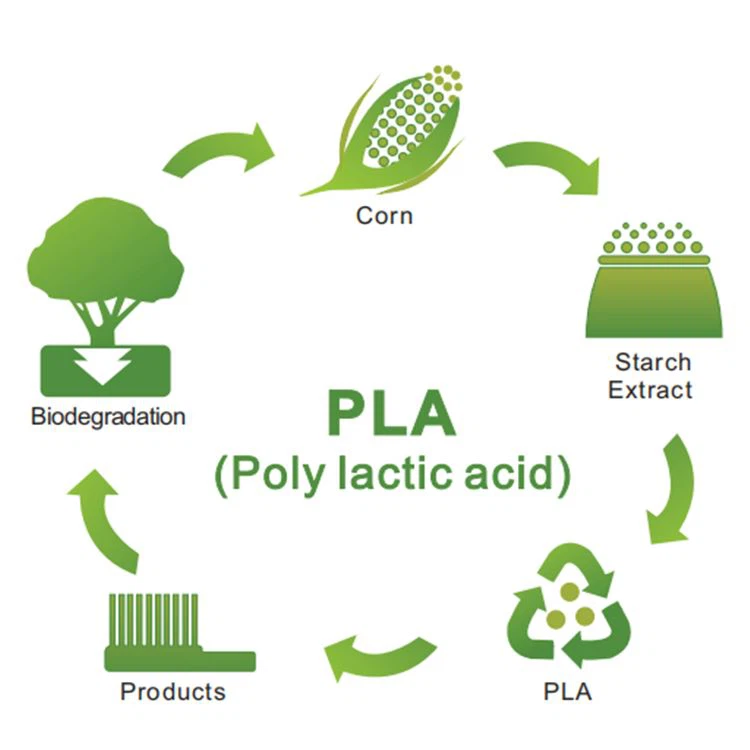
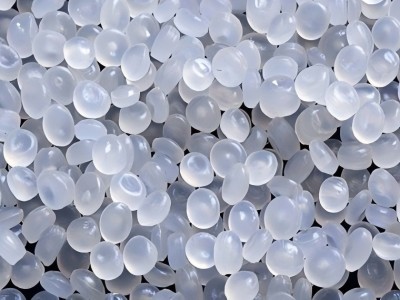
Polylactic Acid (PLA) is a type of biodegradable thermoplastic made from renewable resources like corn starch and sugarcane. It is well-known for being friendly to the environment and is used in places where sustainability is important. Some distinct properties of PLA include:
- Biodegradability: PLA breaks down naturally over time.
- Clarity: PLA has good transparency.
- Ease of processing: PLA has a relatively low melting temperature, which makes it easier to process and consumes less energy during injection molding.
- Strength: Although PLA is not as strong as some other plastics, it possesses adequate mechanical properties for many applications.
Polypropylene (PP) is a good example of a polymer and a thermoplastic as it can be easily molded multiple times. PP is common in many fields due to its reasonably cheap price and high durability. Its major features are:
- Durability: PP has high strength and wears, lasting it long period of time.
- Chemical Resistance: Polypropylene has remarkable resistance to ethanol, acids, bases, and solvents which is advantageous when using in harsh environments.
- Flexibility: Depending upon the range of its formulation, Polypropylene can be flexible or rigid, thus giving him multiple applications.
- Heat Resistance: Since PP has a higher melting point than PLA, it is more suited for applications that expose the material to higher temperatures.
Applications
Where there is a need for subtle sustainability and biodegradability,Bios Polymers are applied. Some of them are:
- Packaging: PLA works well in food packing, disposable cutlery, and containers. For example, most companies in Thailand now adopting using PLA for Single-Use-Cutlery. And Food-Containers because there is growing economy friendly practices in the region.
- Consumer Goods: Toys, electronic, and 3D printing filaments have PLA as part of their polymers. In consumer electronics, PLA is being embraced because it provides alternative sustainabilty compared to other materials used.
- Medical Devices: Because of its biocompatibility, PLA is applied in medical devices and implants. This PSA exercises permitement considerations for patients which shows a marked shift in surgical implants and instruments.
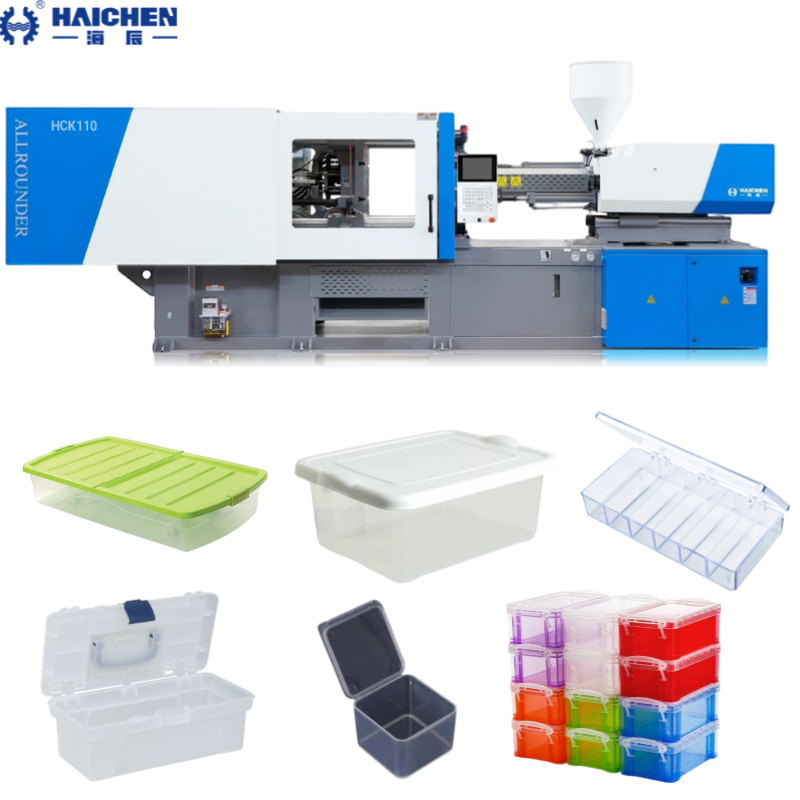
These are some examples where PP is largely utilized on applications requiring high strength, durability, and chemical resistance.
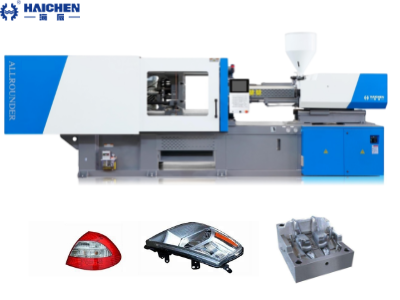
- Automotive Parts: Car interiors, PP bumpers, and other parts made of PP are expected becuase of the strength and durability offered. Thailand’s automotive sector is one of the most demanding in terms of PP usage due to the material’s strength and cost-effectiveness, making it an industry favorite.
- Household Goods CAP : Appliances, desk and kitchen with PP are made. Its versatility and resistance to wear make it a popular choice for products that need to withstand daily use.
- Industrial Components: PP is used in pipes, valves, and other industrial parts due to its chemical resistance. This makes it an ideal material for manufacturing components that will be exposed to harsh chemicals and environments.
PLA vs PP Injection Molding: Processing Considerations
Each of the plastics, PLA and PP, have unique processing requirements with respect to injection molding.
- PLA: As noted, its lower melting temperature entails that precision has to be observed in temperature control during the injection molding cycle to avert degradation. PLA is also more moisture sensitive than PP which means appropriate drying is needed before processing. For instance, PLA’s drying temperature at around 40-60°C for some hours to ensure moisture removal is indeed required helps avert splay or voids in the end product. Moreover, the injection molding temperature for PLA is typically in the range of 180-220°C. This is also lower than that of PP. The advantage here is that energy consumption during the molding process can be lowered.
- PP: PP is stronger as the melting temperature increases because it has higher energy requirements for processing. It is also less moisture sensitive which makes processing easier in humid environments. The melting temperature for PP is typically around 200-260°C which means the molding process requires higher energy input. In any case, however, PP is more forgiving than PLA’s restrictions because higher humidity will be advantageous.
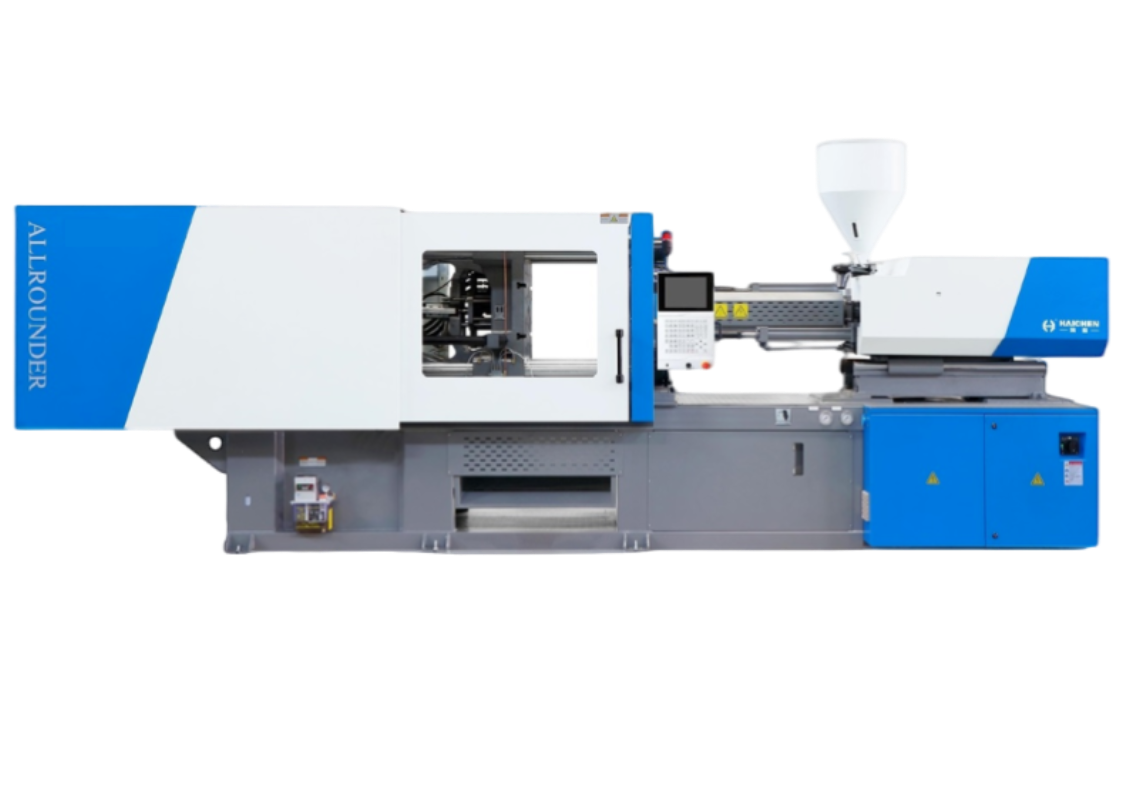
Advanced Solutions for PLA and PP Injection Molding Machines’ Manufacturers
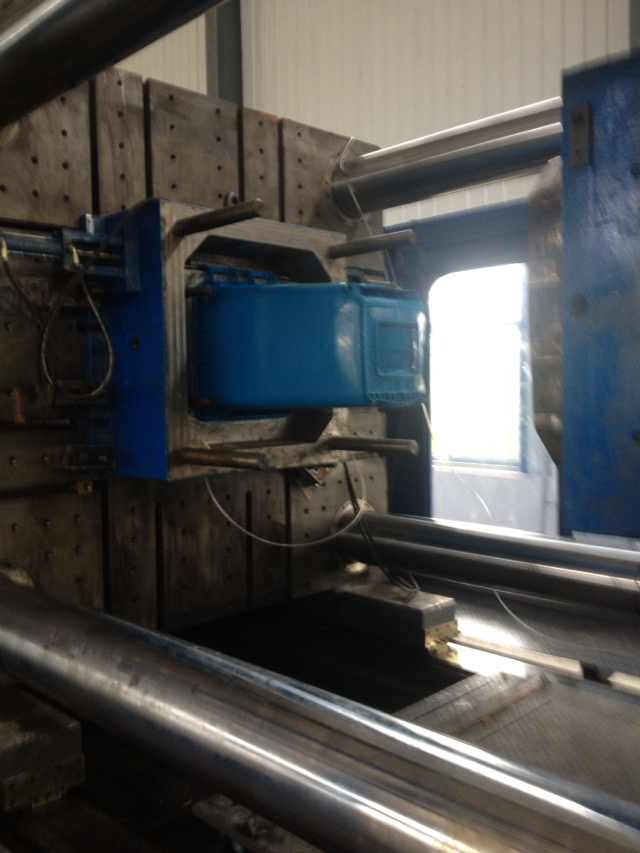
HAICHEN specializes in country-specific energy-saving proposals and tech solutions for PLA and PP with custom-fit requirements.
Our products are guaranteed to meet the required processing conditions for every material through optimized. And accurate softening temperature controlling and energy conserving systems.
Regardless of material, HAICHEN’s machines provide quality production standards through adaptive materials for needs flexible with high standards met with rigorous control systems.
HAICHEN is the best partner that provides useful and technically sophisticated. Dependable machines tailored for acceleration of efficient production alongside enduring full support for training and technical guidance designed for Thailand’s manufacturers.
Environmental Investigation
Manufacturers also need to ensure the ecological concern for other types of PLA and PP is taken into consideration.
PLA: PLA comes from renewable raw substances which allows it to be less harsh on the environment when compared to regular plastics while needing no doing special treatments to be safely discarded.
PP: As harsh as PP seems, if managed properly in the hands of proficient recyclers. The materials used can lessen the negative impact it has on the environment.
For informed decision making in injection molding, understanding the differences of PLA and PP is vital. PLA is best used for as a raw material for processes where environment impact is fundamental. PP, on the other hand, provides high strength and durability, making it ideal for applications that require long-term use and chemical resistance.