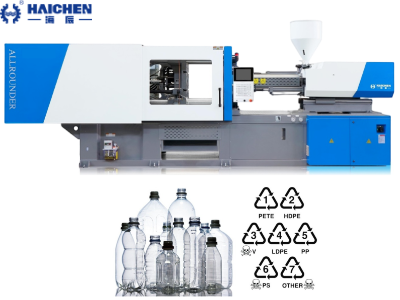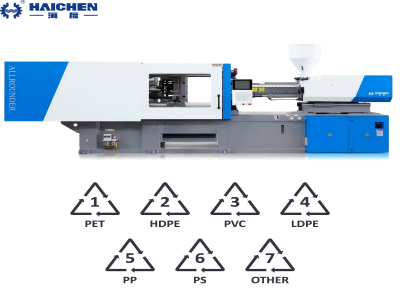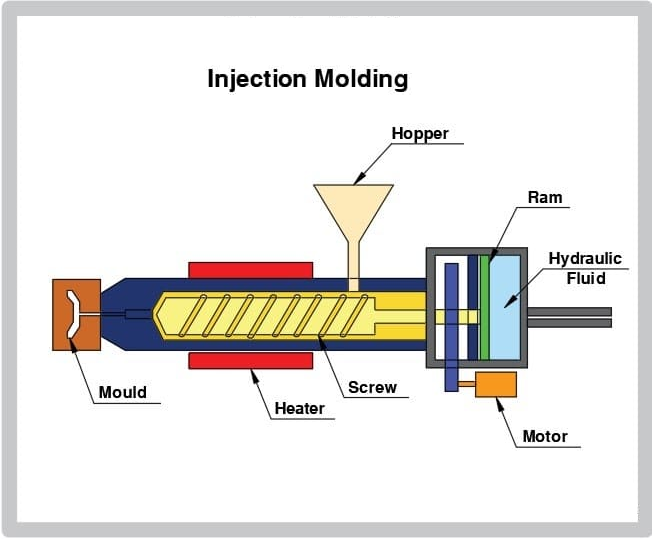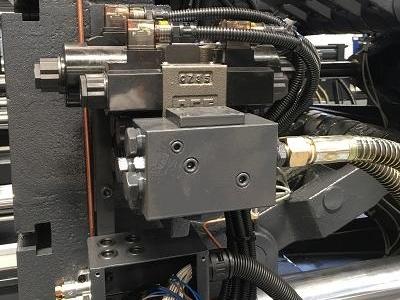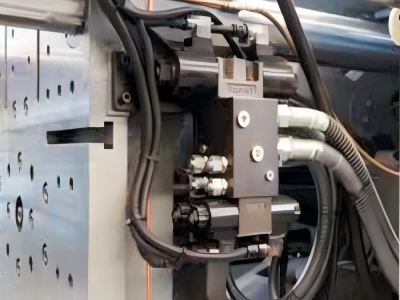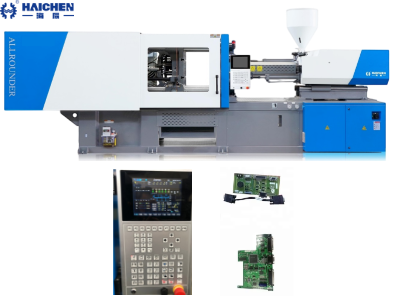
The components of injection molding machine include the clamping unit, injection unit, hydraulic system, control system, and ejection system.
Injection molding machines have transformed the manufacture of plastic products by automating processes with high efficiency and accuracy. More than ‘conveniences’, they serve as vital ‘industrial partners’. While we acknowledge the importance of such machinery in our lives today, are you familiar with the internal workings and components that make up an injection molding machine? Well, today is your lucky day because we will explore the workings of an injection molding machine.
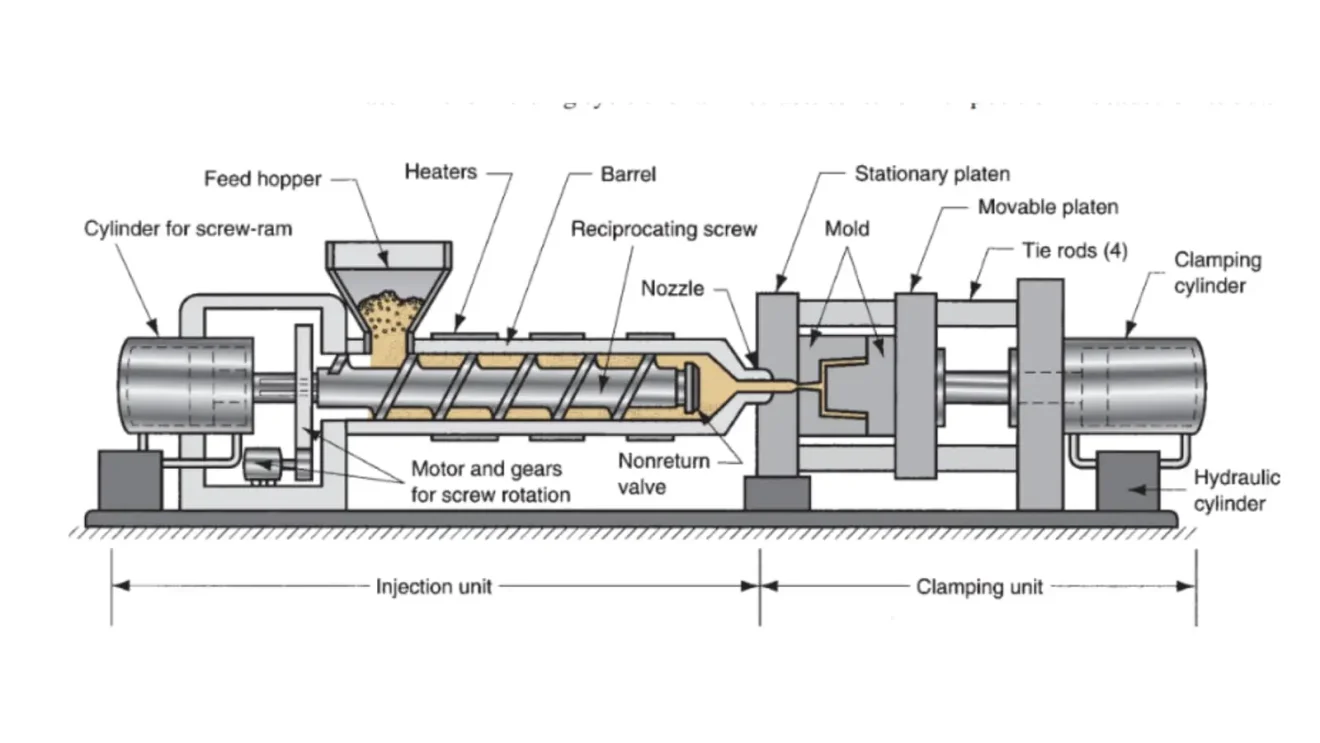
The primary cross-sectional features of an injection molding machine include: an injection unit (barrel, screw, and nozzle) for plastic material melting and injection; the mold clamping unit for mold holding, opening, and closing; hydraulic or electric motor units for power; central supervisory integrated control system (mostly computer based) for monitoring, parameter adjusting along, and machine supervision; automatic safeguards and safety measures.
What are the Major Components of Plastic Injection Moulding Machine?
Understanding Injection Molding Machine Components: A Detailed Breakdown
A plastic injection moulding machine consists of several essential components that work together to ensure efficient and precise production.
The clamping unit designed to contain the mold while applying force during its closure to injects reinforce fasten the cavity heavily under high pressure;
The injection unit in charge of plastic loading and plunging or heating to make molten then replacing it in the cavity.
The hydraulic system in charge of movement to the clamping and injection units driving of those system actuators.
The mould, which shapes the plastic into the desired part; the ejection system, which removes the finished part from the mould;
And the control system, which manages the entire process.
Understanding these components is crucial for optimizing machine performance and maintaining high-quality production.
How Many Components Does an Injection Molding Machine Have?
An injection molding machine has several components based on:
- Design by the manufacturer (standard or customized models)
- Tonnage capacity (small and large)
- Additional automation and energy-saving functions
Consider the following:
There are approximately 500 part types (over 1300 parts are individually injected) for a HAICHEN 160-ton injection molding machine.
A 1,000-ton model contains approximately 700 part types (over 1500 parts are individually injected).
These stir the part counts; extra mold opening parts such as the voltage stabilizers for Africa and transformers for non-380V regions.
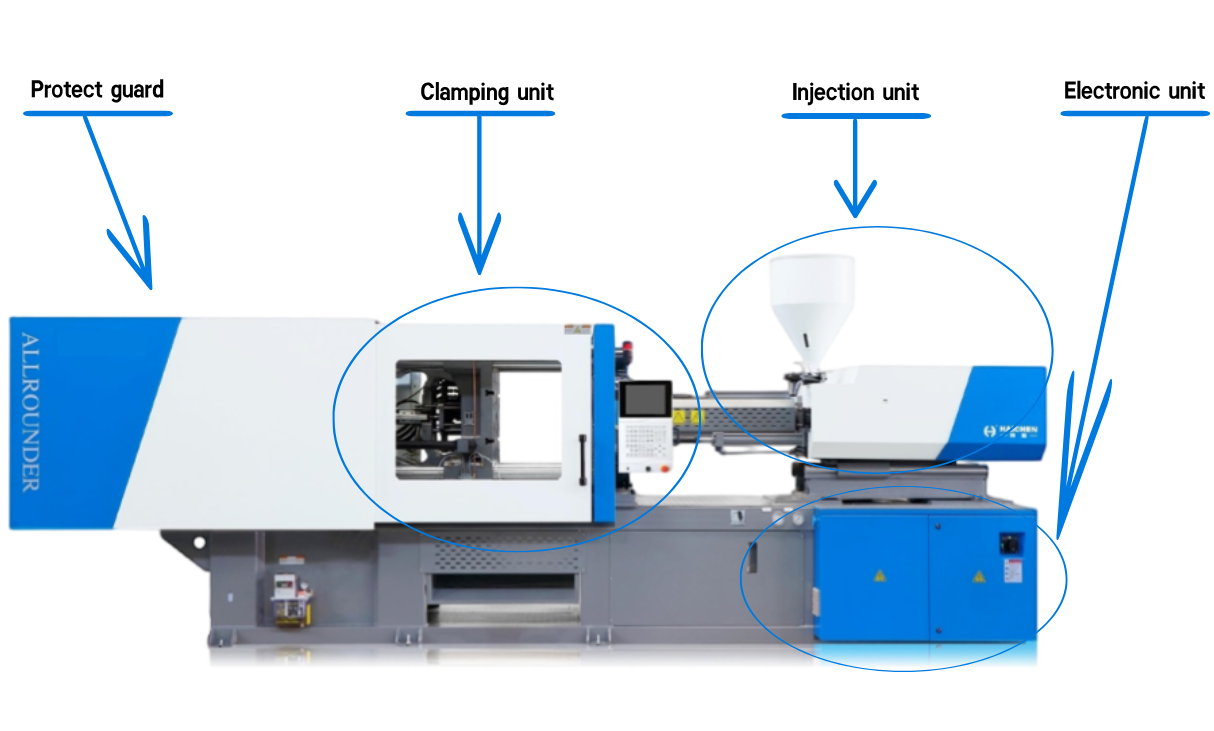
Key Injection Molding Machine Components
- Injection Unit Components
- Clamping Unit Components
- Hydraulic System Components
- Protection & Control Systems
Injection Unit Components
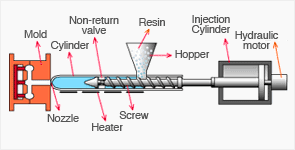
Hydraulic Motor (or servo powered for electric models)
Screw and barrel assembly (injects and fuses the plastic)
Heating elements & thermometers (control temperatures accurately)
Ring plunger & cooling system (supports smooth and uninterrupted material supply)
Clamping Unit Components
Clamping platens (supports the mold)
Toggle mechanism or tie bars (fonrce applyed for swinging open/closure)
Mold adjusting and ejecting (executes removal procedures for manufactured components)
Hydraulic System Components
Hydraulic oil tank, filtration systems and cooling mechanism (used to store oil)
Pipelines, hoses and other fittings (insure correct pressure is maintained)
Protection & Control Systems
Metal sheeting & guide rails (framework)
Detect sensors (for monitoring safety)
Plc control with the switchboard (control parameters and electricity)
Automatic lubrication system
Injection system : the brain of the injection molding machine
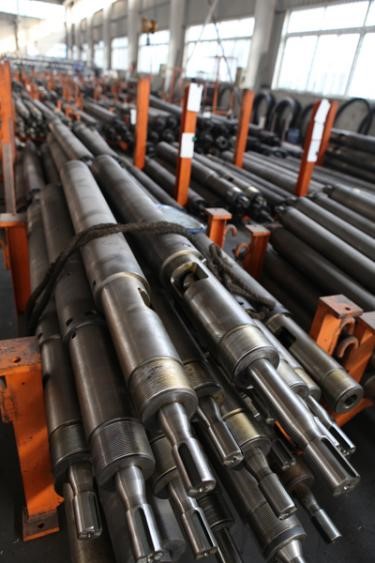
The most important section of the injection molding machine is the injection mechanism. The most crucial function is to melt or heat the raw materials (either granules or powder) and insert them into the mold cavity with considerable pressure. Another the most critical part of a machine is:
- Barrel: Container used for receiving and heating the plastic feed stock. Typically, there is a heating ring placed along the barrel so that the plastic feedstock is sufficiently heated to a molten state prior to being introduced into the screw.
- Screw: The screw functions as both the “agitator” and the injection device. It single-handedly pushes the molten plastic forward and is also the mixing and homogenous agent of the plastic.
- Injection piston or injection plunger: These two act as the primary contributors for injecting the molten plastic into the mold. They also, using immense pressure, inject the molten plastic into the molds swiftly and accurately.
Clamping system: Keep the mold stable
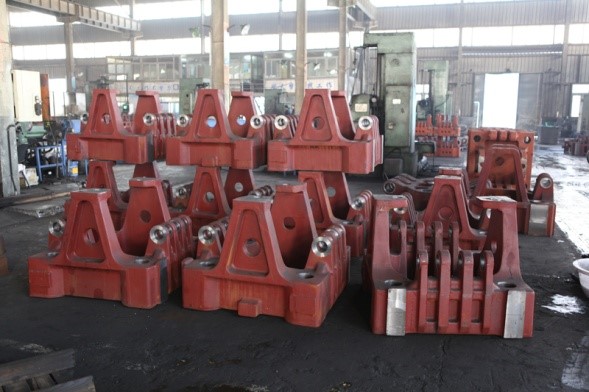
This is the part of the machine called clamping system which serves the purpose opening and closing of the mold along with creating and maintaining sufficiency of pressure for the plastic to form evenly in the cavity. The system includes:
- Clamping device: This part is the powered part of a clamping system which is typically hydraulic or electric so that the mold can be opened and closed.
- Mold plate: The mold plate is a component which helps in supporting balance of mold and also keeps it intact during the process known as injection molding.
- Tie rod: The purpose of the tie rod is so that the mold can be closed uniformly along with prevention of deformation of the mold at higher temperature and pressure which leads to high stress.
Hydraulic system: the source of power
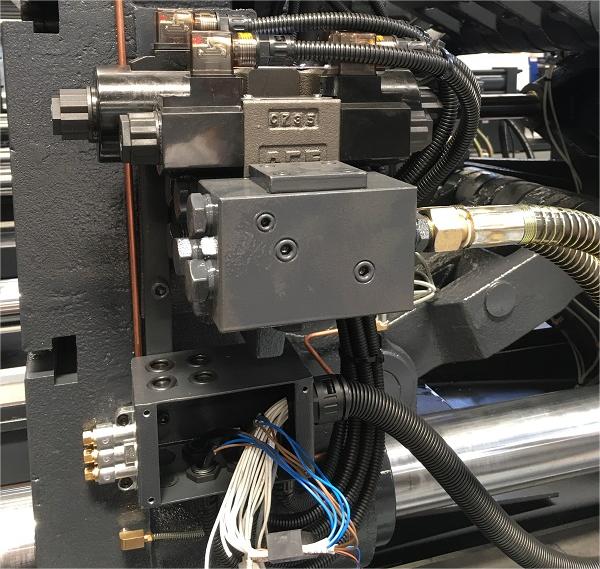
Furthermore, the components which form the hydraulic system such as pumps, valves, cylinders, and others supply and control the injection molding machine with the power needed. These components work together to ensure that each action of the injection molding machine can be performed smoothly and accurately.
Pumps
The heart of the system is the hydraulic pump. It is responsible for providing the flow of hydraulic fluid. Different types of gear and piston pumps are used in injection molding machines.
Valves
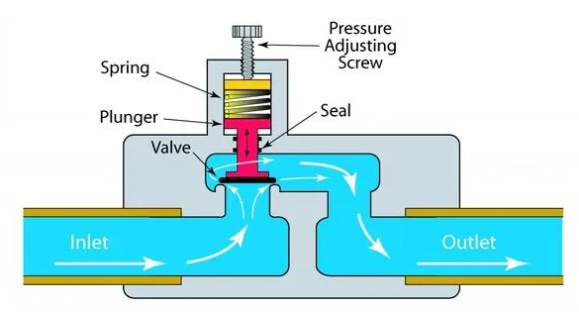
As with any hydraulic system, valves are essential in controlling the direction, pressure, and flow rate of the hydraulic fluid. There are various types of valves used in the hydraulic system of an injection molding machine.
- Directional control valves: serve to control the direction of the fluid to different parts of the system. As an example, these valves can send fluid either to the injection unit or to the mold clamping unit.
- Pressure control valves: control the pressure in the system. They ensure that the hydraulic fluid is kept at the right operational pressure for each step of the process. This is critical because in the processes in the injection molding cycle like injection and mold clamping, different pressure levels are needed.
- Flow control valves: adjust the flow of fluid which controls the speed at which the actuators move. For example, the speed at which the mold closes or the screw turning injection speed can be controlled.
Cylinders
Hydraulic cylinders are used to convert the hydraulic energy into mechanical energy. They are essentially linear actuators that provide the force needed for various operations in the injection molding machine.
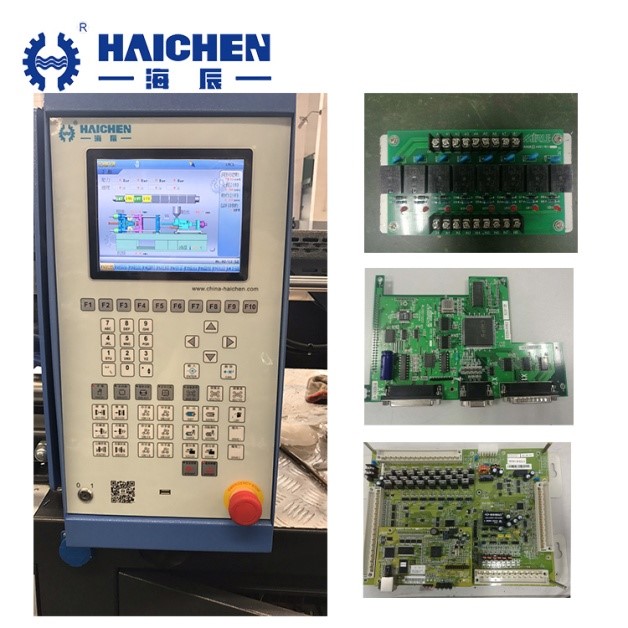
Electrical control system: intelligent brain
The control unit corresponds with the “brain” of the injection molding machine. It operates all actions and controls the parameters such as temperature, pressure, speed, and many more. The operator through the operation panel can effortlessly set or monitor the working state of the machine.
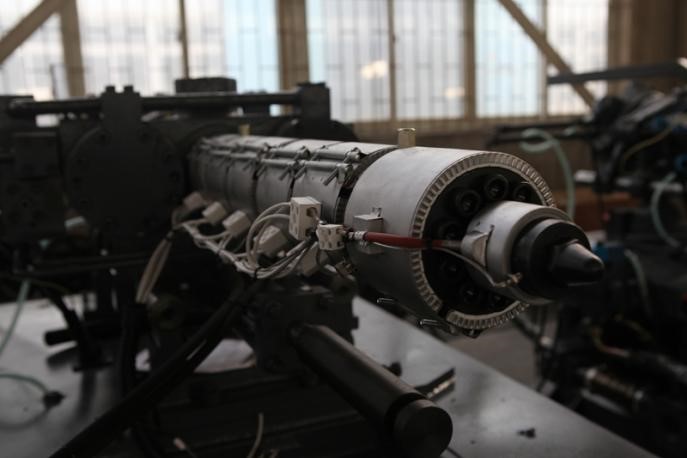
Heating and cooling system: temperature regulator
This unit regulates and controls the temperature of the barrel and mold to ensure that thesplastic neither melts nor solidifies at the incorrect temperature. Typical components of this system include heating coils and cooling water circuits.
Safety device: protecting the safety of operators
This device is a must have component of injection molding machine. Additional features such as emergency stop button, safety door, etc., which protect the user by enabling the operator to stop the machine in cases of danger during the operation of the machine, all fall under the umbrella of the safety device.
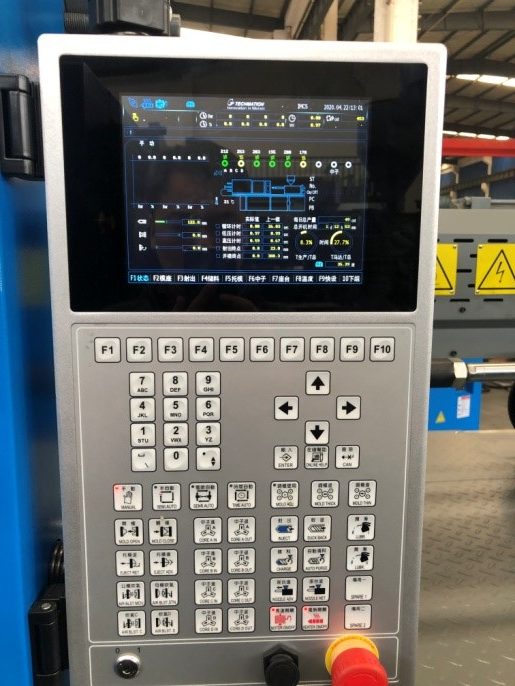
Operation panel: the window of operators
Operation panel or tablets of controllers as we cal them is the format through which the operators interacts with the machine. Operators use the panel o set parameters, keep check on the monitoring state by indicators of serviceable condition of the injection molding machine, and conduct self-test fault detection.
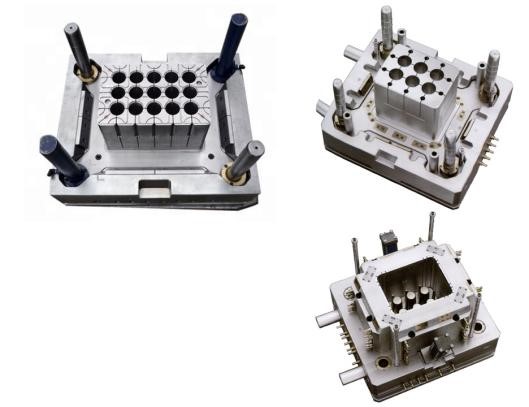
Mold: Shape the plastic product
Although the mold is not a component of the injection molding machine, it plays a vital role in the injection molding process. The design of the mold determines the shape and size of the plastic product and is the basis for the work of the injection molding machine.
Auxiliary equipment: a good helper in the injection molding process
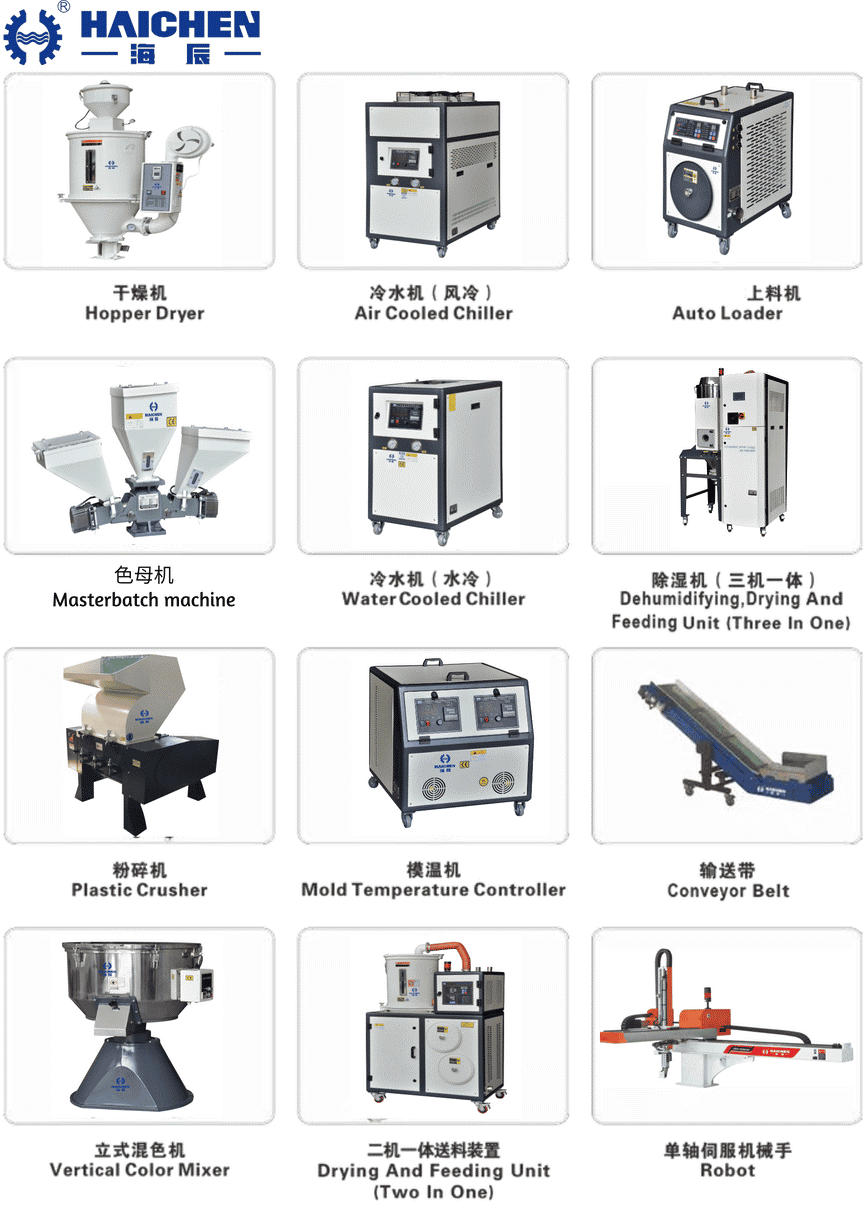
Just like a crucial part of the injection molding machine, dryers, crushers, and manipulators play notable roles in the injecting molding process. Such auxiliary tools improve production efficiency as well as product quality.
Do you understand more about the usages of an injection molding machine? As it seems, every part of the machine is vital and works in unison for us to acquire numerous top-standard products made of plastic. Next time you hold a plastic item, ponder about a precision injection molding machine, which runs silently, meticulously carving wonders for us.
Component Interdependence: A Seamless Workflow
| Stage | Key Systems Involved |
| Clamping | Hydraulic cylinders → Toggle mechanism → Tie bars |
| Injection | Hopper → Screw rotation (motor-driven) → Nozzle (temp-controlled) |
| Cooling | Mold channels → MTUs → PID controllers |
| Ejection | Ejector pins (hydraulic) → Sensors → PLC |
Key Components of Injection Molding Machines: A Focus on HAICHEN Molding Machines
HAICHEN,, which expertly develops the mechanical parts of an injection molding machine, also specializes in building custom parts for various types of injection molding systems. Our diverse offerings feature advanced clamping and dependable hydraulic systems, efficient injection units, as well as a range of molds crafted to augment efficiency and maintain high, uniform quality in parts production. HAICHEN is an undoubtable leader in the field of injection molding machine components renowned for their innovative products and dedication to fulfilling customer expectations.