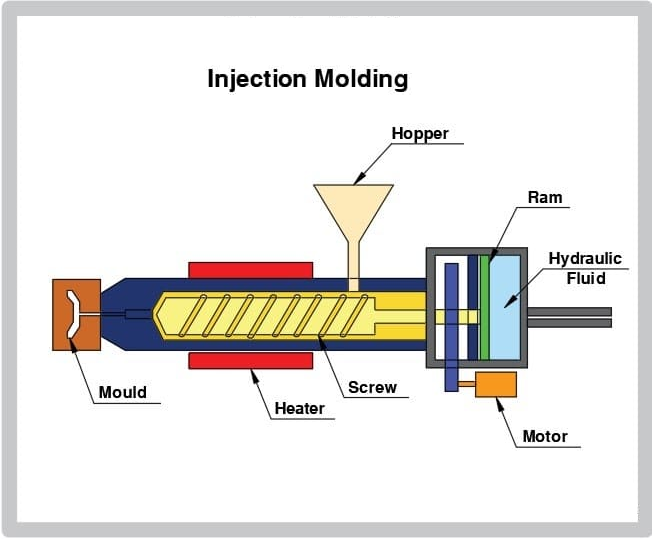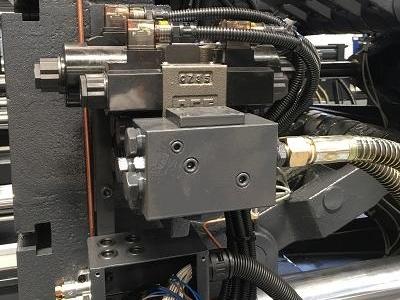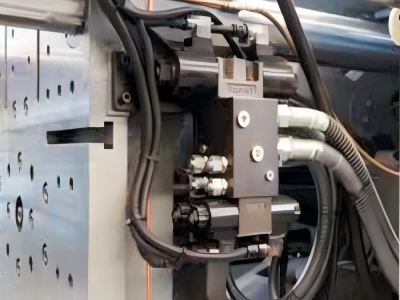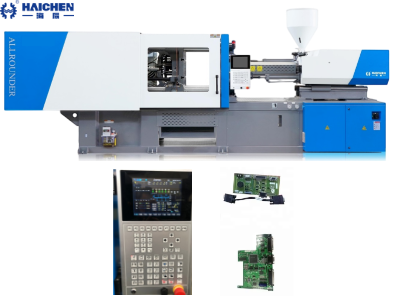
The types of hydraulic pumps used in injection molding machines includes fixed displacement pumps, servo hydraulic pumps, and AC servo motor driven pumps, among others.
The hydraulic pump of an injection molding machine is the ‘heart’ of the hydraulic system, enabling the partition of the machine to be driven by the pump via the conversion of mechanical to hydraulic energy. Variable displacement and servo pump technologies are gradually replacing fixed displacement pumps, and becoming the new mainstream energy saving solution by achieving a balance between high-pressure efficiency and energy consumption. The essence of this technological advancement is to achieve system optimization for energy savings. The hydraulic pumps in injection molding machines are some of the most advanced in technology.
The types of drives and hydraulic pumps in the machine are important to its efficiency and performance. To put the information into context, the following summarizes some of the most common hydraulic pumps and their characteristics. Fixed displacement and servo hydraulic pumps, AC Servo motor driven hydraulic pumps, Variable hydraulic pumps, and Electro-hydraulic Proportional Variable Radial Piston pumps.
Fixed displacement hydraulic pump
A fixed displacement hydraulic pump is a traditional type of hydraulic pump. With a fixed output flow rate, the fixed displacement hydraulic pump which is usually inversely proportional to the pressure.
This type of pump is often used in the hydraulic system of an injection molding machine, but there is a certain overflow loss problem, which may not be ideal, especially in situations where high-precision control is required.
Basic Definition and Core Characteristics
Non-adjustable displacement: A fixed-displacement pump’s displacement (volume of fluid delivered per revolution) cannot be adjusted structurally; the output flow rate depends solely on the drive speed.
Main Types
- Gear Pumps: All have fixed displacement: Due to geometric limitations, gear pump displacement cannot be varied.
- Vane Pumps: Fixed Displacement Types
- Piston Pumps: Fixed displacement designs exist.
- Screw Pumps: Fixed displacement characteristics: Fluid is transported through intermeshing twin screws, resulting in a linear output flow rate.
Applicable Scenarios
- Fixed Operations: Suitable for applications requiring repetitive, stable flow rates (such as continuous injection molding machines), offering lower costs.
- Energy Saving Limitations: Excess flow returns to the tank via the overflow valve, potentially increasing system heat.
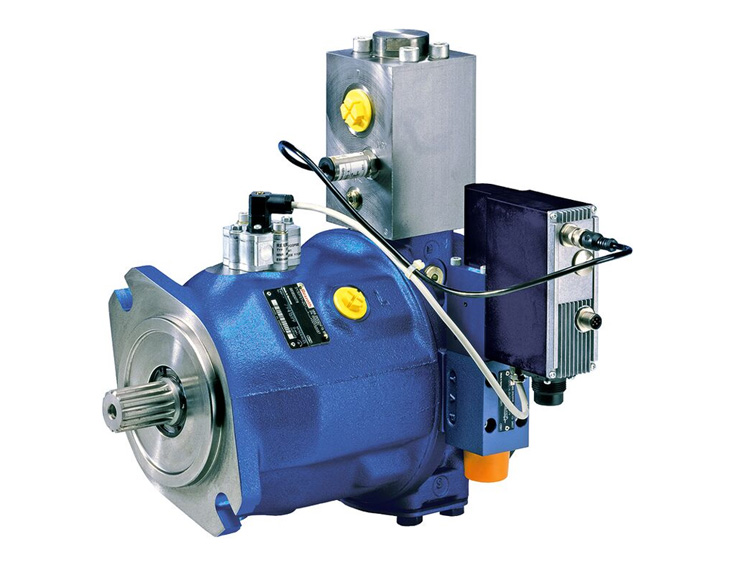
Injection molding hydraulic pumps types: Servo hydraulic pump
The servo hydraulic pump is driven by a servo motor and has higher dynamic response capabilities and pressure control accuracy.
Moreover, the servo hydraulic pump system can achieve decoupled control of flow and pressure. Thereby improving the tracking effect and control accuracy of different process steps in the injection molding cycle.
In addition, the servo hydraulic pump also supports load-sensitive control, which can adjust the output flow rate according to load changes, further improving the energy-saving effect.
Definition
Servo hydraulic pumps (also called frequency control or RPM control pumps) are one of three main hydraulic pump designs for injection molding machines, alongside variable displacement pumps (piston pumps) and constant displacement pumps.
Divided into three categories
- Servo hydraulic pumps: Use a servo motor to precisely adjust the pump’s speed and flow rate, delivering on-demand oil supply with minimal energy consumption.
- Variable displacement pumps (piston pumps): Adjust flow rate by varying the pump’s displacement, offering moderate energy consumption.
- Fixed displacement pumps: Produce a constant flow rate, with pressure regulated by a relief valve, resulting in the highest energy consumption.
Key Performance Advantages
- Energy-saving and Highly Efficient: Oil is supplied only when needed, eliminating overflow losses. This reduces energy consumption by 70% compared to traditional hydraulic presses and is more efficient than variable displacement pump systems.
- Precision Control: The servo system provides closed-loop feedback control of pressure and flow, offering high repeatability and suitability for precision applications such as thin-wall injection molding (0.3–0.8mm).
- Low Noise and Environmentally Friendly: Operating noise levels are significantly reduced (described as “much quieter”), reducing noise pollution in the workshop.
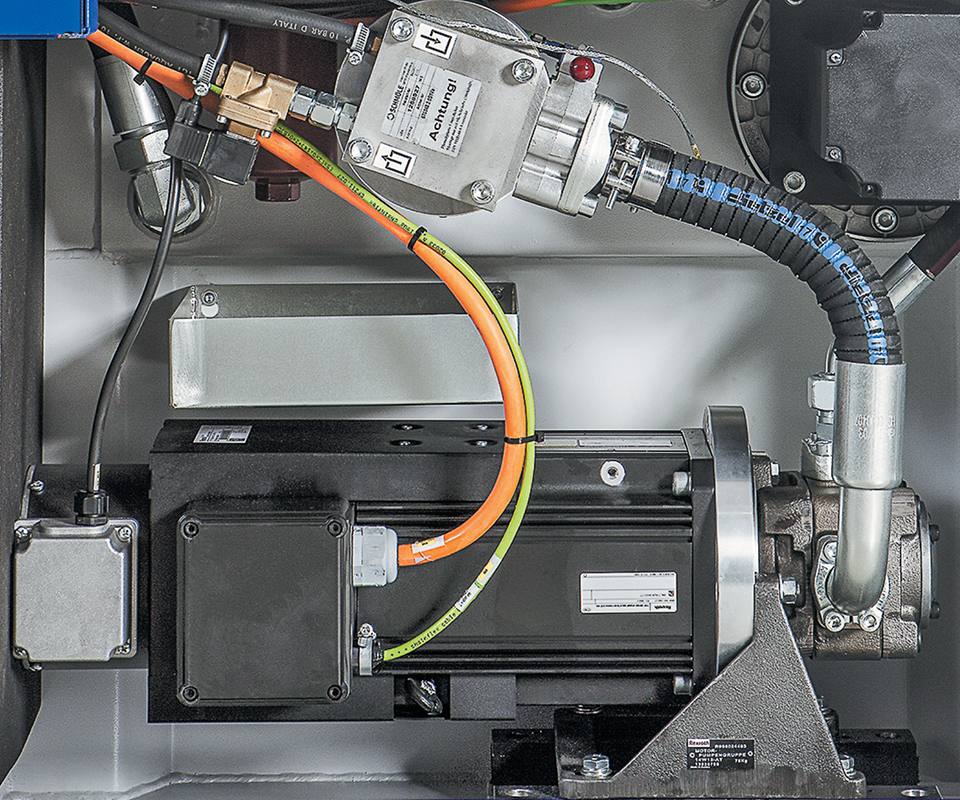
AC servo motor driven hydraulic pump
This type of hydraulic pump combines the high-efficiency and energy-saving characteristics of the AC servo motor.
It can significantly reduce energy consumption and improve the overall performance of the injection molding machine. Studies have shown that the AC servo motor driven hydraulic pump system exhibits excellent injection performance and energy-saving effects in injection molding.
Energy-saving and High-Efficiency
Energy consumption is over 50% lower than traditional hydraulic systems, with extremely low standby power consumption, approaching the efficiency level of all-electric injection molding machines.
High Precision and Responsiveness
Ultra-low molding speed capability (e.g., 0.1 rpm) and continuous pressure holding performance improve the molding quality of thin-walled products (0.3-0.8 mm).
Application Scenarios
- Precision injection molding: Medical devices, electronic components, and other applications requiring high repeatability (±0.3% weight error).
- Large Injection Molding Machines: Hydraulic systems offer lower costs than all-electric systems for ultra-large tonnage machines, and servo-hydraulic solutions offer a balanced balance of thrust and energy efficiency.
- Energy-Saving Retrofit: Replaces traditional three-phase asynchronous motor-driven variable displacement pump systems, significantly reducing long-term energy consumption.
Technical Principle and Structure
Drive Method: An AC servo motor directly drives a hydraulic pump (typically a variable displacement piston pump), enabling precise control of pump speed.
This allows for on-demand adjustment of hydraulic system flow and pressure, avoiding the overflow losses of traditional hydraulic systems.
Injection molding hydraulic pumps types: Variable hydraulic pumps
Definition
Variable hydraulic pumps can adjust the output flow according to actual needs, thereby optimizing the energy efficiency of the system.
For example, the swash plate axial piston variable pump is a typical variable hydraulic pump that adjusts the flow by changing the swash plate angle. It is suitable for injection molding machines that need to dynamically adjust the flow.
Main Types
- Piston Pumps: These are the most common type of variable displacement pump used in injection molding machines. They include both swash plate and bent axis designs.
- Vane Pumps: Only unbalanced vane pumps support variable displacement, using a pressure compensation mechanism to prevent overload.
- Gear Pumps: All gear pumps (external gear, internal gear, etc.) are fixed displacement pumps and cannot achieve variable displacement.
Variable Displacement Pump vs. Fixed Displacement Pump
- Fixed displacement pumps have a simple structure and low cost, but their flow rate is not adjustable and requires flow control via valves or motor speed regulation, which can lead to energy waste.
- Variable displacement pumps directly adjust displacement, offering greater energy-saving potential and are particularly well-suited for the multi-stage processes of injection molding machines.
Hydraulic vs All-Electric
- Hydraulic presses (with variable displacement pumps) offer greater power and are suitable for high-pressure, large-volume products, but their operating costs are higher than those of all-electric presses.
- Modern hybrid systems (such as servo motors + variable displacement pumps) strike a balance between energy efficiency and performance.
Electro-hydraulic proportional variable radial piston pumps
This pump combines electro-hydraulic proportional control technology, which can achieve more precise flow and pressure control through flow control valves, pressure regulating valves and load sensing valves. This system can save about 30% to 40% of energy.
Basic Structure and Operating Principle
- Radial Layout: The pistons of a radial piston pump are arranged radially perpendicular to the drive shaft. An eccentric mechanism (such as an eccentric shaft or an external eccentric ring) drives the pistons in reciprocating motion.
- Variable Control Mechanism: Displacement is varied by adjusting the eccentricity.
- Electro-hydraulic proportional control technology uses a proportional valve or servo system to dynamically adjust the eccentricity, thereby precisely controlling flow and pressure.
Practical Applications and Technological Evolution
- Injection Molding Machine Compatibility: Radial piston pumps are clearly listed as key hydraulic components in injection molding machines, particularly suitable for the injection and holding stages, which require high pressure and precise response.
- Advanced Control Technology: Innovations in electro-hydraulic proportional control systems are described, such as PID neural network algorithms, which improve dynamic response accuracy and reduce overshoot and oscillation.
These plastic injection molding machine hydraulic pump types have their own advantages and disadvantages, and the specific selection should be determined based on the performance requirements, process characteristics and energy-saving needs of the injection molding machine.
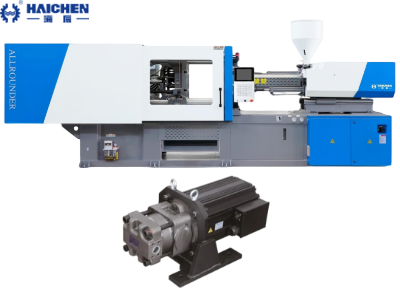
Haichen injection molding machine
Haichen is one Chinese injection molding machine manufacturer. Our servo energy saving injection molding machines quality under CE safety standards certificated.
Haichen have rich experience of producing plastic products, with successfully cases for your reference. We can supply complete production line as per customer’s specific demand.
Consider the above. You can choose a suitable plastic injection molding machine and mold to ensure product’s quality and production efficiency.