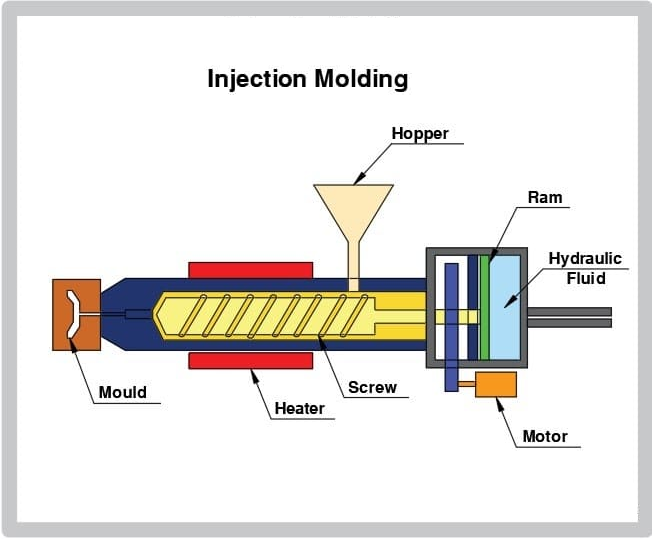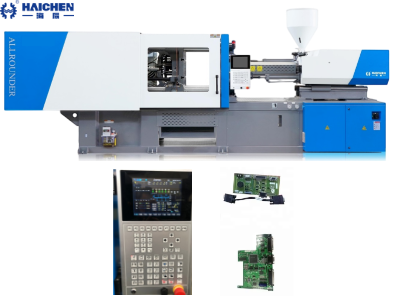
The injection molding machine screw function is to complete the transportation, melting, mixing and metering of plastics by rotating and advancing movements, so as to achieve a high-quality molding process.
The injection molding machine screw is the core component of the entire injection molding process, and its design and function directly affect the quality of plastic products, production efficiency and the stability of the equipment. Therefore, when selecting and maintaining the screw, special attention should be paid to its structural characteristics and scope of application.
The injection molding machine screw plays a critical role in the plastic injection molding process. It is a key component of the machine’s plasticizing unit.
Injection molding machine screw function
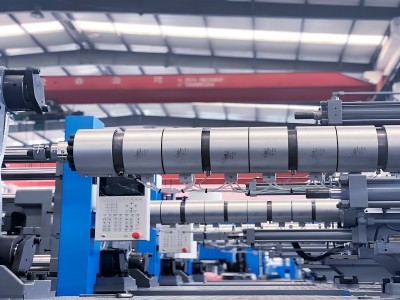
The screw in an injection molding machine plays a crucial role in the entire molding process. Here’s a detailed explanation of its functions:
- Conveying Plastic
- Molten Plastic
- Mixing of plastics
- Conveying Plastic
- Metering Plastic
- Injection into the mold
- Applying pressure
- Preventing backflow
- Adaptation to different materials
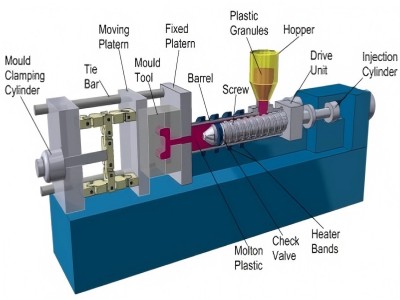
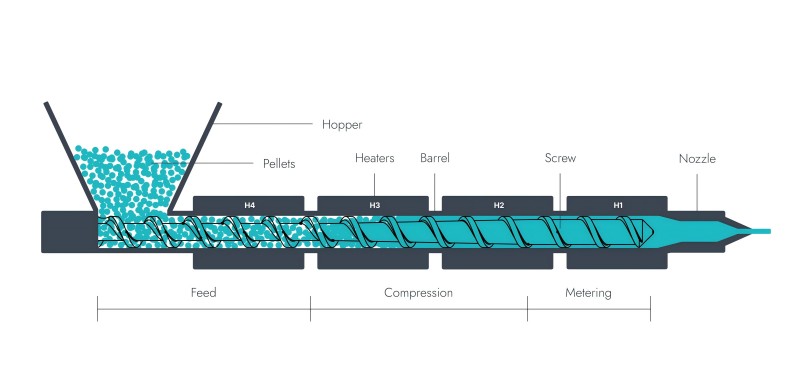
The screw conveys plastic from the hopper to the heated barrel by rotating.
This process utilizes the screw’s helical grooves to propel the plastic forward, while friction and shear cause the plastic to come into contact with the inner wall of the screw and gradually move forward.
Molten Plastic:
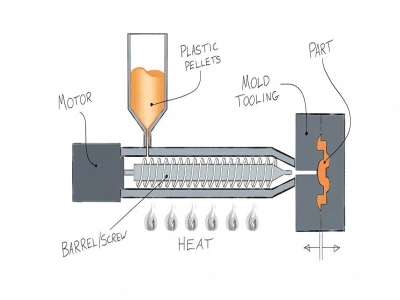
In the heating zone of the screw, the plastic is heated by the heating element and the heat generated by the shear of the screw, and gradually transforms from a solid state into a liquid state.
This process is plasticization, and it is the key step in injection molding.
Mixing of plastics:
The different zones of the screw have different functions, e.g. the heating zone at the front can melt the plastic, the mixing zone in the center can mix the plastic homogeneously.
And the compression zone at the rear can to compress the molten plastic to a high density.
Metering Plastic:
The screw controls the amount of plastic entering the mold cavity by rotating and backing off the screw.
As the screw rotates, the plastic pushes forward; as the screw recedes, the plastic is compressed and metered to a set position. The screw can meter the plastic into the mold cavity.
Injection into the mold:
When the screw reaches the set position, it stops rotating and pushes forward, injecting the molten plastic into the mold cavity.
This process requires precise control of pressure and speed to ensure that the plastic fills the mold completely and to avoid defects.
Applying pressure:
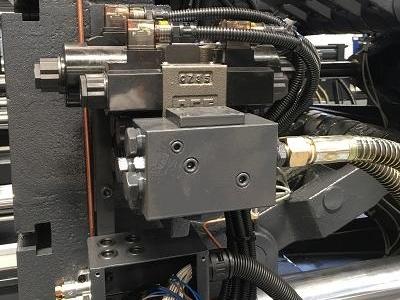
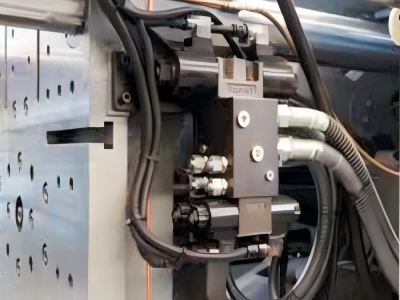
During the injection process, the screw not only pushes the plastic into the mold. But also applies pressure through the hydraulic system to ensure that the plastic fills all parts of the mold and achieves the desired density and dimensional accuracy.
Preventing backflow:
Screws are usually fitted with a check ring at the front end to prevent the molten plastic from flowing back into the screw’s spiral groove.
Adaptation to different materials:
Depending on the type of plastic, screws is in different structural forms, such as trapezoidal screws, mutant screws or universal screws, to meet the plasticizing needs of different materials.
The melt plasticizing and pressurizing section of the injection screw
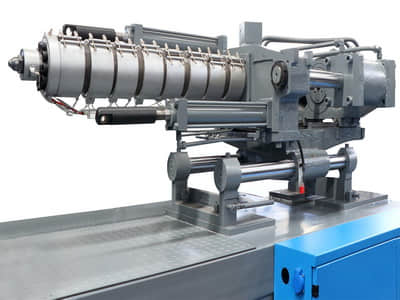
The melting and pressurizing portion of the injection screw is a critical area in the injection molding process, and its main function is to convert the plastic pellets into a molten state by friction, shear and heating, and inject them into the mold cavity under high pressure. This process involves a number of steps and areas, as described below:
- Melt Plasticizing: The primary function of this section is to convert solid plastic pellets into a uniform melt. As the screw rotates, the plastic pellets can convey forward and subjected to shear forces and heat from the barrel heaters. This combination of mechanical energy and thermal energy causes the plastic to soften and eventually melt.
- Pressurizing: After the plastic melting, this section helps in building up pressure. The screw acts as a piston, compressing the molten plastic in the front section of the barrel. This pressurization is essential for injecting the melt into the mold cavity at a high speed and filling it completely.
What is the purpose of plastic screw?
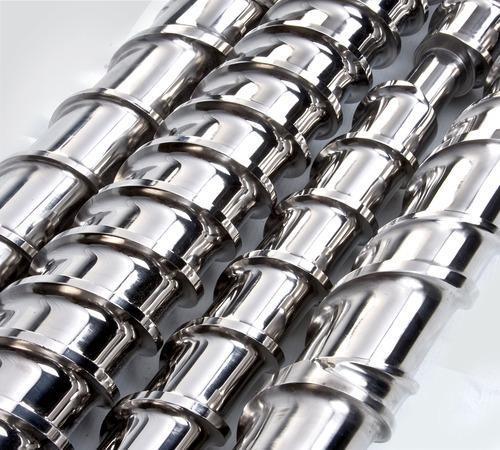
Zinc alloy is an alloy composed of zinc as the base metal and other elements as alloying elements. It usually includes low-temperature alloying elements such as aluminum, copper, magnesium, chromium, lead and titanium. As a main component, when combined with other metals, can significantly improve their physical, chemical, electrical and corrosion resistance properties.
Zinc alloys are described in detail in terms of composition and classification, common alloying elements, classification based on composition, color, and properties. Zinc alloys can be classified into different types based on composition and properties, such as cast zinc alloys (including Zamak alloys and zinc-aluminum alloys) and wrought zinc alloys (including zinc-copper-titanium alloys and zinc-nickel alloys). In addition, the differences in strength, hardness and weight between zinc alloys and stainless steel are compared.
Why is the design of screw important in injection moulding?
Haichen Injection molding machine screw supplier
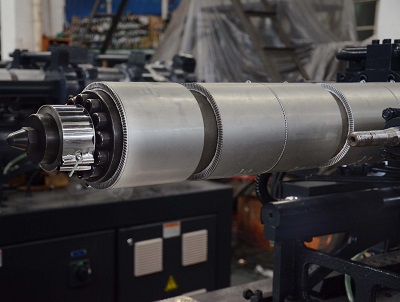
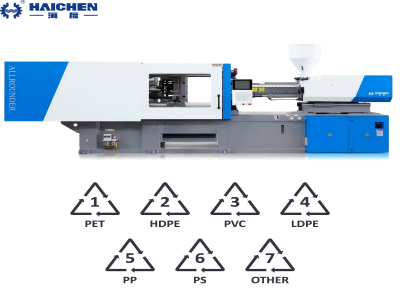
Haichen Machinery is a professional manufacturer of injection molding machines. These products include plastic injection molding machines and servo energy-saving injection molding machines. We also provide injection molding machine screws and related accessories. The screws are well compatible with Haichen injection molding machines, which can ensure the efficient operation of the machines.
If there is any demand, welcome to consult us.