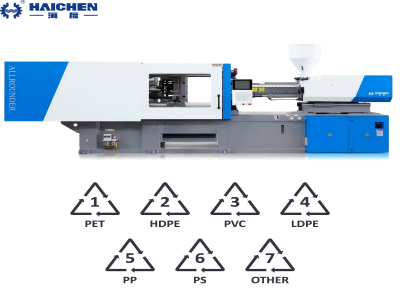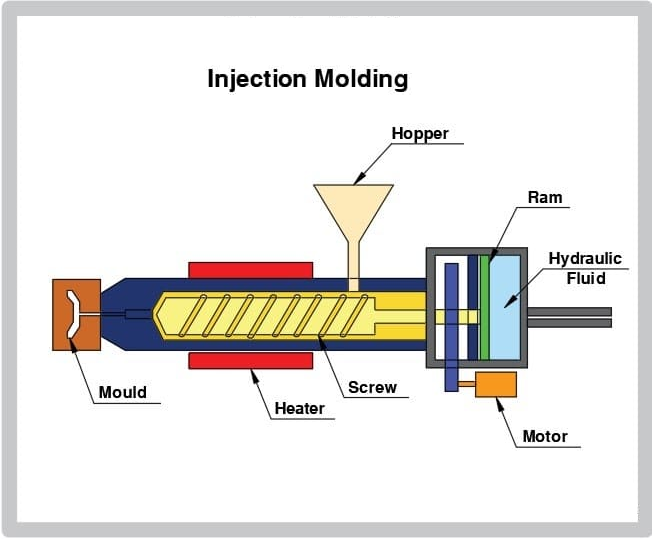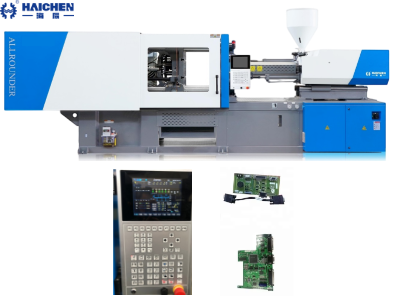
Injection molding screw barrel types can be classified according to their design, function, and application scenarios and so on. TInjection molding screw barrel types as followed:
- Classification by function
- Classification by geometry
- Classification by structure
- Classification by material
- Classification by special design
- Classification by application field
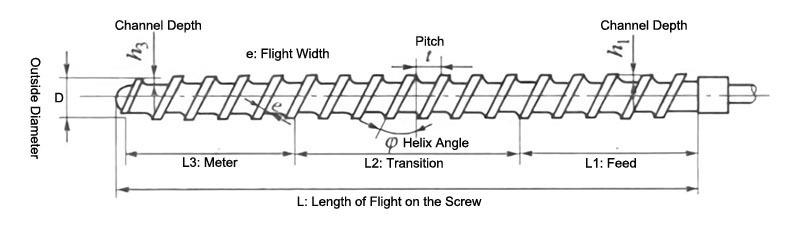
Injection molding screws usually consist of a screw body, a metering zone, a compression zone, and a feeding zone. The metering zone is used to feed the raw material into the next section of the screw. The compression zone compresses and melts the material by gradually reducing the screw depth. And the feeding zone is responsible for conveying the molten material forward to the mold cavity in a uniform manner.
In addition, the design of the injection molding screw barrel also includes specific thread geometries. Such as a single-thread three-stage screw, which is widely used in modern injection molding machines.
The injection molding barrel is one of the most important components in the injection molding process. Its main function is to heat and plasticize the plastic raw material. So that it can be injected into the mold cavity. The injection molding barrel is usually made of high temperature resistant, wear resistant and corrosion resistant materials. Such as alloy steel or bimetallic structure, to ensure stability and durability under high temperature and pressure.
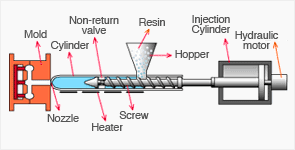
Classification by function
Gradient Type
Suitable for non-crystalline plastics, with a longer compression section, stable energy conversion, suitable for materials with poor thermal stability such as PVC.
Mutant Type
Shorter compression section, more concentrated energy conversion, suitable for crystalline plastics.
Universal Type
Suitable for a variety of general plastics, with good plasticizing ability.
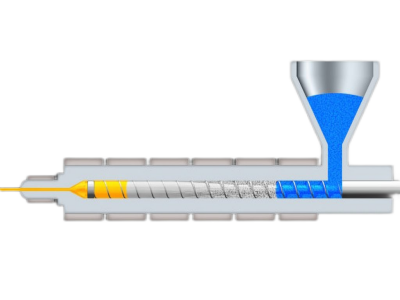
Classification by geometry
Single Screw
Usually used for simple applications, the design focuses on optimizing material flow.
Twin Screw
Divided into parallel twin screws and conical twin screws, suitable for processing a variety of materials, providing better mixing and melting effects.
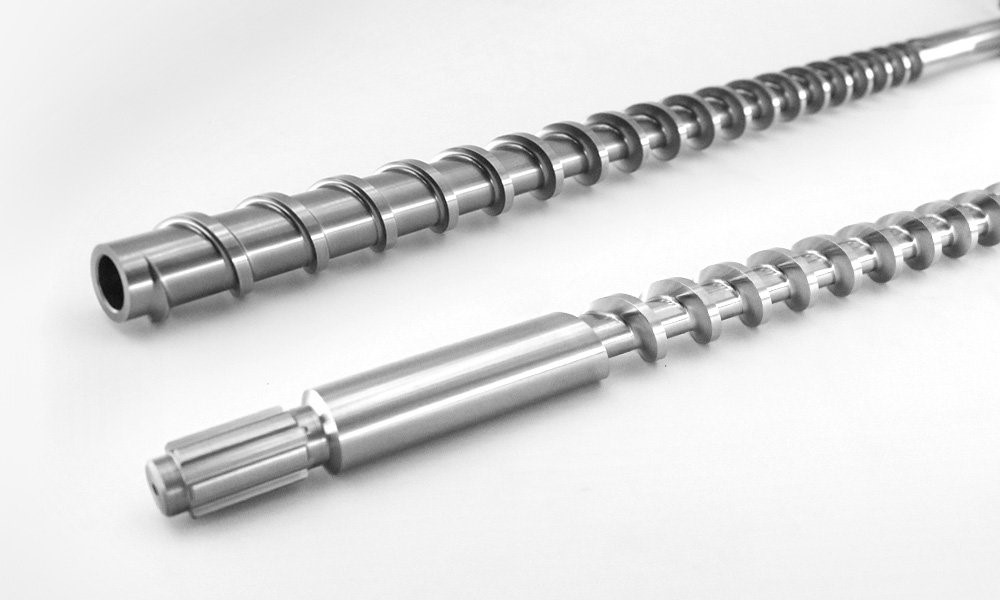
Classification by structure
Integral Barrel
Suitable for small and medium-sized injection molding machines, with simple structure, high temperature control and processing accuracy.
Segmented Barrel
Suitable for large injection molding machines, easy to repair and replace.
Barrier Screw
Improves the melting effect and mixing performance by setting barrier segments.
Separating Screw
Improves melting efficiency and additive dispersion ability by separating segments.
Classification by material
Standard Barrel
Usually made of hardened steel, suitable for most plastics.
Bimetallic Barrel
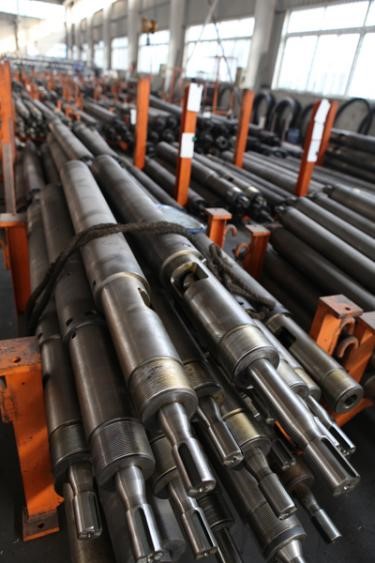
Made of nickel-based alloy with surface hardening, it is more wear-resistant and suitable for demanding applications.
Classification by special design
Combination Barrier-Separating Screw
It combines the advantages of the barrier section and the separation section, and is suitable for applications that require efficient melting and mixing.
Maddock Barrier Screw
Improves melting performance and temperature control by adding a Maddock mixing section.
Pin Screw
Improves mixing effect by setting a nail-shaped structure on the screw surface.

Classification by application field
Blow Molding Screw
used for the blow molding process.
Extrusion Screw
Used in the extrusion molding process
Injection Molding Screw
Used in the traditional injection molding process, the most common type.
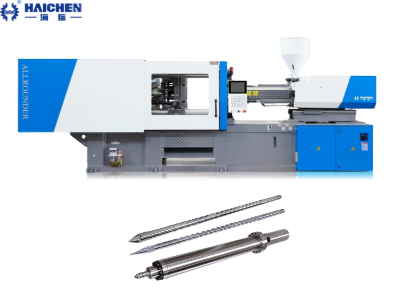
Although there are many types of screws for injection molding machines, each with its own unique design features and applicable scenarios. Choosing the right screw type requires comprehensive consideration based on specific processing requirements, material properties, and equipment requirements.