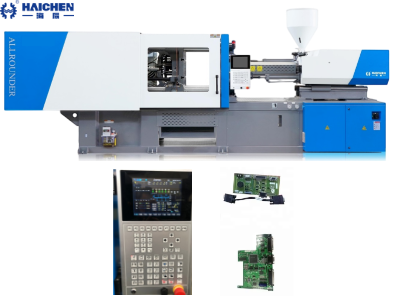
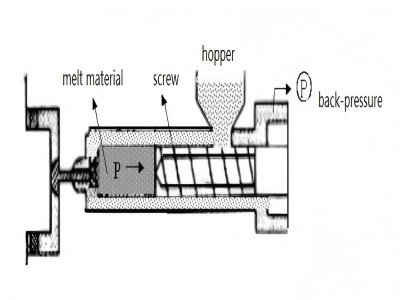
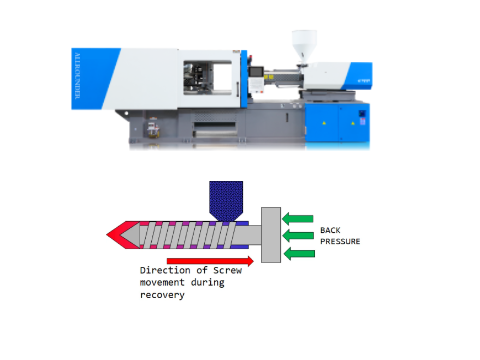
Back pressure in injection molding is the resistance applied to the screw during the plasticizing phase, helping to ensure consistent melt temperature and material uniformity.

Definition of Back Pressure in Injection Molding
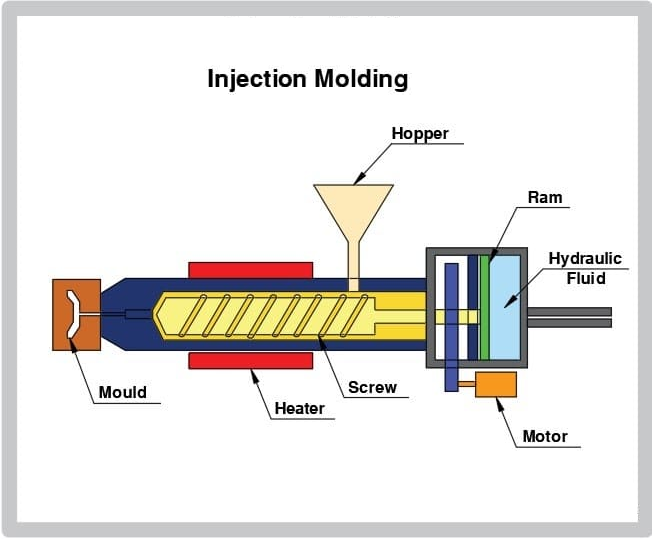
In relation to injection molding, back pressure means the force that controls the plasticizing screw during the process. As a result, when the screw rotates to melt and blend evenly. He plastic material within the barrel, back pressure manages all amout of force required to push that material back within certain limits. In simple terms, it sets limit on how much resistance will be provided while compressing by screw.
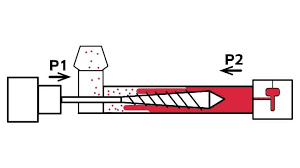
The Role of Back Pressure in Injection Molding
Back pressure holds some significance in an injection molding method due to some reasons: Throughout this section remember these points for better ease:
- Consistent Melt Quality: With sufficient application of back pressure, there is more compression delivered which leads into better stirring or mixing done with plastic materials per each intervals which aids in achieving temperature consistency over sets with ultimate shaping parts precision.
- Reduced Material Degradation:With adequate back pressure, the chances of overheating and improper plastic mixing are reduced which helps to prevent degradation. For those materials that are sensitive to heat, maintaining stability is critical as it protects the material’s mechanical properties.
- Improved Part Density:Parts with a higher density are achieved with high levels of back pressure because they reduce voids and air pockets entrapped in the material. Since products are stronger and more durable as a result, this is valuable to manufacturing businesses.
- Enhanced Surface Finish: As uneven packing can lead to poor surfaces finish on molded components, evenly packed distribution due to controlled back pressure will ensure smoother surface finishes.
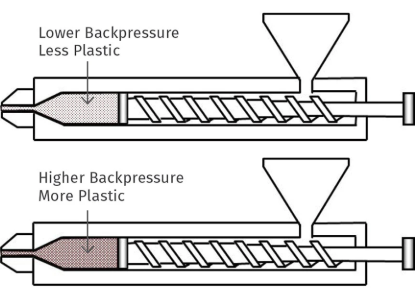
| Issue Type | Low Back Pressure | Excessive Back Pressure |
| Melt Quality | Loose, aerated melt → short shots, sink marks | Overheated melt → degradation, discoloration |
| Surface Defects | Blush marks, flow lines, uneven gloss | Jetting, cold slugs, burn marks |
| Efficiency | Faster screw return but inconsistent shots | Slower cycles (up to 15% longer plasticization) |
| Mechanical Wear | Minimal | Accelerated screw/barrel wear |
| Material Risks | All polymers vulnerable to voids | Critical for PVC, POM (thermal decomposition) |
The Effect of Back Pressure on Quality of Melt
Melt temperature and viscosity depend on uniformity of melt flow which requires even heating and mixing throughout all sections of the plastic being worked on. The application of back pressure during the heating period guarantees that these conditions are fulfilled to optimal levels. Adequate back pressure helps achieve more homogeneous melts and reduces melting defects such as warping, sink marks, or other surfacing imperfection. In addition, well-mixed and non-contaminated plastics increase plastic strength which makes the final product dependable.
Balancing Back Pressure for Optimal Results
Optimizing the settings for back pressure
Optimizing the settings for back pressure involves practical skills in addition to technical knowledge. The following tips should help you sharpen your focus toward achieving optimal settings:
- Start with Manufacturer Recommendations: Always begin with the provided preset values both from the material vendor and equipment manufacturers.
- Monitor Melt Temperature: Ensure that temperature sensors are placed at critical locations so you can monitor melt temp. Adjust back pressure as needed to achieve target consistency based on measured results.
- Make Test Shots: Implement test evaluation shot runs to assess the influence of back pressure on specific features of the part, followed by appropriate adjustments.
- Take Into Account Material Characteristics: Different materials will have different requirements related to back pressure. Tailor your adjustment due to the unique traits of the particular plastic under consideration.
Studying the basics of injection molding shows how vital back pressure is concerning the quality, repeatability, consistency in covering the final part as well as productivity. Knowledge of these principles helps in part quality improvement while reducing defects as well as meeting productivity targets.