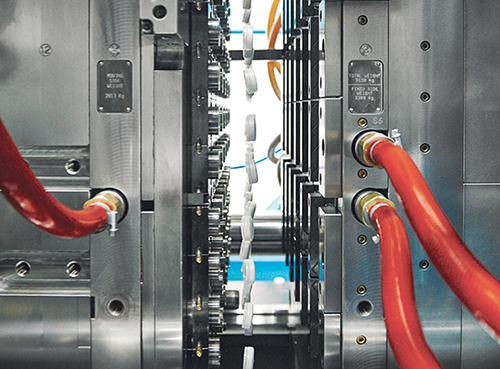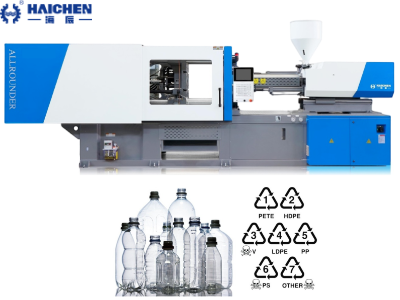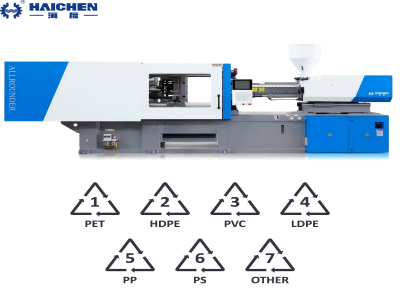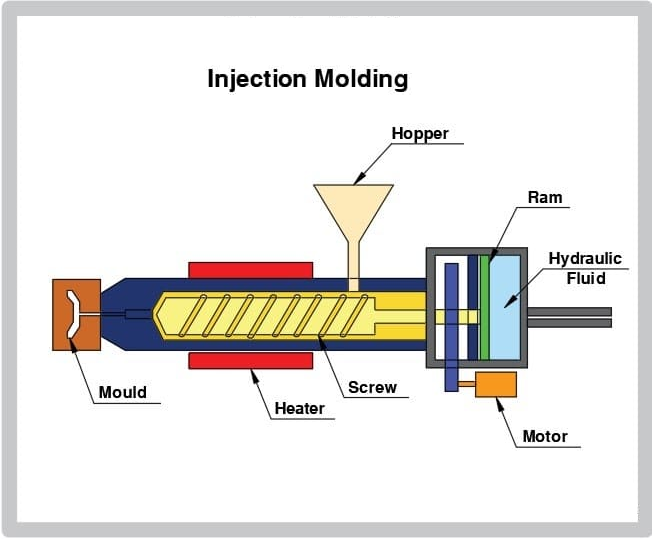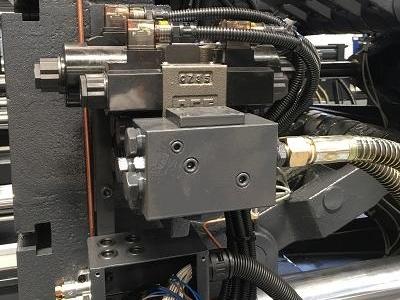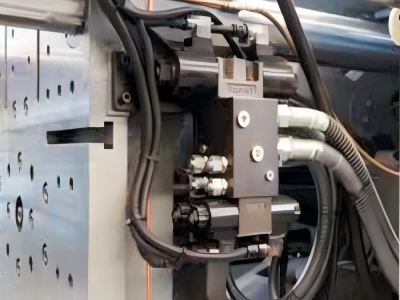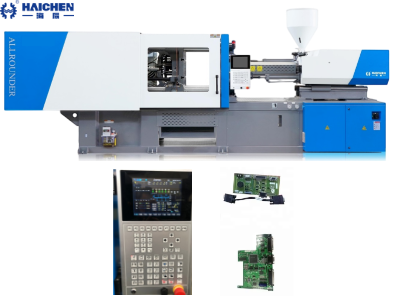
Mould pressure plate of the injection molding machine is one of the key components of the injection molding machine mould.
And its main function is to fix the mold between the moving mold and the fixed mold of the injection molding machine, and withstand the high pressure during the injection process.
The pressure plate of an injection molding machine mold is a key component in injection molds used to apply pressure to form materials.
Its basic function is to apply pressure by moving up and down.
Thereby pressing or shaping the material, ensuring that the material can evenly fill the mold cavity and remain stable during the injection molding process.
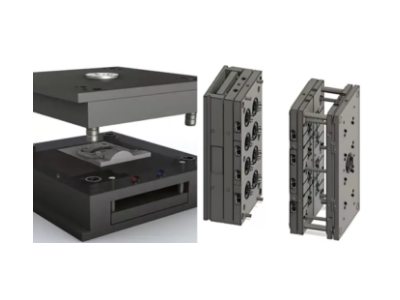
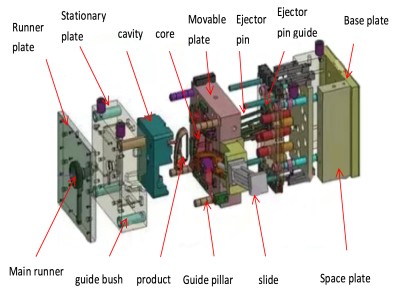
Mould pressure plate base structure
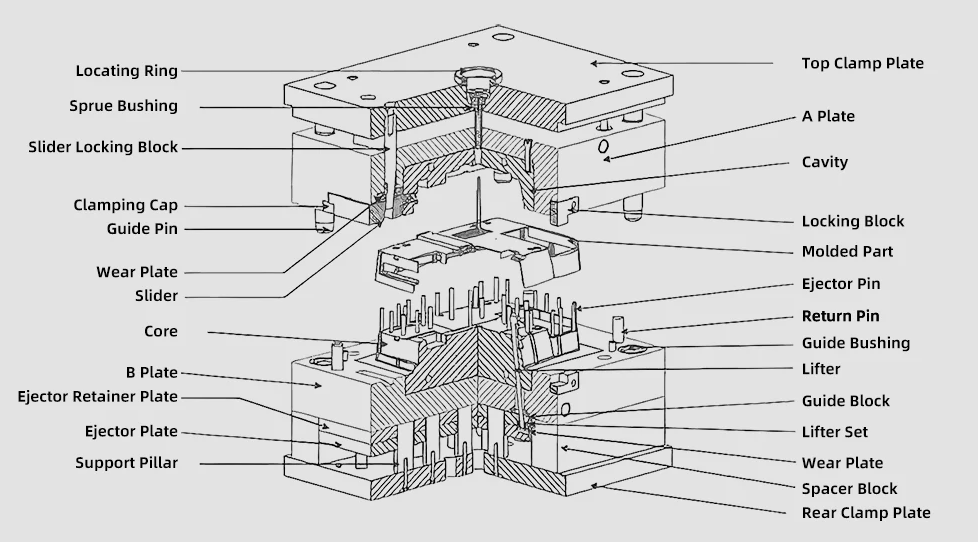
The mold base serves as the semi-finished framework of a mold, comprising various steel plates and components, essentially forming the skeleton of the entire mold set.
A typical configuration of a mold base includes:
- Clamp plate
- A plate
- B plate
- C plate (spacer block)
- Rear clamp plate
Top Clamp Plate
Connected to the injection molding machine and the A plate, it serves a fixing role.
A Plate
Its role is to secure the mold cavity. In some cases, high-quality materials are directly used to form the molding part.
B Plate
Used to fix the mold core and can also extend the runner.
Spacer Block (C Plate)
Its purpose is to support the mold base.
This plate is related to the ejection of the product, and its height correlates with the height of the product.
Rear Clamp Plate
Connected to the injection molding machine and the B plate, it is used for installing the mold.
Definition and function of mould pressure plate
The mould pressure plate, a critical component in injection molding machines, securely holds molds in place.
During the injection molding process, the clamping plates firmly clamp the mold.
Then, the machine applies a specific clamping force, measured in tonnage, to maintain the mold’s stability and tightness.
Therefore, this clamping force serves as one of the key indicators of the injection molding machine’s performance.
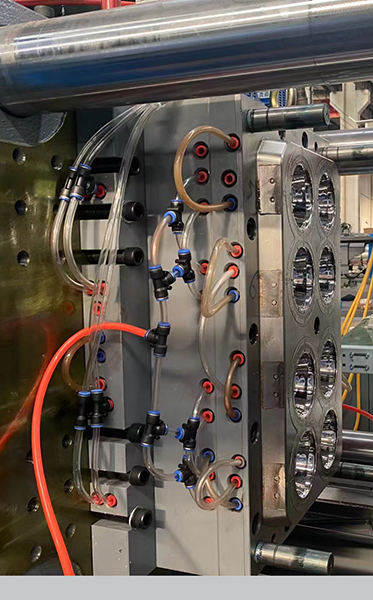
Classification and composition of mould pressure plate
The mold of an injection molding machine usually consists of two pressure plates: a stationary platen and a movable platen.
The fixed pressure plate is located at the front of the injection molding machine and is used to install the locating ring to align the mold with the nozzle of the injection molding machine.
The movable mould pressure plate, on the other hand, is connected to the clamping screw by means of a hydraulic cylinder or pneumatic cylinder and is used to apply the clamping force during the injection process.
Materials & Design Requirements of mould pressure plate
Pressure plates are typically made of high-strength materials, such as steel or aluminum alloy.
To ensure that they do not deform or crack in high-pressure and high-temperature environments.
In addition, in order to improve the accuracy and durability of the mold.
The pressure plate needs to be precision machined and equipped with a cooling system to evenly distribute the injection pressure.
Application Examples of mold pressure plate
In actual production, the design and performance of mold pressure plates directly affect the quality of injection molded products.
For example, when manufacturing automotive back door panels, the injection molding machine needs to have sufficient clamping force and injection pressure.
To ensure that the mold can withstand the high-precision molding requirements.
In addition, some special processes, such as injection compression molding, may require additional moving pressure plates to achieve higher molding pressures.
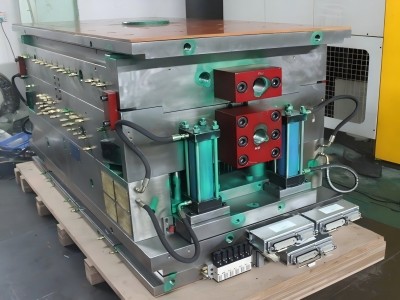
The performance of the mold pressure plate
- Material Properties
- Heat treatment and processing technology
- Mold design
- Material selection
Material Properties
Mold pressure plates need to have high strength, high hardness and good wear resistance to withstand high pressure and high temperature environments.
For example, HPM50 sheet is resistant to high-temperature, high-pressure and high-speed melt impacts due to its high strength and hardness, while maintaining good dimensional stability.
Heat treatment and processing technology
Through reasonable heat treatment and processing technology, the durability of the mold can be significantly improved.
Mold design
Optimization of details in the mold design (e.g., reducing the length of the fine punch, using guide sleeve protection, etc.) can improve the durability of the mold.
Technologies and materials to improve the pressure resistance and durability of mold pressure plates.
Material selection
High-strength steel
Such as HPM50 plate, which has high strength and high hardness, and is suitable for high-pressure environments.
Crack resistant and high-pressure resistant die steel
This steel has high strength, high hardness, good wear resistance and corrosion resistance.
And can withstand high pressure and impact loads, prolonging the life of the mold.
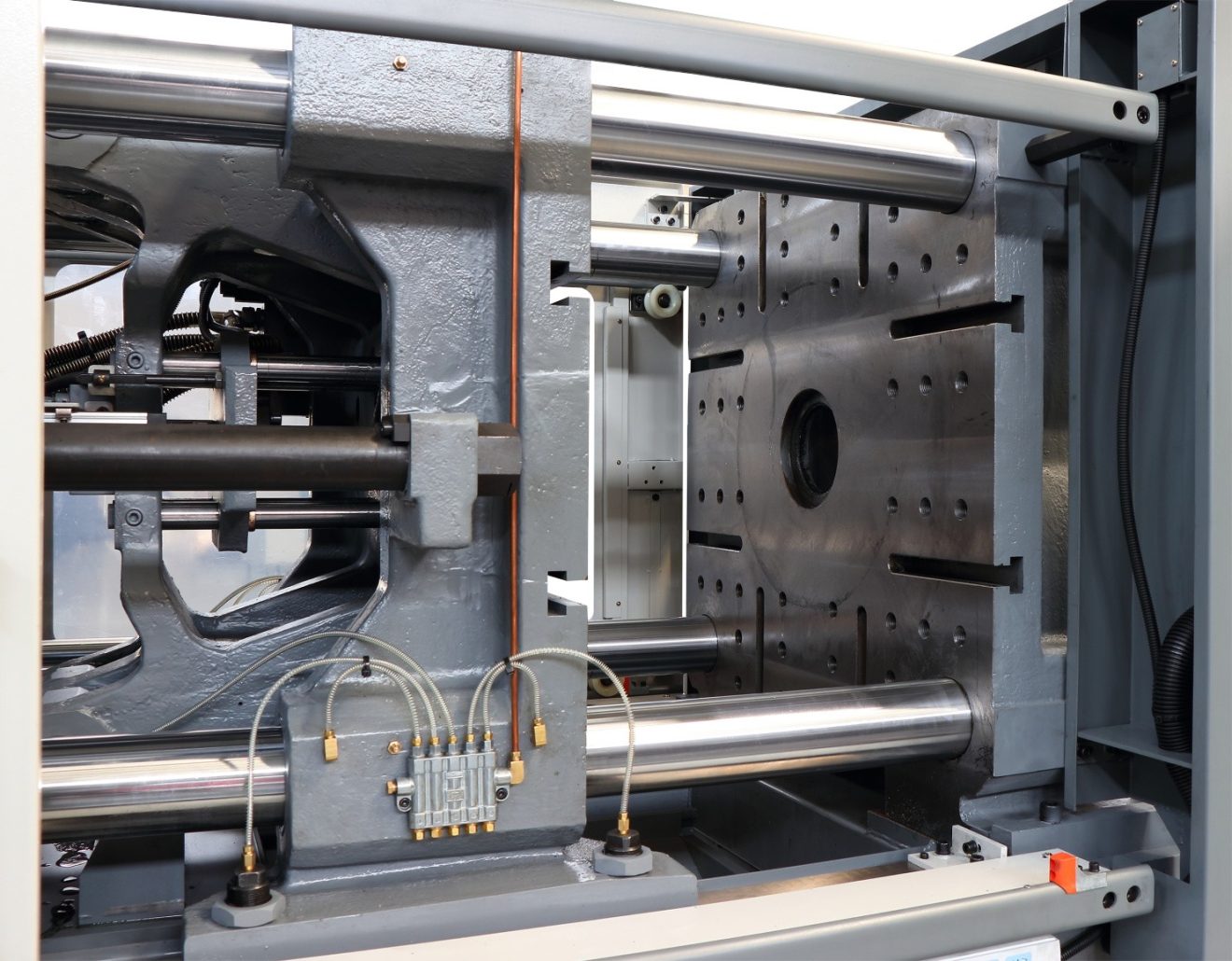
Haichen Mold Making
Haichen is a professional plastic mold manufacturer and supplier from China, offering a comprehensive service encompassing mold design, mold making, and injection molding.
With our outstanding technical capabilities and innovative spirit, we have established a solid reputation within the industry.
In terms of mold types, we specialize in multi-cavity molds and various precision insert molds.
As a factory, our technical team is also formidable, owned over 20 years of experience in the mold industry.
Customized service is one of our core strengths. Recognizing that every client’s needs are unique, we tailor mold design solutions based on their specific requirements.
Whether it’s complex precision molds or large structural molds, we approach each project with professionalism and expertise, ensuring satisfaction across diverse demands.