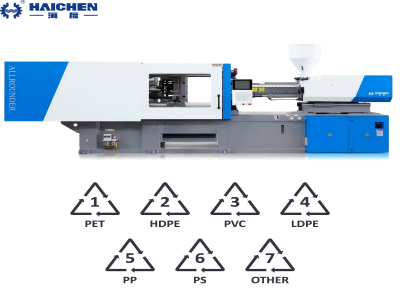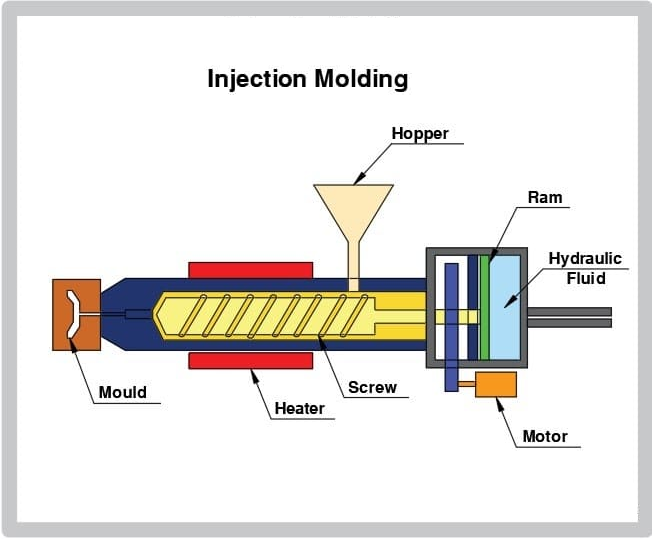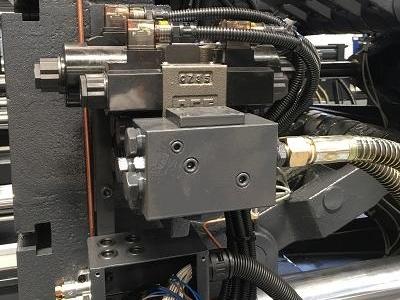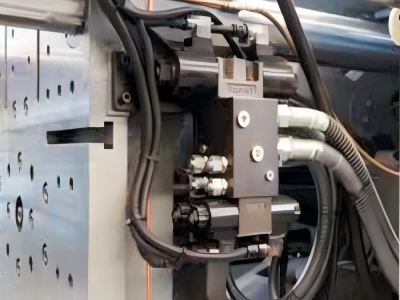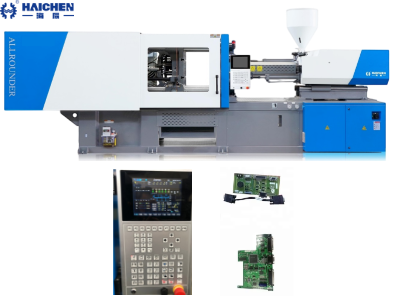
Mold pressure plate maintance for injection molding machine includes regular cleaning, lubrication, inspection and adjustment and so on.
The maintenance of the mold pressure plate (including the top plate and the bottom plate) of the injection molding machine is an important part of ensuring mold performance and extending the life of the equipment.
The cleaning of the press plate should be combined with daily maintenance and deep cleaning, following the principle of “preventive maintenance”. Regular cleaning, proper use of tools and recording of maintenance data can effectively extend the life of the equipment and reduce the failure rate. Adjust the cleaning frequency and method according to the actual production environment.
The following is a detailed description of the maintenance of the mold pressure plate:
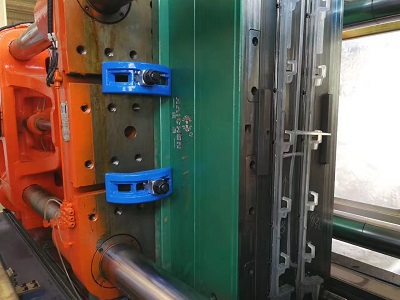
Regular cleaning of mold pressure plate maintance for injection molding machine
The mold pressure plate need to clean regularly to remove impurities, dust or other contaminants. That may remain during the production process. These residues may cause damage to the mold surface or affect the quality of the product.
For example, that regular cleaning of the top plate can eliminate residues from the production process. Thereby reducing downtime and repair costs. The importance of cleaning and lubrication is also emphasized. Pointing out that mold components should clean after each use to avoid increased wear and friction.
Daily cleaning
The cleanliness of the machine and the surrounding environment should be checked daily to ensure that there is no residual material or oil.
For the pressure plate, it is recommended to clean it at least once a week, focusing on removing surface oxides, scratches and impurities in the cooling system
Deep cleaning
The pressure plate needs to be cleaned once a month, using a damp cloth dipped in water or a neutral detergent, and then wiped dry with a dry soft cloth.
For complex stains (such as oxide layers or metal debris), sandpaper or special cleaning agents can be used to treat them, but scratches on the surface should be avoided.
Cooling system cleaning
Blocking of cooling channels will lead to reduced heat exchange efficiency and need to be checked and cleaned regularly.
- Method: Use special chemical cleaning agents (such as Buchem’s WSC-Unit) or high-pressure water flushing
to ensure that the channels are unobstructed. - For traditional cooling channels (such as 8mm diameter), special attention should be paid to sharp edges to avoid rust and calcification
Precautions of mold pressure plate maintance
Safe operation
When cleaning, disconnect the power supply and hang a “no power” sign to avoid the risk of electric shock.
For high-temperature parts (such as heating cylinders and melting chambers), wait until they cool to room temperature before cleaning
Records and maintenance
After each cleaning, a maintenance record must be filled in to record the cleaning time, problems found, and treatment measures.
For high-wear parts (such as threaded holes and guide pins), it is recommended to conduct a professional inspection after every 20,000 cycles
Special scenario handling
Long downtime cleaning: If the equipment is down for more than half an hour, special cleaning particles (such as the low-viscosity molten material mentioned) must be used to thoroughly remove residual materials.
Mold replacement: When replacing the mold, the surface of the die plate must be thoroughly cleaned to ensure that there is no residual oil or debris
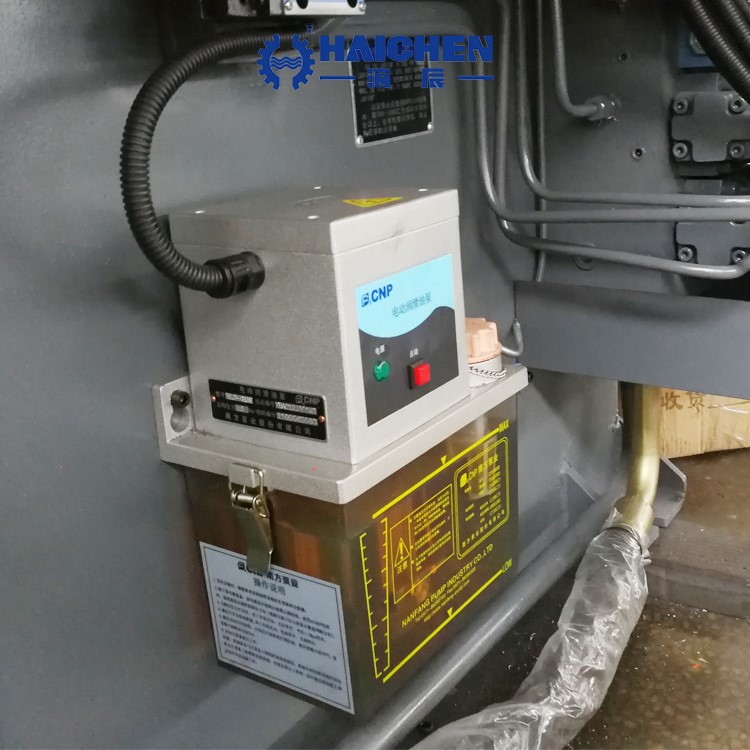
Lubrication of mold pressure plate maintance for injection molding machine
Lubrication is a key step to prevent wear on the die pressure plate. According to the manufacturer, the die components should properly lubricate according to the manufacturer’s recommendations. It can reduce friction and extend service life. In addition, that regularly checking the oil quality of the hydraulic system. Ensuring that it is in good condition can effectively reduce the wear of mechanical parts.
Lubricant types
- Hydraulic oil: Choose non-ash, wear-resistant hydraulic oil to avoid damage to hydraulic components. Common types include mineral oil and synthetic oil, which need to be selected according to equipment requirements.
- Grease: Used in parts such as steel sleeves, heavy-duty, pressure-resistant gear oils need to be selected.
Addition amount and concentration
In polyethylene processing, the lubricant concentration is usually 0.2% (such as calcium stearate or zinc stearate), which needs to be adjusted according to container size and mold design.
Lubricants need to be checked regularly for oil level, temperature, pressure and color. If the oil color turns brown, it needs to be replaced.
Daily inspection of mold press plate maintenace
- Check the oil level, oil temperature, system pressure, pump noise, leakage and oil color.
- Confirm whether the indicator rod of the lubrication point extends and retracts normally, indicating that the lubrication system is working properly.
Regular maintenance
- Filter element replacement: The precision filter element should be replaced every 2 years, or replaced according to the indication of the differential pressure gauge.
- Cooling system: The water cooler needs to be cleaned regularly to prevent scaling and corrosion. It is recommended to maintain it every 6 months.
- High-pressure hose: Replace it every 5 years to prevent aging and failure.
Lubricant addition
- Automatic lubrication points are controlled by the system, and manual points need to be added every 3000-4000 hours.
- Turn off the oil pump and power supply when shutting down to prevent self-locking.
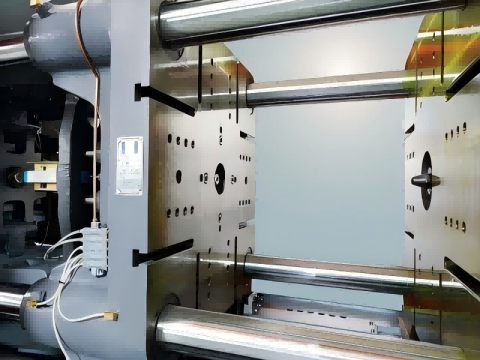
Mold pressure plate maintance for injection molding machine: Inspection and adjustment
The parallelism and alignment of the mold pressure plate are key to ensuring the proper functioning of the mold.
It is pointed out that if the pressure plate is not properly aligned, it may cause the mold to shift when closing the mold, thus affecting the product quality. Therefore, it is necessary to regularly check the parallelism and alignment of the pressure plate. In addition, it is mentioned that mechanical hinges (such as those used for the clamping unit) require regular maintenance and lubrication to ensure their normal operation.
Installation status check
- Ensure that the mold is firmly fixed to the locking platen by bolts or hydraulic devices to avoid uneven pressure distribution due to looseness
- Check the parallelism of the locking platen and the moving platen to ensure uniform pressure distribution and prevent deformation of the mold cavity
- Verify the function of the safety door limit switch to ensure that the clamping action can be effectively stopped in manual/semi-automatic mode
Pressure system check
- Pressure sensor calibration: adjust the upper computer pressure command to full scale and confirm that the hydraulic system pressure is consistent with the set value
- Hydraulic oil status: maintain the oil temperature at 30-50°C, check the oil cleanliness, and avoid system failures caused by metal particles or rubber fragments
- Pressure fluctuation monitoring: record the changes in the pressure gauge reading within 10 minutes after clamping, and the maximum difference is the pressure drop of the clamping system
Seal and leakage check
- Check whether there is leakage in the cooling water pipeline and hydraulic oil pipeline, and tighten the joints in time
- Ensure the sealing of the mold ejection device to prevent vacuum leakage from affecting pressure stability
Mechanical parts inspection
Check whether bolts, pins and other fasteners are loose, and re-tighten according to torque requirements if necessary
Prevent corrosion
Since the mold works under high temperature and high pressure environment, it is susceptible to corrosion. It is mentioned that when the mold is not in use, anti-rust oil and butter should be applied to prevent rust on the mold surface. It is further pointed out that the maintenance of the cooling system is also important, because the blockage or corrosion of the cooling channel will affect the temperature control of the mold, thereby shortening the mold life.
Surface treatment and plating
- Plating technology: Chrome plating, nickel plating and electroplating nickel can significantly improve the corrosion resistance and wear resistance of die plates. Chrome plating can enhance rust resistance, but attention should be paid to the use of anodes; while electroplating nickel (no anode) is suitable for complex molds and can provide uniform coverage.
- PVD/CVD coating: Physical vapor deposition (PVD) and chemical vapor deposition (CVD) coatings can form low-friction, corrosion-resistant surfaces and reduce maintenance frequency. PVD coatings can extend the life of molds by 20 times and reduce demolding forces.
Material selection and protection
- Corrosion-resistant materials: Using stainless steel or alloy steel (such as C17200, C17510) to manufacture die plates can reduce the risk of corrosion. Stainless steel or hardened materials should be preferred in highly corrosive environments (such as PVC processing).
- Rust inhibitors and seals: Use rust inhibitors (such as silicone grease, vaseline) to cover the die plates during shutdown and ensure they are dry. After shutdown, it is necessary to blow dry with compressed air and heat to avoid rust caused by moisture.
Regular inspection and maintenance
- Corrosion detection: Regularly check the oxidation, cracks or deformation of the die plate surface.
It is required to record defects and repair them in time, such as by polishing or replacing damaged parts. - System maintenance: Combine the maintenance of hydraulic, electrical and mechanical systems to ensure the overall environment is dry.
The cleanliness of the cooling system and hydraulic oil directly affects the risk of corrosion.
Storage and protection
The mold pressure plate should store in a dry and clean environment, away from dust, impurities or moisture. That the mold should store flat and covered with a protective cover to prevent dust and impurities from entering.
Cleaning and rust prevention
- Cleaning the mold surface: After production, the plastic particles remaining on the mold surface must be thoroughly removed, cleaned with a residue-free cleaner (such as soapy water), and ensure complete drying. For moving parts (such as pusher systems, sliding plates, etc.), special attention should be paid to cleaning to avoid corrosion or wear caused by residues.
- Rust prevention: After cleaning, apply non-corrosive rust prevention oil (such as paraffin) to prevent oxidation of the metal surface. For molds stored for a long time, it is recommended to wrap them with oil paper to isolate air and moisture
Damage inspection and repair
- Surface inspection: Before storage, check whether the pressure plate has scratches, oxidation, cracks or deformation. Minor damage can be removed by solvents (such as Varsol) and fine sandpaper. Severe scratches need to be sent to the grinding or repair area for treatment.
- Seal and lubrication: Ensure that the mold sealing surface is not damaged and replace the seal if necessary. The pusher system and sliding parts need to be lubricated regularly to prevent jamming.
Storage environment and records
- Environmental control: The storage area should be kept dry and ventilated to avoid high temperature or high humidity environment that may cause material degradation or corrosion. The cooling system needs to be turned off to prevent mold deformation due to temperature fluctuations.
- Record maintenance: After each maintenance, a maintenance record form needs to be filled out, detailing the inspection items, repair status, and operator information to facilitate tracking of mold status.
Annual comprehensive inspection
The annual comprehensive inspection is an important part of maintaining the injection molding machine. This includes replacing worn parts, thoroughly cleaning the inside of the machine, checking the control system, etc. Through these measures, it can be ensured that the mold pressure plate and other key components are kept in the best condition.
Above all, maintenance of the mold pressure plate requires comprehensive consideration of cleaning, lubrication, inspection, corrosion protection, storage protection, and annual comprehensive inspection. By strictly implementing the above measures, the service life of the mold pressure plate can effectively extend. Improve production efficiency and ensure product quality.