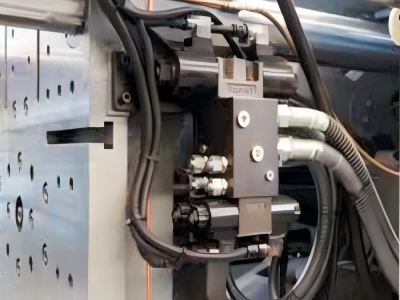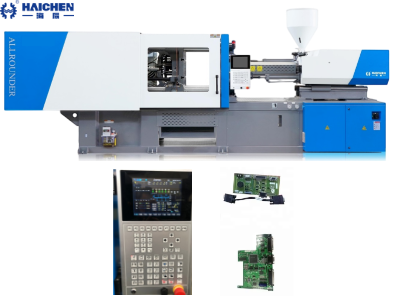
Plastic machining is a transformation of plastic raw materials into functional products through molding technology.
Plastic machining is a process of cutting, drilling, milling and other operations on plastic materials through subtractive manufacturing technology to manufacture high-precision parts.
The core lies in the use of computer technology to control the motion trajectory of multi-axis machine tools through programming to achieve the machining of complex geometries.
Plastics processing is a bridge between material science and end products, and its technological diversity underpins the broad needs of modern society.
However, environmental pressure has given birth to a full-chain change from process optimization to policy supervision.
In the future, through the combination of technological innovation and circular economy, plastics processing is expected to find a balance between efficiency and sustainability.
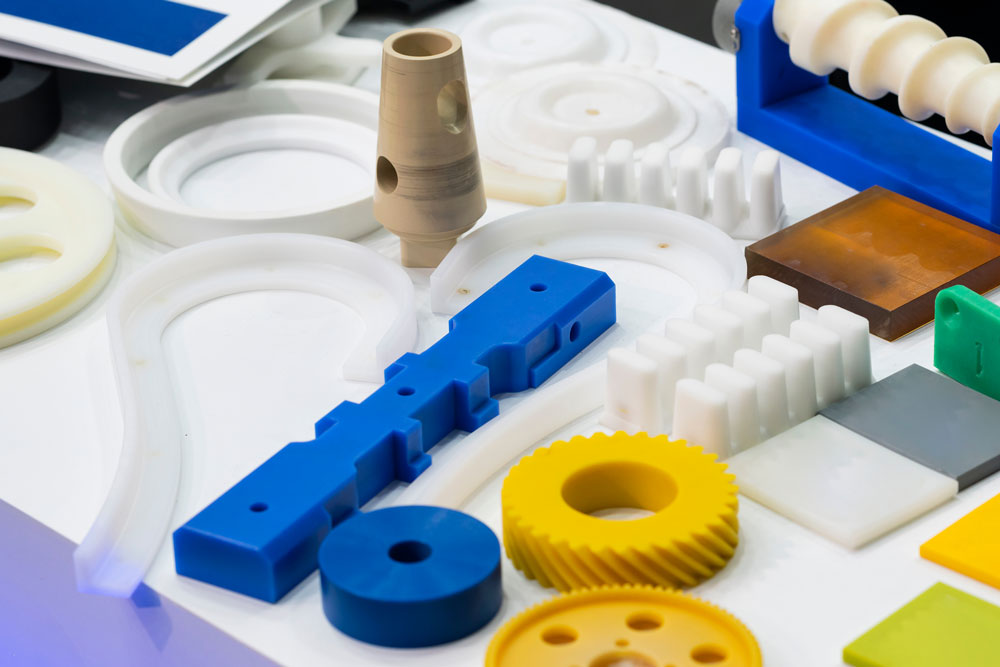
Common plastic machining and techniques
- CNC Machining Turning
- Milling
- Drilling
- Wire cutting vs. laser cutting
- Injection Molding
- Blow Molding
- Extrusion
- Vacuum Forming vs. Rotational Forming
CNC plastic machining
The numerical control machining of plastic components involves the use of computer-controlled machines to perform high-precision molding and fine machining on plastic materials.
This process is crucial for the production of custom plastic components in industries such as automobiles, aerospace, medical devices and consumer goods.
CNC machining solutions (including CNC milling services, CNC turning services and drilling services) can create complex designs.
And fine details in plastic parts, ensuring that they meet specific performance and design requirements.
Suitable for axisymmetric parts such as bearings and gears.
The rotational speed needs to be controlled to avoid overheating of the material.
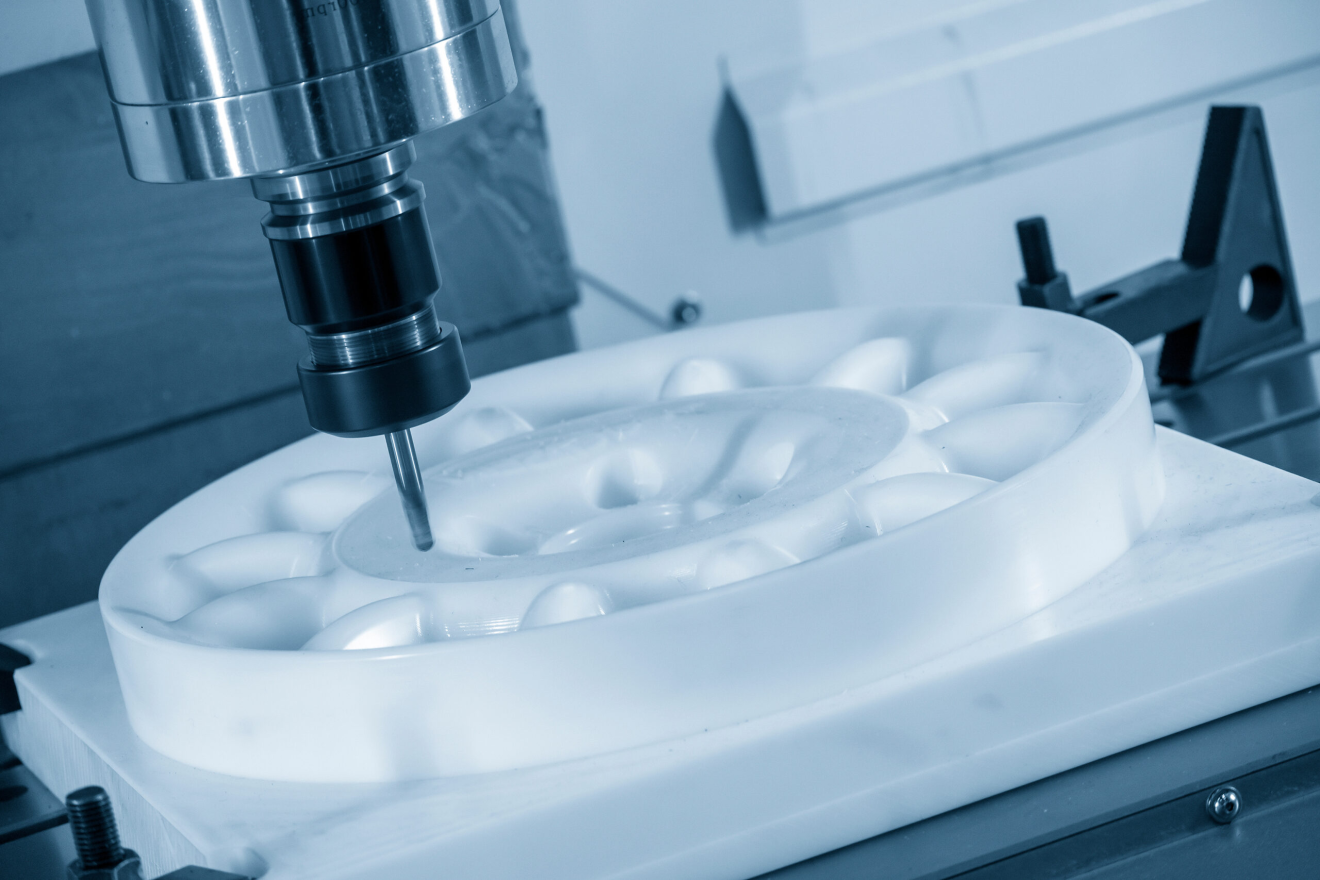
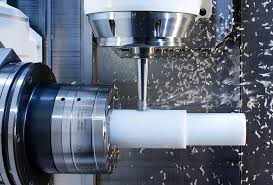
Milling plastic machining
Plastic milling is a subtractive manufacturing process where layers of plastic material are removed from a workpiece to achieve a desired shape or design.
Specialized milling machines equipped with high-speed rotating cutters carve into solid plastic based on custom specifications.
Often used in creating prototypes, parts for consumer products, and industrial equipment, plastic milling offers a level of precision that cannot be easily achieved through other methods.
The adaptability of this technique means it accommodates simple geometric shapes as well as highly complex designs.
This method is typically preferred due to its compatibility with various plastic types, which include acrylic, polycarbonate, and acrylonitrile butadiene (ABS).
Due to its versatility, plastic milling is a go-to technique for engineers and manufacturers who value mechanical precision.
More specifically, industries like automotive and health care depend on this form of milling to produce reliable components that withstand their environments and requirements.
Milling is a subtractive manufacturing process where a rotary cutter removes material from a plastic workpiece to create a desired shape or feature.
For complex contours, Climb Milling is recommended to reduce vibration.
Drilling plastic machining
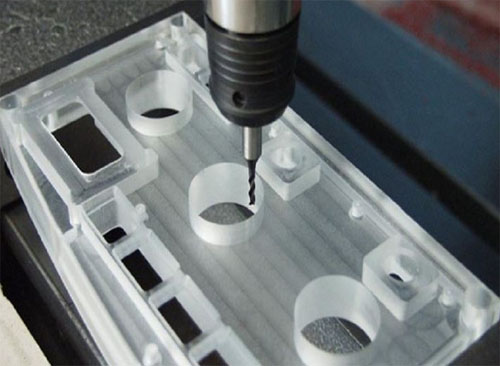
Sharp tools and coolant are used to prevent material sticking and hole wall burrs.
Drilling is a processing technique that uses multi-edge tools (broaches) to remove material, thereby forming precise shapes or contours.
The tool positions its cutting edges at a specific offset to control each tooth’s cutting depth.
While drilling plastic machining processes complex plastic parts’ inner or outer contours—particularly those that other methods struggle to achieve.
Drilling can ensure high precision and consistency, which is crucial for parts that require precise fit or smooth operation.
Usually,drilling is used to create internal keyways and splines, complex contours that require precise geometricies, and parts with uniform shapes and dimensions.
Broaches come in various shapes and sizes, including round, spline-shaped, standard keyway shaped and special shapes.
Wire cutting vs. laser cutting
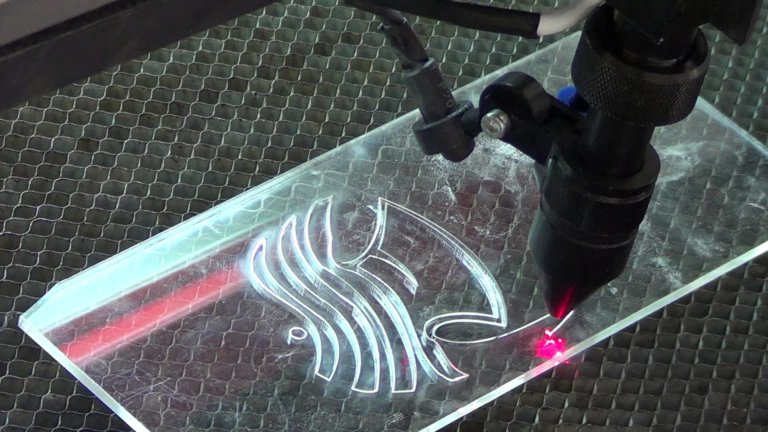
Laser cutting and Wire cutting have obvious advantages in plastic processing.
Laser cutting demonstrates high-speed capabilities and produces smooth edge finishes, which makes it particularly effective for large-scale manufacturing and rapid prototyping.
In contrast, wire cutting achieves superior precision levels, especially when processing complex geometries or hard materials (e.g., titanium alloys).
And additionally accommodates thicker material sections compared to laser cutting.
Therefore, while laser cutting is optimal for thin sheets (<20mm) or applications demanding micron-level accuracy (e.g., ±0.2mm).
Users must exercise caution with heat-sensitive substrates (e.g., polymers or coated metals) to avoid thermal deformation.
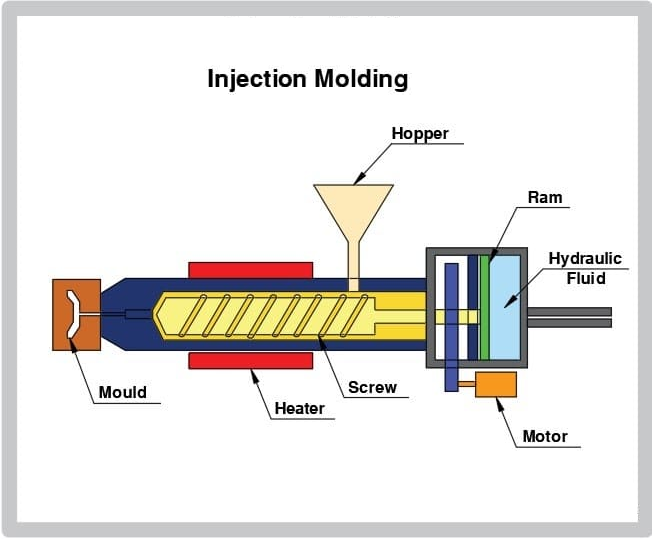
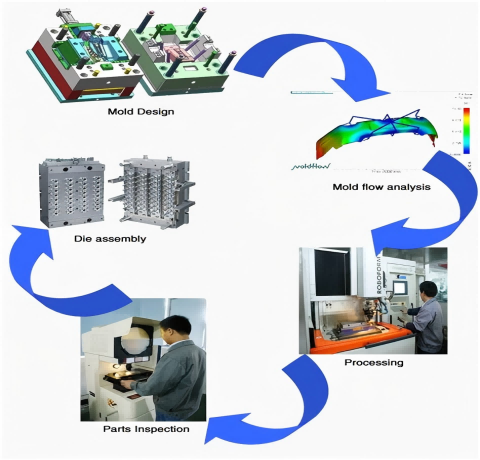
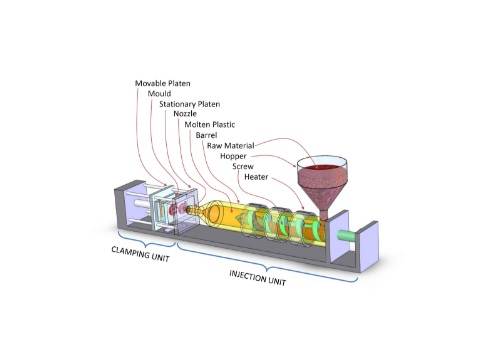
Injection Molding plastic machining
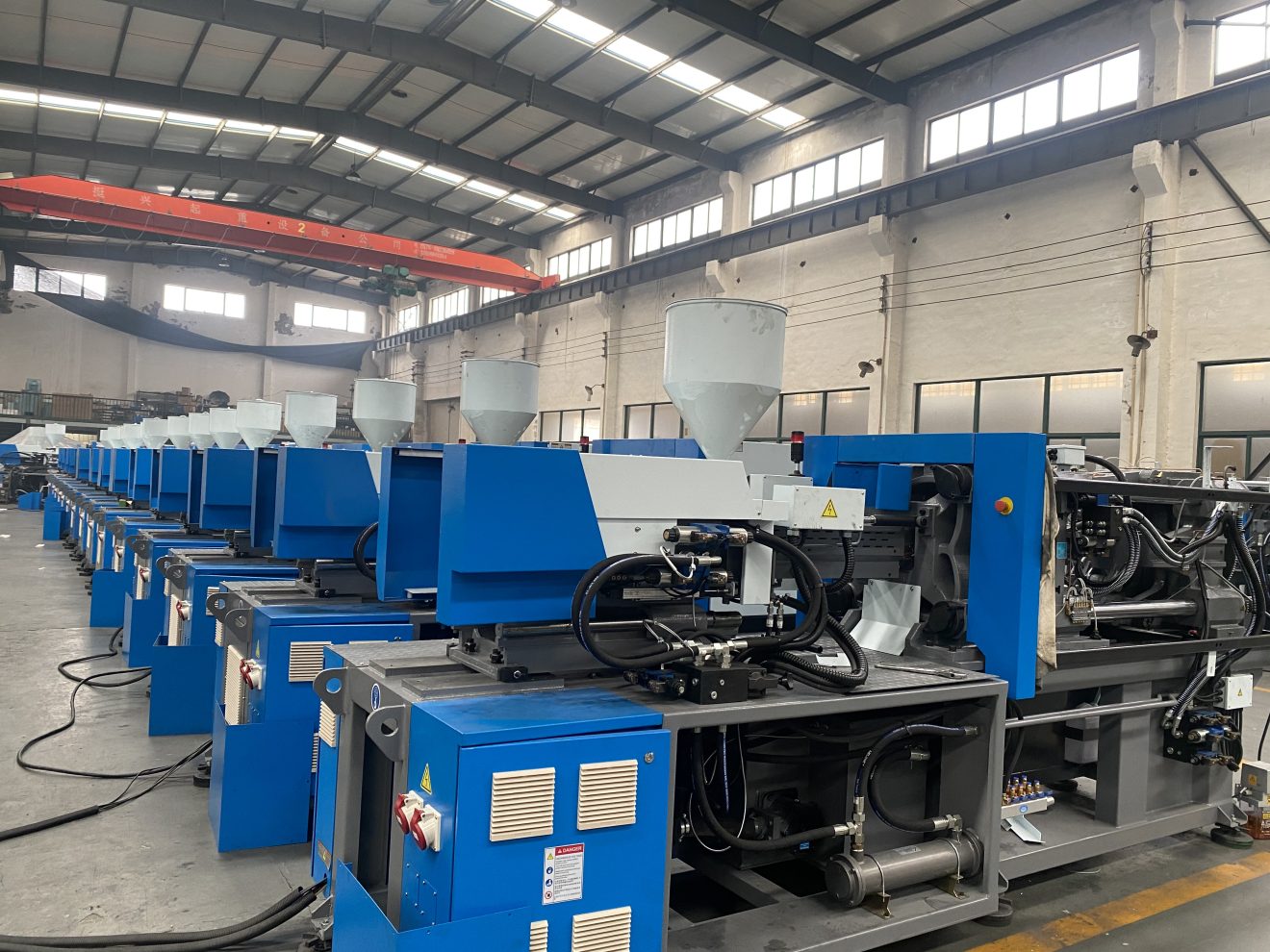
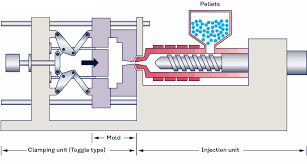
By melting the plastic particles and injecting them into the mold, it is suitable for high-volume production.
Typical applications include automotive bumpers and electronic housings.
The injection pressure can reach thousands of atmospheres, and the mold material is mostly made of steel or aluminum alloy to improve the life.
Process
Batching stage
The raw materials are mainly polymers, and additives such as stabilizers (anti-aging), plasticizers (to improve flexibility).
colorants (color control), lubricants (to reduce friction), reinforcing agents (to improve mechanical properties) and fillers (cost optimization).
Which directly affects subsequent processing performance.
Molding process
As the core link, different methods are selected according to the characteristics of the material
Thermoplastics: extrusion (tubes/films), injection molding (complex parts), blow molding (hollow containers), calendering (sheets), etc.
Thermosetting plastics: commonly used molding (electrical housing), transfer molding (high-precision parts), etc.
Special processes
Casting (large parts), thermoforming (packaging trays), etc.
Secondary machining processes not only involve drilling, cutting.
And milling of semi-finished products but also require fine treatments that adapt to plastics’ dual challenges:
Low thermal conductivity (fusible adhesion) and low elastic modulus (anti-deformation).
New technologies such as laser cutting and ultrasonic machining reduce thermal influences.
Blow Molding plastic machining
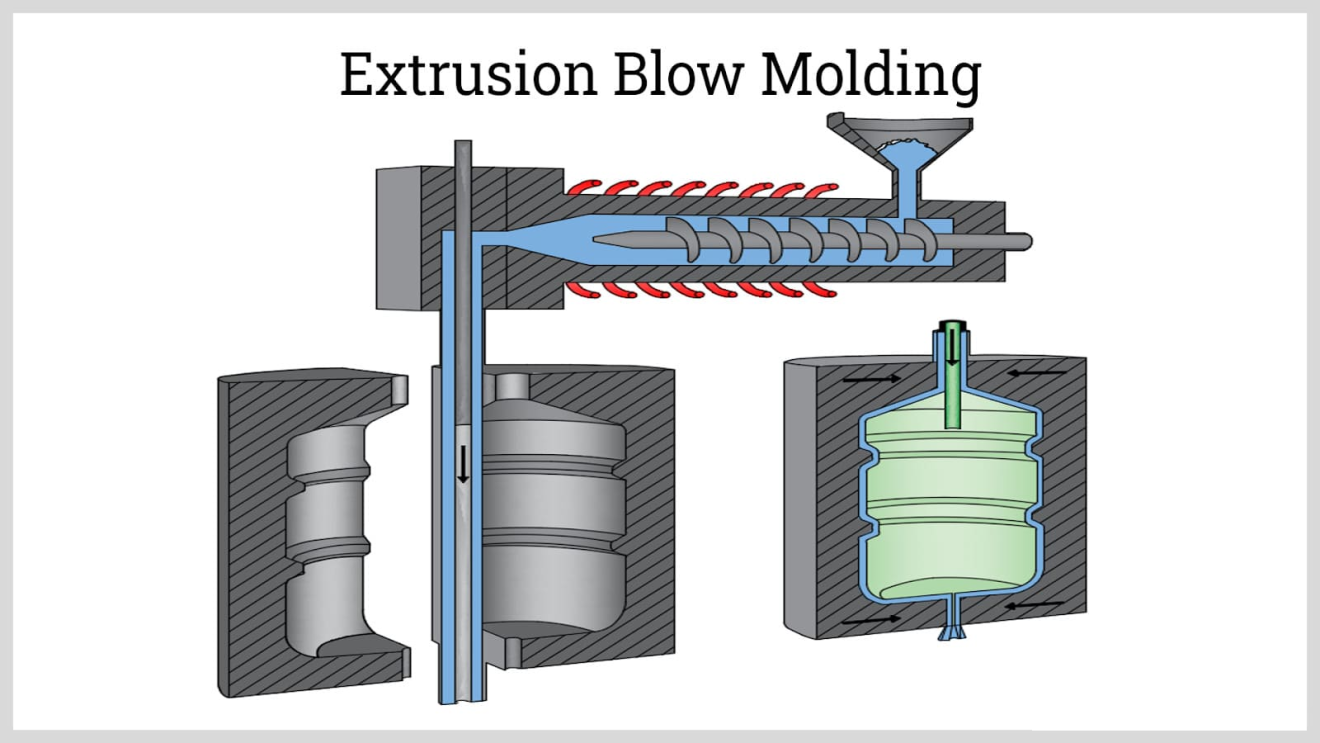
Blow molding is a plastic machining technique used for manufacturing hollow plastic parts.
It squeezes the heated plastic tube (parison) into the mold and then inflates it to form the shape of the mold.
This process is suitable for mass production of thin-walled hollow objects.
Usually used for hollow products (such as bottles), the parison is pressed to fit the mold.
Extrusion plastic machining
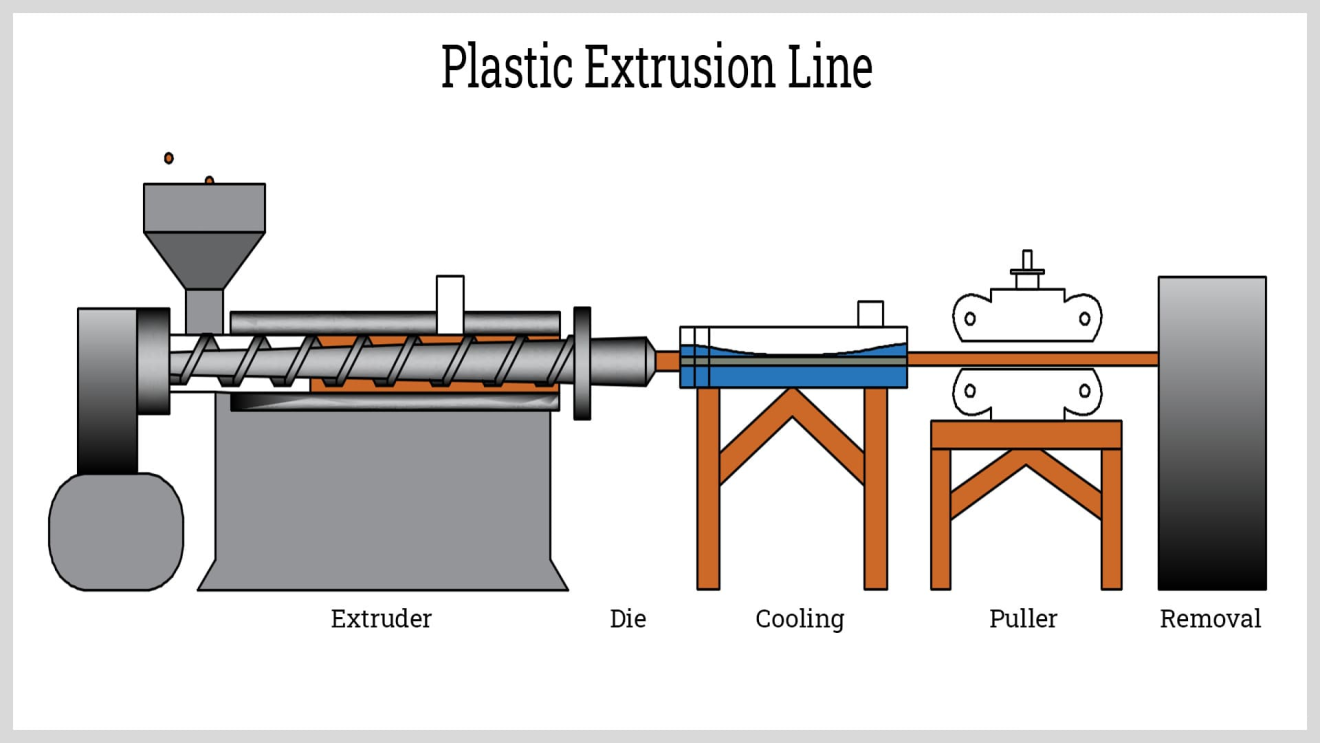
Plastic extrusion machining involves forming plastic into a continuous profile by melting and forcing it through a die.
Followed by further machining to achieve the final shape and features.
This process can be used to create a wide variety of plastic products.
Continuous production of pipes, plates, etc., the material is plasticized by a screw and then extruded.
Vacuum plastic machining vs. Rotational plastic machining
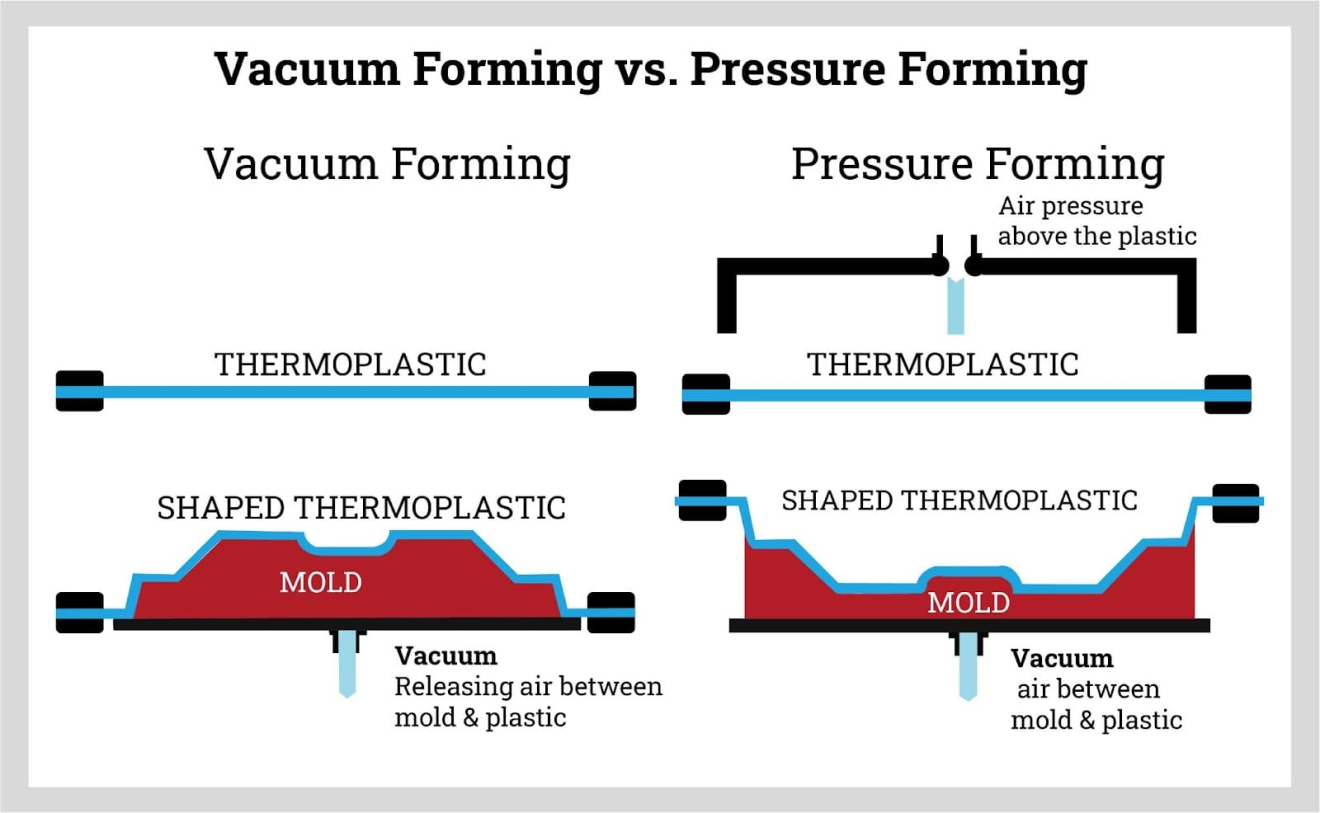
In packaging and automotive interiors, manufacturers widely use vacuum plastic machining.
First, they heat the plastic sheet, and then the mold adsorbs it to shape the product.
In contrast, rotational molding specializes in producing large hollow parts.
During this process, the machine rotates the mold, enabling the material to spread uniformly throughout the cavity.
Vacuum forming and rotational forming are distinct plastic manufacturing processes with different strengths and weaknesses.
Vacuum forming heats a plastic sheet and uses vacuum pressure to shape it against a mold.
While rotational forming heats powdered plastic, which then coats the inside of a rotating mold.
Plastic injection Machining Technical Advantages
Design freedom
3D printing to achieve complex cavity structures (minimum wall thickness 0.2mm).
Cost-effective
The cost per part of injection molding can be as low as $0.01 (million pieces).
Material diversity
Engineering plastics (e.g., PPSU 180°C resistance) have a clear trend to replace metals.
Shrinkage control
Crystalline materials (e.g., PP) have a shrinkage rate of up to 2.5% and require optimization of mold flow analysis.
Environmental protection pressure
The processing temperature window of biodegradable plastics (PLA/PHA) is narrow, and the process adaptability needs to be improved.
Energy consumption
The energy consumption of traditional injection molding machines accounts for 15-20% of the production cost.
And the electrification transformation can reduce consumption by 30%.
Plastic Machining Future Development Trend
Intelligent upgrade:
The Internet of Things (IoT) realizes real-time parameter control of injection molding machines, and the yield rate is increased to 99.5%.
Micro-molding technology:
The injection molding accuracy of medical microfluidic chips is up to ±5μm.
Circular economy:
Chemical recycling (depolymerization of PET) and physical recycling (multi-layer membrane separation) are developing in parallel.
Haichen plastic machining
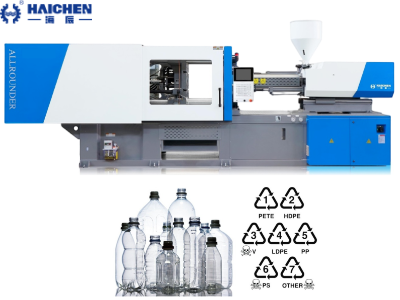
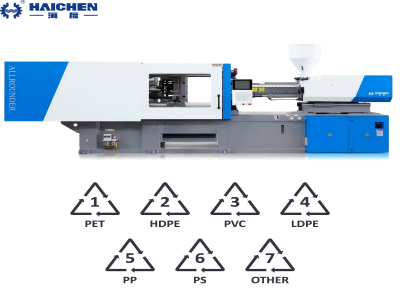
The plastic processing machinery of Haichen mainly consists of injection molding machines and related auxiliary machines.
Injection molding machines include small injection molding machines and large ones.
Haichen has rich experience in plastic processing.
You can contact us at any time if needed.