PVC pipes are manufactured through an extrusion process where raw PVC material is heated, melted, and then pushed through a die to form the desired pipe shape, followed by cooling and cutting to size.
PVC (Polyvinyl Chloride) pipes are widely used in various applications, from plumbing to construction, due to their durability, versatility, and cost-effectiveness.
The manufacturing process of PVC pipes involves several steps, each designed to ensure the final product meets high-quality standards.
Understanding these steps is crucial for manufacturers aiming to produce reliable and efficient PVC pipes. In this article, we will explore how PVC pipes are manufactured, highlighting the importance of precision and efficiency in the production process.
Additionally, we will discuss the role of advanced manufacturing technologies in enhancing the quality and performance of PVC pipes.
The PVC Manufacturing Process: From Raw Material to Finished Pipe
Understanding how PVC is made begins with the PVC manufacturing process, which transforms raw materials into durable piping. The PVC manufacturing starts with compounding vinyl chloride monomer (VCM) with stabilizers and plasticizers. For how PVC pipe is made, this mixture is then extruded through a die to form the pipe shape. The how are PVC pipes made process continues with cooling, sizing, and cutting to specified lengths. Finally, how PVC is manufactured concludes with quality testing to ensure strength and durability before distribution.
How PVC is Manufactured: The Basics of PVC Production
Before diving into the specifics of PVC pipe manufacturing, it’s essential to understand the broader process of how PVC itself is made.
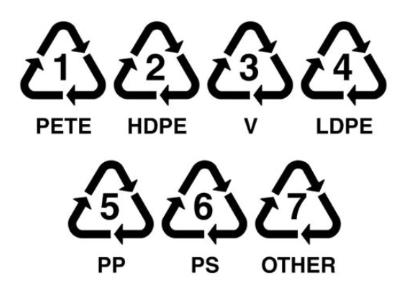
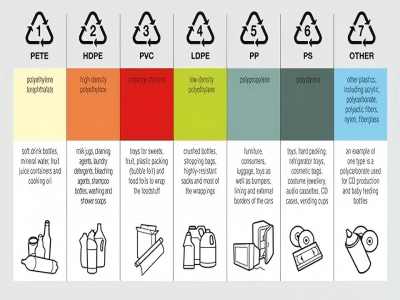
PVC, or Polyvinyl Chloride, is a versatile thermoplastic material that begins its life as a raw material derived from natural gas and salt. Through a series of chemical reactions, vinyl chloride monomer (VCM) is produced, which is then polymerized to form PVC resin. This resin is the fundamental building block for all PVC products, including pipes.
The manufacturing process of PVC resin involves precise control of temperature, pressure, and catalysts to ensure the desired molecular structure and properties. Once the resin is produced, it can be compounded with various additives such as plasticizers, stabilizers, and pigments to tailor its characteristics for specific applications like pipe production.
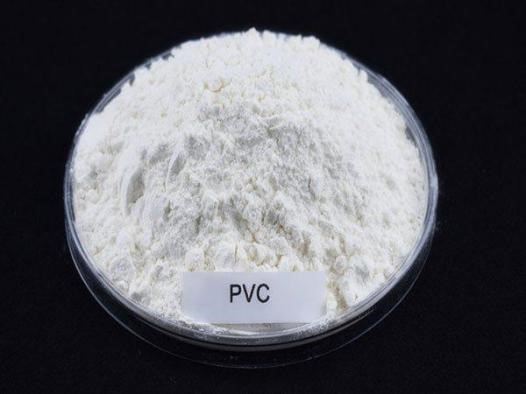
Manufacturing of PVC pipes–The Raw Materials
The PVC manufacturing process begins with Polyvinyl Chloride (PVC) resin as the primary material, which is combined with additives during PVC manufacturing to enhance performance. How is PVC made involves mixing plasticizers for flexibility, stabilizers against degradation, and pigments for coloration. This compound then undergoes extrusion in how is PVC pipe made, where it’s shaped under heat and pressure. How is PVC manufactured into pipes relies on precise temperature control to ensure durability. Specifically, how PVC is manufactured for piping applications includes additional steps like sizing and cooling. The complete how are PVC pipes made process demonstrates why PVC remains ideal for plumbing – from resin mixing to final extrusion in how PVC pipes are made.
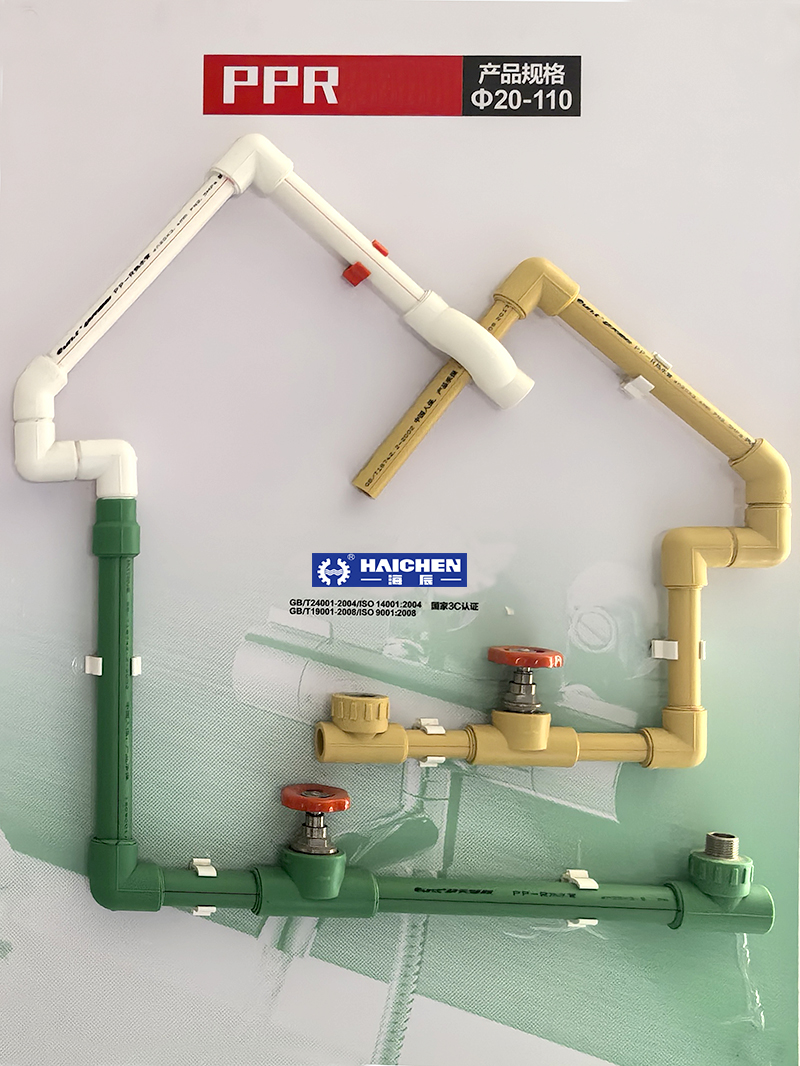
Manufacturing of PVC pipes–Extrusion
- Mixing and Heating
- The PVC compound is fed into an extrusion machine, where it is heated and transformed into a molten state. The temperature is carefully controlled to ensure the material is uniformly melted without degrading.
- Extrusion
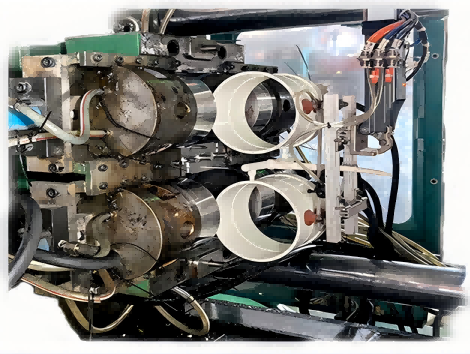
- The molten PVC is then forced through a specially designed die that shapes it into a continuous pipe. The die determines the pipe’s diameter and wall thickness, ensuring consistency throughout the production process.
- Cooling and Sizing
- The extruded pipe is immediately cooled using water baths to solidify its shape. During this stage, the pipe is also carefully sized to meet precise specifications. Proper cooling is crucial to prevent warping and ensure the pipe maintains its dimensions.
- Cutting and Inspection
- Once cooled, the pipe is cut into desired lengths using high-precision saws. Each piece is then inspected for quality, checking for defects such as uneven walls, impurities, or irregularities. Only pipes that meet the highest quality standards are approved for use.
Manufacturing of PVC pipes-Injection Molding
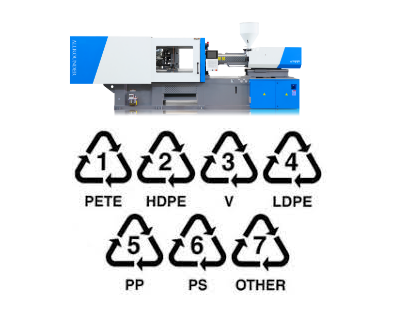
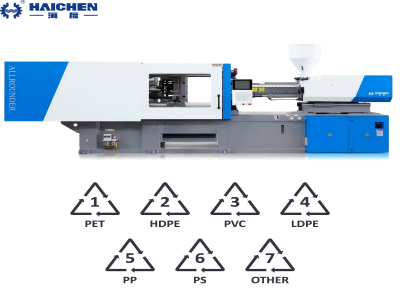
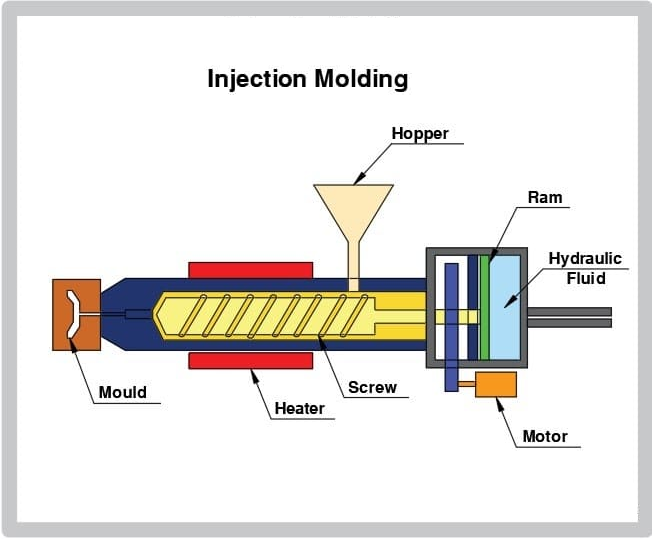
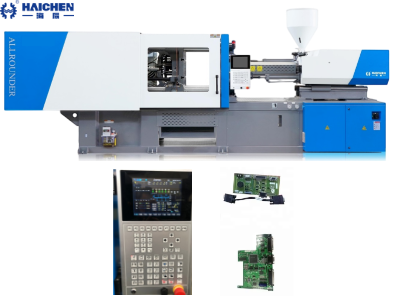
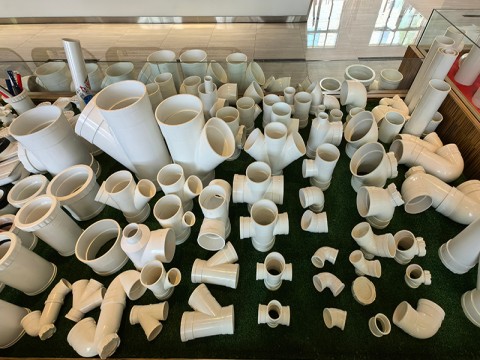
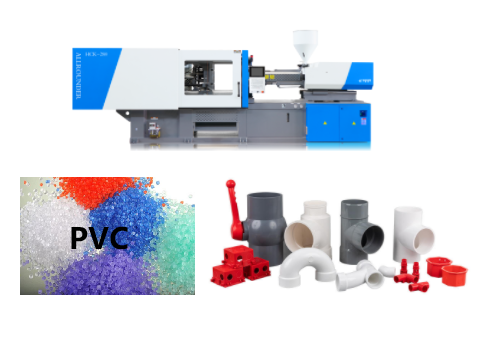
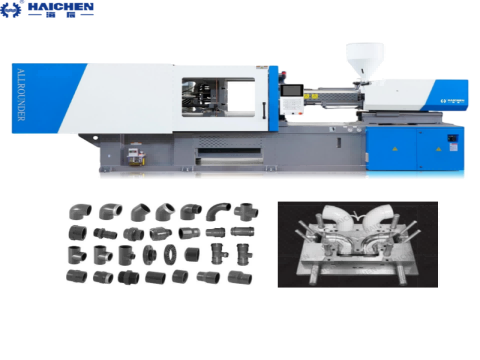
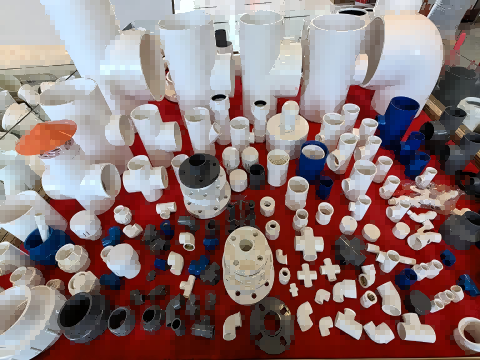
While the main body of PVC pipes is produced through extrusion, many of the associated fittings—such as connectors, elbows, and tees—are manufactured using injection molding. This process involves injecting molten PVC into a mold cavity, where it cools and takes the shape of the desired part. Injection molding allows for the production of complex shapes and precise dimensions, essential for creating reliable fittings.
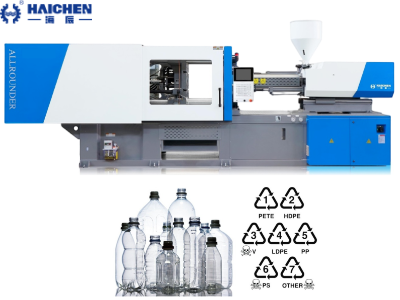
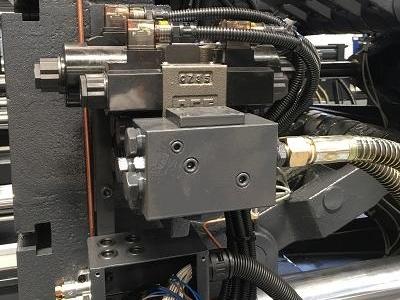
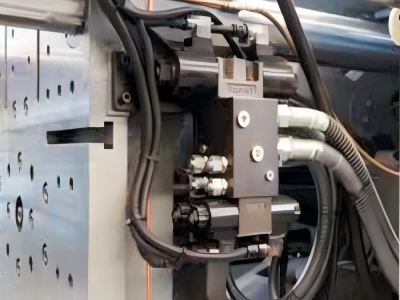
HAICHEN, a leading injection molding machine manufacturer, plays a vital role in this process. Our advanced machines are designed to deliver high precision and efficiency, ensuring that every fitting meets the highest quality standards. HAICHEN’s technology is particularly valued for its ability to maintain consistent pressure and temperature, which are critical factors in injection molding.
How PVC Pipes Are Made: Quality Control and Testing
Understanding how PVC pipes are made also involves recognizing the importance of quality control throughout the manufacturing process.
From the moment PVC resin is sourced to the final inspection of the finished pipe, stringent quality checks are in place. This ensures that each PVC pipe meets industry standards and customer specifications.
During production, factors such as material consistency, extrusion speed, and cooling rates are closely monitored.
Additionally, finished pipes undergo a series of tests, including pressure testing to ensure they can withstand the required water or fluid pressure, and dimensional checks to verify they meet the specified diameter and wall thickness.
These rigorous quality control measures are essential in guaranteeing the durability, reliability, and safety of PVC pipes for various applications, from plumbing to industrial use.
The manufacturing of PVC pipes is a complex yet highly efficient process that combines advanced extrusion and injection molding technologies. Leading manufacturers like HAICHEN provide the precision machinery needed to ensure high-quality production. Thailand‘s emergence as a manufacturing hub further highlights the global importance of this industry. Whether for plumbing, construction, or industrial applications, PVC pipes continue to be an essential material. Thanks to their durability, versatility, and cost-effectiveness.