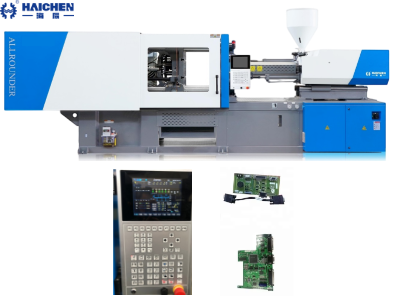
The cooling process in injection molding is a critical phase where the molten plastic solidifies within the mold cavity, transforming into the desired part shape while maintaining dimensional accuracy and mechanical properties.
In the injection molding process, the cooling and solidification of molten plastic in the mold cavity is a key step in determining product quality.
This stage requires precise control of the plastic solidification process to ensure that the dimensional accuracy and mechanical properties of the final product meet standard requirements.
Effective cooling management can not only improve product qualification rate, but also shorten production cycle and reduce defect rate.
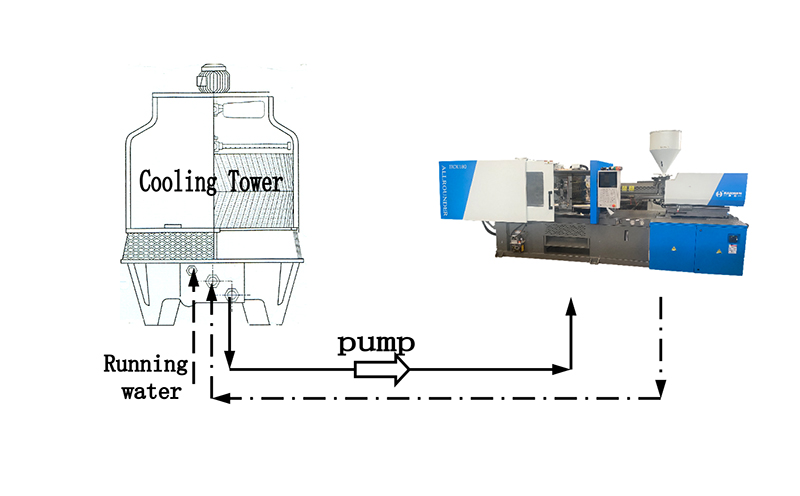
Definition and core role of cooling process
Cooling process is the key stage of solidification and shaping of molten plastic in the mold cavity during injection molding.
The specific definition is:
- Starting point: gate solidification (end of pressure holding);
- End point: the product is cooled to have sufficient rigidity and can be ejected from the mold.
Heat transfer is achieved through heat conduction in this stage: melt heat → mold surface → cooling medium (water/oil).
Core role:
- Quality assurance: avoid deformation and shrinkage, improve dimensional stability and surface finish;
- Efficiency key: accounting for 70%-90% of the molding cycle, shortening the cooling time can significantly increase production capacity.
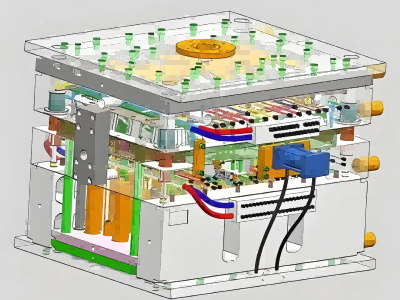
The Significance of Cooling
The cooling method in injection molding is critical for the following reasons:
- Dimensional Accuracy: Proper cooling within the injection molding process will make sure that the plastic component has uniformly-shrinking cross-sections for maximum dimensional accuracy.
- Surface Quality: As for the surface quality of the molded part, defects like warpage, sink marks, and other surface blemishes will be eliminated with the properly controlled cooling process.
- Cycle Time: The time it takes for the plastic component to cool and solidify is scientifically proven to be directly related to the production level. Proper cooling will thus enhance production.
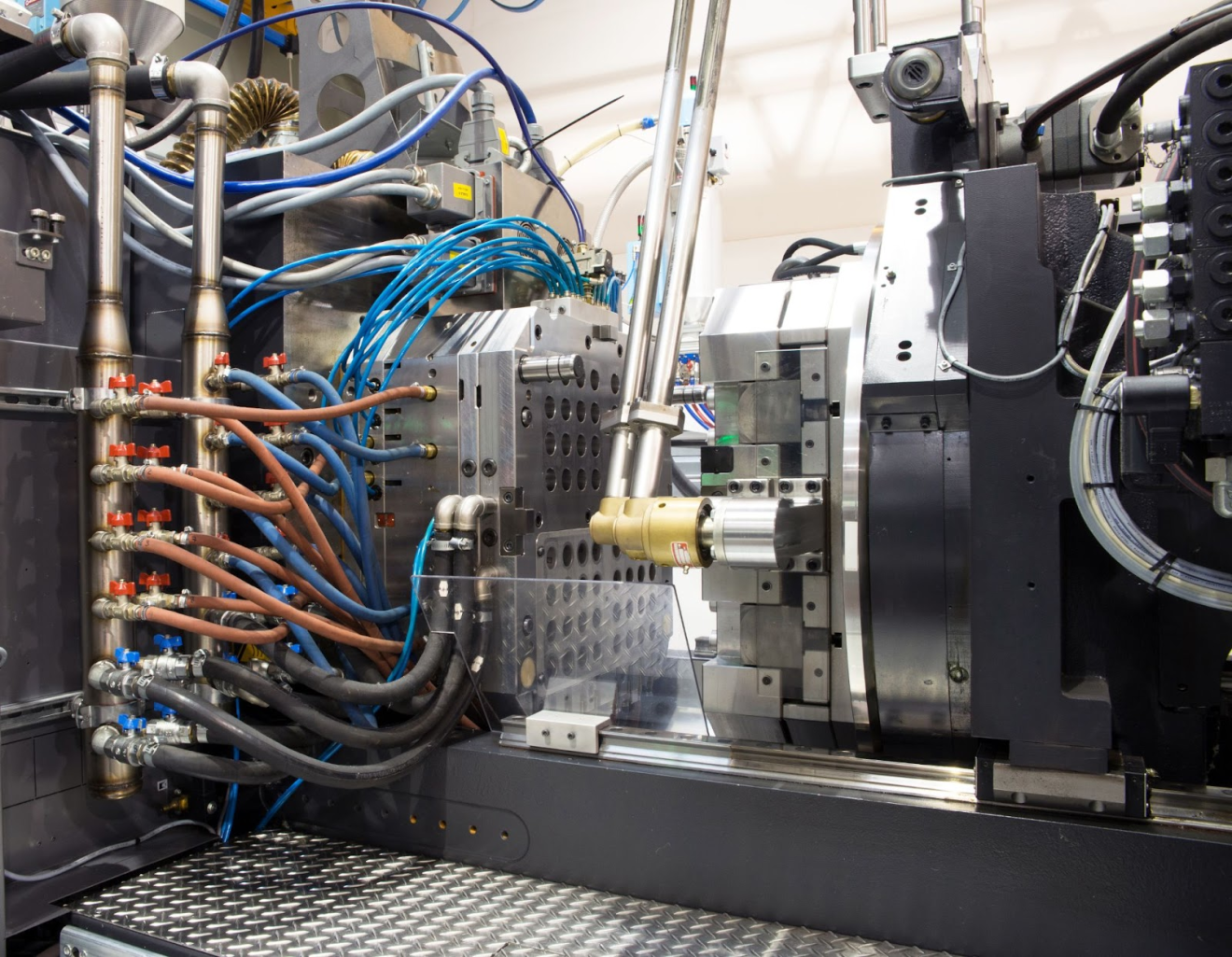
The Cooling Process
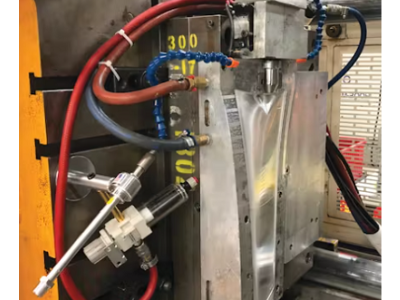
The injection molding machinery has to fill the mold cavity with molten plastic first. Once filled, the cooling sequence of steps begins. The cooling process is usually done passively, as the plastic mold does and actively, in that coolants are circulated through the mold for better heat exchange.
Factors Influencing the Cooling Process
What follows are the main factors with the greatest influence in the speed of the cooling method:
- Mold Material: The material used for the mold directly impacts the efficiency of the cooling process.
- Coolant Temperature: The efficiency of the coolant applied to the channels affects the rate of cooling.
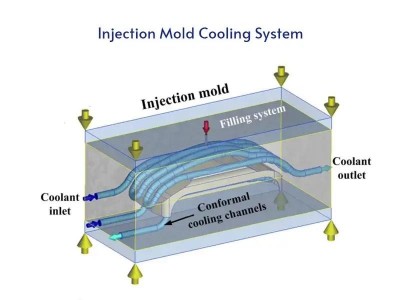
- Cooling Channel Configuration: The arrangement and position of the cooling channels within the mold are of great importance to achieve the desired uniform cooling.
Optimizing Cooling
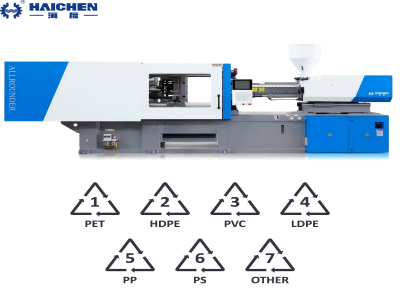
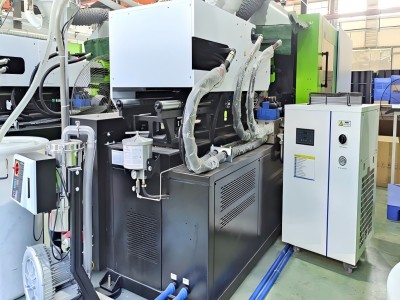
To enhance the efficiency of the cooling process, simulation software is often used in the design of the molds to incorporate cooling channels. Moreover, HAICHEN systematically incorporates modern temperature control mechanisms to ensure the exact cooling of every component within its sophisticated injection molding machines.
Technical solutions for injection molding machine manufacturers
As an equipment provider, HAICHEN can empower customers through the following solutions:
Integrated intelligent cooling module
- Injection molding machines equipped with sensors and AI algorithms optimize cooling parameters in real time;
- Support remote monitoring of cooling system status.
Customized cooling system
- Conformal cooling mold design service shortens cycle time by more than 50%;
- Closed-loop water system reduces water and energy consumption.
Green technology application
- Heat recovery system: Use cooling waste heat to preheat raw materials;
- Low-noise cooling tower (<75 dB) meets environmental standards.
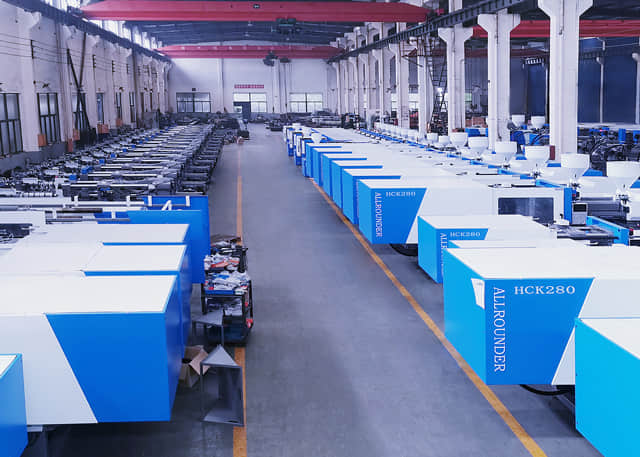
Mastering the process of cooling in injection molding is key to attaining high quality production as well as operational efficiency. From a manufacturing standpoint, optimizing cooling allows the production of components with improved accuracy of dimensions, better quality of the surface finish, and decreased time in cycles.