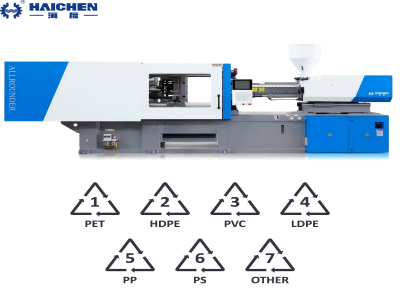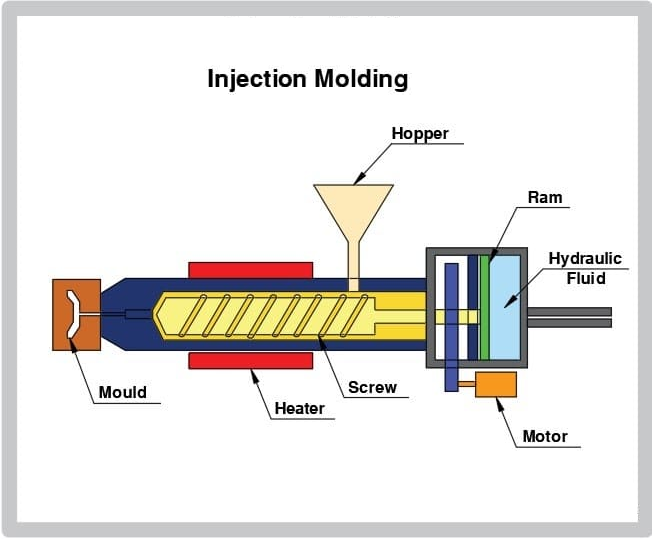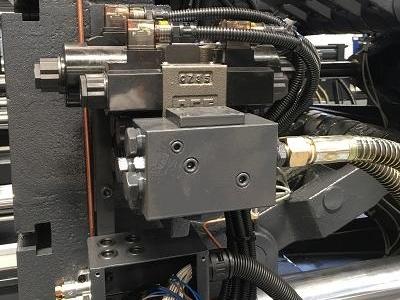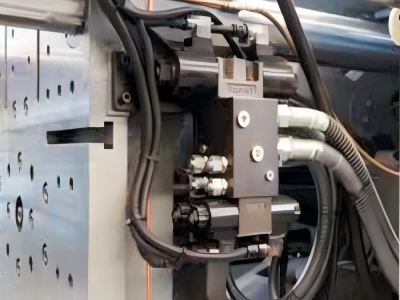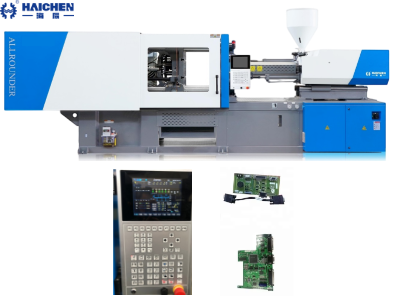
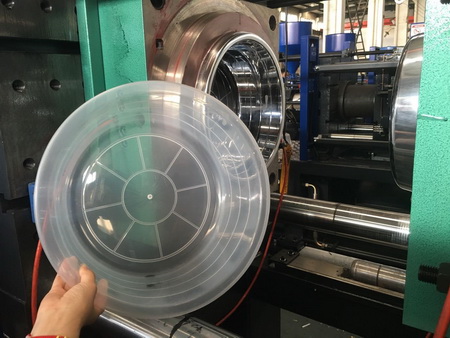
The injection moulding cooling step is crucial. Once the molten liquid plastic material is injected into the mould cavity, it is cooled. During this step, the material returns to a solid state, forming the shape of the finished part. The injection moulding process consists of several different steps, each of which affects the quality of the finished part.
Injection molding technology is highly optimized for speed and consistency. One of the key optimization parameters in an injection molding cooling system is mold cooling. Improving cooling methods can significantly reduce production cycle time while improving part consistency and quality. This article will compare conformal cooling to traditional cooling and introduce the advantages of each.
We have observed that the temperature control system of the injection mold directly affects the quality and production efficiency of the molded product. Too high a temperature on the mold cavity surface can cause flash on the parting line and dents in the thicker part of the plastic part. On the contrary, too low a temperature can cause poor filling and weak weld lines.
Key points in designing cooling system for injection molding
Cooling system design and methods in injection molding directly impact production efficiency and product quality. Below is a summarized overview of key aspects:
- Cooling Method Classification
- Cooling System Design Principles
- Cooling Time and Efficiency Optimization
- Defect Prevention and Quality Control
Cooling Method Classification
- Traditional Cooling (Straight-Channel Cooling)
- Uses drilled or milled straight cooling channels; low-cost and easy to implement but limited to geometrically simple molds.
- Limitations: Uneven cooling for complex geometries (e.g., thin walls, deep cavities, or curved surfaces), leading to localized overheating and defects (warping, sink marks).
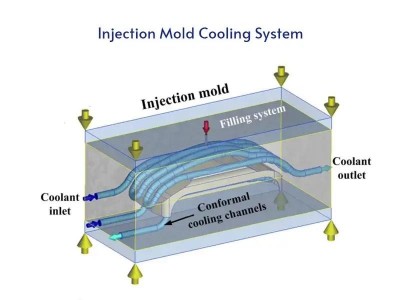
- Conformal Cooling
- Channels follow the part contour, closely aligning with the mold cavity surface for rapid, uniform cooling.
- Advantages:
- Ideal for complex geometries (e.g., automotive parts, medical devices), reducing thermal stress and deformation.
- Enabled by 3D printing (e.g., DMLS/SLM), overcoming traditional machining constraints.
- Limitations: Higher manufacturing costs; requires CAE software for design optimization.
- Auxiliary Cooling Techniques
- Water Cooling: Utilizes circulating coolant (often water with glycol additives to prevent corrosion) for efficient heat dissipation, ideal for precision molds and temperature-sensitive materials.
- Air Cooling: Employs fans or blowers for convective cooling; low-cost but less efficient, suitable for simple molds.
- Hybrid Cooling: Combines water and air cooling to balance efficiency and cost.
- Turbulators (Baffles/Bubblers): Enhance coolant turbulence to improve heat transfer, especially in deep cavities or narrow regions.
Cooling System Design Principles
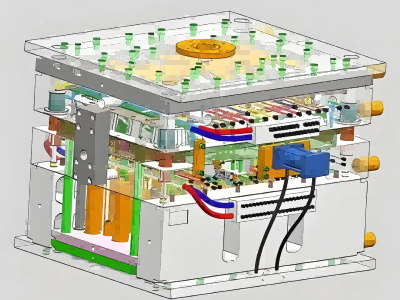
- Channel Layout Guidelines
- Proximity to Cavity: Position channels close to thick-walled areas (recommended distance = channel diameter; e.g., ½ inch from cavity for a ½-inch channel) to avoid stress concentration.
- Uniform Distribution: Use multiple small-diameter channels instead of a single large channel for optimal heat transfer.
- Zoned Control: Design independent cooling loops for core/cavity to ensure balanced cooling.
- Material Selection
- High-thermal-conductivity mold materials (e.g., beryllium copper, aluminum alloys) can improve cooling efficiency by ~50%.
- Steel grades should match the thermal shrinkage properties of the polymer (e.g., channel alignment for PE shrinkage direction).
- Process Optimization
- Coolant Parameters: Maintain stable coolant temperature (typically 10–20°C) with turbulent flow (Reynolds number > 10,000) to maximize heat transfer.
- Dynamic Control: Pulsed cooling technology (alternating high/low flow rates) can reduce cooling time by 10–20%.
Cooling Time and Efficiency Optimization
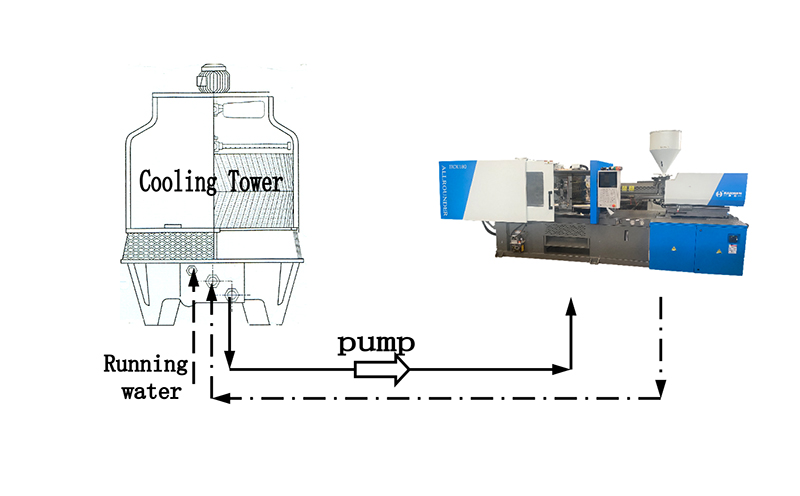
- Cooling Time Contribution: Cooling accounts for 60–70% of the total cycle time; optimized systems significantly shorten production cycles.
- Strategies to Reduce Cooling Time:
- Rapid thermal cycling (40–60 kW systems) reduces time by 15–25%.
- Precise mold temperature control (e.g., lowering mold temp by 10–20°C) minimizes defects from temperature gradients.
Defect Prevention and Quality Control
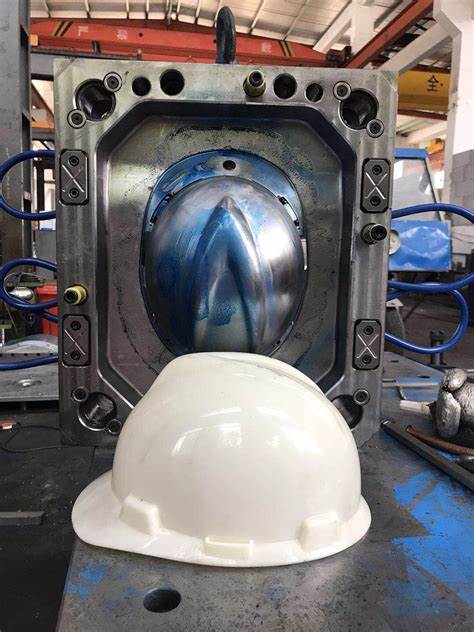
- Uniform Cooling: Prevents warping, sink marks, or residual stress caused by uneven heat dissipation.
- Critical Area Treatment:
- Reinforce cooling near gates (dedicated cooling loops).
- Avoid cooling channels near weld lines to preserve strength.
Optimizing injection molding cooling requires advanced design (e.g., conformal cooling), high-thermal-conductivity materials, and process control (turbulent flow, dynamic adjustments). Traditional methods suit simple molds, while complex geometries demand conformal cooling systems enabled by 3D printing and CAE simulation.
Injection Molding molds Cooling design
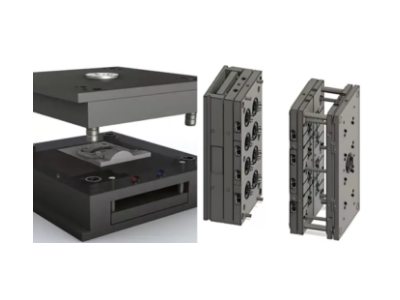
The cooling system design of injection molds is critical for ensuring production efficiency and product quality. Its optimization involves multiple key principles and technologies. Below is a detailed analysis based on comprehensive evidence:
- Importance of Cooling Systems
- Design Principles
- Cooling Methods
- Optimization Strategies & Technologies
- Key Considerations
- Application Scenarios
Importance of Cooling Systems
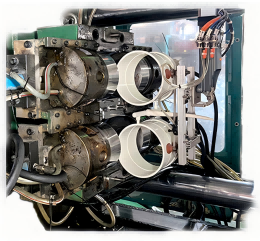
- Cycle Time Reduction: Cooling accounts for 60%-80% of the total molding cycle. Proper design significantly reduces production time and costs.
- Defect Prevention: Uniform cooling minimizes warpage, sink marks, residual stress, and improves dimensional accuracy.
Design Principles
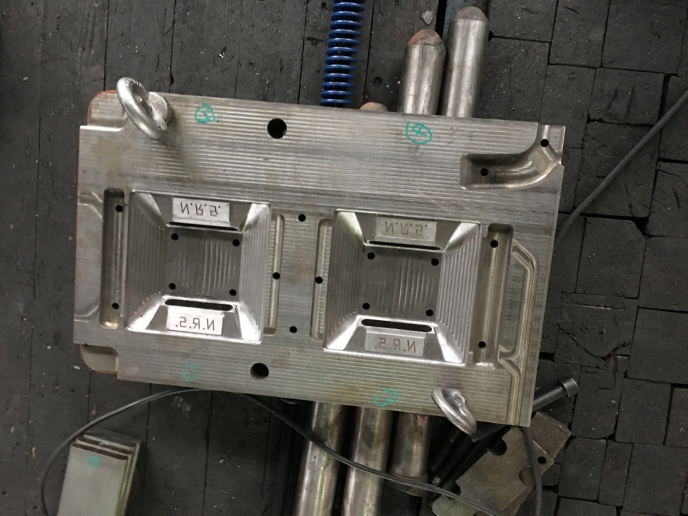
- Cooling Channel Layout:
- Proximity to Cavity Surface: Channels should be placed as close as possible to thick-walled areas, typically 1/2 inch (12.7 mm) from the cavity surface, to avoid stress concentration and enhance heat dissipation.
- Conformal Cooling: Achieved via 3D printing, this method creates curved channels that mirror the part geometry. Ideal for complex structures, it ensures uniform cooling and reduces cycle time.
- Balanced Distribution: Separate cooling circuits for core and cavity ensure thermal equilibrium, with enhanced cooling for cores due to their lower heat dissipation capacity.
- Critical Area Cooling:
- Gate Zones: High-temperature melt first contacts the gate, requiring dedicated cooling channels or increased flow velocity to prevent localized overheating.
- Avoiding Weld Lines: Weld lines inherently have lower temperatures; adding cooling here worsens defects.
- Channel Orientation for Shrinkage Control: For high-shrinkage materials (e.g., PP, PE), align channels with the part’s shrinkage direction to minimize deformation.
Cooling Methods
- Traditional Cooling: Drilled or milled straight channels. Low cost but limited to simple geometries.
- Advanced Cooling Strategies:
- Baffles & Bubblers: Redirect coolant to hard-to-reach areas (e.g., deep cavities or slender features).
- Thermal Pins: Use phase-change materials for rapid heat transfer in confined spaces.
- Air Cooling Systems: Utilize airflow for complex geometries or high-precision parts (e.g., medical devices).
Optimization Strategies & Technologies
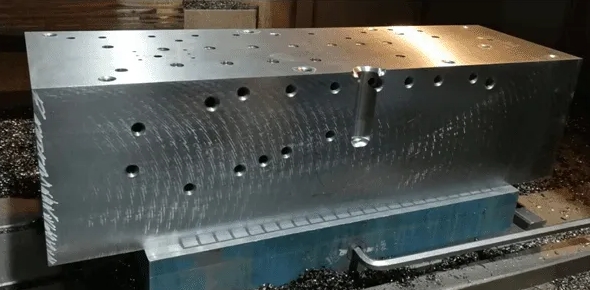
- Material Selection:
- High Thermal Conductivity Alloys: Beryllium copper or aluminum alloys improve heat dissipation by up to 50%, especially for slender cores.
- Channel Design Parameters:
- Diameter & Quantity: Use 10–15 mm diameters to promote turbulent flow. Multiple small channels outperform single large ones for uniform cooling.
- Inlet/Outlet Placement: Position on non-operational mold sides. Maintain coolant temperature difference ≤5°C to avoid thermal imbalance.
- Advanced Technologies:
- CFD Simulation & 3D Printing: Optimize channel layouts computationally and fabricate conformal cooling systems via additive manufacturing.
- Multi-Zone Temperature Control: Independent cooling loops adjust cooling intensity for different regions.
Key Considerations
- Mold Structural Integrity: Balance cooling efficiency with mold strength when placing channels near the cavity.
- Coolant Selection: Adjust coolant type (water, oil, or glycol mixtures) and temperature based on material properties.
Application Scenarios
- Automotive & Aerospace: Require high precision and structural integrity; often use conformal cooling combined with air cooling.
- Medical Devices: Demand surface perfection; employ multi-loop independent temperature control.
By integrating these principles and technologies, injection mold cooling systems achieve efficient and uniform heat dissipation, enhancing productivity and reducing defects. Practical design must balance part geometry, material behavior, and production requirements, validated through simulation tools where necessary.
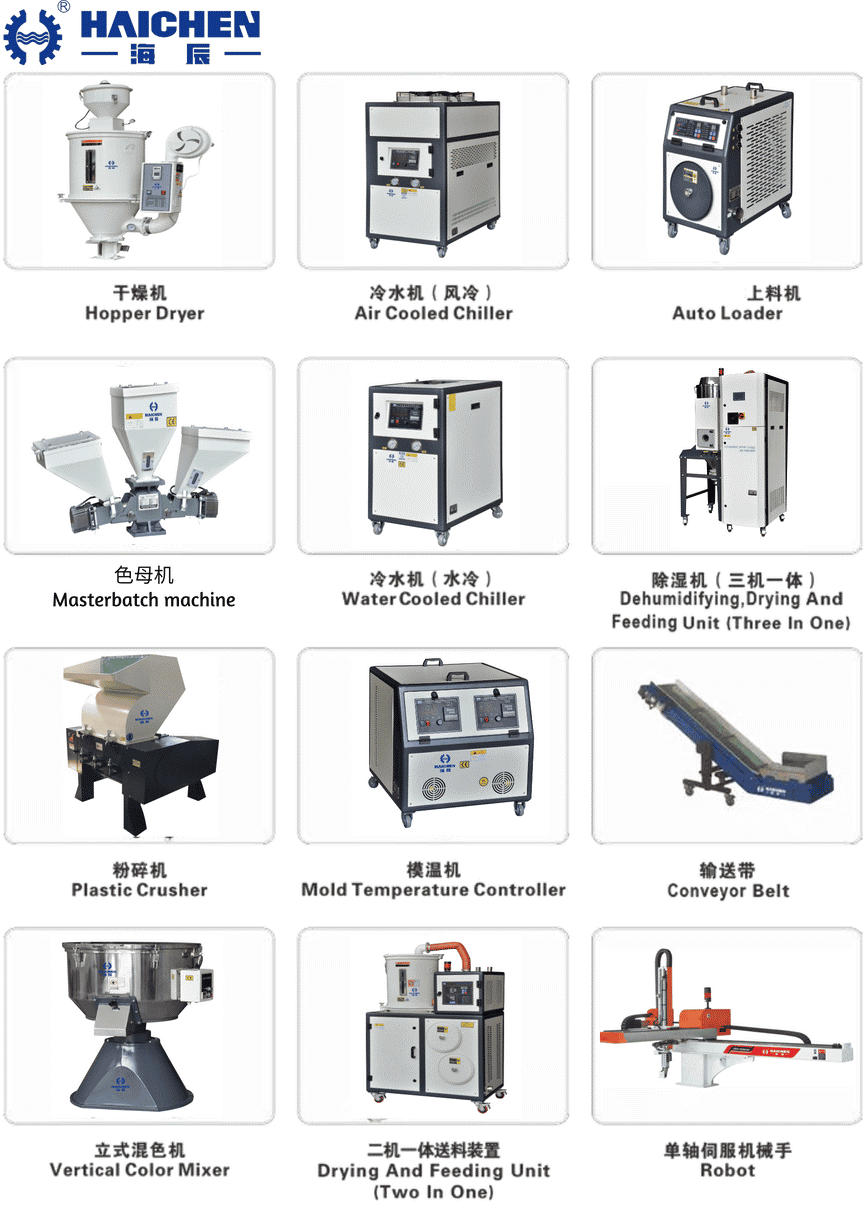
Cooling system of Haichen injection molding machine
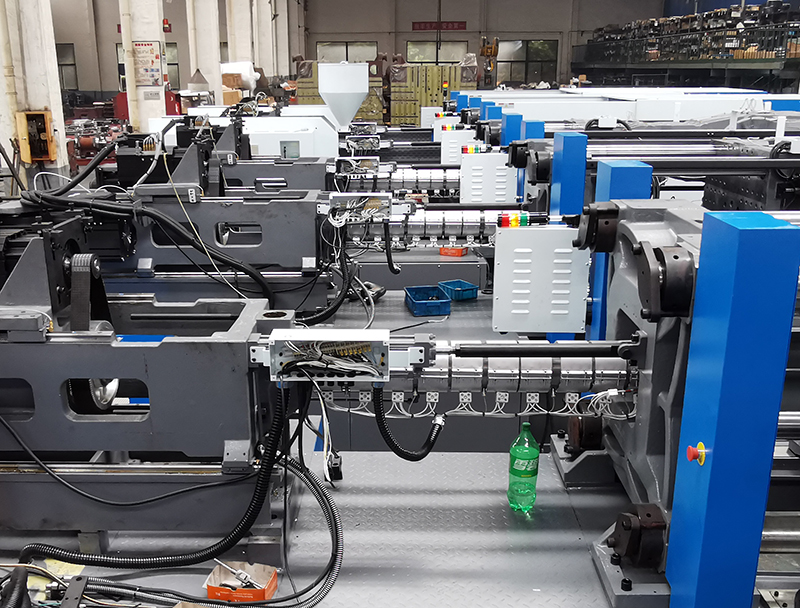
The cooling system is a core component of Haichen injection molding machines, significantly impacting product quality and production efficiency. Below is a comprehensive analysis based on technical literature:
- Basic Principles and Components
- Design Considerations
- Optimization Strategies and Benefits
- Innovative Technologies
Basic Principles and Components
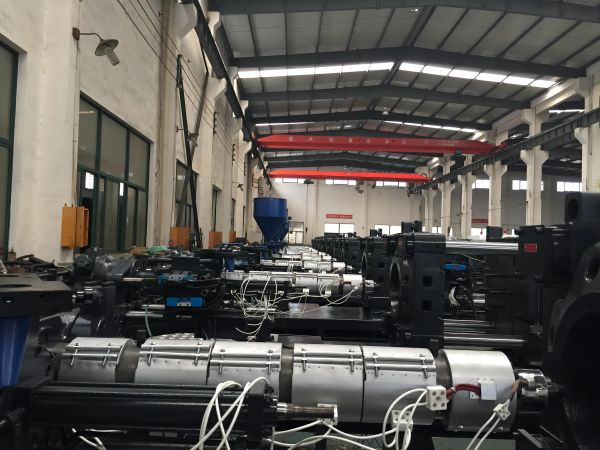
- Heat Transfer and Fluid Circulation
The cooling system circulates water or coolant through mold channels to dissipate heat generated during plastic injection. Heat transfer occurs via conduction (mold-to-coolant contact) and convection (fluid flow). Key components include a water tank, pump, chiller, and temperature controller, forming a closed-loop system to maintain mold temperatures between 50–70°C (e.g., below 60°C for nylon materials). - Key Components
- Temperature Controller: Adjusts coolant temperature (±10–30°C from ambient) and flow rate to prevent defects like warping or cracking.
- Integrated Cooling/Heating Units: Combined with closed-circuit cooling towers, they prevent scaling and contamination, ensuring stable operation.
Design Considerations
- Cooling Channel Layout
- Uniform Distribution: Channels are spaced 15–20 mm from the mold cavity surface (closer spacing risks uneven cooling; farther spacing reduces efficiency). Diameters typically range from 6–10 mm, with multi-stage or parallel designs for complex molds.
- Avoid Dead Zones: Single-loop channels are limited to 1.5–2 m to minimize temperature gradients. Long parts require shorter loops for uniform cooling.
- Coolant Selection and Parameters
- Water as Primary Coolant: Low cost and high heat capacity make water ideal for most applications. Oil or compressed air may be used for heat-sensitive materials.
- Turbulent Flow Optimization: Flow rates are calculated using Reynolds numbers to ensure turbulent flow, enhancing heat transfer efficiency.
- Smart Control and Simulation
- CFD Simulation: Computational Fluid Dynamics (CFD) optimizes channel design, while sensors enable real-time adjustments to reduce thermal stress.
- Precision Temperature Control: Advanced systems achieve ±1°C accuracy, shortening cycle times.
Optimization Strategies and Benefits
- Efficiency Improvements
- Reduced Cooling Time: Optimized systems shorten cooling to 50–80% of the cycle time (e.g., rapid cooling for nylon parts).
- Uniform Cooling: Balanced temperature between mold core and cavity prevents warping (e.g., layered channel designs for thick-walled parts).
- Energy Savings and Maintenance
- Closed-Loop Systems: Reduce water consumption by 30–50% and minimize scaling compared to open-loop systems.
- Regular Maintenance: Includes cleaning channels, checking seals, and using anti-corrosion coolant.
Innovative Technologies
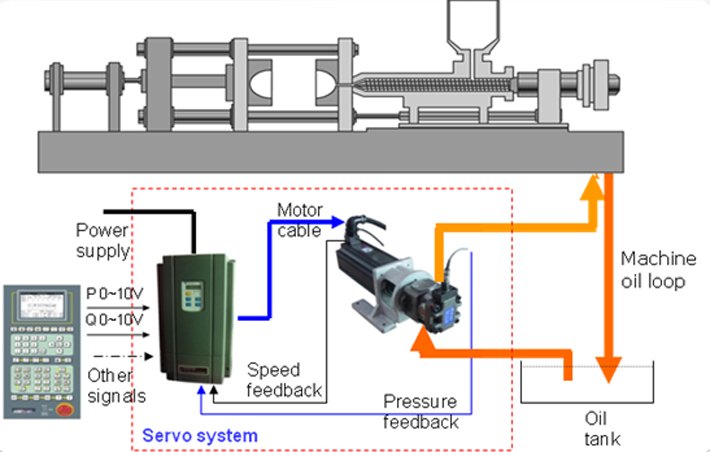
- Modular Cooling Systems
Haichen’s integrated cooling/heating units with variable-frequency drives (10–40 kW) enable flexible, energy-efficient temperature control for complex molds. - Hybrid Cooling
Combines water cooling with natural air cooling (25–35°C) for high-conductivity materials, reducing energy use. - IoT Integration
Future systems may feature remote monitoring, predictive maintenance, and data-driven parameter optimization.
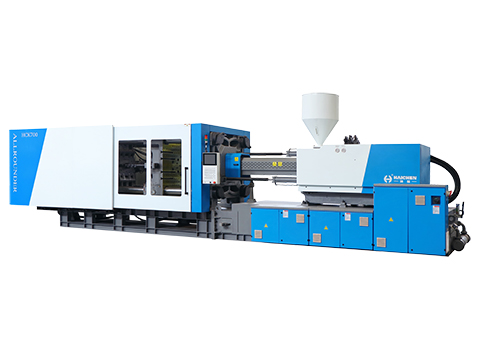
Haichen’s cooling system balances precision thermal management, energy efficiency, and adaptability through advanced design, smart controls, and modular technology. Its ability to ensure uniform cooling, rapid heat dissipation, and material-specific adjustments enhances product quality and operational competitiveness in injection molding.