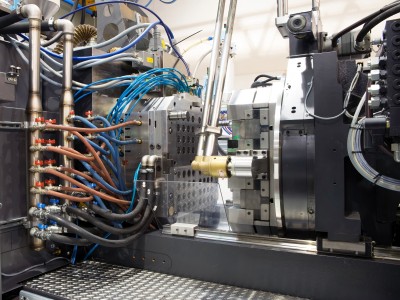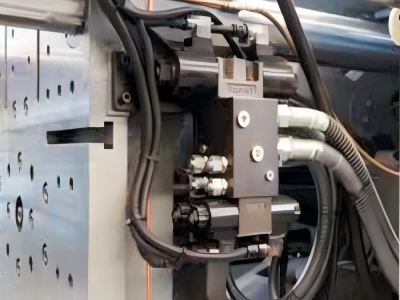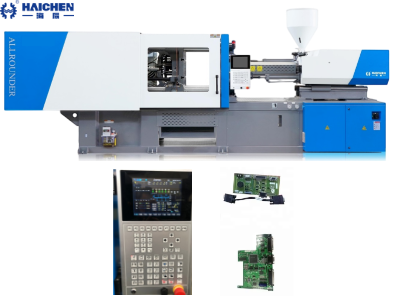
Cooling system of an injection molding machine works by circulating a cooling medium such as water or coolant to remove the heat absorbed by the mold and the injection molded part during the molding process.
Thereby reducing the mold temperature and achieving rapid cooling.
The design and operational efficiency of the cooling system directly affect the molding quality and production efficiency of plastic parts.
Cooling System in injection molding is a critical part of the injection molding process.
And their design and optimization have a direct impact on product quality, productivity, and cycle time.
The main function of the cooling system is to absorb the heat in the mold by circulating the cooling medium usually water or oil.
Thereby accelerating the curing process of the plastic, ensuring uniform temperature distribution within the mold and avoiding defects such as warpage, shrinkage marks, residual stresses and cracks.
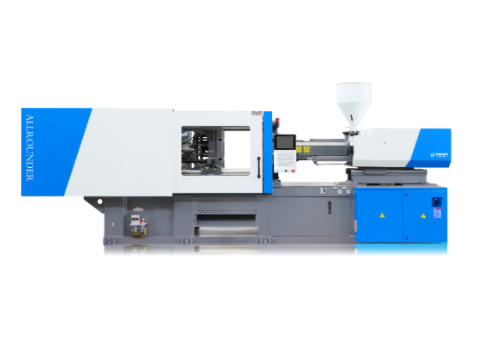
Components of the Cooling System in Injection Molding
- Cooling water tank
- Water Pump
- Cooling pipe
- Coolers
- Temperature controller
Cooling water tank
A cooling water tank usually refers to a container used for storing cooling water.
Its main function is to store and circulate cooling water, but it does not have a refrigeration function.
It is usually used in conjunction with cooling towers or chillers to provide the storage and circulation of cooling water.
Water Pump
In the injection molding production process, water pumps are mainly used for the circulating water supply of the cooling system to ensure the stability of the temperature of the injection molding machine.
The application cases of energy-saving technologies for injection molding machine cooling water pumps cover multiple aspects.
Such as variable frequency speed regulation, high-efficiency water pumps, cooling system optimization, energy-saving hydraulic drive, water source heat pumps, and cooling system maintenance.
Draws cooling water from the tank and delivers it inside the mold.
Cooling pipe
Delivers cooling water to the surface of the mold and absorbs heat by touching the surface of the mold and the surface of the plastic parts.
The design of the mold cooling system needs to be adjusted according to the material properties.
For instance, for high-precision or high-demand molds, measures such as cooling waterways, heating systems or heat insulation plates may be needed to control the mold temperature.
Optimization of the cooling system, such as increasing the number of cooling pipes and raising the flow rate of the cooling medium, can enhance cooling efficiency and shorten the molding cycle.
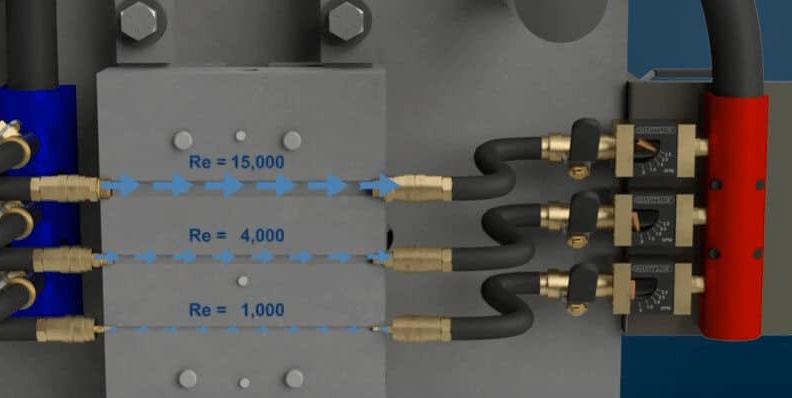
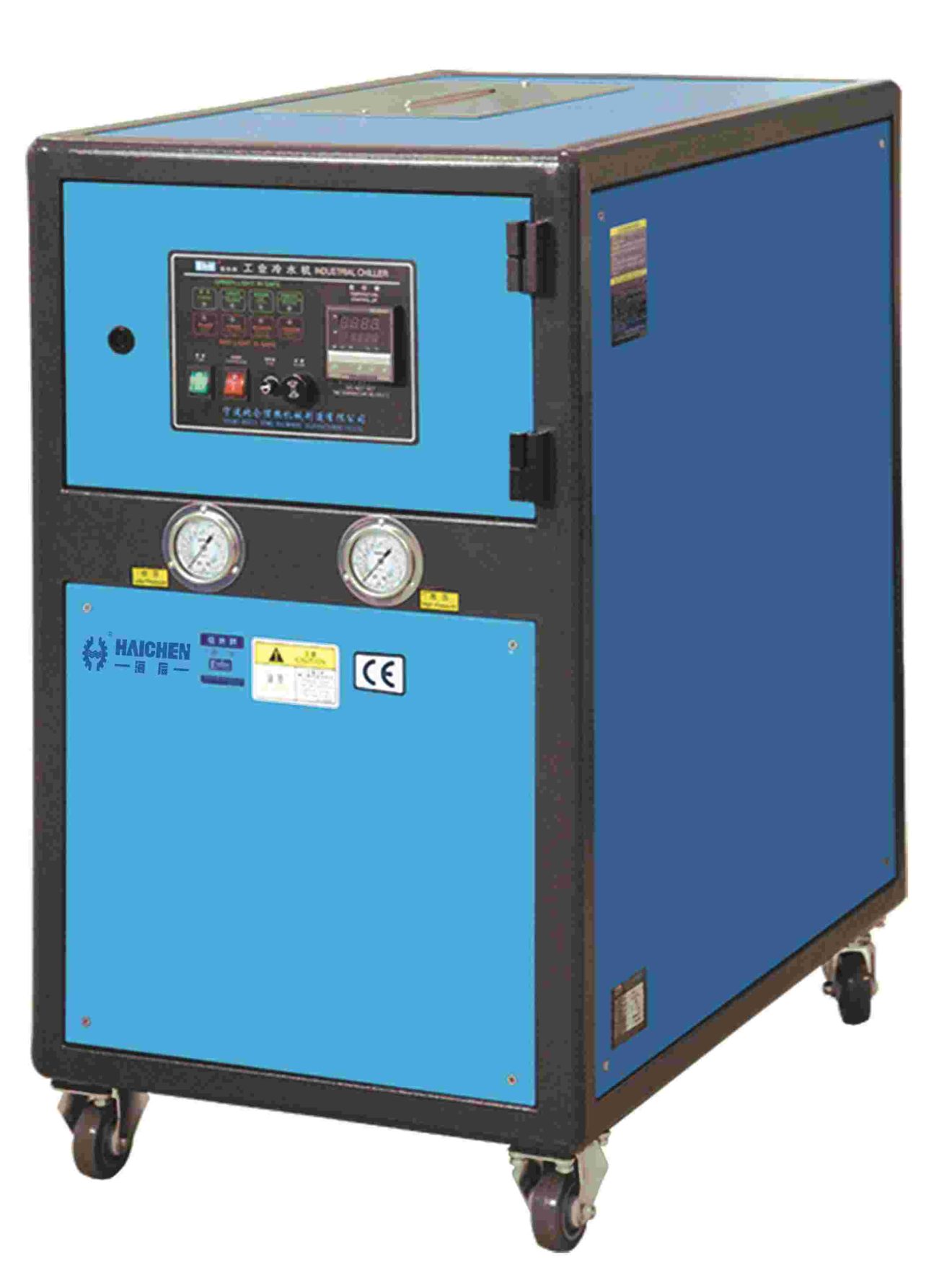
Coolers
Chiller: It is divided into air-cooled type and water-cooled type, and is used to quickly lower the temperature of molds.
Air-cooled chillers dissipate heat through air such as screw-type air-cooled chillers, making them suitable for environments with limited water resources.
Water-cooled types need to be used in conjunction with cooling towers for higher efficiency.
For every 1 horsepower (hp), the air-cooled machine can handle 64 tons of clamping force, while the water-cooled machine can handle 80 tons of clamping force.
For instance, three 200-ton injection molding machines need to be equipped with 8hp chillers.
Temperature controller
The temperature controller of an injection molding machine is a core device in the injection molding process, responsible for precisely controlling the temperatures of the barrel, nozzle, hydraulic oil and mold, directly affecting the quality of plastic products and production efficiency.
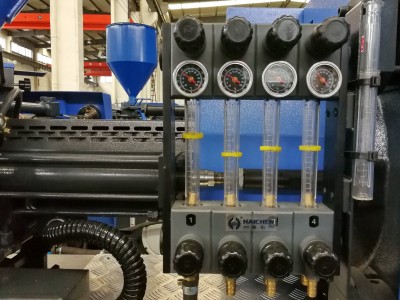
Used to monitor and adjust the temperature and flow rate of cooling water to ensure the stability of mold temperature.
The working principle of the Cooling System in Injection Molding
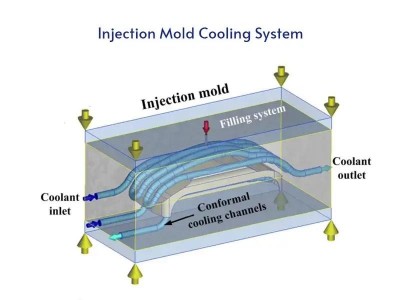
In the injection molding process, the water pump draws the cooling water from the water tank.
The cooling water flows in the mold, and absorbs the heat of the mold and the plastic parts.
And the cooling water absorbs the heat on the surface of the mold and then flows back into the water tank through the pipeline to achieve circulation.
The temperature and flow rate of the cooling water are regulated by a temperature controller to ensure that the temperature of the mold and plastic parts is optimal.
In short, the circulation of cooling water can effectively reduce the mold temperature.
Thereby shortening the molding cycle and improving production efficiency.
Impact of the Cooling System in Injection Molding on production Productivity
- Product Quality
- Cycle time
Product Quality
The cooling phase accounts for 60-70% of the entire injection cycle.
So optimizing the cooling system can significantly improve production efficiency.
Uniform cooling helps reduce warpage, shrinkage marks, and other defects.
This results in improved dimensional accuracy and product surface quality.
Cycle time
By optimizing the cooling system, the cooling time of the mold can be shortened.
Which can reduce the production cycle time and increase the production speed.
Maintenance and upkeep of the Cooling System in Injection Molding
- Check your cooling system regularly
- Clean the cooling system
- Check the coolant
- Monitor temperature
- Clean the oil cooler
- Keep your equipment clean
Check your cooling system regularly
It is essential to ensure that the cooling system is functioning properly.
It is necessary to check whether the cooling water circulation is smooth and whether the pressure difference between the inlet and outlet water is normal.
If it is found that the cooling water circulation is not smooth or the flow rate is insufficient.
The return water channel should be cleaned in time.
Clean the cooling system
Regularly remove scale and impurities from the cooling system to keep the cooling channel unblocked.
This helps to prevent poor cooling due to limescale build-up, which can prevent the machine from overheating.
Check the coolant
Make sure the concentration and quality of the coolant meet the requirements.
If necessary, the coolant should be replaced to ensure its effectiveness and safety.
Monitor temperature
Use temperature monitoring equipment to ensure that the machine is operating within a safe temperature range.
Especially in high-temperature environments, it is necessary to pay more attention to temperature control.
Clean the oil cooler
If the oil cooler is clogged or the cooling effect is not good, the oil cooler should be cleaned in time.
Keep your equipment clean
Regularly cleaning the injection molding machine and its surroundings to avoid the accumulation of dust and impurities can help improve the overall operating efficiency and longevity of the equipment.
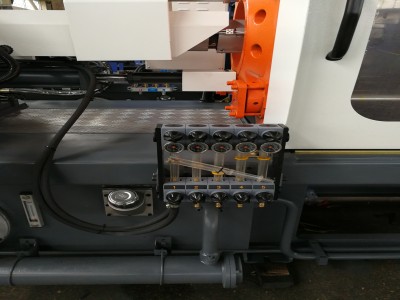
Why does Haichen attach great importance to the cooling system
Because a poorly designed cooling system for injection molds will increase the molding time and production costs.
Besides,the change of mold temperature has the greatest influence on the cycle time.
For this reason, Haichen’s mold designers attach so much importance to temperature uniformity.
Ideally, mold designers must strive to keep the pressure drop of the entire mold no more than 5 psi.
An efficient cooling system helps overcome these practical problems, enabling mold designers to manage the balance between temperature, pressure and time.
Thereby achieving the ultimate goal: shortening the cycle time.