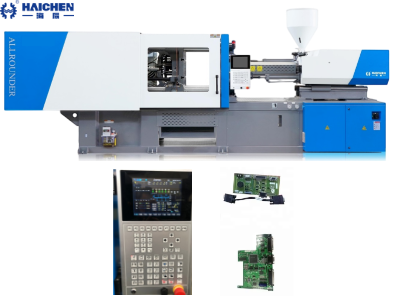
Injection molding PLA (Polylactic Acid) is a manufacturing process used to produce plastic parts by injecting molten PLA into a mold.
The process of injection molding PLA
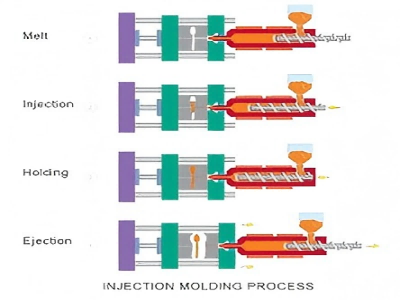
The process of injection molding PLA (Polylactic Acid) involves several key steps and considerations to ensure high-quality and sustainable production. Here’s a detailed overview:
Material Preparation
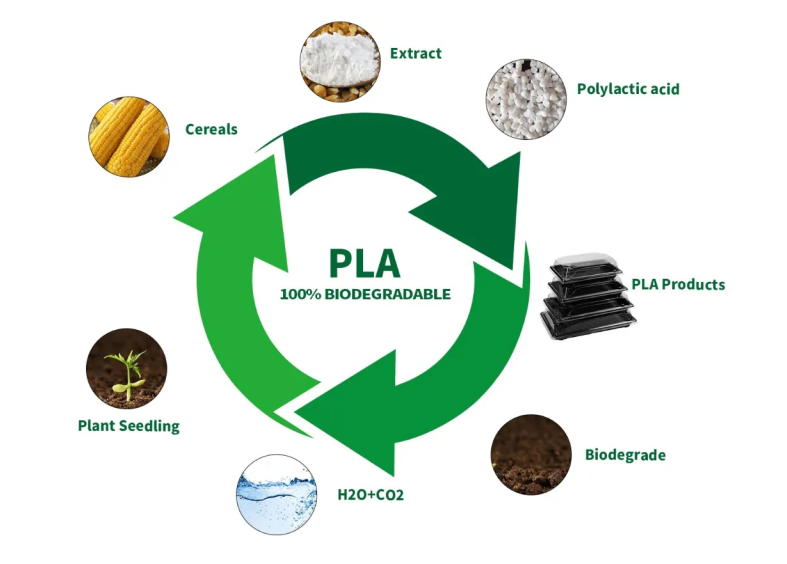
Drying: PLA pellets are hygroscopic, meaning they absorb moisture from the air. Manufacturers typically dry the pellets in a hopper dryer before processing to remove any moisture, which can affect the quality of the final product.
Feeding: The dried PLA pellets are fed into the injection molding machine’s hopper.
Melting
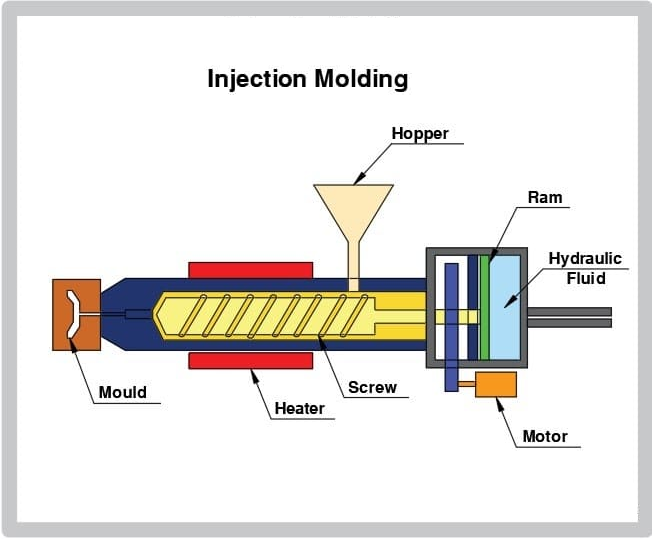
Heating: The PLA pellets are conveyed from the hopper into a heated barrel of the molding machine.
Inside the barrel, a reciprocating screw rotates and moves forward, heating and melting the PLA pellets through friction and external heaters.
Homogenization: The molten PLA is homogenized to ensure a consistent temperature and viscosity throughout the material.
Injection
Injection Phase: Once the PLA is fully melted and homogenized, the screw moves forward, injecting the molten PLA into the mold cavity under high pressure.
The mold consists of two halves. The fixed half (cover die) and the moving half (ejector die).
Filling: The molten PLA fills the mold cavity, taking the shape of the desired part. Operators carefully control the injection pressure and speed to ensure complete filling without defects.
Cooling
Solidification: After the mold cavity filling, the molten PLA begins to cool and solidify. Cooling channels within the mold help to dissipate heat and speed up the solidification process.
Holding Pressure: A holding pressure is maintained to ensure that the PLA fully fills the mold and compensates for any shrinkage as the material cools.
Ejection
Mold Opening: Once the PLA has sufficiently cooled and solidified, the mold opens by separating the two halves.
Ejection: Ejector pins or other mechanisms push the solidified part out of the mold cavity.
Post-Processing
Trimming: Operators trim off any excess material, such as flash or sprue, from the part.
Finishing: Manufacturers may perform additional finishing processes, such as surface treatment or assembly, depending on the requirements of the final product.
Key Considerations for PLA Injection Molding
Temperature Control: PLA has a relatively low melting temperature (typically around 160-180°C or 320-356°F). Careful temperature control is essential to avoid degradation.
Mold Design: Engineers should design the mold with appropriate cooling channels to ensure even cooling and minimize warping or shrinkage.
Injection Speed and Pressure: Optimal injection speed and pressure settings are crucial to achieve high-quality parts without defects like air traps or incomplete filling.
Ventilation: Proper venting in the mold is necessary to allow air to escape as the molten PLA fills the cavity, preventing defects such as burns or voids.
Haichen injection molding machine supplier
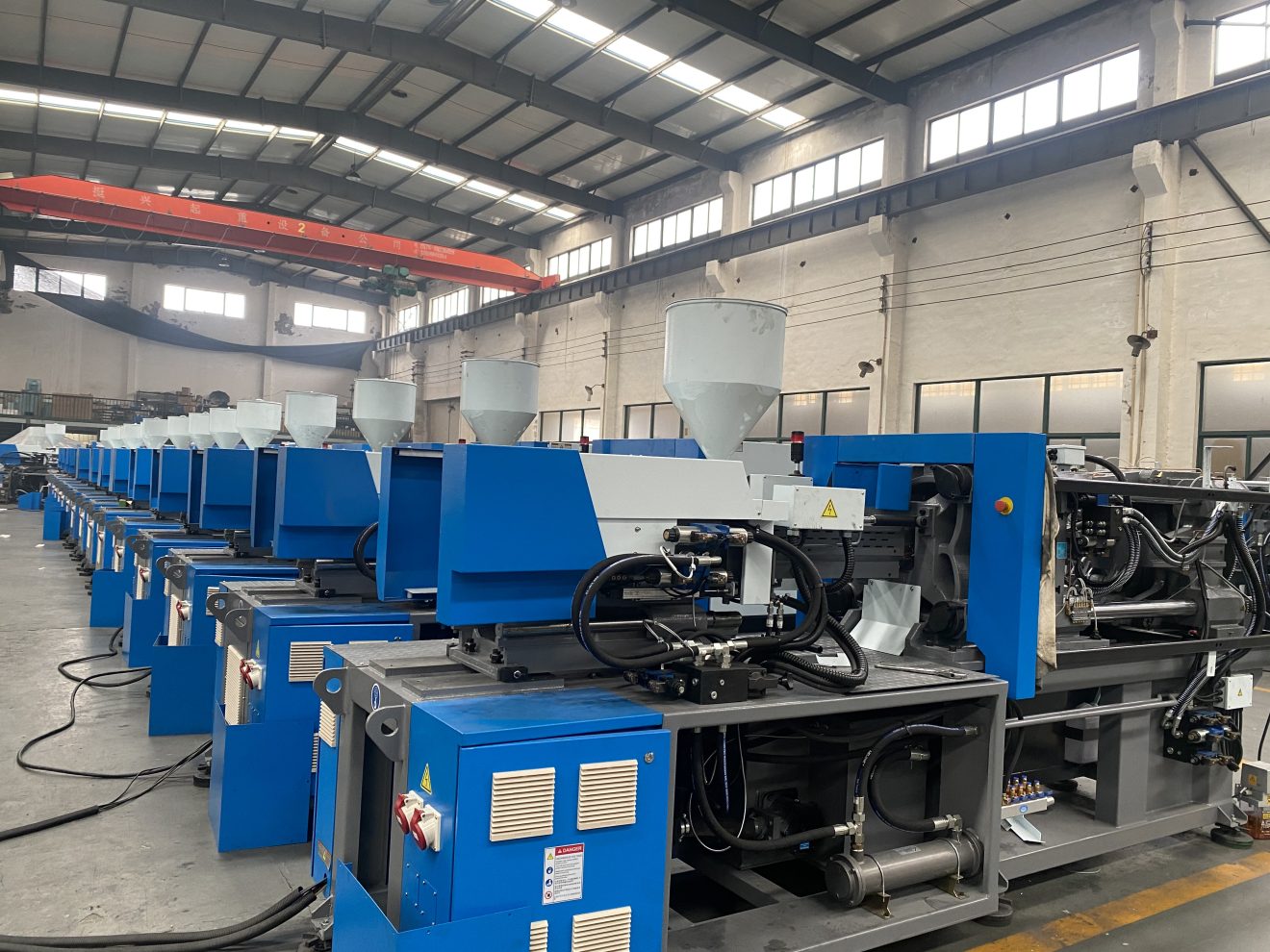
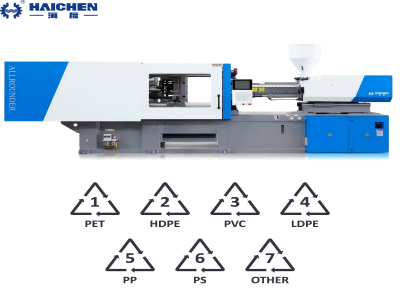
Haichen is a well-known supplier of injection molding machines, including those suitable for processing PLA (Polylactic Acid). We offer a range of machines designed to meet the specific requirements of bioplastics like PLA, ensuring high efficiency, precision, and sustainability.
If you are considering Haichen as your supplier for PLA injection molding machines, welcome to consult us.
Various industries, including packaging, consumer goods, and medical devices, widely use injection molding of PLA due to its biodegradability and ease of processing.