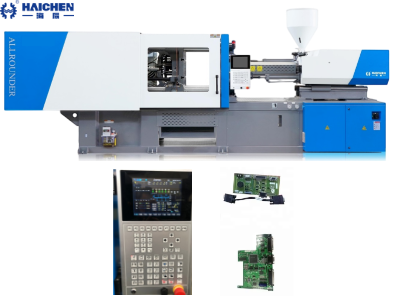
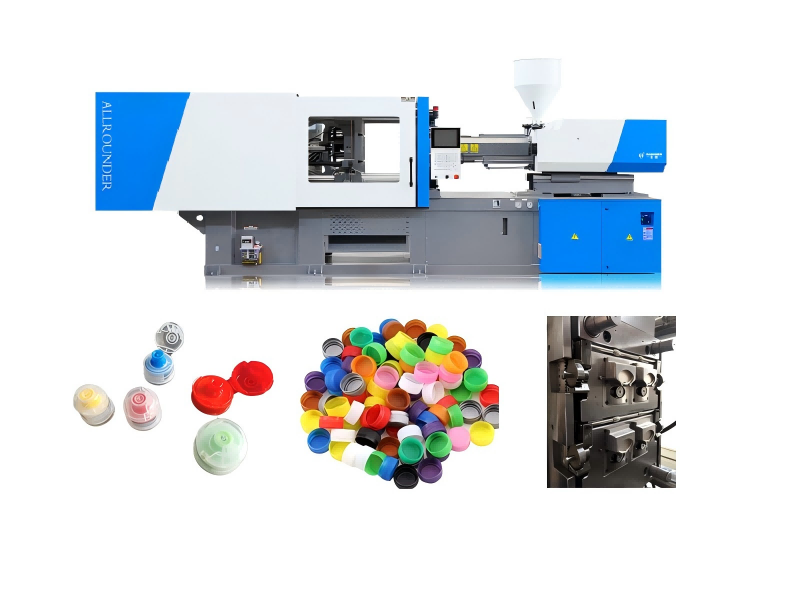
The process of manufacturing plastic caps involves transforming plastic pellets into functional closures through injection molding.
The production of plastic bottle caps mainly relies on the injection molding process: first design a precision mold according to the shape of the bottle cap and select the appropriate plastic raw material;
Then use high pressure to inject the melted plastic into the mold, and after it cools and hardens, you can get a molded bottle cap;
Finally, quality inspection and packaging. This is the complete production process from raw materials to finished products.
Design and mold preparation for plastic caps
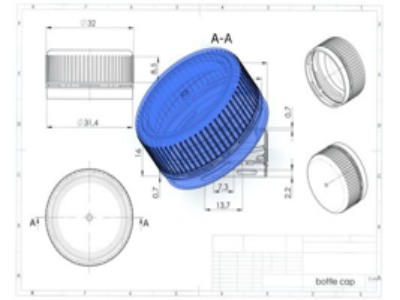
Designers will first carefully plan every detail of the plastic cap, repeatedly consider whether the size is accurate, whether it matches the bottle body perfectly, and whether it is easy for users to open and close it in daily life.
These design drawings are not just talk on paper – they directly guide the birth of the mold.
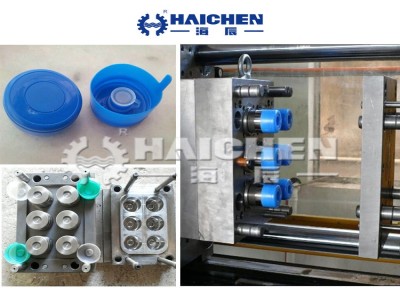
You know, the mold is the “iron camp” on the assembly line. It must be made of hard materials such as steel or aluminum to withstand thousands of high-intensity production tasks.
Material selection and preparation
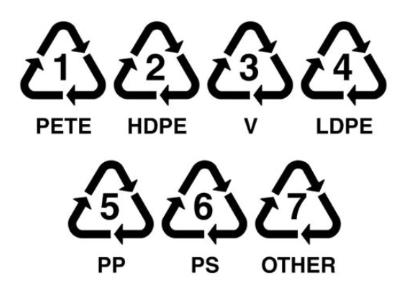
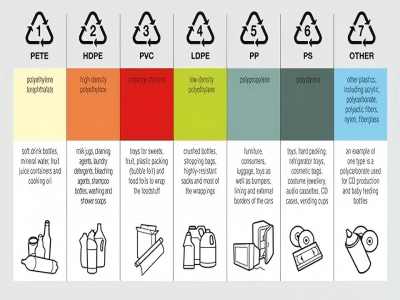
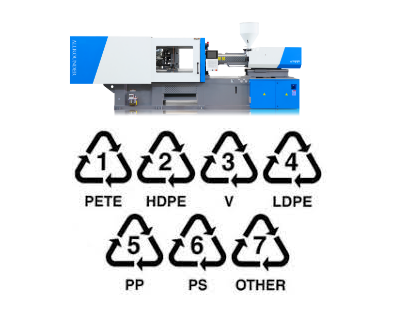
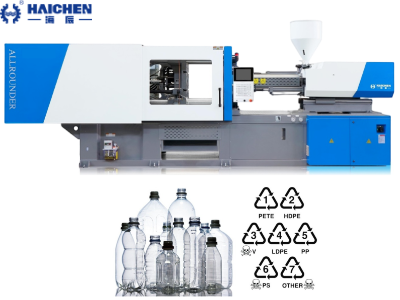
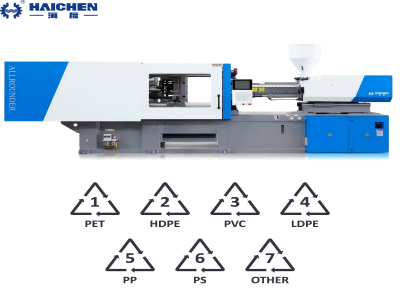
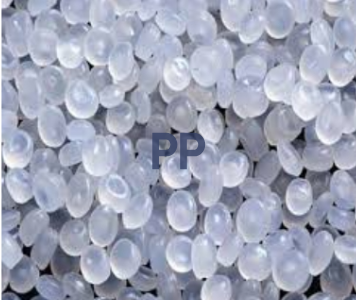
The most commonly used plastics for bottle caps are polyethylene (PE), polypropylene (PP) and polystyrene (PS). They have obvious advantages: they are flexible and not easy to break, resistant to chemical corrosion, and easy to recycle.
The plastic raw materials are originally in granular form. These granules need to be dried before production to ensure that they are completely dry. If the granules are damp, bubbles or defects are easily generated during injection molding, resulting in unqualified bottle caps.
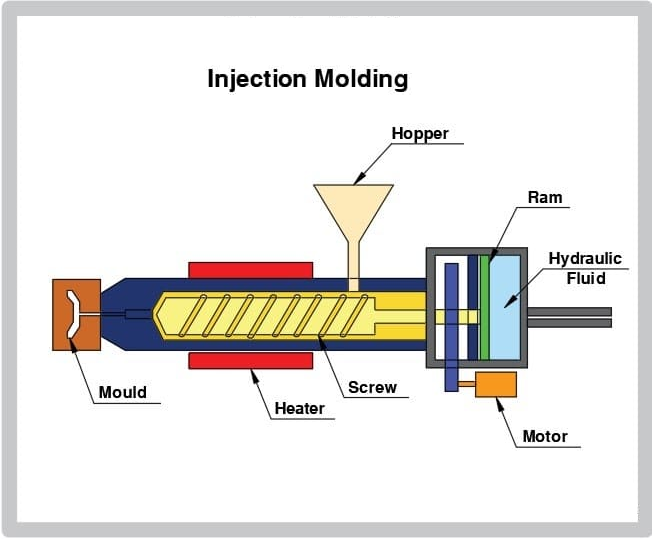
HAICHEN’s servo energy-saving series injection molding machines are highly adaptable and can not only process traditional plastics, but also biodegradable PLA materials. The key component in the machine – the bimetallic screw – has a special structural design that allows the plastic to melt more evenly when rotating and heating, while preventing the material from burning and deteriorating due to excessive temperature.
Injection Molding Process of plastic caps
The heart of manufacturing is the injection molding process. Here, dry plastic pellets are fed into the cap making machine, melted, and then injected into a mold under high pressure. The plastic fills the mold and forms the shape of the bottle cap.
Step-by-Step Workflow
- Melting & Injection:
- Plastic pellets are dried (e.g., PP at 110°C) and fed into injection molding machines.
- Molten plastic is injected at 500–1,500 bar pressure into multi-cavity molds.
- Mold Design:
- High-grade steel molds with cooling channels optimize cycle times .
- HAICHEN’s Innovation: 3D-printed conformal cooling molds (e.g., for automotive parts) reduce cooling time from 24s to 7.5s and warpage by 60%.
- Parameter Control:
- Temperature, pressure, and injection speed directly impact dimensional stability. HAICHEN’s multi-stage control prevents defects like flash or warping.
HAICHEN Case Studies
- Flip Cap (21mm): 12-cavity mold on HCK 160, cycle time: 15s .
- Oil Bottle Cap: 24-cavity mold on HCK 300, output: 5,000 caps/hour .
- Sustainability: Servo-driven systems cut energy use by 70% versus hydraulic models
Post-Molding Operations
- In the post-injection processing, we have specially designed safety protection measures that are easy for consumers to identify – laser scoring or perforation technology forms an anti-opening ring to ensure that you can visually confirm the integrity of the product.
- To meet personalized needs, we provide two customized solutions: one is to use in-mold labeling technology to allow the label and container to be formed at one time during the production process, which not only avoids glue residue but also ensures the durability of the pattern; the other is surface printing technology, which can directly present a clear corporate logo on the top of the product.
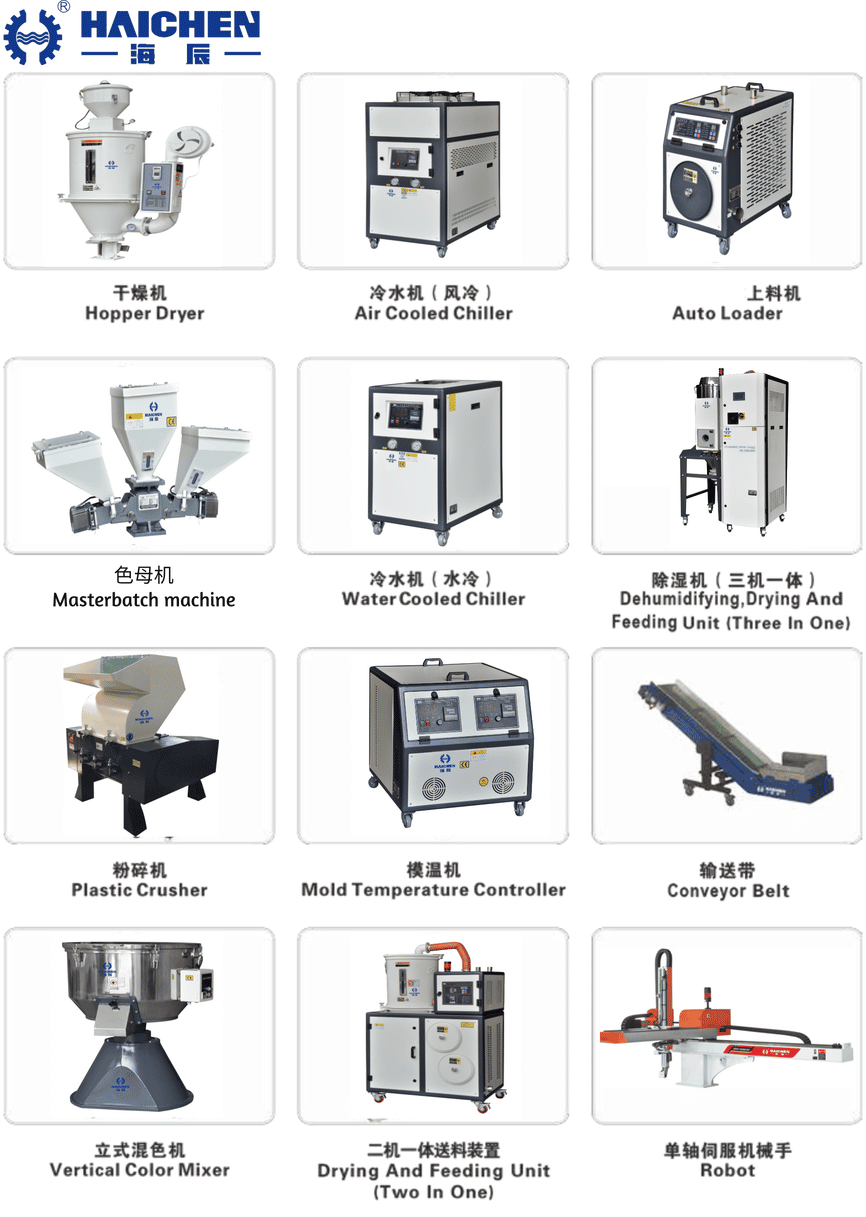
- At the same time, the equipment is built-in with the HAICHEN quality inspection system to automatically complete product inspection on the production line. This system is like a tireless quality inspector, monitoring the details of each product in real time, which not only ensures quality consistency but also reduces the burden of manual inspection.
Quality Control & Sustainability
We ensure product reliability through a strict testing system: measuring key dimensions (such as thread tolerance within ±0.05mm), verifying leak-proof performance, and testing torque bearing strength. In terms of material selection, HAICHEN series products support the use of recycled polypropylene (PP) and polyethylene (PE) raw materials, promoting the sustainable development of the industry through resource recycling.
Why HAICHEN Excels in Cap Manufacturing?
Efficient production capacity and precision control
HAICHEN’s bottle cap production technology allows customers to experience real convenience in actual production. Our equipment supports the production of more bottle caps per batch – for example. When producing small bottle caps, 72 bottle caps can be produced in a single batch, significantly increasing production. Through the intelligent control system (with an operating interface in 21 languages). The pressure and speed of each production link are finely adjusted. With precise temperature control and millimeter-level dimensional monitoring, the quality of each bottle cap remains stable.
Energy saving and cost optimization
In terms of energy saving, the hydraulic-electric hybrid system can reduce the power consumption of the equipment by 15%-70%, which not only reduces electricity expenses, but also reduces the need for hydraulic oil cooling, making the equipment last longer. Customer feedback shows that due to the positioning accuracy of the equipment reaching ±0.01 mm and the cold start protection function, the production efficiency is increased by 40% while almost no waste is generated.
Customization and global service
From design to mass production, we provide full process support. Whether it is bottle cap mold design, material selection (such as PC ABS alloy), or production line configuration. Solutions can be customized according to needs. Global customers can contact our engineers at any time – the equipment is CE certified. The overseas team provides on-site commissioning, and comes with a 2-year warranty service. 15 years of industry experience ensures you get reliable technical support.
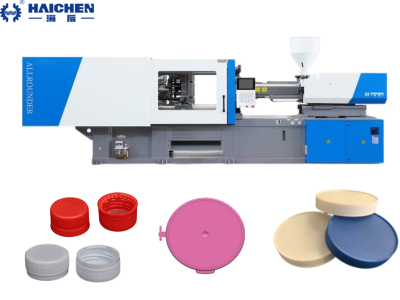
The manufacture of plastic bottle caps requires careful design, precision manufacturing and strict quality control. From the initial design concept, to the precise proportion and plasticization of raw materials. To molding in the mold, cooling and demoulding, every link is crucial. The bottle caps produced in this way may look simple, but they play a significant role: they must be able to firmly cover the bottle to prevent the contents from leaking or deteriorating, and at the same time ensure that consumers can use them safely and reliably.