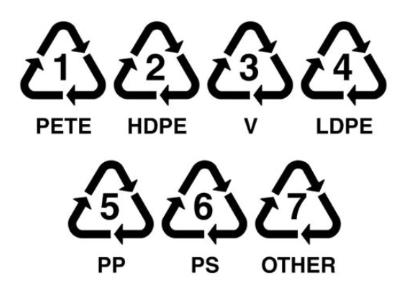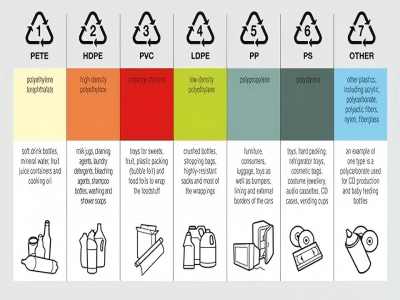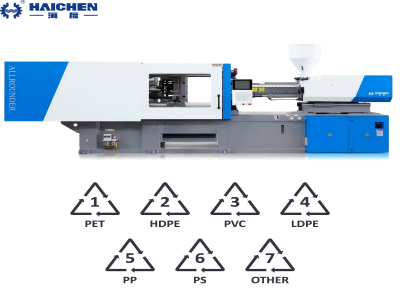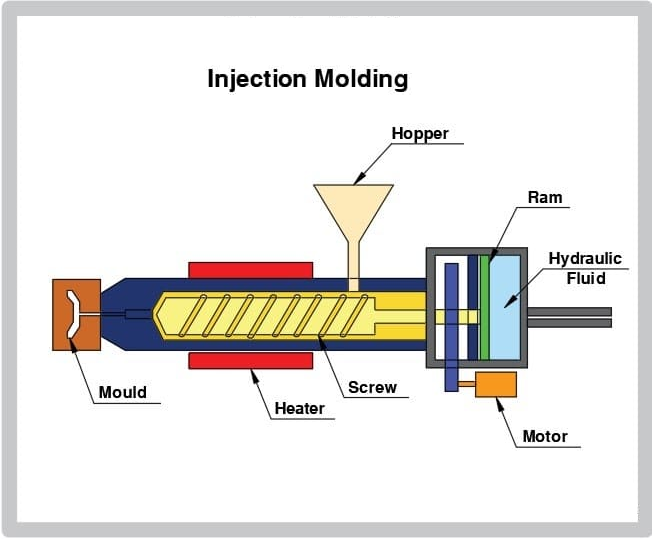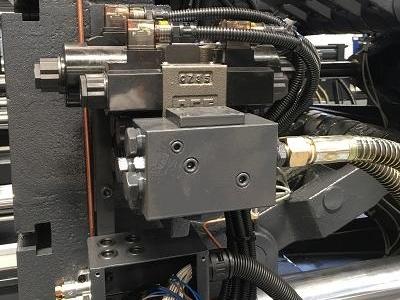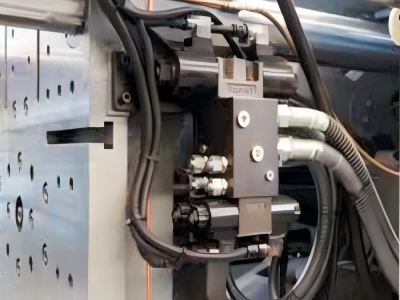
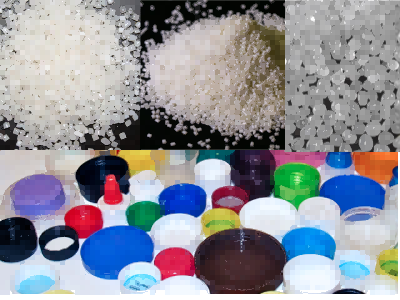
Plastic raw materials for platsic caps usually use PP(polypropylene), PET(Polyethylene Terephthalate), and PE(polyethylene).
The choice of raw materials for plastic bottle caps depends on their use, performance requirements and cost-effectiveness. Common raw materials include PE, PP and PET, each of which has its own unique properties and application areas.
The selection of raw materials for plastic bottle caps needs to comprehensively consider sealing, cost, environmental protection and functional requirements. PP and PE have become the mainstream choices due to their economy and practicality, while PET, PVC and ABS are used in specific high-end or special demand scenarios. These plastic raw materials for plastic cap character and application are as follows:
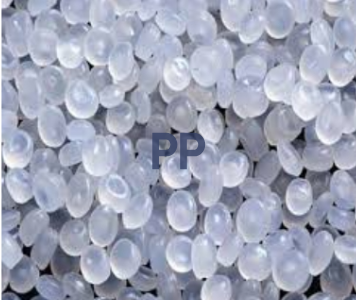
PP(polypropylene) for plastic raw materials for caps
PP material standard
Polypropylene (PP) has been the standard material for bottle caps and seals for many years. Its balance of rigidity and toughness can effectively reduce the weight of parts and ensure production efficiency.
- Polypropylene is a commonly using plastic material that has high-temperature resistance, chemical corrosion resistance, and good mechanical properties.
- It is used for plastic caps like heat-resistant beverage bottles, edible oil packaging bottles, and other plastic food packaging containers.
Physical and chemical properties
- Mechanical properties: PP bottle caps have high rigidity, durability, excellent resistance to stress cracking and impact, and can withstand repeated opening and closing operations.
- Temperature resistance: PP has a melting point of about 175°C, and the applicable temperature range is -30°C to 140°C. It can withstand high-temperature cleaning (such as hot water or steam sterilization).
- Barrier properties: It has excellent barrier properties to moisture and grease, but poor gas barrier properties.This makes it suitable for applications that require moisture resistance but do not require high airtightness (such as non-carbonated beverage caps).
- Chemical resistance: It has strong resistance to acids, alkalis, salt solutions and various organic solvents, ensuring safety when in contact with the contents.
Processing and design advantages
- PP’s good fluidity is suitable for high-speed injection molding, and thin-walled bottle caps can be produced to reduce costs.
- The material itself is naturally gray-yellow and translucent, but it can be colored to achieve a variety of appearances to meet brand differentiation needs.
Transparent PP grades can also be used for designs that need to display contents, such as sports drink caps. - 100% recyclable properties (including the use of recycled PP) are in line with environmental trends.
Comparison with other materials
- Polyethylene (PE): PP is more rigid than PE and is more suitable for bottle caps that require structural strength (such as screw caps), while PE is more commonly used for flexible closures.
- PVC: PP is more environmentally friendly than PVC and has no risk of plasticizer migration, but PVC is cheaper.
- PET: PET is mainly used for the bottle body, while PP/PE is mostly used for bottle caps because the latter is easier to form complex structures and has better fatigue resistance.
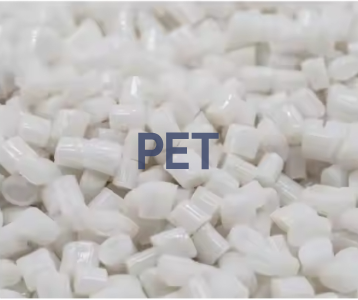
PET(Polyethylene Terephthalate) for plastic caps material
PET is non-toxic, light in weight, strong and durable, environmentally friendly, and recyclable. It uses for plastic caps in packaged carbonated beverages, mineral water, dairy beverages, juices, edible oil, etc.
Material advantages
PET has better mechanical properties than traditional bottle cap materials (such as HDPE high-density polyethylene, PP polypropylene). It can achieve lightweight design while providing better oxygen and carbon dioxide barrier properties. This makes PET bottle caps perform better in terms of sealing and product preservation.
Diversified raw material sources
PET bottle caps can be made of virgin PET, recycled PET (rPET) or bio-based PET (bio-PET), which enhances sustainability.
Innovative technology
Origin Materials has achieved the production of all-PET bottle caps through a patented process, solving the problem of traditional HDPE/PP bottle caps that need to be separated. Its products have passed food grade certification and are used in multiple industries (such as beverages and dairy products).
Industry trends
As the demand for sustainable packaging grows, PET bottle caps are gradually replacing HDPE and PP bottle caps. For example, data from ABCRC shows that 98% of PET bottle caps can be recycled into polyolefin mixtures, while traditional HDPE/PP bottle caps require additional separation due to material differences.
Alternative materials and competition
- HDPE and PP: Traditionally, PET bottle caps are often made of HDPE or PP because of their low cost and easy processing, but there is a problem of low recycling rate.
- Other materials: Materials such as polycarbonate (PC) and polypropylene (PP) are also used for bottle caps, but PET is more popular because of its comprehensive performance.
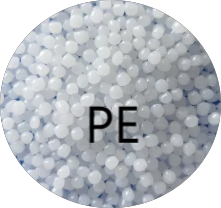
PE-Plastic raw materials for caps
As the core material of plastic bottle caps, PE is widely used in food, beverage and chemical industries due to its chemical stability, processing flexibility and cost advantages.
Chemical stability and weather resistance
PE (including high-density polyethylene HDPE and low-density polyethylene LDPE) has excellent chemical resistance and UV resistance, and is suitable for use in food, beverages and other scenarios that require high sealing properties. For example, HDPE is often used in rigid plastic bottles (such as detergent bottles), while LDPE is used in flexible packaging.
Processing performance
PE is easy to form through processes such as injection molding and extrusion, and can be repeatedly heated to soften and hardened after cooling, making it suitable for large-scale production. Its low density also makes it lightweight and low-cost.
Special application requirements
PE bottle caps are often used for hot filling (such as milk bottles) and aseptic cold filling (such as juice bottles) because of their good high temperature resistance and resistance to environmental stress cracking.
- Polyethylene is of two types: LDPE (Low-Density Polyethylene) and HDPE (High-Density Polyethylene). It has stable chemical properties, good acid resistance, good alkali resistance, high barrier properties, and good sealing performance. It has low heat resistance.
- It is used for plastic caps in chemical plastic packaging, plastic test tubes, and health product packaging bottle caps.
Specific applications of PE in bottle cap manufacturing
- Structural design: PE bottle caps often use in scenarios that require elasticity and sealing, such as screw caps and tamper-evident caps. For example, PE foam lining can enhance sealing and prevent leakage.
- Industry demand: PE bottle caps widely use in the food, pharmaceutical and chemical industries because they meet food-grade contact standards (such as HDPE). In addition, the recyclability of PE also makes it more attractive in sustainable packaging.
Compare PE with other materials
- PP (polypropylene): Although PP is also commonly used in bottle caps (such as gas beverage bottle caps), its toughness is poor and it is easy to become brittle, while PE has better flexibility and impact resistance. For example, PP is more suitable for scenarios that require high surface strength, while PE focuses more on sealing and durability.
- Other materials: PVC is often used for tamper-proof caps due to its low cost and good rigidity, but PE has more advantages in cost and environmental protection.
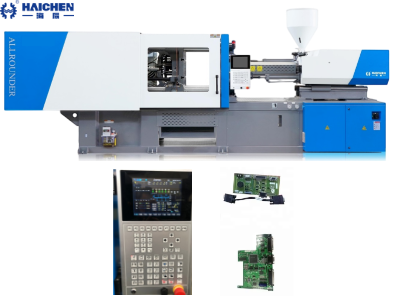
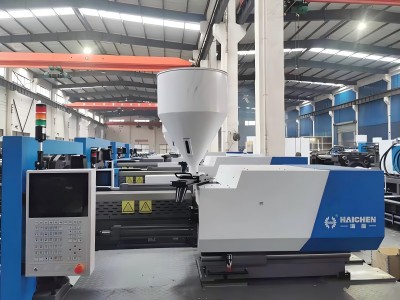
Haichen plastic injection molding machine
We are Haichen, one of the plastic injection molding machine manufacturers in Ningbo, China.
With more than 10 years experience of in injection molding technology, we will comprehensively consider the material properties, molding process parameters, and quality requirements. We will help our customers produce high-quality plastic caps more efficiently by rationally selecting and applying injection molding technologies.
Haichen Machinery has rich experience in plastic cap injection molding machines, from plastic cap mold, and injection molding machines to related Auxiliaries. We provide good after-sales service.
Plastic raw materials for plastic caps usually use PP(polypropylene), PET(Polyethylene Terephthalate), and PE(polyethylene).
There are various other plastic raw materials depending on the required product performance, cost-effectiveness, and environmental protection requirements.
The sustainability and recycling potential of materials should be considered during the design and manufacturing process to meet the requirements of the circular economy.