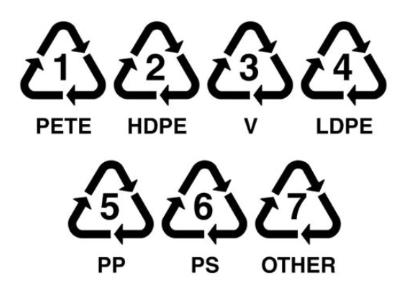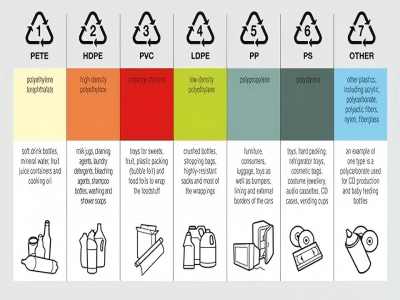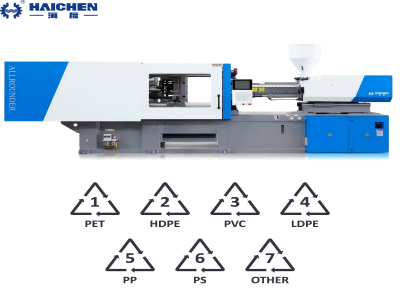
Plastic bowls material are available in PP, PC, PE, PS, HDPE, etc., but the exact plastic material used depends on its use, durability and cost.
The main materials used for plastic bowls include polypropylene (PP), polyethylene (PE), polycarbonate (PC) and polystyrene (PS). Among them, PP is the most popular choice due to its heat resistance, safety, and affordability. Bowls can be made from a variety of plastics, each with its own characteristics, advantages, and disadvantages. Here are some common types:
When choosing a plastic bowl, it’s important to consider factors such as its intended use (hot or cold foods, disposable or reusable), safety (whether it is food – grade and free from harmful substances), and environmental impact (some plastics are more recyclable or have a lower environmental footprint than others).
Common material for making plastic bowl
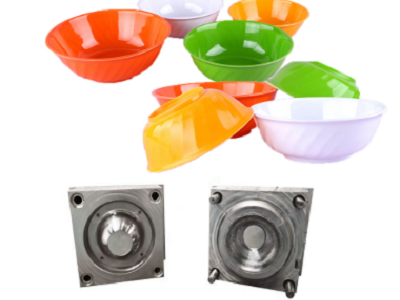
What are plastic bowls made of
Polypropylene (PP) of plastic bowls material
- PP is an environmentally friendly and non-toxic material that is safe for heating food in a microwave.
- It has strong strength and durability, and it is resistant to wear and tear.
- However, it has limited heat resistance and can only withstand temperatures up to 80-90 degrees Celsius.
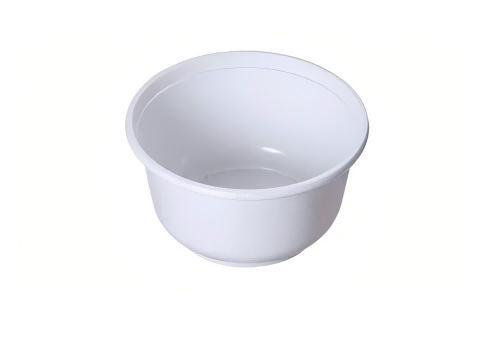
Polyethylene (PE) of plastic bowls material
- PE bowls are also safe, non-toxic, and have good durability and toughness.
- They are less likely to harbor dirt due to their smooth surfaces and are easier to clean.
- But like PP, they have low heat resistance and can only handle temperatures up to 50-60 degrees Celsius.
Polycarbonate (PC)
- PC is a high-temperature resistant material that can withstand temperatures up to 120 degrees Celsius without producing harmful substances, making it suitable for heating food.
- It has excellent wear and impact resistance and a strong service life, but it is highly opaque, making it difficult to see the contents.
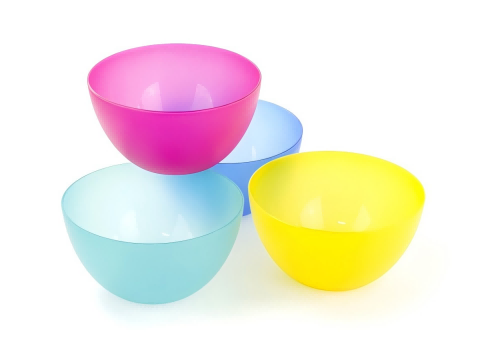
High-density polyethylene (HDPE)
- When it comes to HDPE plastic bowls, the material’s surface is not easy to clean, tends to breed bacteria, and manufacturers do not recommend reusing it.
Melamine
- Melamine bowls are made from melamine resin, which is a type of hard plastic.
- They are known for being shatterproof, lightweight, and resistant to scratches and stains.
- Melamine bowls are not microwave-safe and are not recommended for high-temperature applications.
Polyvinyl Chloride (PVC)
- Although not as commonly used for food containers due to health and environmental concerns, PVC is a type of plastic that can be used to make bowls.
- It is important to note that PVC is not suitable for food contact due to the potential release of harmful chemicals.
Polyethylene Terephthalate (PET)
- PET is commonly used for making disposable plastic containers and bottles, but it can also be used for making bowls.
- It offers lightweight properties and good clarity, but manufacturers do not recommend it for hot foods or repeated use.
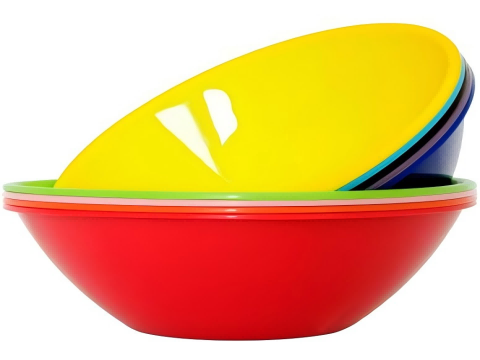
Types of plastic bowls
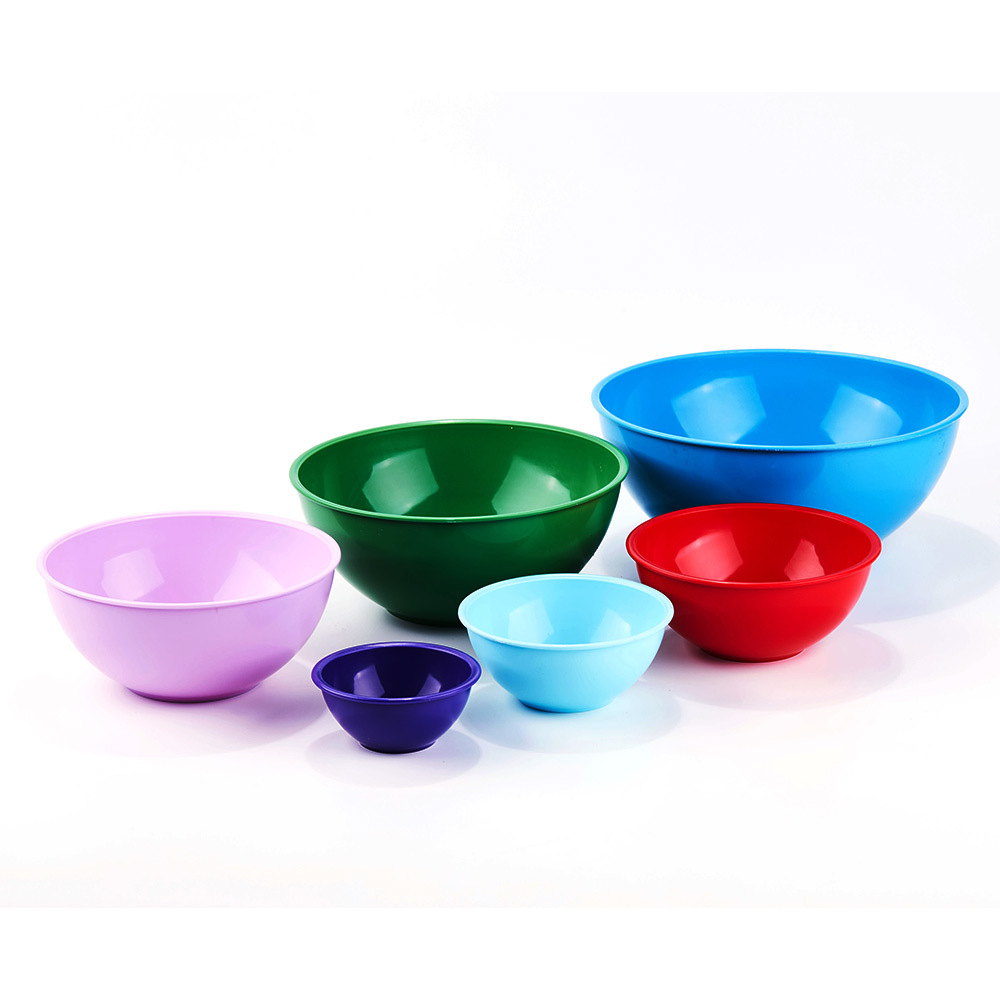
Classification by material
Polypropylene (PP) bowls: Bowls made of this material are heat-resistant and lightweight, making them suitable for microwave heating and freezer storage.
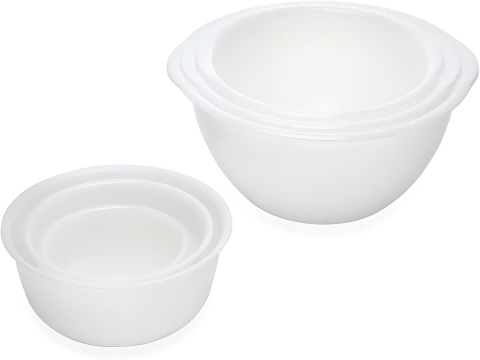
Polyethylene (PE) bowls: Typically used to make stacked bowls for easy storage and transportation.
Polycarbonate (PC) bowls: These bowls are transparent and sturdy, making them suitable for industrial use, such as compressed air filters, but avoiding exposure to certain chemicals. Polystyrene (PS) bowls: Commonly found on disposable cutlery, they are inexpensive and easy to clean.
Classification by use
Catering bowls: used to hold food, such as salads, soups, desserts, etc.
Laboratory bowls: used for chemical experiments or for separating mixtures. Mixing bowl: with handle and air outlet, suitable for short-term microwave heating and frozen storage.
How are plastic bowls made
what is a bowl made of?
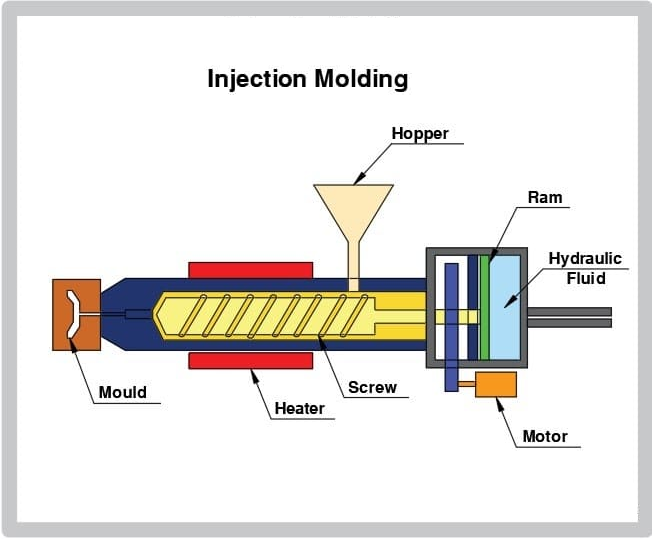
Plastic bowls are typically manufactured through a process called injection molding or thermoforming, depending on the type of plastic and the desired product. Here’s an overview of the steps involved in making plastic bowls.
Material Preparation:
- Plastic resin pellets (e.g., polypropylene, polystyrene, or polyethylene) are fed into a hopper.
- Heat the pellets until they melt into a liquid form.
Injection:
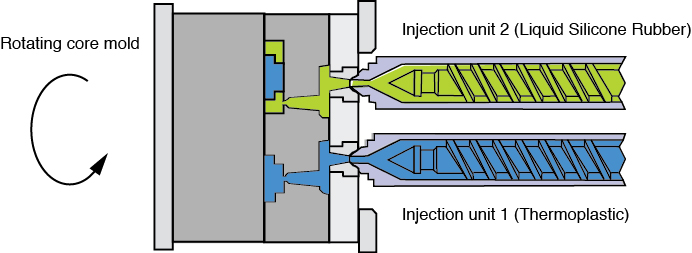
- Inject the molten plastic under high pressure into a metal mold shaped like a bowl.
- Engineers design the mold with the exact dimensions and details of the final product.
Cooling:
- The plastic cools and solidifies inside the mold, taking on the shape of the bowl.
Ejection:
- Once the plastic has hardened, the mold opens, and the bowl is ejected.
- Trim off the excess plastic (called flash).
Finishing:
- The bowl may undergo additional processes, such as polishing, labeling, or quality checks.
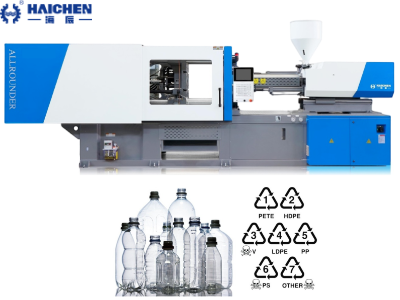
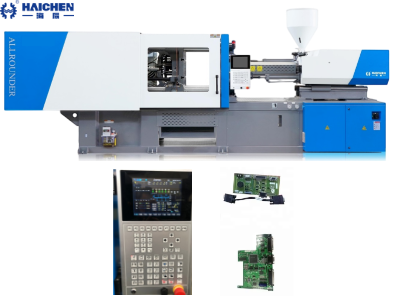
Haichen plastic bowl injection molding machine
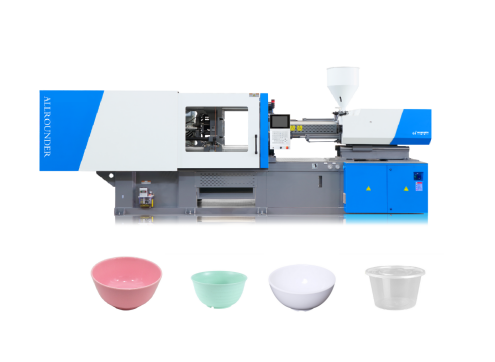
Haichen plastic bowl injection molding machine’s working principle is that the plastic is heated and melted in the heating barrel of the bowl injection molding machine, and then injected into the preset mould through a plunger or reciprocating screw, and cooled and solidified in the mould to form the bowl products of the desired shape.
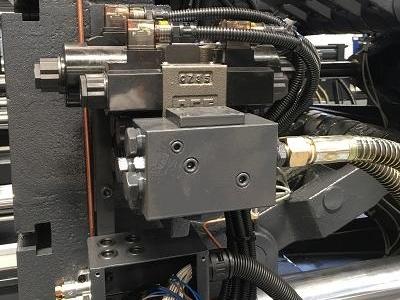
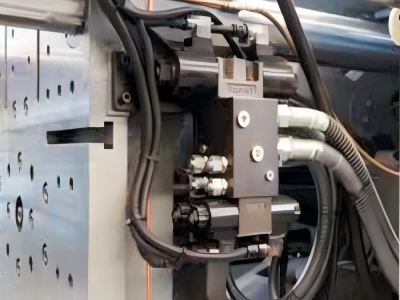
Haichen’s injection molding machine has a thickened green column. European design style: wide plate, large modulus, enlarged template foot, large area contact and stable operation. To meet the needs of deep cavity products, the manufacturer increases the mould shifting stroke.
We can provide you with a complete solution for plastic bowls, including material selection, design of production molds, selection of machines and so on. Welcome to consult us.
Each type of plastic for making plastic bowls has specific properties that make it suitable for different applications, so the choice depends on factors like reusability, cost, and environmental impact