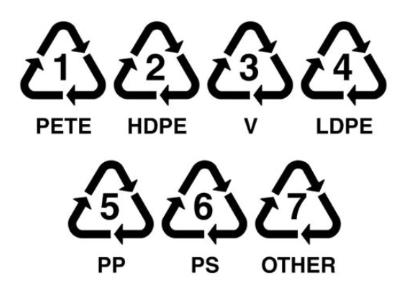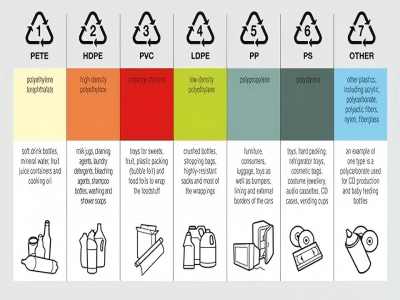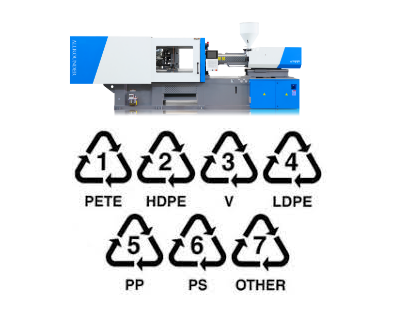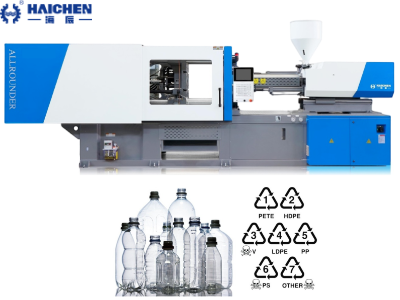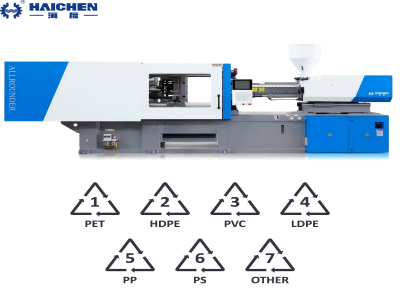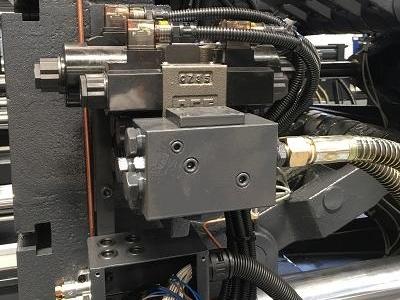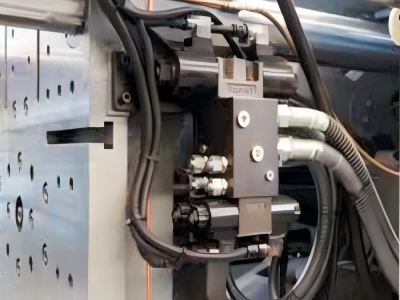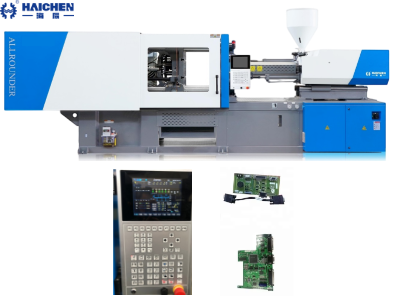
Injection molding machines are commonly used for producing plastic products, offering high precision, efficiency,versatility in manufacturing.
Injection molding is one of the most common and efficient technologies used in the production of plastic products.
This process involves injecting molten plastic into a precision mold, which is cooled to produce a precisely shaped finished product.
Everyday items such as electronic device housings and automotive accessories rely on this technology because it can quickly produce a large number of standardized parts.
This article will explain in detail how injection molding equipment works and explain the key reasons why it has become the preferred solution for plastic manufacturing.
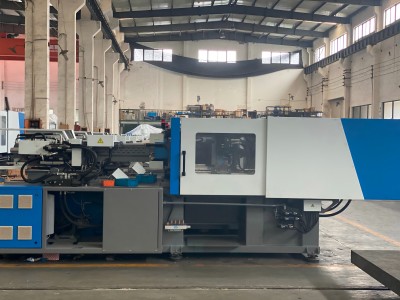
What is Injection Molding?
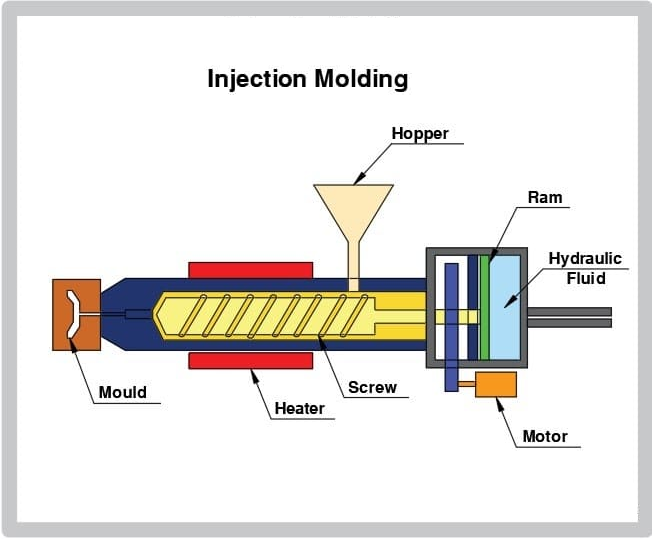
The operator first heats the plastic pellets to a molten state. And then uses high pressure to push the molten plastic into the mold cavity. After the plastic cools and hardens in the mold, you can get a product that is exactly the same shape as the mold. This method is highly automated and can accurately produce parts of various complex shapes.
Injection molding operation steps:
- Melt the plastic: Feed the plastic pellets into the machine, heat and stir them into a uniform liquid state.
- Injection mold: Use high pressure to quickly inject liquid plastic into the mold cavity in the shape of the product.
- Cooling and shaping: Keep the mold closed and let the plastic slowly cool and harden inside.
- Take out the finished product: Open the mold and take the molded plastic part out of the machine.
- Adjust details: Some parts need to trim the burrs, polish the surface, or do special treatment to meet the final requirements.
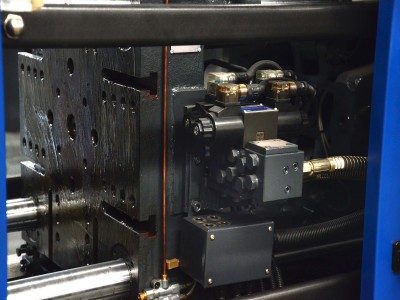
Other machines that can produce plastic products
Blow molding machines
In addition to common injection molding machines, blow molding machines are also a type of equipment widely used to make plastic products. It is particularly good at producing items that are hollow inside, such as various bottles and containers we use in daily life, and even some parts on cars, such as fuel tanks.
How does the blow molding process work? Simply put, it first heats and softens the plastic to make a tubular blank (usually called a “parison”). Then, put this softened plastic tube into a mold and blow compressed air into it. This air pressure will cause the softened plastic tube to expand and stick to the inner wall of the mold. After cooling and solidification, a hollow product in the shape of the mold is obtained.
Extrusion molding machines
Extrusion molding machines are suitable for producing continuous profiles with uniform cross-sectional shapes. This equipment continuously produces long strips of products such as pipes and plates by pushing molten plastic into a mold of a specific shape. Its applications cover multiple industries such as construction, medical care, and automobiles, such as PVC water pipes and door and window frames for construction. Infusion tubes in the medical field, and automotive fuel pipes.
The core advantages of this technology are reflected in:
- Continuous and efficient production: products of tens of meters or even longer (such as sewage pipes with a diameter of several feet) can be manufactured to reduce material waste
- Strong material adaptability: supports the processing of a variety of plastic raw materials. Such as polyethylene and polypropylene to meet the needs of different industries
- Product diversification: In addition to basic pipes and plates, special products such as food cling film, wire insulation, and automotive trim can also be produced
Thermoforming machines
The thermoforming process heats the plastic sheet to soften it, and then uses vacuum or air pressure to fit it into the mold. This method is particularly good at producing thin plastic parts, such as food trays, blister packaging for electronic products (such as mobile phone case protective covers), and blister packaging for medical devices.
- Core advantages
- Efficient production of thin-walled parts
- Stable production of lightweight products with a wall thickness of 0.2-0.5mm (such as disposable lunch boxes). While maintaining structural integrity while reducing material costs.
- Mold cost advantages
- Molds are usually made of aluminum or resin, and the cost is only 30%-50% of injection molds. Which is particularly suitable for small batch orders or trial production in the early stages of product development.
- Material and design flexibility
- Compatible with common plastics such as ABS, PP, PET, and even special materials such as medical-grade PVC
- Supports fast switching between different molds. And the same equipment can produce parts of different shapes (such as from medical device housings to automotive interior panels)
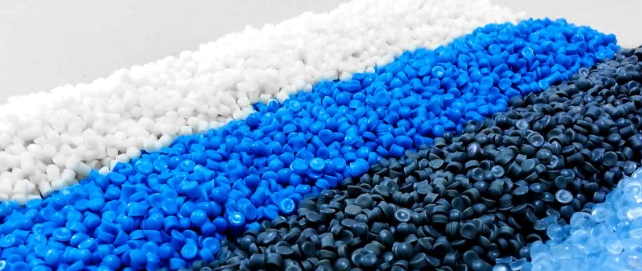
Why Choose Injection Molding for Plastic Products?
Injection molding has become the preferred method for manufacturing plastic products, mainly based on several very real advantages:
- High precision and good details: Injection molding can produce products with very precise dimensions and high detail requirements. This is particularly ideal for products that require very strict part size or appearance details.
- High production efficiency: Once the mold is made and debugged, the entire production process is very fast. Once the machine is turned on, hundreds or thousands of parts can be produced in an hour. This speed is particularly advantageous in mass production.
- Can use many kinds of plastics: This method is not picky about materials. And basically all common types of plastics on the market can be used. For example, thermoplastics such as polyethylene (PE), polypropylene (PP), ABS, and even some special thermosetting plastics can be processed by injection molding. This gives product design a lot of room for choice.
- Mass production is more cost-effective: Although it takes some investment to make molds and debug machines at the beginning, once mass production begins, the cost per part becomes very low. So, when you need to produce thousands of identical parts, injection molding is usually very cost-effective.
- Can make complex shapes: Injection molding is particularly good at making parts with complex shapes and fine structures. Some shapes may not be made at all or are very difficult and costly to make by other methods (such as extrusion or blow molding). Injection molding can achieve these complex designs relatively easily.
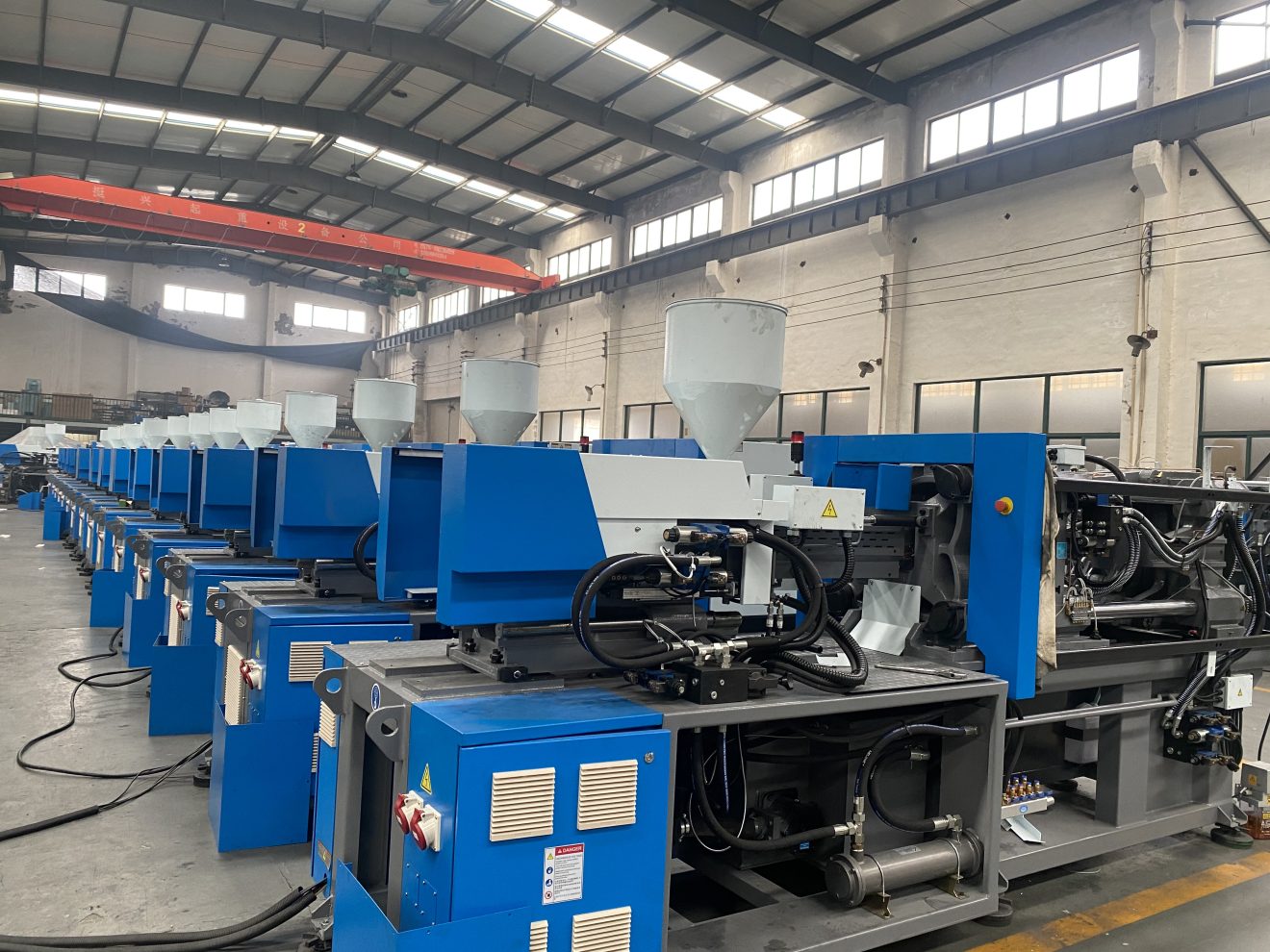
HAICHEN: Manufacturer of Injection Molding Machines
HAICHEN is one of the important manufacturers in the injection molding machine industry. This Chinese company provides a variety of injection molding equipment in the global market. Which are widely used in the production of automotive parts, electronic components, medical devices and packaging products.
Its equipment design focuses on actual production needs: on the one hand, it reduces the intensity of manual operation through automation technology. And on the other hand, it adopts a servo energy-saving system to reduce power consumption and help customers control long-term operating costs. The clamping force range from 90 tons to 3,000 tons covers production scenarios of different scales. And can match the corresponding models for both small workshops and large factories.
Taking actual cases as an example, HAICHEN’s HCK series injection molding machines can efficiently produce various types of plastic bottle caps-for example. Using the HCK 160 model with a 12-cavity mold, a batch of PP material bottle caps with a diameter of 21mm can be completed every 15 seconds. This feature of balancing efficiency and precision enables manufacturers to increase production capacity while ensuring product quality.
At present, HAICHEN’s equipment has been exported to many regions around the world. Including Europe, the United States, and Southeast Asia. And continues to provide technical support for manufacturing companies.
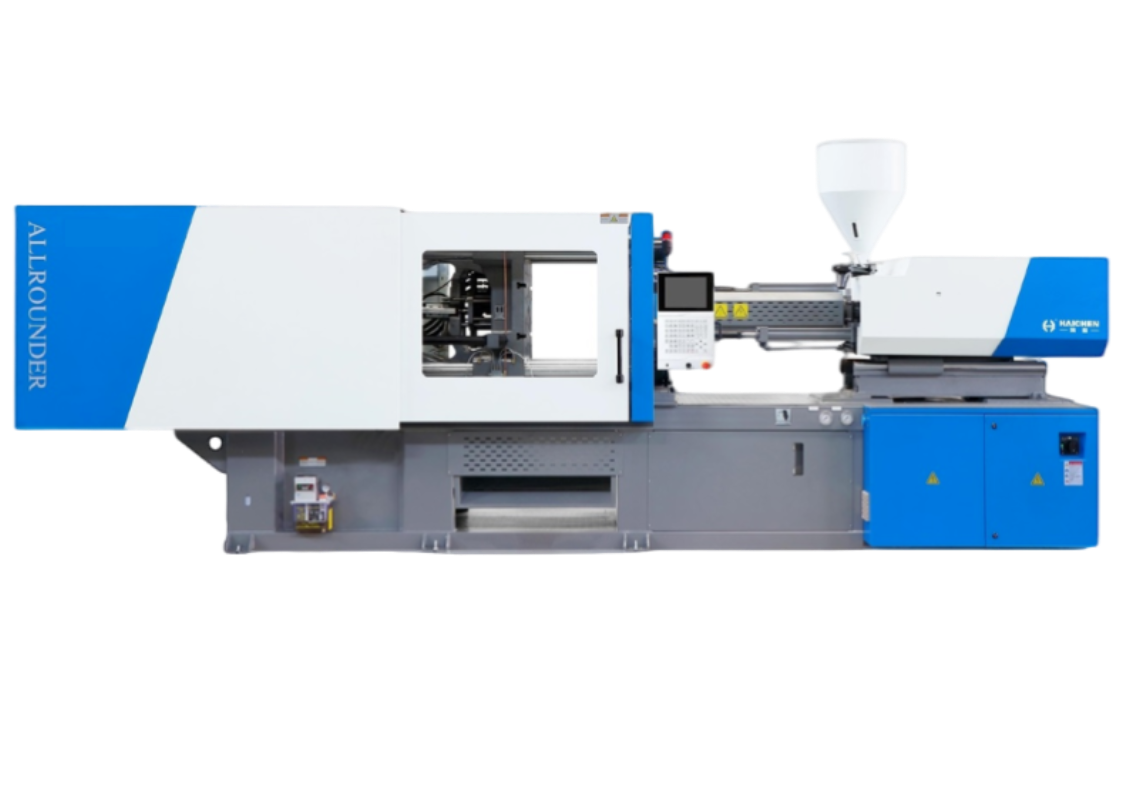
As a key technology for the production of plastic products, injection molding has become an important pillar of the manufacturing industry due to its efficient production characteristics and wide applicability.
As the global demand for plastic products continues to rise. The role of this technology in mass production will become more prominent.
This growth trend is driving the industry’s investment in technology upgrades and sustainable solutions. Such as the application of degradable materials and the development of new processes.