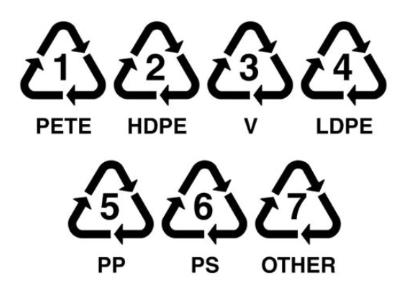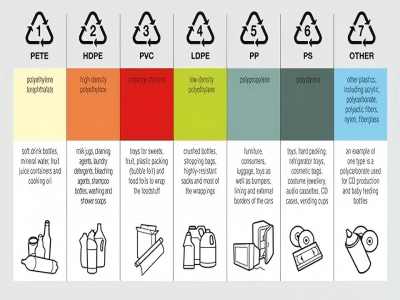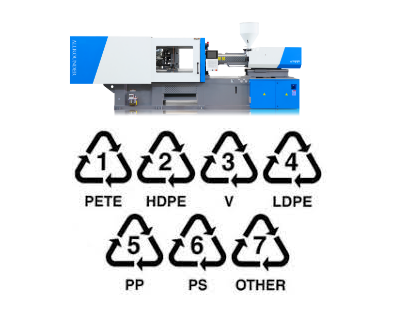
The melting temperature of plastic as the list below:
| Plastic Material
| Melting Point Range (°C) | Melting Point Range (°F) |
| Polyethylene (PE) | 105°C to 135°C | 221°F to 275°F |
| Polypropylene (PP) | 130°C to 171°C | 266°F to 340°F |
| Polyvinyl Chloride (PVC) | 100°C to 260°C | 212°F to 500°F |
| Polystyrene (PS) | 210°C to 240°C | 410°F to 464°F |
| Polyethylene Terephthalate (PET) | 250°C to 260°C | 482°F to 500°F |
| Acrylonitrile Butadiene Styrene (ABS) | 210°C to 270°C | 410°F to 518°F |
| Polycarbonate (PC) | 220°C to 250°C | 428°F to 482° |
| High-density polyethylene (HDPE) | 130°C | (266°F) |
| Low-density polyethylene (LDPE) | 120°C | 248°F |
| Nylon | 190-350°C | 374-662°F |
| Polylactic Acid(PLA) | 46°C | 114°F |
Plastic melting temperature chart
The plastic melt temperature range of plastics varies depending on the type of material and chemical composition, and is typically between 100°C and 300°C. The melting point temperature of plastics is the temperature at which the material is exposed to the temperature of the material. This data is critical for temperature control during plastics processing to effectively improve productivity and product quality.
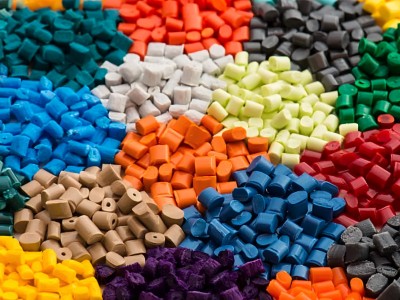
The plastic melt varies significantly depending on the type of plastic. Here are some common plastics and their melting points.
The melting temperature (or melting point) of a plastic is the range of temperatures required for a plastic to change from a solid to a liquid. Different types of plastics have different melting temperatures, depending on their chemical composition and molecular structure.
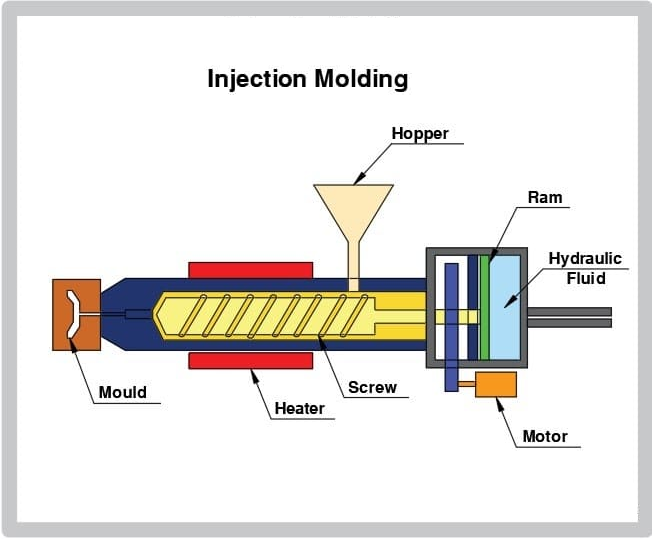
It is important to note that the melt temperature is not a fixed point, but varies with the state of the material. For example, in injection molding processes, the injection temperature is usually higher than the melt temperature to ensure that the plastic can flow smoothly and fill the mold.
Factors Influencing plastic Melting Points
- Chemical Structure
- Molecular Weight
- Crystallinity
- Branching
- Intermolecular Forces
- Additives and Fillers
The melting point of a plastic (polymer) is influenced by a variety of factors, including its chemical structure, molecular weight, crystallinity, and the presence of additives. Below are the key factors that influence the melting point of plastics:
Chemical Structure
The molecular structure of a polymer is the primary factor determining its melting point:
Chain Flexibility: Polymers with flexible chains (e.g., polyethylene) tend to have lower melting points, while rigid chains (e.g., polycarbonate) have higher melting points.
Polarity: Polymers with polar groups (e.g., PVC, PET) often have higher melting points due to stronger intermolecular forces like hydrogen bonding or dipole-dipole interactions.
Molecular Weight
Higher Molecular Weight: Polymers with higher molecular weights generally have higher melting points because longer chains have more intermolecular interactions, requiring more energy to melt.
Lower Molecular Weight: Shorter polymer chains have fewer interactions and thus lower melting points.
Crystallinity
Crystalline Polymers: Polymers with a high degree of crystallinity (e.g., HDPE, nylon) have higher melting points because the ordered crystalline regions require more energy to break down.
Amorphous Polymers: Polymers with low crystallinity (e.g., polystyrene, PVC) have lower melting points and often soften over a range of temperatures (glass transition temperature, Tg).
Branching
Linear Chains: Linear polymers (e.g., HDPE) pack more efficiently, leading to higher crystallinity and higher melting points.
Branched Chains: Branched polymers (e.g., LDPE) have lower crystallinity and melting points due to less efficient packing.
Intermolecular Forces
Van der Waals Forces: Weak forces in non-polar polymers (e.g., polyethylene) result in lower melting points.
Hydrogen Bonding: Strong hydrogen bonding in polymers like nylon leads to higher melting points.
Dipole-Dipole Interactions: Polar polymers (e.g., PVC, PET) have stronger intermolecular forces and higher melting points.
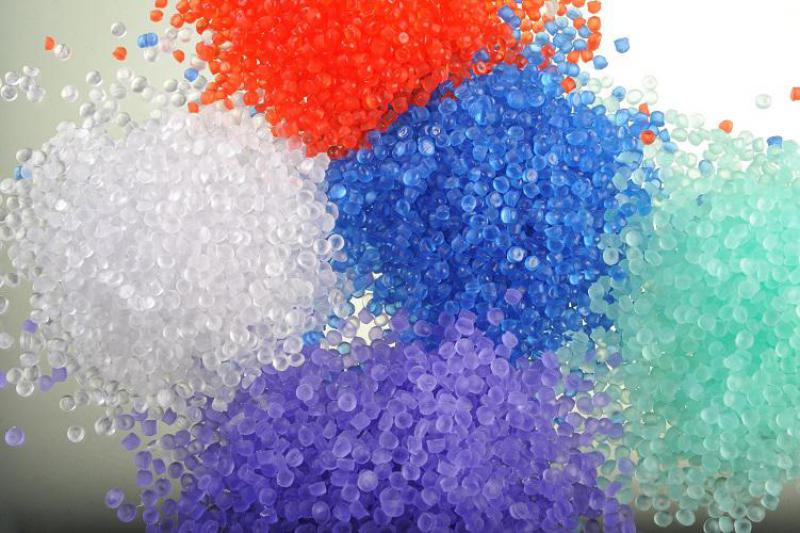
Additives and Fillers
Plasticizers: Additives like plasticizers reduce intermolecular forces, lowering the melting point (e.g., flexible PVC).
Fillers: Reinforcing fillers (e.g., glass fibers) can increase the thermal stability and melting point of a polymer.
Flame Retardants: Some additives can alter the thermal properties of plastics, affecting their melting points.
What plastic Cannot be melted?
Thermosets are types of plastics that cannot be melted. These plastics undergo a chemical change when heated, forming a three-dimensional network structure that prevents them from being melted or reshaped again after curing. For example, Phenol-formaldehyde resins, Epoxy resins, Polyimides, Silicone and Bakelite are thermosets. Bakelite, etc. are all thermosetting plastics.
Thermoset plastics are characterized by the fact that once they have been molded by heating, they cannot be reshaped by heating. This is because their molecular structure undergoes an irreversible cross-linking reaction during the heating process, causing the material to become hard and unable to soften again.
In addition, thermoset plastics are often used in molding applications. In addition, thermoset plastics are often used in applications that require high strength and heat resistance, such as automotive interiors, appliance housings, and construction piping.
Will 100 degrees melt plastic?
Does Boiling Water Melt Plastic? As many of us know, water boils at 100 degrees Celsius, which is equal to 212 degrees Fahrenheit.
Whether 100 will dissolve plastic depends on the specific type of plastic. For most plastics, 100 will dissolve completely, but some types of plastics (such as LDPE, HDPE, or PETG) may begin to soften or deform as they approach or reach this temperature.
What temperature is too hot for plastic?
The temperature at which plastic becomes “too hot” depends on the type of plastic, as each has a different melting point and heat resistance. Here’s a general guide:
Common Plastics and Their Heat Limits:
PET (Polyethylene Terephthalate) – Used in water bottles
- Max Temp: 260°C
Risk: Warps or releases chemicals (like antimony) at high temps.
HDPE (High-Density Polyethylene) – Used in food containers, milk jugs
- Max Temp: 130°C
- Risk: Softens and deforms.
PVC (Polyvinyl Chloride) – Used in pipes, cling film
- Max Temp: 260°C
- Risk: Releases toxic fumes (like hydrochloric acid) when overheated.
LDPE (Low-Density Polyethylene) – Used in plastic bags, squeeze bottles
- Max Temp:120°C
- Risk: Melts easily.
PP (Polypropylene) – Used in microwavable containers, straws
- Max Temp: 171°C
- Risk: One of the most heat-resistant common plastics.
PS (Polystyrene) – Used in disposable cups, foam packaging
- Max Temp: 240°C
- Risk: Melts or leaches styrene (a possible carcinogen).
Other Engineering Plastics (e.g., Nylon, PTFE, Polycarbonate)
- Can withstand 150–260°C or higher.
At what temperature does plastic crack?
Plastic can crack due to thermal stress, cold temperatures, or repeated stress (fatigue). The exact temperature depends on the type of plastic and its glass transition temperature (Tg)—the point where it becomes brittle.
| Plastic Type | Becomes Brittle Below | Cracks Easily When Cold? | Notes |
|---|---|---|---|
| PET (Polyethylene Terephthalate) | 0–10°C (32–50°F) | ✅ Yes (e.g., water bottles in freezer) | Can shatter if impacted when cold. |
| HDPE (High-Density Polyethylene) | -50°C (-58°F) | ❌ Rarely cracks | Stays flexible in extreme cold. |
| PVC (Rigid Polyvinyl Chloride) | 0–10°C (32–50°F) | ✅ Yes (e.g., pipes in winter) | Gets brittle and cracks under stress. |
| LDPE (Low-Density Polyethylene) | -70°C (-94°F) | ❌ Very flexible | Unlikely to crack even in deep cold. |
| PP (Polypropylene) | -20°C (-4°F) | ⚠️ Moderate risk | Can crack if bent when cold. |
| PS (Polystyrene, rigid) | 0–15°C (32–59°F) | ✅ Yes (e.g., disposable cups) | Shatters easily when cold. |
| Polycarbonate (PC) | -10°C (14°F) | ⚠️ Moderate risk | Tough but can crack under impact. |
Why is the melting temperature of plastic so important?
- Key parameters for processing and molding
- Prevent degradation and performance degradation
- Affects the fluidity and plasticity of the material
Key parameters for processing and molding
The melting point is the temperature at which a plastic changes from a solid to a liquid state, and this property determines the behavior of the plastic during processing and molding. In injection molding, for example, the melting point determines whether the plastic will flow smoothly into the mold and form the desired shape. If the melting point is too high or too low, it can lead to molding defects such as insufficient flow or premature solidification of the material.
Prevent degradation and performance degradation
When plastics are exposed to temperatures above their melting point, thermal degradation may occur, leading to a reduction in material properties. For example, some biodegradable plastics are prone to chain segment movement at lower melting points, which reduces the rigidity and durability of the material. Therefore, controlling the processing temperature in the melting point range is critical to ensure product quality.
Affects the fluidity and plasticity of the material
The melting point determines the fluidity of a plastic during processing. For example, high density polyethylene (HDPE) has a melting point of about 130-137°C, but higher processing temperatures (200-280°C) are usually required to achieve good flow. If the melting point is too high, higher energy is required to achieve processing, while too low may result in a material that is too soft and difficult to control.
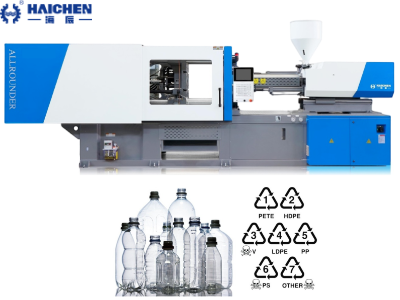
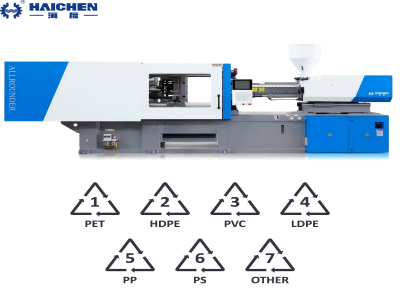
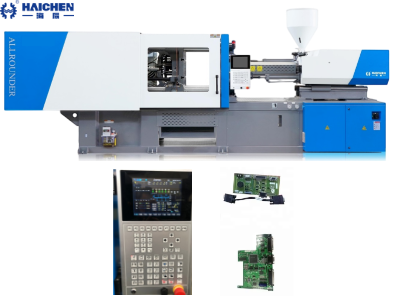
Haichen plastic injection molding machine supplier
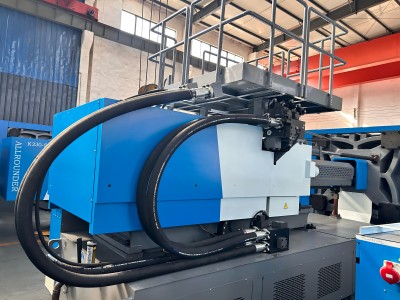
Haichen is a manufacturer of high-precision plastic injection molding machines, offering a wide range of products and solutions for plastic production. We have rich experience of producing plastic products, with successfully cases for your reference.
The melting point of a plastic is affected by factors such as chemical structure, foamability, moldability, and additives. For example, plastics with higher anchor points generally have higher melting points, while others or additives may reduce the melting point.
The melting point of plastics ranges very widely, from as low as 70°C to as high as 300°C, depending on the type and properties of the plastic. Knowing the melting point of a specific plastic is essential for safe use and processing. If you have any questions about plastic raw materials, such as how to choose the right product plastic, etc., please feel free to consult us.