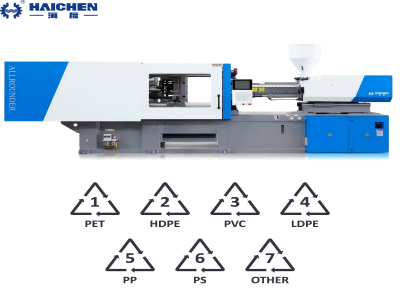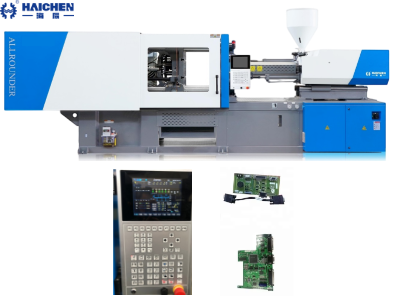
For the automotive industry, the auto parts injection molding process requires specific standards of quality control including: filling molds manufactured to exacting standards with liquid plastic, cooling them, and producing high quality parts.
Injection molding is one of the most common manufacturing processes in the automotive industry as it is capable of making different plastic components of the vehicle. It consists of forcing liquid plastic into a shaped cavity (mold) and allowing it to solidify.
Products with intricate shapes and surfaces need a high level of finesse and sophistication. Injection molding is one of the methods that can achieve that degree of versatility, complexity, and precision.
In the description, we will focus: on the auto parts injection molding, to reveal the key aspects based on some production experiences.
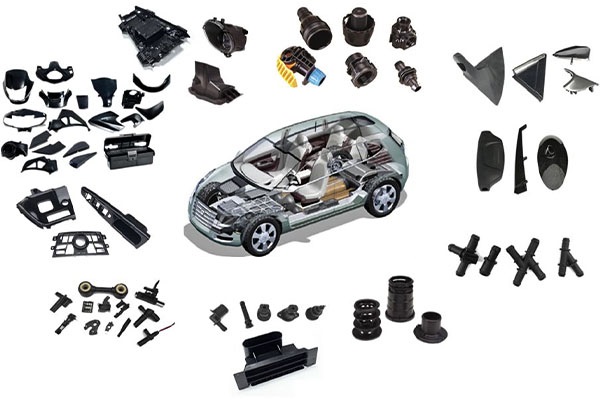
Auto parts injection molding process
- Design and Engineering
- Material Selection
- Injection Molding Process
- Post – Processing
Design and Engineering
Part Design
During the injection molding process for automotive parts, engineers first create a 3D model of the part using CAD software. This stage also considers actual production requirements, such as part functionality, safety standards, and appearance requirements, to ensure the design is directly compatible with subsequent manufacturing processes and prevent defects during production.
Mold Design
Once the part design is confirmed, a dedicated mold is developed. Mold precision directly impacts the quality and consistency of the final part, especially in the automotive industry, where parts must meet stringent tolerances (e.g., dimensional error ≤ 0.1mm). Our mold engineers customize the design of the gating system, cooling circuits, and ejector mechanism based on part characteristics to ensure stable mass production.
Material Selection
Types of Plastic
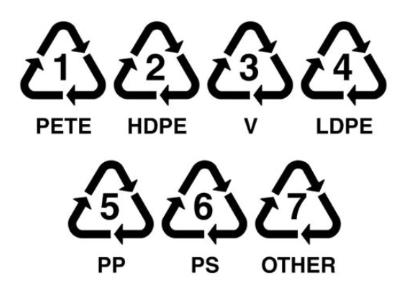
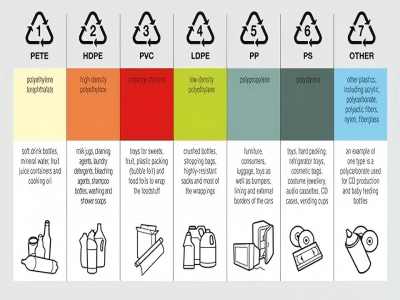
Selecting the appropriate plastic material impacts both the performance and the useful life of automotive parts. Common materials used in auto parts injection molding include:
- Polypropylene (PP): As a material known for its flexibility, chemical resistance, and durability, PP is used in vehicle interiors for components like dashboards and door panels.
- Polyethylene (PE): Another common material, PE is also known for its flexibility, offering a fair amount of protection for impact and being used in bumpers and other exterior parts.
- Polycarbonate (PC): PC is valued for its transparency and high impact resistance, thus serves in the production of headlights and taillights.
Material Properties
Within automotive application, designers must consider the unique factors of each material such as its strength, thermal resistance, and chemical resistance. Each material has its individual properties which will determine its potential usefulness in a given application.
Injection Molding Process
Injection
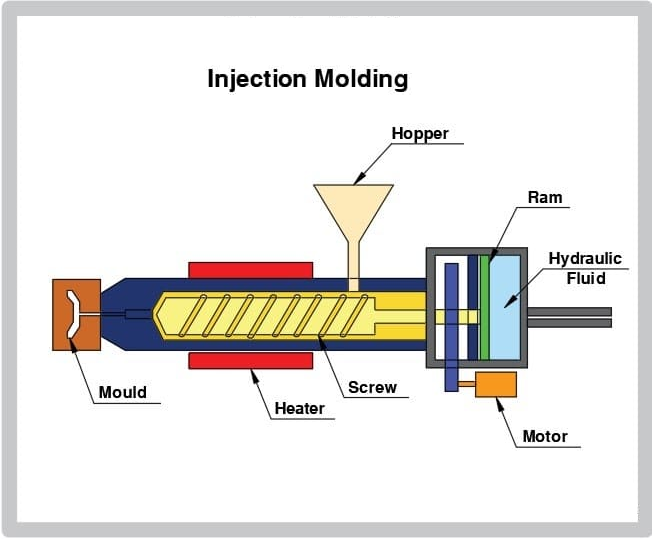
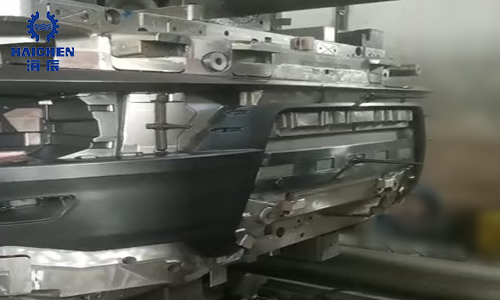
Plastic injection molding is divide in stages, the first one is the injection of molten plastic into the mold cavity. The mold must be completely and uniformly filled so the molten plastic is injecte under high pressure and HAICHEN machines’ exact control of injection parameters guarantees high quality and defect-free components.
Cooling and Solidification
Once the plastic is filled into the mold, the material begins the process of cooling and solidification. Cooling is just as critical as the molding process itself, and the need to control cooling process is essential in derivation of warping and shrinkage defects.
Ejection
The mold ejects the part ejected automatically after it solidifies. During the ejection, utmost care is made not to damage the components, which means the ejection system is curated with extreme precision.
Post – Processing
Trimming and Finishing
Following ejection, further work may include trimming off the surplus material and enhancing the surface to the desired finish. The part is visually and functionally accurate.
Quality Control
In the automotive sector, all components undergo strict and necessary quality control and all checked critically.
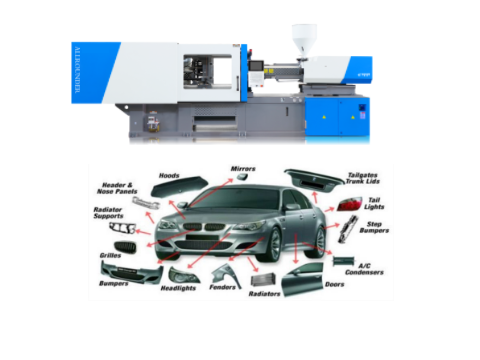
HAICHEN Automotive Parts Production Case Studies
Engine Hood Production (880-ton Cold Chamber Die Casting Machine)
- Challenge: Aluminum alloy components need to be of high density and low porosity.
- Solution:
- Injection control in four stages—slow, fast, and boost—along with real-time curve monitoring.
- Zero to one micron magnetic scale on the injection positioning system increases the yield of good parts by 15 percent.
- Result: 300,000 engine hoods produced annually and the best lightweighting in the industry.
Instrument Panel Assembly (1,200-ton E-Series Injection Molding Machine)
- Material: PP + Glass Fiber Reinforced Process
- Innovation:
- Melt balance dual cylinder injection. Elimination of weld line.
- 100-set mold parameter storage allows flexible multi-model production automation.
- Customer Feedback: 98% yield for Dongfeng Motor projects.
Thin-walled headlight housing (Servo Energy-Saving Injection Molding Machine)
- Technical Highlights:
- Hybrid: electro-hydraulic system with rigid hydraulic clamps and 40% electric injection.
- Pre-molding and pre-cooling in synchronism for 20% cycling time reduction.
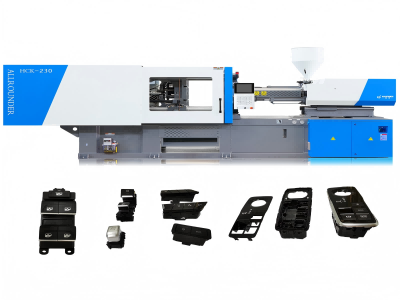
Focusing on design and engineering, materials selection, processes of injection molding, and post-processing, a manufacturer is able to ensure that the production will consistently result in high-quality products. Understanding the processes and key functions of auto parts injection molding aids to stream production and improve quality.