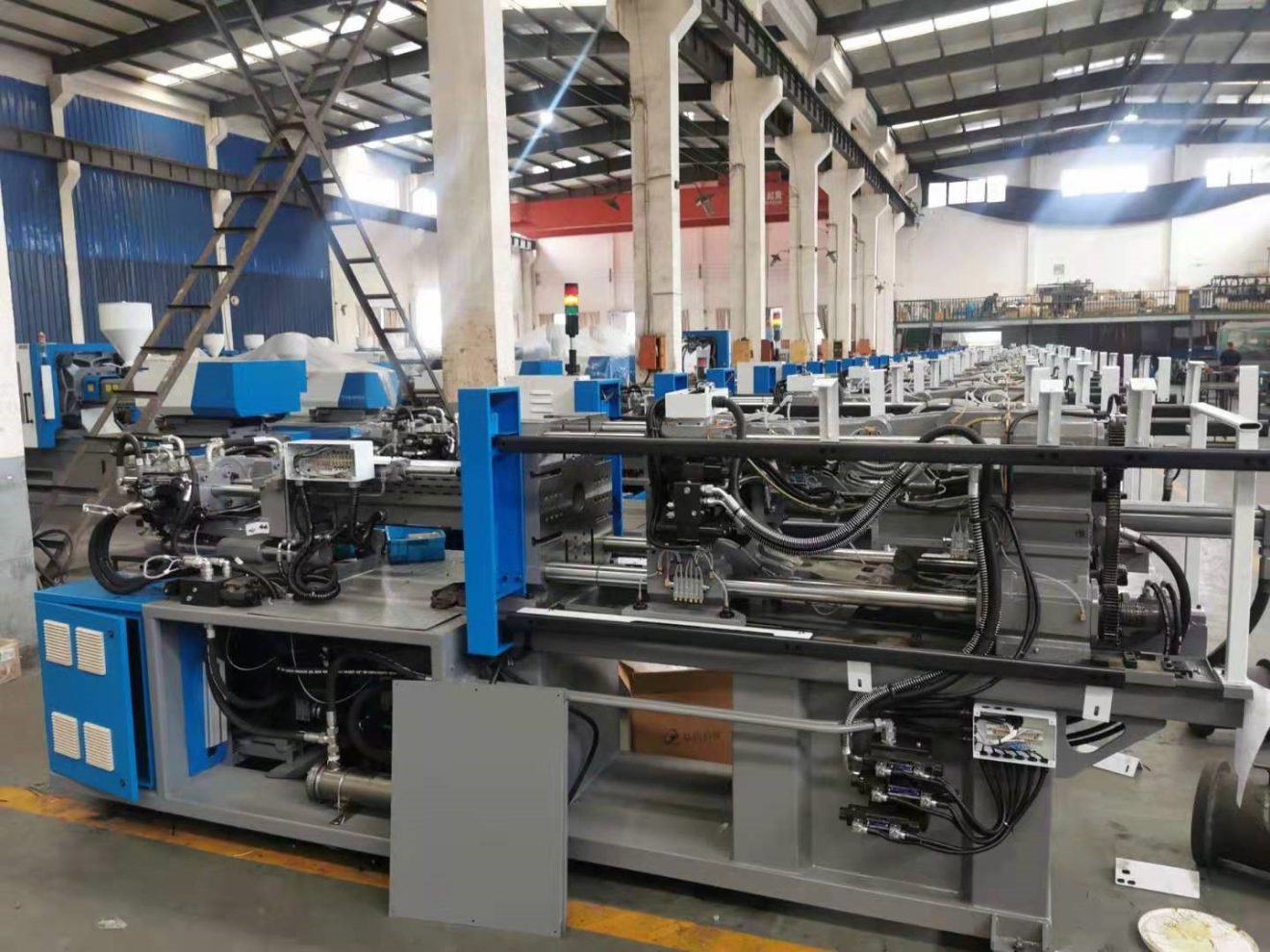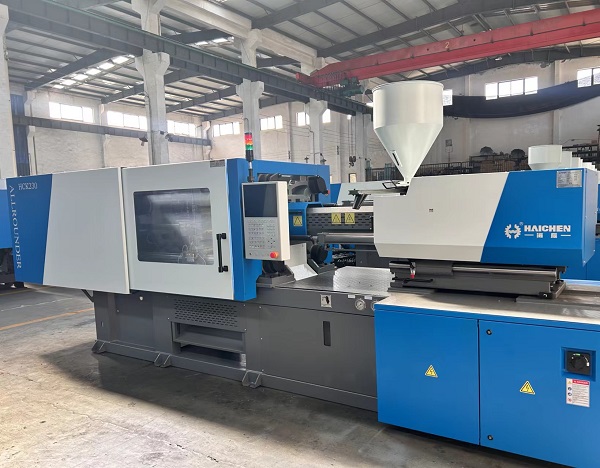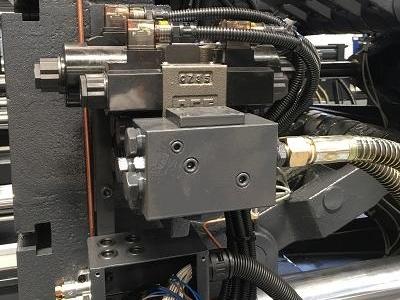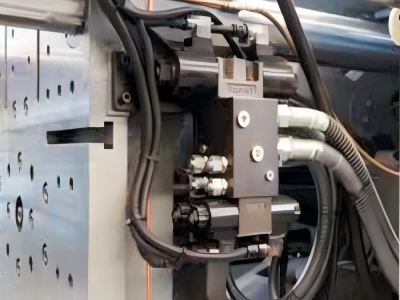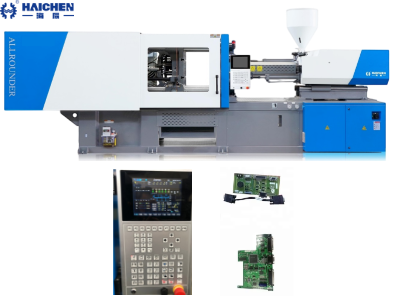
Basics of Plastic Injection Molding encompasses a series of fundamental steps, including feeding, heating, injecting, cooling, and ejecting.
About Injection Molding
Designing plastic parts is a complex and delicate task that requires a combination of factors to ensure that the final product meets specific application requirements.
- “What are the steps in injection molding?”
- “What factors need to be considered in plastic injection molding?”
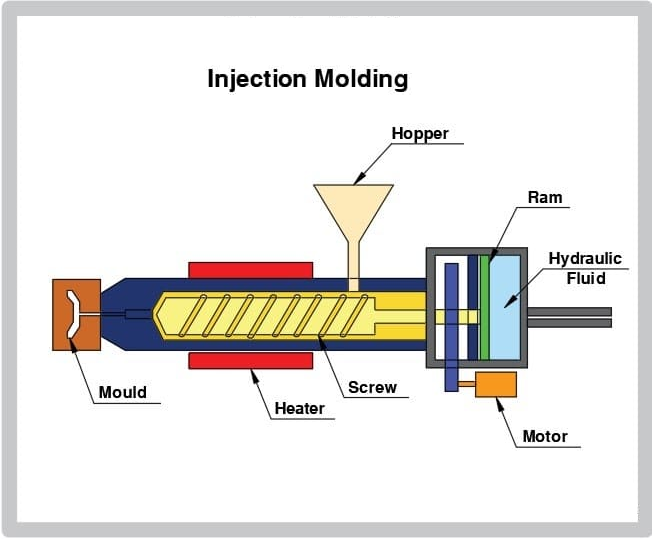
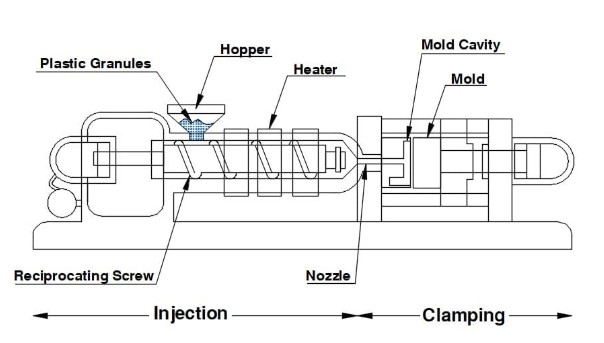
- “What are the components of an injection molding machine?”
- “How do I choose the right plastic for injection molding?”
- “What are the applications of injection molding?”
Read the following articles to understand the injection molding process better and make reasonable decisions in actual production.
How Injection Molding Machines Work
The plastic injection molding process involves several key steps:
Feeding: Plastic pellets or pellets are fed into the hopper of the injection molding machine.
Heating and Melting: The plastic is then heated and melted in the heating element of the screw.
Injection: The molten plastic is forced into the mold cavity by the screw or plunger, filling the cavity to form the desired shape.
Cooling: The plastic solidifies in the mold, which is cooled by water or other cooling systems.
Ejection: Once the plastic part solidifies, the mold opens and the part is ejected using an ejector system.
Finishing: Remove any excess material or flash from the part and prepare it for subsequent operations
Steps of Injection Molding
The basics of the plastic injection molding process include designing product drawings, customizing product molds, melting plastic pellets, injection molding machine injection, cooling, and demolding.
See the detailed description of each step below:
Design drawings for Basics of Plastic Injection Molding:
- Before injection molding, you first need to use computer-aided design (CAD) software to draw detailed design drawings of the product based on product requirements and technical parameters.
- The design drawings include the product’s size, shape, material specifications, and any specific design features such as ribs, grooves, or holes.
- The mold’s parting line, gate system, and ejector pin position also need to be considered during the design process to ensure that the mold can be properly filled and de-molded smoothly.
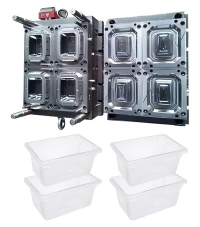
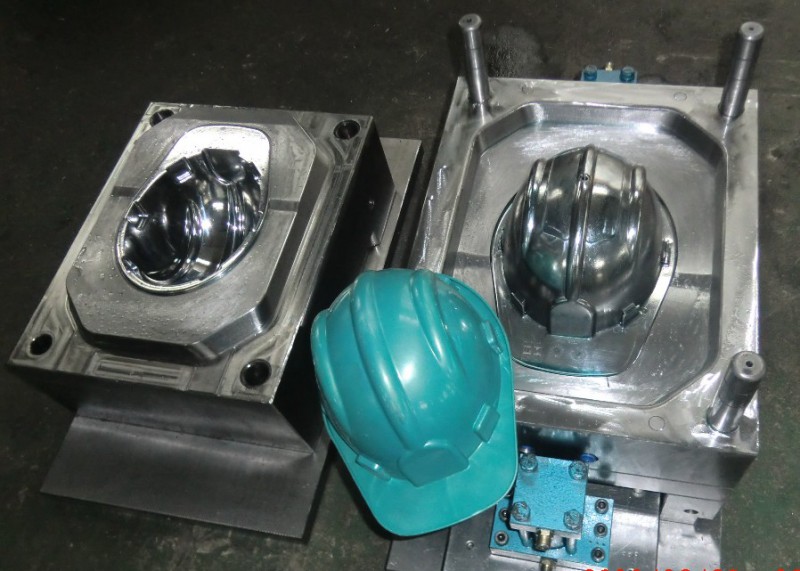
Custom mold:
- According to the design drawings, precision injection molds are manufactured or customized. The molds are usually made of steel to withstand high-pressure injection and long-term use.
- Mold design needs to consider the molding method of the product, the cooling system, and possible side core pulling or slider mechanism.
- After the mold is manufactured, it needs to be tried and tested to ensure that it can accurately replicate all the details in the design drawings and meet production requirements.
Melting plastic granules:
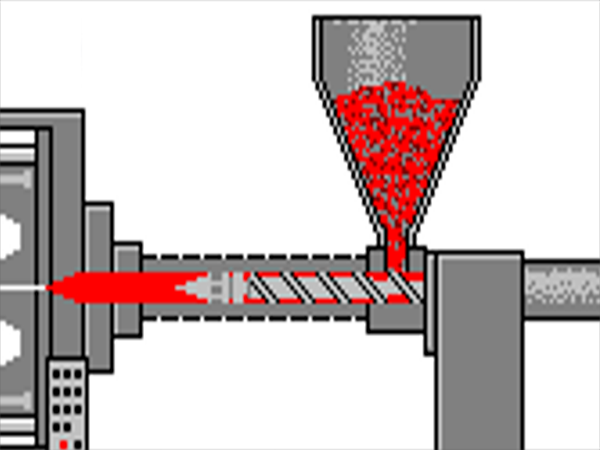
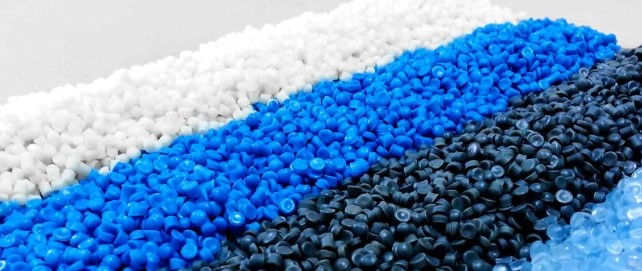
- Plastic raw materials (usually granular) are added to the hopper of the injection molding machine.
- The plastic granules enter the heated barrel under the push of the screw, and the heating element (such as the electric heating coil) heats the plastic to a molten state.
- The screw continues to rotate, pushing the molten plastic forward and preparing for injection.
Injection molding machine injection:
- The injection unit of the injection molding machine injects molten plastic into the closed mold under high pressure.
- During the injection process, the screw or plunger quickly fills the molten plastic into the cavity of the mold to form the desired product shape.
- The injection speed and pressure need to be precisely controlled to ensure that the plastic fills the mold evenly and reduces bubbles and defects.
Cooling and demolding:
- The molded part is cooled and solidified in the mold. The cooling system (such as cooling water channels) helps to accelerate the cooling process and ensure the product’s dimensional stability and strength.
- Once the plastic part is fully solidified, the mold opens and the ejection system (such as ejector pins or ejector plates) pushes the finished product out of the mold.
- After demolding, the injection molded part may require further post-processing, such as deburring, trimming or painting, to meet specific surface quality and functional requirements.
What factors need to be considered in plastic injection molding?
Cost budget
Plastic injection molding involves significant upfront investment, especially in mold design and development. It is critical to ensure that the mold design accurately meets product specifications. Although the initial cost is higher, high-quality molds can lead to cost savings in long-term production.
Determine output
Determining the required production volume is key to assessing project feasibility. Consider all relevant costs, including design, tooling, and distribution costs, to calculate the break-even point. Knowing production quantities helps ensure the economics of an injection molding project.
Specialized design
The limitations and advantages of the injection molding process should be fully considered during design. Simplifying the design and reducing the number of parts can improve product quality. Avoid potential flaws in your design, such as poor gate locations and weak channels, to ensure the quality and consistency of your final product.
Other production precautions
Using well-designed molds and hot runner technology can shorten production cycles and increase efficiency. Minimizing or eliminating the need for assembly during design not only improves product quality but also reduces the time and cost associated with assembly.
Selection of plastics for injection molding
Choosing the right plastic injection molding material requires considering its characteristics and application requirements. Although there are many options on the market, the selection process can be simplified by considering the following factors:
Application scenario: the environment in which the part will be used and its expected lifespan.
Pressure and load: the mechanical stress the part will be subjected to.
Performance vs. aesthetics: whether performance or appearance is important.
Budget constraints: cost-effectiveness and material price.
When determining material properties, it is also important to consider the mechanical strength, chemical resistance, and thermal properties of the plastic (such as thermal expansion, melting point, and degradation temperature). In addition, the material should not react adversely with air, chemicals, etc.
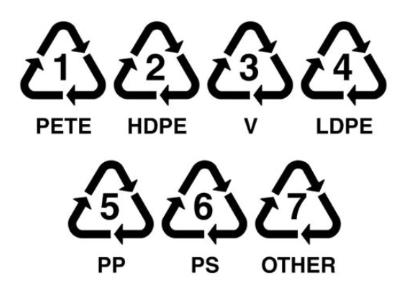
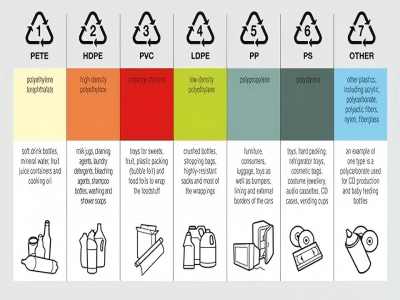
Product design and complexity also affect material selection. Here are some common injection molded plastics and their applications:
- Polypropylene (PP): Suitable for applications that require flexibility.
- Polyethylene (PE): Suitable for making films and containers.
- Polystyrene (PS): Suitable for disposable packaging materials.
- Polycarbonate (PC): Used to make transparent, high-strength parts.
- ABS resin: Used to make durable toys and electrical housings.
The final selection should be based on the above factors to ensure that the injection molded product meets the quality and performance requirements.
In plastic injection molding, technological advances over the years have greatly promoted innovation and development in the industry. This efficient production method allows for large-scale manufacturing of complex plastic parts with low labor costs. Although injection molding seems straightforward, the entire process involves many key design, processing, and manufacturing elements. Therefore, it is crucial to choose an injection molding partner that can understand and meet your specific needs.
Haichen injection molding machine
Haichen Machinery, a leading manufacturer of plastic injection molding technology, is your ideal partner because of its advanced injection molding machines and rich industry experience.
We focus on providing high-quality injection molding solutions to ensure that your products meet the highest standards every step of the way from design to finished product.