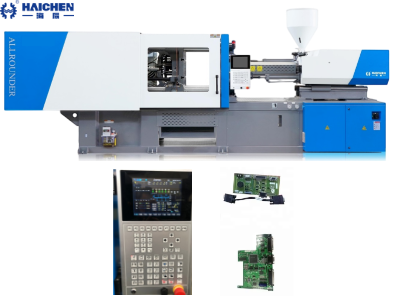
Ejector cylinder plays a critical role in injection molding by ensuring smooth part ejection. Below are common issues and their solutions.
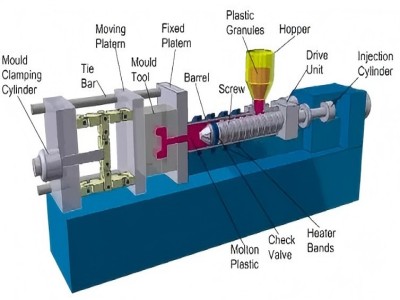
Common Faults of Ejector Cylinder in injection molding
Internal or External Leakage of Ejector cylinder
Cause: Misalignment of the piston rod, insufficient lubrication, worn or damaged seals, impurities in the cylinder, or scratches on the piston rod.
Solution: Realign the piston rod to ensure it is coaxial with the cylinder barrel. Regularly check the oil mist device to ensure proper lubrication. Replace worn or damaged seals promptly. Clean the cylinder to remove impurities and replace the piston rod if it is damaged.
Insufficient Output Force and Unstable Movement
Cause: Sticking or poor lubrication of the piston or piston rod, insufficient air supply, or condensation water and impurities in the cylinder.
Solution: Adjust the piston rod alignment. Check the oil mist device and ensure proper lubrication. Clean the gas supply pipeline to remove blockages. Remove condensation water and impurities from the cylinder.
Poor Buffering Effect of Ejector cylinder
Cause: Worn or damaged buffering sealing ring or adjusting screw.
Solution: Replace the buffering sealing ring and adjusting screw.
Ejector Cylinder Drifting
Cause: Leakage in the directional control valve, which allows pressurized oil to build up on both sides of the cylinder.
Solution: Change the directional control valve spool center configuration to connect the cap end to the tank and block the rod end when the valve’s spool is centered.
Ejector Pins Bent or Broken
Cause: Improper placement or sizing of ejector pins, excessive force during ejection, or wear over time.
Solution: Ensure proper sizing and placement of ejector pins based on part geometry and required ejection force. Avoid placing pins on thin-walled sections. Regularly inspect and replace worn or damaged pins.
Uneven or Incomplete Ejection
Cause: Inconsistent ejection force, misaligned ejector components, or insufficient cooling time.
Solution: Adjust the ejection force and timing to ensure even distribution. Align the ejector components properly and allow sufficient cooling time before ejection.
Solutions of Ejector Cylinder in injection molding
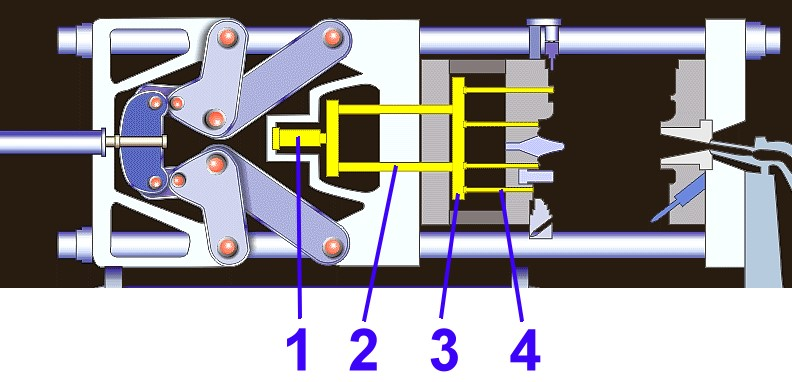
Regular Maintenance of Ejector cylinders:
Regular inspection and maintenance of the ejector cylinder and associated components can prevent many common faults. This includes checking seals, lubrication, alignment, and ensuring that the cylinder is free from impurities.
Proper Design and Selection:
Choose the appropriate ejection system based on the part geometry, material properties, and production requirements. Proper sizing and placement of ejector pins or other ejection components can reduce the risk of defects and improve part quality.
Optimized Ejection Sequence:
Ensure precise timing and synchronization of the ejection sequence to allow sufficient cooling and solidification of the part before ejection. Premature ejection can cause deformation or sticking.
Haichen injection molding machine supplier
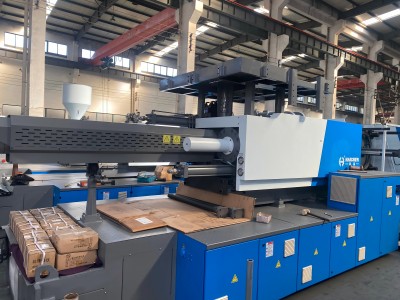
Haichen is a well-known Chinese injection molding machine manufacturer specializing in plastic injection molding machines for various industries.
Haichen’s ejector cylinders are designed for high reliability, precision, and durability, ensuring smooth ejection and minimal downtime in injection molding operations. Here are the key advantages:
High Durability & Long Service Life
Made from high-strength materials (hardened steel/chrome-plated rods) to resist wear.
Precision machining ensures smooth operation even under high-cycle production.
Smooth & Consistent Ejection Performance
Optimized hydraulic/pneumatic design prevents jerky movements.
Accurate stroke control ensures repeatable ejection without part damage.
Customizable Solutions
Available in different sizes, strokes, and force capacities to match mold requirements.
Can be integrated with programmable ejection sequences (multi-stage ejection).