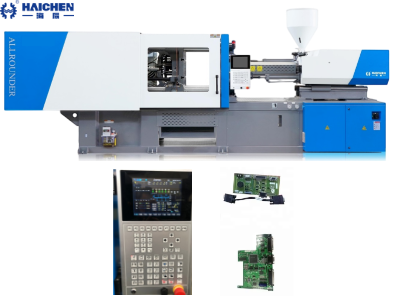
To reduce injection molding cooling time, optimize the mold design with conformal cooling channels, use high thermal conductivity mold materials, select materials with higher heat diffusivity, employ rapid cooling techniques like chilling, and optimize process parameters to eject the part at the highest possible temperature without compromising quality.
In plastic injection molding, cooling rate is the last section of the molding cycle.
The cooling rate is a decreasing rate from the time the plastic resin enters the mold until the last cavity of the mold is filled.
The cooling process is complete when the temperature is no longer reducing, and any additional time spent to cool the part is useless.
When the cooling process is complete, it is safe to remove the part from the mold.
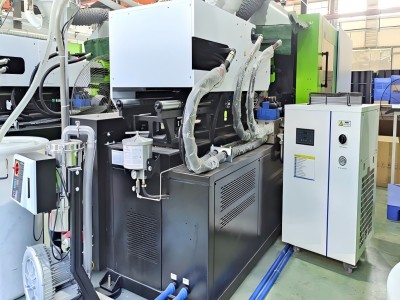
Steps to reduce the cooling time in injection molding
Reducing cooling time in injection molding improves production efficiency and lowers costs.
Follow these practical strategies to optimize cooling while maintaining part quality:
- Optimize Cooling Channels
- Select Materials with Higher Thermal Conductivity
- Implement Rapid Cooling Techniques
- Preheat the Mold Surface
- Lower Ejection Temperature
- Optimize Process Parameters
- Use Advanced Cooling Systems
Optimize Cooling Channels
Place Channels Strategically: Position cooling channels close to the mold cavity to minimize heat transfer distance. This enables faster and more uniform cooling.
Use Conformal Channels: Design cooling channels to match the part’s geometry for better surface contact and heat removal.
Increase Channel Density: Add more channels near thick sections or critical features that require additional cooling.
Select Materials with Higher Thermal Conductivity
Choose Conductive Plastics: Materials like PBT or POM have higher thermal conductivity and can cool faster.
Use Filled Materials: Glass or mineral-filled materials enhance thermal conductivity compared to unfilled variants.
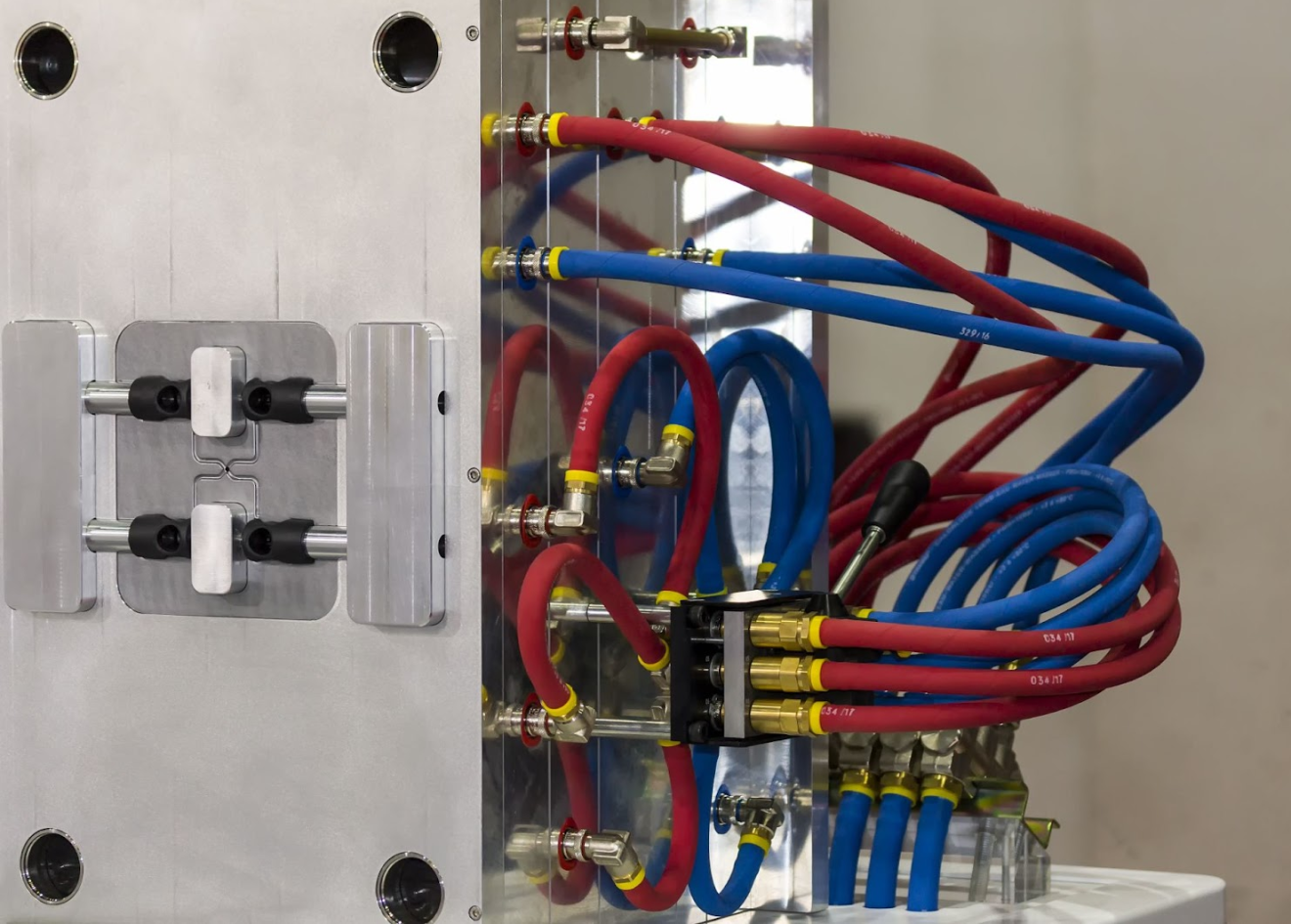
Implement Rapid Cooling Techniques
High-Pressure Water Blasts: Direct high-pressure water at the mold cavity surface to rapidly extract heat.
Air Blasts or Vortex Tubes: Use turbulent air flow to cool the mold surface quickly.
Liquefied CO₂ Cooling: Spray liquefied CO₂ into the mold to achieve rapid cooling. This method can reduce cooling time by up to 29.2%.
Preheat the Mold Surface
Preheating the mold cavity surface before injection reduces the initial temperature difference between the plastic and the mold, allowing the plastic to solidify faster.
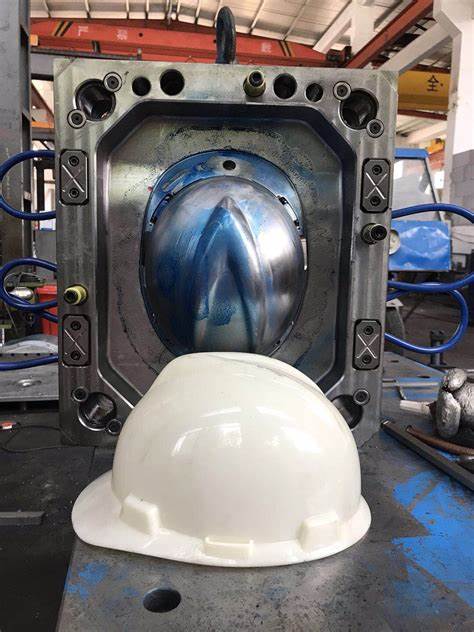
Lower Ejection Temperature
Cooling parts to just above the material’s heat deflection temperature can reduce cooling time while maintaining dimensional stability.
Optimize Process Parameters
Lower Melt Temperature: A higher temperature differential between the melt and mold can speed up cooling.
Increase Injection Speed: Faster fill rates reduce heat loss during injection, shortening cooling time.
Optimize Holding Pressure: Proper holding pressure can prevent sink marks and allow earlier mold opening.
Use Advanced Cooling Systems
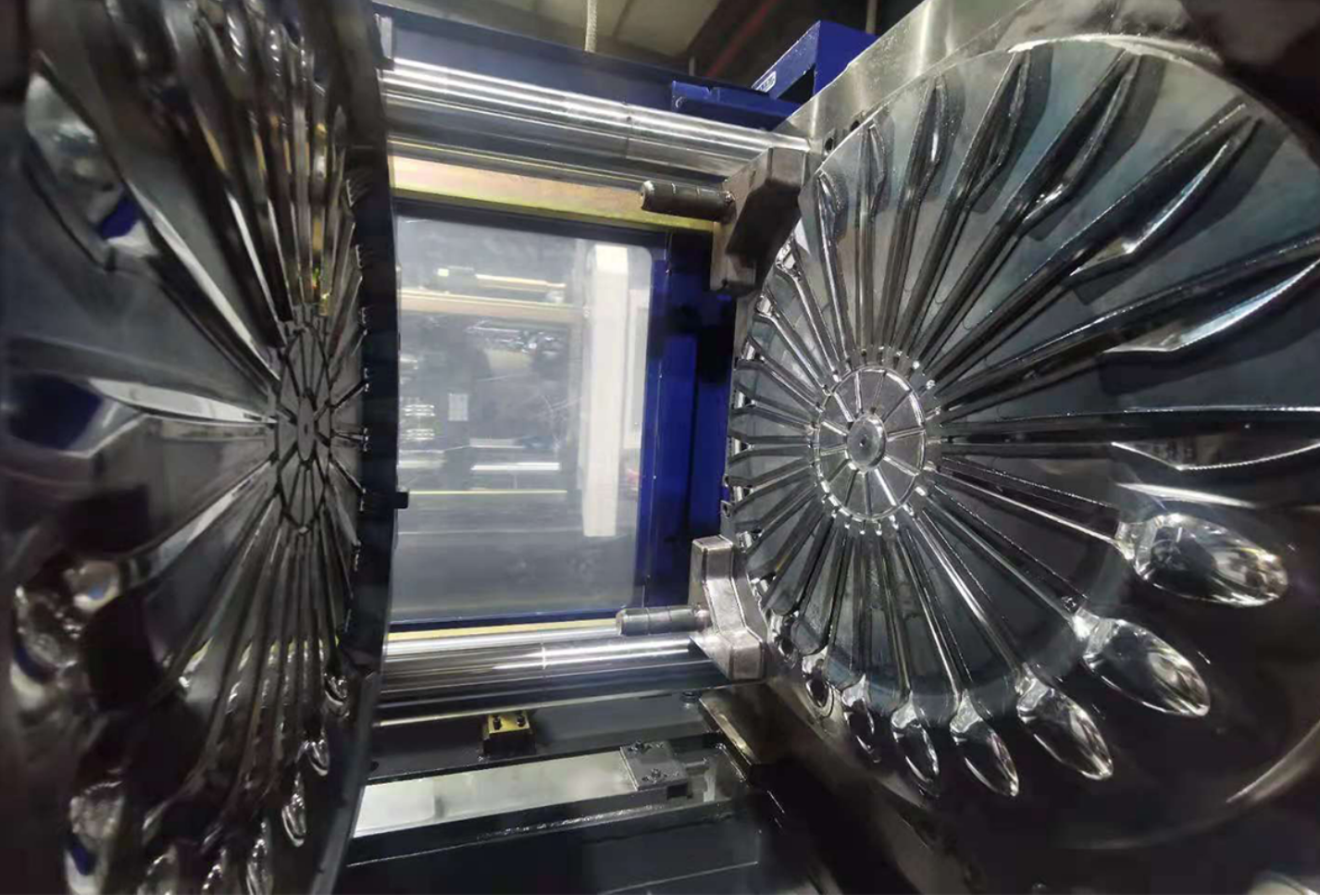
Chilled Water Systems: Operating at 10-15°C, chilled water systems can improve cooling rates by 25-35%.
Pulsed Cooling: Alternating between cooling and minimal flow periods improves heat transfer efficiency.
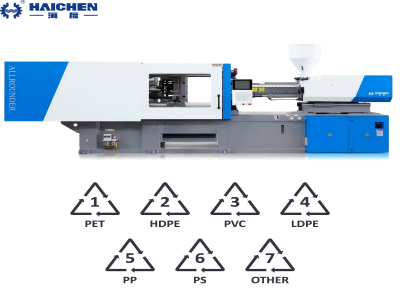
Haichen injection molding cooling system
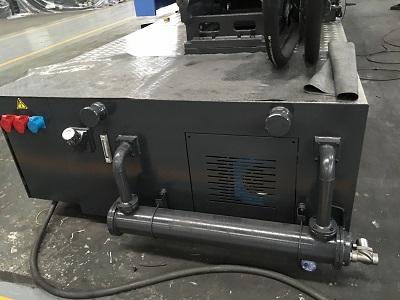
The Haichen injection molding cooling system is designed to optimize cooling efficiency in plastic injection molding processes, ensuring high-quality production with reduced cycle times.
Meanwhile,the Haichen injection molding cooling system offers several key advantages that enhance production efficiency, part quality, and cost-effectiveness.
Here are the main benefits:
- Faster Cooling & Reduced Cycle Time
- Improved Part Quality & Dimensional Stability
- Energy Efficiency & Cost Savings
- Durability & Low Maintenance
Faster Cooling & Reduced Cycle Time
Optimized cooling channel design (including conformal cooling in advanced molds) ensures rapid heat dissipation.
Reduces cooling time, which accounts for ~70% of the injection molding cycle, leading to higher productivity.
Improved Part Quality & Dimensional Stability
Uniform cooling minimizes warpage, sink marks, and internal stresses.
Better temperature control ensures consistent part dimensions and surface finish.
Energy Efficiency & Cost Savings
Efficient heat transfer reduces the need for excessive coolant flow, lowering energy consumption.
Faster cycles mean higher output with less machine runtime, reducing operational costs.
Durability & Low Maintenance
Made from high-thermal-conductivity materials (e.g., beryllium copper, stainless steel) for long-lasting performance.
Resistant to corrosion and scaling when properly maintained.