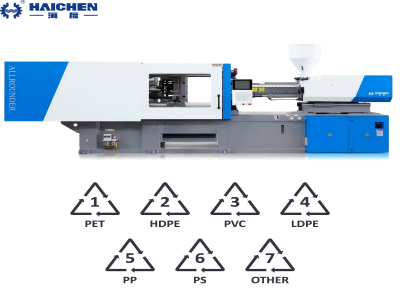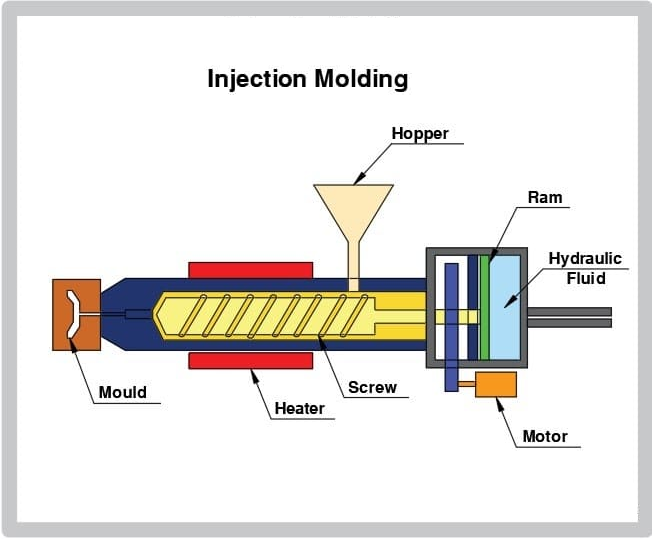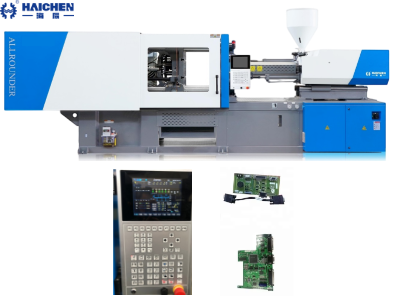
Injection molding tolerances refer to the allowable variation in the dimensions of a molded part. Achieving tight tolerances is critical for ensuring the functionality, fit, and quality of the final product.
Factors affecting of injection molding tolerances
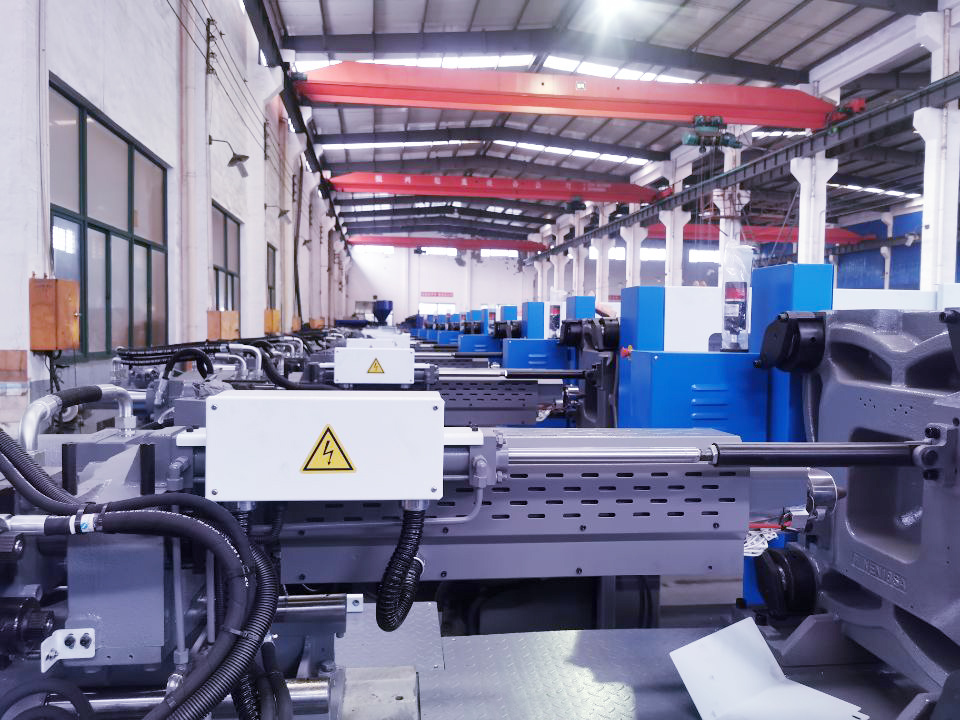
Several factors can influence the tolerances in injection molding, and understanding these factors is essential for optimizing the process and producing high-quality parts. Below are the key factors affecting injection molding tolerances.
Material Selection
Material Properties
- Different plastic materials have significant differences in shrinkage, thermal expansion coefficients, and flow properties, which directly affect the dimensional accuracy of the molded parts.
- For example, crystalline materials (such as polypropylene, PP) have higher shrinkage rates, while amorphous materials (such as polycarbonate, PC) have lower shrinkage rates.
Impact of Additives
- The addition of reinforcing materials like glass fibers can alter the shrinkage and thermal expansion coefficients of the material, thereby affecting tolerances.
Material Selection Recommendations
- For parts with high precision requirements, it is recommended to choose materials with low shrinkage and low thermal expansion coefficients, such as PC or ABS.
Mold Design
Mold Accuracy
- The manufacturing accuracy of the mold directly affects the dimensional accuracy of the part.
- High-precision molds (e.g., with a machining tolerance of ±0.0254 mm) can better control the molding dimensions.
Cooling System Design
- The layout and efficiency of the cooling channels are crucial for uniform cooling of the part.
- Non-uniform cooling can lead to inconsistent shrinkage, which affects tolerances.
Gate Design and Position
- The design and position of the gate affect the flow of plastic in the mold.
- Poor gate design can lead to non-uniform filling, thereby affecting dimensional accuracy.
Mold Material
- Using high-quality mold materials (such as steel) can enhance the stability and service life of the mold.
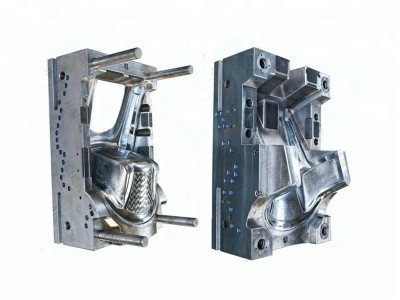
Part Design
Uniform Wall Thickness
- Maintaining uniform wall thickness is key to controlling tolerances.
- Non-uniform wall thickness can lead to different cooling speeds, causing inconsistent shrinkage and deformation.
Part Complexity
- Complex part designs (such as multi-wall thicknesses and complex geometries) increase the difficulty of molding, leading to non-uniform material flow and making it difficult to achieve tight tolerances.
Design Optimization
- Identify critical tolerance requirements during the design phase and optimize the design (e.g., by adding ribs and maintaining uniform wall thickness) to reduce deformation.
Molding Process Parameters
Injection Speed and Pressure
- Both excessively fast and slow injection speeds can affect the filling and dimensional accuracy of the part.
Cooling Time
- Insufficient cooling time can lead to part deformation, while excessive cooling time reduces production efficiency.
Temperature Control
- The stability of melt temperature and mold temperature is crucial for the dimensional accuracy of the part.
- Temperature fluctuations can cause changes in shrinkage, thereby affecting tolerances.
Other Factors
Thermal Expansion: Plastics have a high coefficient of thermal expansion. Parts may experience dimensional changes under different temperature conditions after molding.
Warpage: Warpage can occur due to non-uniform cooling or poor part design, affecting dimensional accuracy.
Haichen injection molding machine supplier
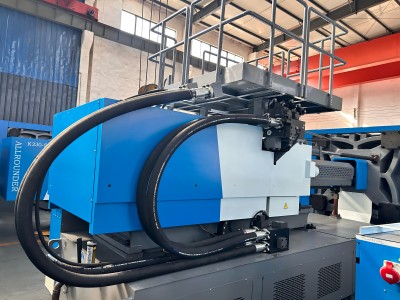
Ningbo Haichen Machinery is a manufacturer and supplier of high-precision plastic injection molding machines, focusing on providing customers with comprehensive plastic production solutions.
The injection molding machines are equipped with advanced servo energy-saving systems, high-precision control systems and intelligent PLC operator interfaces to support visualized production processes. If there is any demand, welcome to consult us.