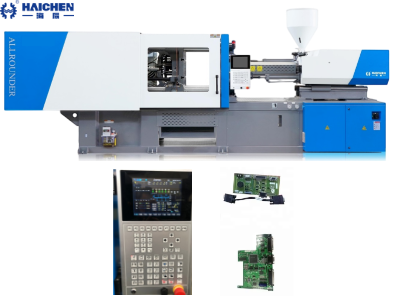
Market demand affect Plastic Injection Molding Machine price includes demand growth drives price increases and so on.
Market demand affects the price of injection molding machines through supply and demand, cost structure, technology iteration and policy orientation. In the short term, global expansion and growth in sub-sectors may push up prices; in the medium and long term, competitiveness needs to be maintained through technology upgrades and cost control. Companies need to flexibly respond to raw material fluctuations, exchange rate changes and emerging technology shocks to achieve a balance between price and profit in a dynamic market.
The growth of market demand is the core driving force for the price increase of plastic injection molding machines, especially in the context of lightweight automobiles, medical upgrades, expansion of emerging markets and technological iteration. However, the price trend is also subject to cost control, policy guidance and international competition. In the future, with the breakthrough of China’s high-end technology and the global trend of green manufacturing, the price of injection molding machines may further diverge, and the mid-to-high-end market has significant potential.
The impact of market demand on the price of plastic injection molding machines mainly reflectes in the following aspects:
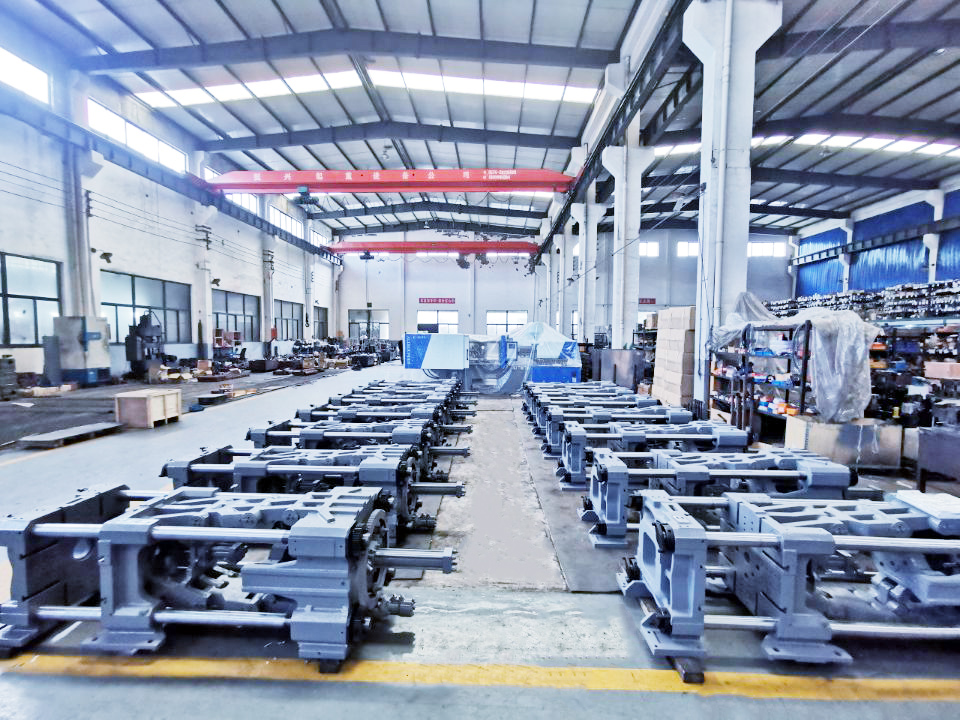
Market demand affect Plastic Injection Molding Machine price: Demand growth drives price increases
As downstream industries such as automobiles, home appliances, packaging and electronics increase demand for plastic products, demand for plastic injection molding machines also grows.
For example, the increase in the penetration rate of new energy vehicles and the recovery of consumer goods have directly driven the rapid growth of the injection molding machine market. This increase in demand usually leads to an increase in equipment prices.
Demand growth in core areas such as automobiles, home appliances, and medical care
Plastic injection molding machines are widely used in areas such as lightweight automobiles, home appliance upgrades, and medical equipment.
For example, China’s automotive industry has directly driven demand for injection molding machines by using plastic parts to achieve lightweighting (such as the 2020 goal of reducing fuel consumption to 5.0L/100km).
In addition, the medical industry has seen a surge in demand after the epidemic, and the global medical plastic injection molding market is expected to grow at a CAGR of 4.89% in 2026. These demand increases have directly led to the expansion of injection molding machine capacity, rising raw material procurement and production costs, and thus pushing up prices.
Emerging market expansion
The industrialization process in the Asia-Pacific region (especially China, India, and Indonesia) has accelerated, and the demand for injection molding machines has increased significantly.
For example, the Asia-Pacific market accounted for 39.4% of the global injection molding machine market in 2023, and it is expected to maintain a high growth rate in the next few years. As the world’s largest plastics consumer, China’s injection molding machine market size reached 748,900 tons in 2023, and demand continued to expand.
This regional demand growth has prompted companies to increase production capacity, but in the short term it may lead to higher prices due to the imbalance between supply and demand.
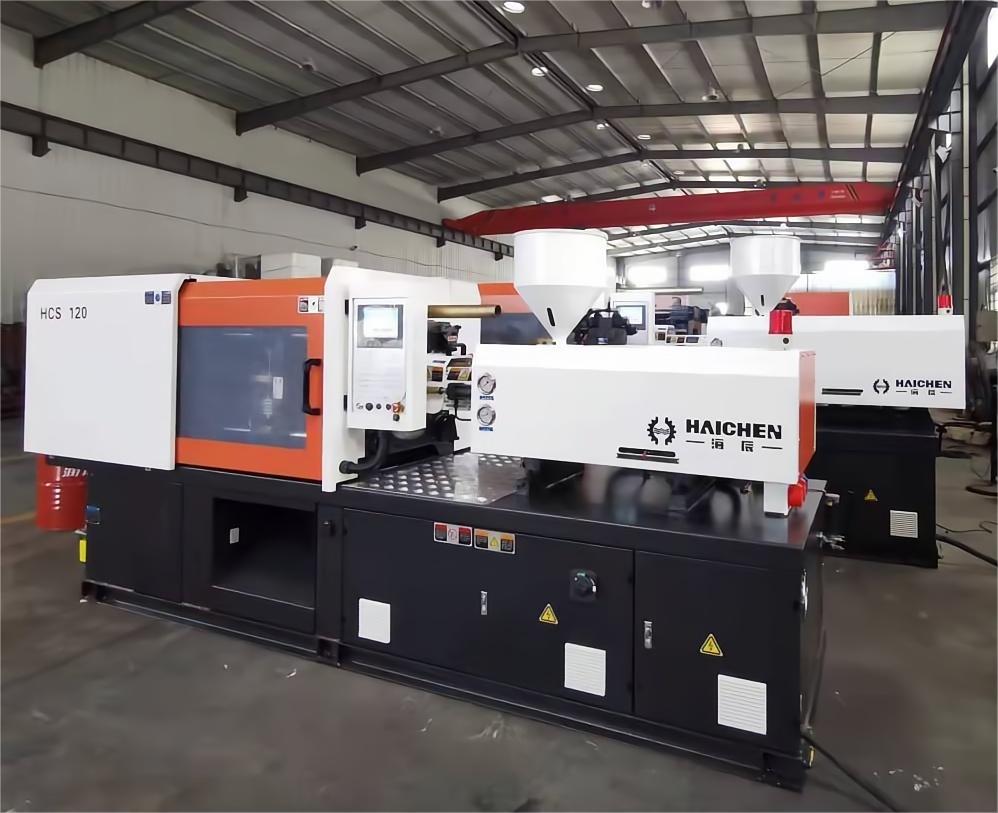
Market demand affect Plastic Injection Molding Machine price: Supply and demand affect price fluctuations
The price of plastic injection molding machines is directly affected by supply and demand. During economic booms, demand is high and prices are high; during economic recessions, demand decreases and prices fall.
Market demand growth drives price increases
Global and regional market expansion: According to Acumen Research and Consulting, the global plastic injection molding machine market size reached US$271.6 billion in 2021 and is expected to grow to US$419.1 billion in 2030, with a compound annual growth rate (CAGR) of 5%.
As a core market in the Asia-Pacific region, China’s fixed investment and export volume will show an upward trend in 2024, especially in the first quarter of 2024, with a year-on-year increase of 7.16%, indicating that the recovery in demand has driven prices up.
Demand driven by industry applications
The rapid development of lightweight automobiles, electronic products and medical packaging is the core driving force. For example, China’s automotive plastic parts market reached 611.765 billion yuan in 2016, and government policies require new energy vehicles to reduce fuel consumption, further stimulating the demand for plastics to replace metals.
This structural demand growth will directly increase the procurement and production demand for injection molding machines, thereby raising prices.
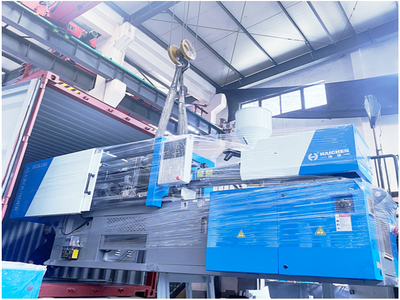
Affect Plastic Injection Molding Machine price: Technological progress and cost changes
Technological upgrades (such as automation and intelligent equipment) have improved production efficiency, but have also increased equipment costs, thereby pushing up market prices. At the same time, raw material costs (such as steel) account for nearly 50% of equipment costs, and their price fluctuations will also directly affect the price of injection molding machines.
Application of environmental protection and energy-saving technologies
Electric injection molding machines and all-hydraulic hybrid systems have become mainstream due to their environmental advantages (such as reducing carbon emissions) and high-precision requirements.
For example, the average price of electric injection molding machines exported from China is US$30,000, while the price of imported similar products is as high as US$100,000. The price competitiveness of domestic technology has been enhanced after upgrading.
At the same time, small injection molding machines (<530 tons) meet the needs of the 3C electronics and home appliance industries, with a price range of RMB 140,000-300,000, but the increased technical complexity leads to increased costs.
Intelligent and automated demand
5G, Internet of Things and other technologies promote the development of injection molding machines in the direction of intelligence.
Injection molding machines improve efficiency through integrated control systems, but R&D and production costs increase. In addition, the application of mold design software (such as CAD/CAM) improves production accuracy, but equipment prices also rise accordingly.
Market competition and brand effect
In the market competition pattern, domestic injection molding machine brands are gradually narrowing the gap with international brands, improving the cost-effectiveness of domestic equipment, thus putting pressure on the prices of imported brands. In addition, brand preferences and the diversification of consumer demand will also affect pricing strategies.
High-end brand premium
High-end brands from Germany (such as Arburg, KraussMaffei) and Japan (such as FANUC, Sumitomo) have higher prices due to their technological advantages (such as ultra-thin wall technology, high-precision miniaturization) and brand influence.
For example, the German injection molding machine market accounts for more than 34% of the European market share, and its product prices are much higher than China’s mid- and low-end models.
The rise of Chinese brands
Chinese local companies (such as Haitian International and Yizumi) have gradually penetrated into the mid- and high-end markets through technology iteration and brand building.
For example, Yizumi’s revenue grew by more than 30% annually from 2017 to 2019, and its market share has steadily increased, but its high-end products still rely on imports.
The price of electric injection molding machines from Chinese manufacturers is 30% lower than that of international brands, but it still takes time to accumulate brand premium.
Regional policies and economic environment
Changes in regional economic policies and global economic uncertainty can also indirectly affect the price of plastic injection molding machines. For example, the saturation of the regional market and the degree of policy support can affect equipment demand and prices.
Domestic policy support
China’s “old for new” policy and infrastructure investment (such as high-speed rail and new energy vehicles) drive downstream demand, which may stimulate the growth of injection molding machine sales in the short term, but in the long term, it needs to cope with international competition through technological upgrades.
Overseas market expansion
Chinese manufacturers may quickly seize market share through price advantages through market penetration in countries along the “Belt and Road” (such as India and Southeast Asia), but they need to balance cost and quality.
Global market expansion
As the global injection molding machine production center, China’s market growth (CAGR 3.7%) and overseas expansion (such as Haitian International, Yizumi and other companies’ overseas revenue accounts for 30%-40%) directly promote the tension between supply and demand, prompting companies to maintain price advantages through technological upgrades and capacity expansion.
Demand driven by sub-sectors
The demand for injection molding machines in downstream industries such as automobiles, home appliances, and 3C electronics continues to grow. For example, the annual compound growth rate of demand for micro-injection molding of electric vehicle parts (such as motors, battery packs) and medical equipment (such as surgical instruments) reached 12.6%. Such high value-added products may support prices through technical barriers.
Therefore, market demand specifically affects the price trend of plastic injection molding machines through demand growth, supply and demand relationship, technological progress, competition landscape and regional policies.