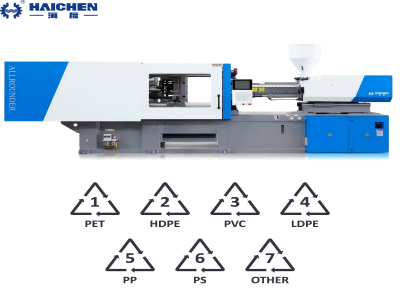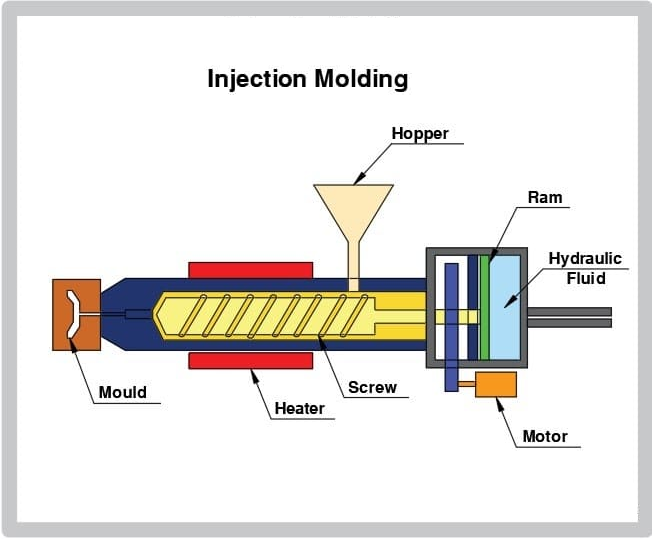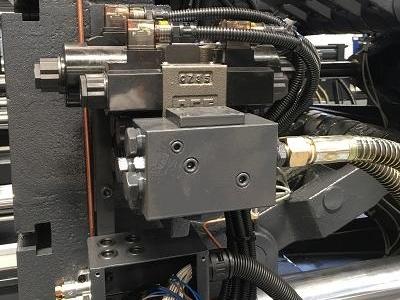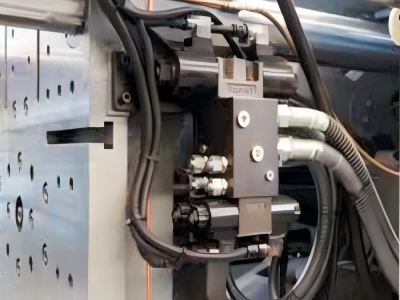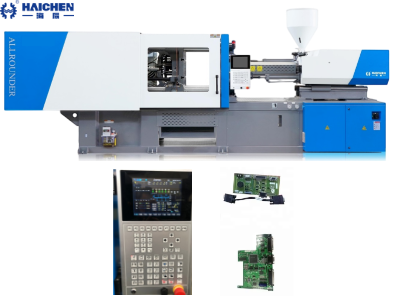
Feeding systems in injection molding are responsible for delivering the plastic material from the hopper to the injection unit, ensuring a consistent and reliable supply of material for the molding process.
The operation of injection molding requires feeding systems to ensure plastic remains supplied periodically and adequately from the hopper to the injection unit.
These systems have direct impacts on the supply and precision of material delivery and, therefore, the molding process, its efficiency, and its quality.
This article discusses the role of feeding systems in the injection molding process and how they influence the processes efficiency and quality. Other than that, we address the various feeding systems and their optimization to improve production results.
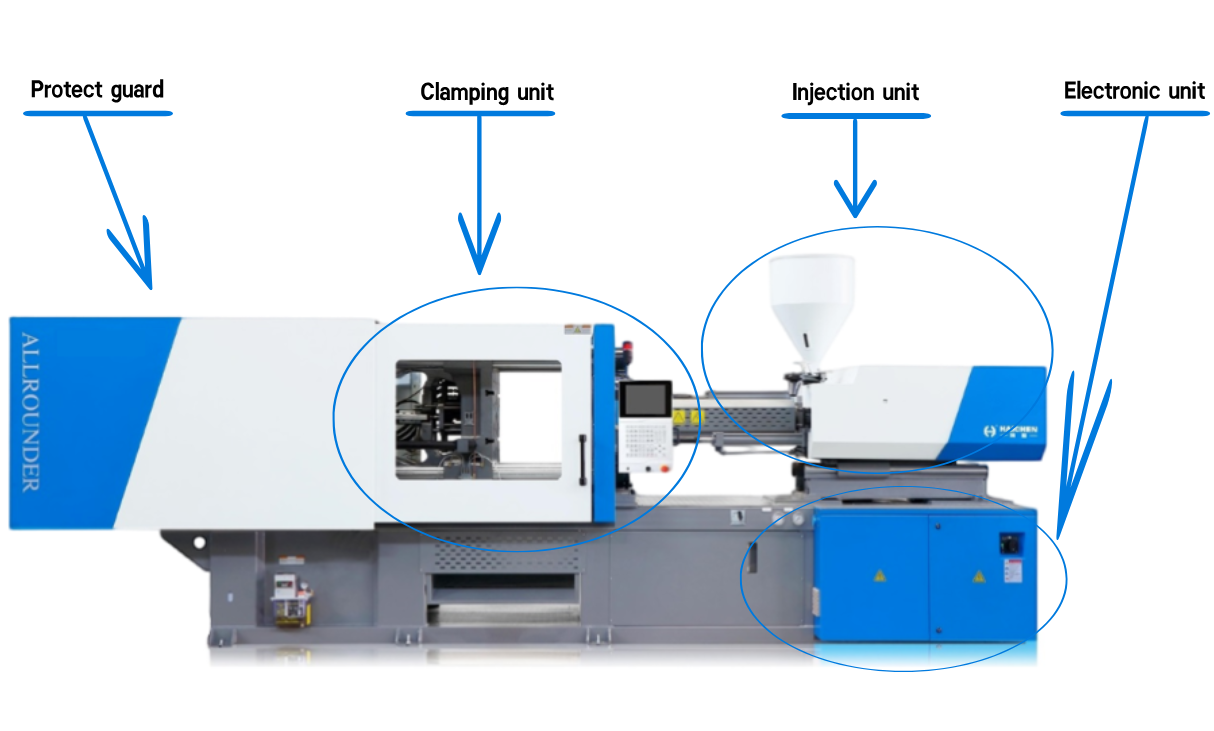
Definition and Core Components of the Feeding System
The feeding system in a workshop is the injection molding’s ‘raw material hub’ which allows constant production driven by automated material transport. Its central modules include:
Raw Material Storage Unit
- These include sealed silos and stainless steel storage tanks which resist moisture and oxidation. They have level sensors for hydrometer inventory measuring which supports multi-ton storage.
Conveying System
- Negative pressure or vacuum conveying systems. These use vacuum pumps to transport raw materials through sealed pipelines to the injection molding machine.
- Positive pressure pneumatic conveying is best for pushing or pulling high viscosity raw materials over longer distances owing to the use of compressed air.
- Design features “one machine one pipe,” ensures a single machine is connected to a single pipe which isolates machine to pipe moisture resorption as well as cross contamination of raw materials.
Drying and Dehumidification Module
- Central dehumidifiers with a dew point of upto -40°C can handle materials PC and PMMA which are hygroscopic in nature. This helps in avoiding bubbles and silver streaks in the finished products.
Intelligent Control System
- PLC or microcomputer centralized control with colored touchscreens allows monitoring of flow temperature and humidity in realtime. This enables automatic switching of multiple raw materials and coloring processes as well as the previously mentioned parameters.
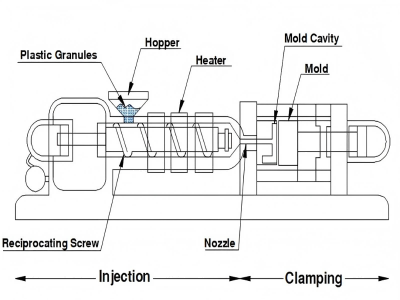
Function of feeding systems in injection molding
Feed Systems The structure and functions of a system made up of gates, runners and cooling systems when put together is called injection molding.
- Material Transfer and Dispensing
- Flow control and pressure management
- Cooling and demolding
- Material Flow and Thermal Management
- Automation and customization
Material Transfer and Dispensing
- The main purpose of feeding systems is to remove the plastic material from the nozzles of the injection molding machine. And place them into the cavities of the molds.
- This process is accomplished through the use of gates, runners. And split-runners that actively distribute the molten plastic into the several bun cavities of the mold.
- Some intricate mold designs may require that the feeding system have multiple gates and split runners. So that the plastic is uniformly and evenly distributed within the mold.
Flow control and pressure management
- The feeding system’s design will impact the flow and pressure distribution of the plastic.
- An efficient feed system can optimize the flow path for the plastic, decreasing filling time and enhancing quality.
- In some uniquely shaped plastic parts, the filling quality and defect rates can be improved greatly by optimizing feeding system parameters such as gate position and size.
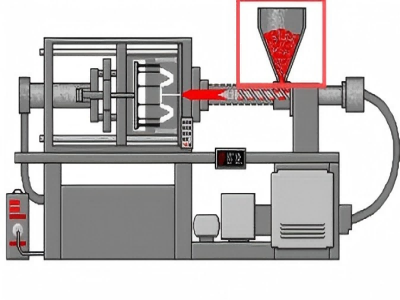
Cooling and demolding
- In the feeding system, there also exists the cooling process that ensures the plastic is completely cured inside of the mold.
- The plastic’s cooling rate is controlled by the embedded cooling channels, which helps avoid distortion and warpage.
- The feeding system also influences the cooling and demolding processes, e.g. By designing proper gates and cooling systems that minimize stress concentrations and defects during demolding.
Material Flow and Thermal Management
- The flow channel design of a feeding system has a great bearing on the flow and temperature distribution of the plastic.
- Effective runner design improves the plastic’s shear and thermal degradation, enhancing the performance of the final product.
- For example, in metal powder injection molding. Thermal management of the feed system is particularly important because the powder material needs to maintain flow at high temperatures.
Automation and customization
- Modern injection molding equipment is often equipped with automated feeding systems to increase productivity and reduce human intervention. In addition, feeding systems can be customized for specific product requirements to meet complex shapes or special surface effects.
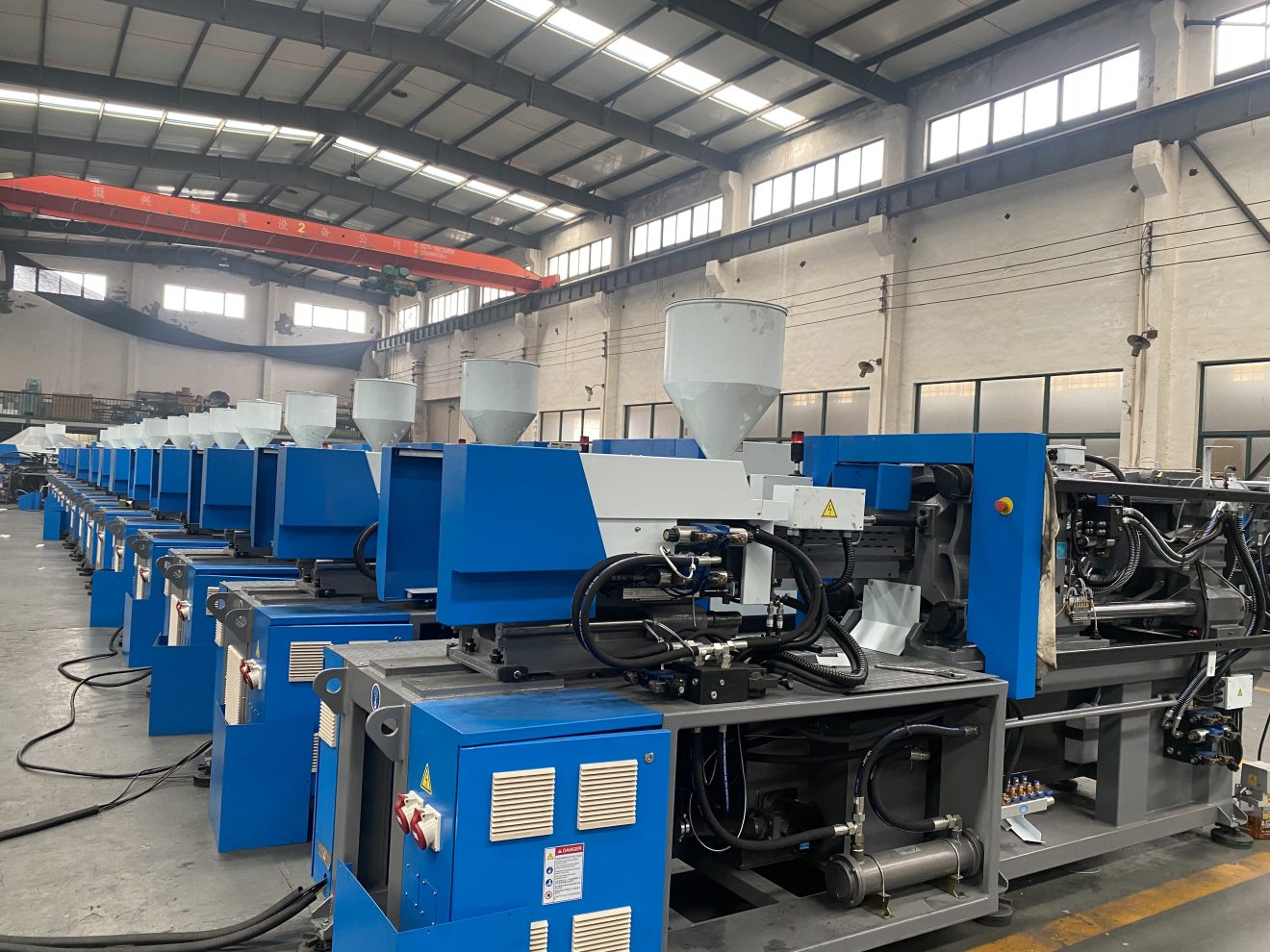
Haichen injection molding feeding systems
Haichen’s injection molding feeding systems are designe to deliver high-quality, efficient, and cost-effective production. With a focus on precision, energy efficiency, and comprehensive support. Haichen machines are a reliable choice for manufacturers looking to optimize their injection molding processes.
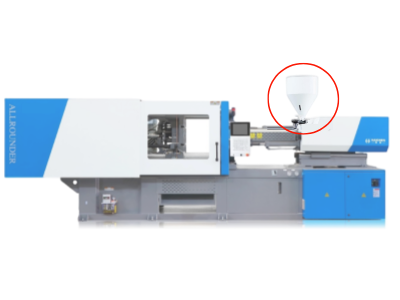
The feeding system ensures that molten plastic is delivered efficiently into the mold cavity. Therefore, if there is any demand, welcome to consult us.