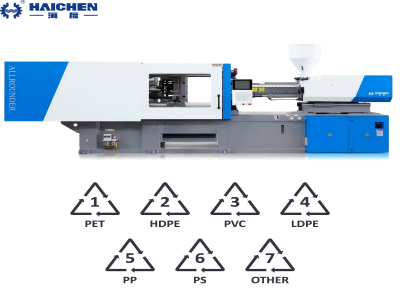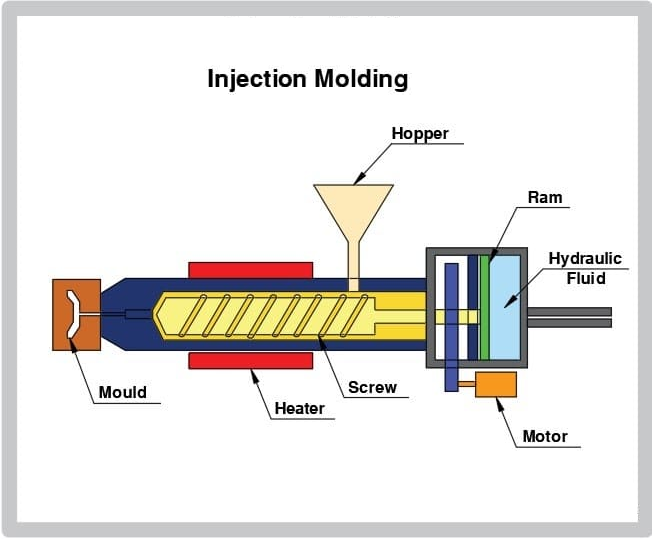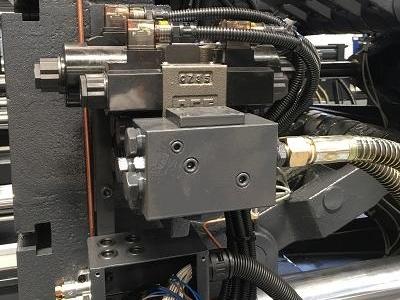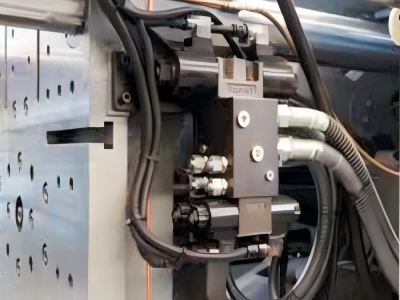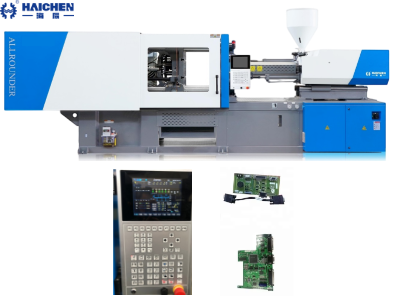
The functions of screw barrel in injection moulding machine is to perform the whole process of dissolving and cutting solid plastic particles and injecting them into the mould at high pressure.
They co-operate in temperature regulation, pressure control, speed control and these precise actions to complete the transformation process of plastic raw materials to a variety of products.
The functions of screw barrel in injection molding machine we are facing in industrial production:
- Plasticizing function
- Conveying function
- Injection function
- pressure maintaining function
- metering function
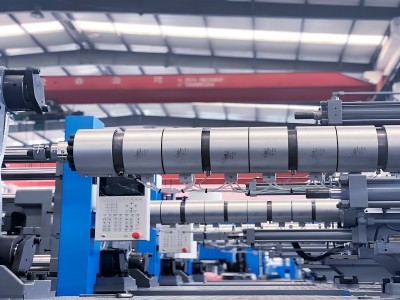
Plasticizing function
As the most importance the screw in the barrel melts and homogenizes the plastic material. such as:
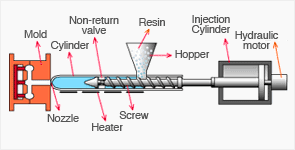
- Feeding: The plastic pellets or resin are fed into the barrel from the hopper.
- Melting: The screw rotates and advances the material while friction and heat from the barrel walls melt the plastic.
- Mixing: The rotating screw also helps mix the plastic material, ensuring uniform melt temperature and viscosity. This results in a homogeneous melt, which is critical for consistent molding quality.
Conveying function
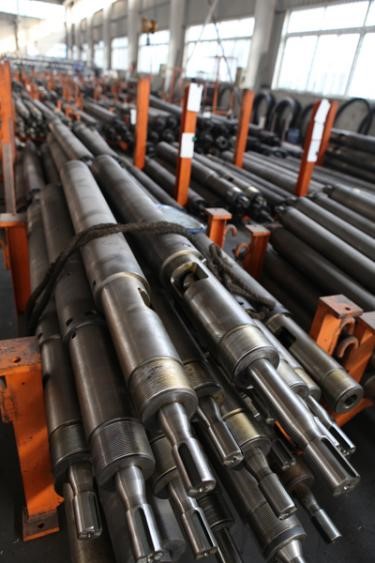
The screw in the barrel rotates to transport the plastic pellets from the feed end toward the die head, simultaneously compressing and agitating the plastic to homogenize the mix and generate the necessary heat to complete the melting process.
Injection Function
When enough molten plastic has accumulated at the front of the screw, the screw moves forward and injects the melt into the mold cavity. This process works similarly to a syringe and ensures that the plastic fills the mold quickly and evenly.
Pressure maintaining function
After the injection is completed, the screw stops rotating and remains stationary to maintain pressure on the melt in the mold and prevent shrinkage due to cooling, thus ensuring the quality of the product.
Metering function
The screw barrel provides precise control of the injection volume by controlling the amount of plastic delivered, ensuring a consistent amount of material is injected each time, which is critical to producing high-quality and dimensionally accurate products.
Injection Screw and Barrel: Comprehensive Guide
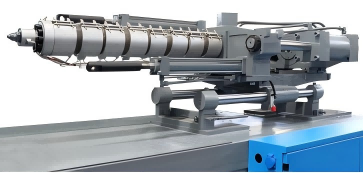
The injection screw and barrel are the heart of an injection molding machine’s plasticizing unit, responsible for melting, mixing, and delivering molten plastic into the mold. Their design and condition directly impact part quality, energy efficiency, and production consistency. Below is a detailed breakdown of their structure, types, maintenance, and applications:
Screw Structure and Function
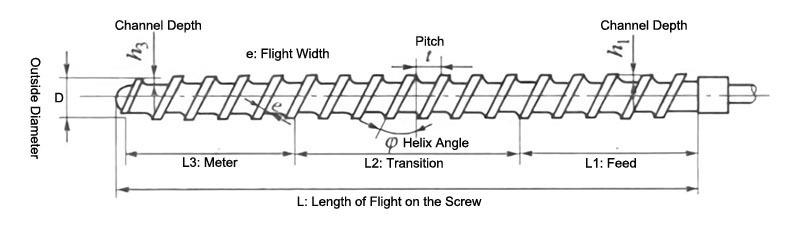
The injection molding screw is divided into three primary zones, each with a specific role:
ScrewFeed Zone:
Receives plastic pellets from the hopper.
Shallow flight depth to prevent bridging.
Conveys material forward via rotation.
Compression (Transition) Zone:
Gradual reduction in flight depth compresses pellets.
Generates shear heat to melt the plastic.
Metering Zone:
Consistent flight depth ensures uniform melt flow.
Delivers homogenized molten plastic to the nozzle.
Key Parameters:
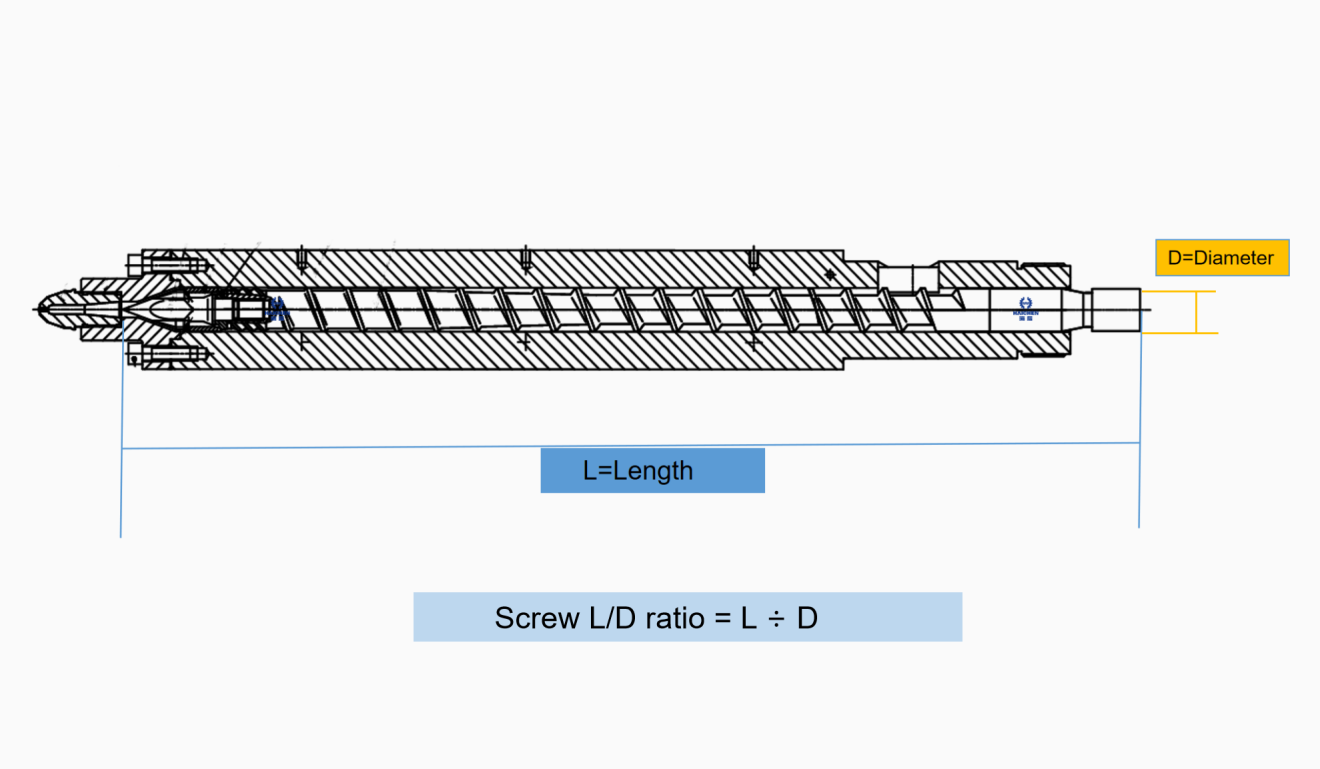
Length-to-Diameter Ratio (L/D):
Standard: 20:1 (e.g., 20D for general-purpose use).
Higher ratios (25:1) improve mixing for engineering plastics.
Compression Ratio:
Crystalline plastics (PP, PE): 3:1–4:1.
Amorphous plastics (ABS, PC): 2:1–2.5:1.
Injection molding Barrel Design
Construction:
Outer shell: High-strength steel.
Inner liner: Bimetallic (e.g., tungsten carbide) for wear resistance.
Electric heater bands divided into zones (3–5 zones) for precise temperature control.
Thermocouples monitor and regulate heat.
Cooling: Fans or water channels prevent overheating.
Types of Screws
| Type | Features | Applications |
|---|---|---|
| General-Purpose | Balanced L/D (20:1), moderate compression. | PP, ABS, PS. |
| Barrier Screw | Separates melted/unmelted plastic to prevent degradation. | PVC, TPU, heat-sensitive resins. |
| Vented (Two-Stage) | Devolatilizes moisture/gases via a vent port. | Nylon, PET, hygroscopic materials. |
| Mixing Screw | Specialized flights (e.g., Maddock, Dulmage) for enhanced mixing. | Colorants, fiber-filled composites. |
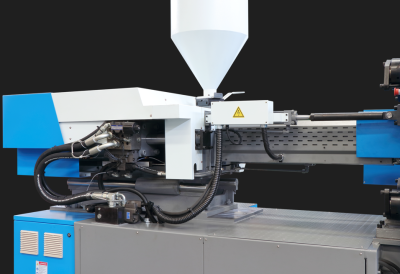
Maintenance Best Practices
Regular Inspection:
Check for screw wear (flattened flights) and barrel scoring.
Measure screw and barrel clearance (max tolerance: 0.1–0.3 mm).
Cleaning:
Purge with cleaning compounds (e.g., PurgX) after material changes.
Remove carbonized resin buildup.
Apply anti-seize compound during screw reinstallation.
Material Compatibility:
Use hardened screws/barrels for abrasive materials (glass-filled, minerals).
Common Issues & Solutions
| Issue | Cause | Solution |
|---|---|---|
| Screw Wear | Abrasive additives (glass fibers). | Replace with hardened steel screw. |
| Barrel Scoring | Metal contamination or misalignment. | Polish barrel; realign screw. |
| Material Degradation | Excessive shear heat or residence time. | Lower screw speed; optimize temps. |
| Poor Mixing | Incorrect screw design. | Switch to a mixing screw. |
Applications by Material
- PP/PE: General-purpose screws with moderate compression.
- PVC: Barrier screws to prevent overheating.
- Engineering Plastics (PC, PEEK): High L/D screws (25:1) for thorough melting.
- Recycled Materials: Mixing screws to homogenize inconsistent feedstock.
Example Specifications
| Parameter | PP | PC | Glass-Filled Nylon |
|---|---|---|---|
| Barrel Temp (°C) | 180–230 | 280–320 | 260–290 |
| Screw Speed (RPM) | 50–100 | 30–60 | 40–80 |
| Compression Ratio | 3:1 | 2:1 | 2.5:1 |
Key Takeaways
- Screw Design: Match to material type (e.g., barrier screws for PVC, vented screws for PET).
- Barrel Liner: Use bimetallic liners for abrasive materials to extend lifespan.
- Maintenance: Regular cleaning and inspection prevent costly downtime.
The injection screw and barrel are pivotal for efficient plasticizing. Proper selection and maintenance ensure:
- Consistent melt quality for defect-free parts.
- Extended equipment lifespan (up to 5–10 years with care).
- Energy savings through optimized processing.