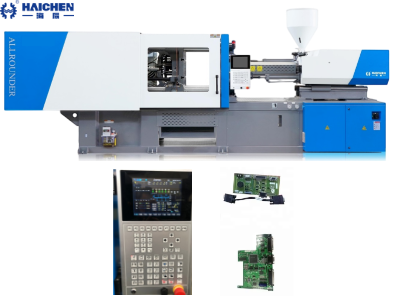
Injection molding machine screw barrel material, the most mainstream material is 38CrMoAlA. It is nitrided to improve the surface hardness (HV ≥ 900), with a nitrided layer depth of 0.5-0.8mm, and has high strength, wear resistance and corrosion resistance.
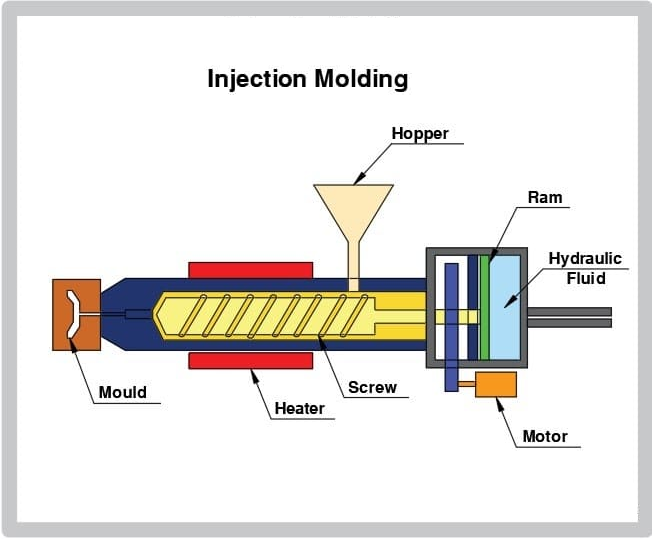
The screw barrel is the key component in injection molding machines. They playing a crucial role in the injection molding process. The main function of the screw barrel is to receive plastic raw materials conveyed from the hopper, and push them to the nozzle through the rotation of the screw, ultimately injecting them into the mold to form the desired product.
The material selection of injection molding machine screws and barrels should comprehensively consider their working environment, processing conditions, and economy.
Common screw barrel materials include alloy steel, stainless steel, bimetallic materials, nitriding treated steel, etc. Each material has its specific performance advantages and applicable scenarios. By rational material selection and surface treatment techniques, the production efficiency and product quality of injection molding machines can be significantly improved.
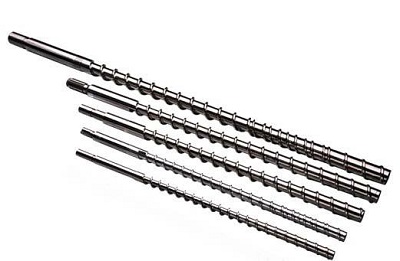
Screw barrel material
The material selection of screw and barrel needs to comprehensively consider its working environment, processing conditions and economy.
Commonly used materials include alloy steel, stainless steel and bimetallic materials, and their performance can be further improved through heat treatment and surface treatment technology.
Reasonable selection and maintenance of screw and barrel materials can significantly improve the production efficiency and product quality of the extruder.
Base Material (Mainly Alloy Steel)
Common Alloy Steels:
- 38CrMoAlA (or SACM645 in the JIS standard): 38CrMoAlA is the most common material, offering high strength, wear resistance, high temperature resistance, and excellent nitriding performance. After nitriding, the surface hardness can reach HV900-1050, and the nitrided layer depth is 0.5-0.9mm. It is suitable for processing general-purpose plastics such as PP, PE, PVC, and ABS.
- 42CrMo (corresponding to AISI 4140): 42CrMo is a highly tough material commonly used for screws that withstand high loads.
- 40Cr/45# steel: 40Cr/45# steel is often used as the base material (inner layer) of bimetallic screws, with a wear-resistant layer formed through a centrifugal casting process.
Other Alloy Steels
- SKD61/SKD11 (Hot Work Die Steel): High heat and wear resistance, suitable for high-temperature engineering plastics (such as PC and PA).
- 4Cr5MoSiV1 (JIS SKD-61) and GH113: Used in extreme working conditions, such as high temperatures or corrosive environments.
Special Treatments and Composite Materials
Surface Strengthening Processes
- Nitriding: Almost all alloy steel screws require nitriding to improve surface hardness and wear resistance (HV ≥ 900), while also controlling the brittleness level to ≤ Class II.
- Tungsten Carbide Spraying: Applied to the screw surface, this significantly improves wear resistance and is particularly suitable for machining glass fiber reinforced plastics or highly abrasive materials (such as PA and PBT).
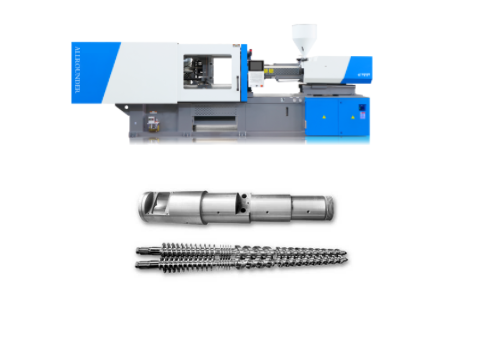
The material of screw barrels for injection molding machines is typically that are high-strength, wear-resistant, and corrosion-resistant.
Below is each different material details:
Injection molding machine screw material
Screws usually made of alloy steel, such as 38CrMoAlA, 40Cr, 42CrMo, and other stainless steel materials.
These material of screws for injection molding machines have good wear resistance and corrosion resistance. The materials can withstand long-term high temperatures and high-pressure environments. Such as the MIM screw, which needs to improve its surface hardness and wear resistance.
Bimetallic screws use 45# or 40Cr substrates. They produce by a centrifugal casting process, which is suitable for processing ordinary plastic materials.
Alloy Steel (Nitrided)
- 38CrMoAlA (or JIS SACM645): The most commonly used screw and barrel material, particularly suitable for general-purpose plastics (such as PP, PE, PVC, and ABS).
- Nitriding treatment: Surface hardness reaches HV ≥ 900 (or HV 850-1000), with a nitrided layer depth of 0.5-0.8mm, significantly improving wear resistance.
High strength and toughness make it suitable for abrasive materials such as glass fiber reinforced plastics.
Special Materials Bimetallic Materials
The barrel inner layer is centrifugally cast from tungsten carbide alloy (such as the EJS series alloys), offering excellent wear resistance (EJS04 alloy is rated “Excellent”) and corrosion resistance, extending service life.
The screw surface can be sprayed with tungsten carbide to enhance wear resistance (e.g., for processing corrosive plastics or highly filled materials).
Stainless Steel and Tool Steel
- Special Stainless Steel: Hardened (HRC 55-58), specifically designed for transparent plastics (such as PC, PMMA) or highly corrosive plastics (such as PVC and halogen-containing materials), preventing material contamination and extending service life.
- Tool Steel (such as SKD11/SKD61): High heat and wear resistance, suitable for high-temperature engineering plastics (such as PA and PET).
Other Alloy Steels
42CrMo: High strength and fatigue resistance, partially replacing 38CrMoAlA.
Chromium-molybdenum Alloy Steel: A basic material, properties optimized through heat treatment.
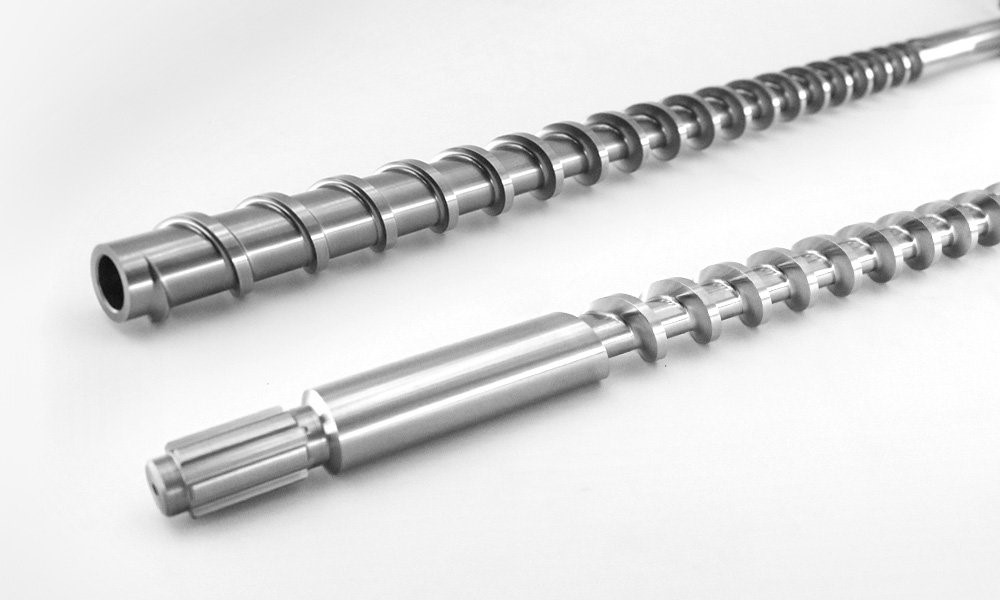
Barrel material
The barrel is generally made of alloy steel with high heat resistance and compressive strength. This material of the barrel can ensure stability and durability under high temperatures and high pressure.Such as MIM special barrels, where the barrel base is 40 chrome steel, and 35% tungsten carbide is added to improve wear resistance.
Bimetallic barrels also commonly use in injection molding machines, such as H alloy, to reduce wear and extend service life.
Most common use alloy steel
The most commonly used alloy steel is 38CrMoAlA.
- Treatment: Surface nitriding (nitriding) achieves a hardness of HV ≥ 900, with a nitriding layer depth of 0.5-0.8mm, significantly improving wear and fatigue resistance.
- Applications: Injection molding of general-purpose plastics (such as PP, PE, ABS, etc.), especially suitable for conventional materials without glass fiber reinforcement.
Other Alloy Steels
42CrMo (AISI 4140), 4Cr5MoSiV1 (SKD-61), and Cr12MoV (SKD11) offer high strength and toughness, suitable for high-load conditions.
Bimetallic Composites
Through centrifugal casting or vacuum sintering, a high-performance alloy layer is lined within a base material, achieving both wear and corrosion resistance:
- Iron-based alloy (Fe+Ni+Cr+B): Hardness HRC 58-64, temperature resistance ≤400°C, and excellent wear resistance.
- Nickel-based alloy (Ni+Cr+Co+B): Hardness HRC 50-58, outstanding corrosion resistance, temperature resistance ≤450°C.
- Tungsten carbide alloy (Ni+Cr+Wc+Co+B): Hardness HRC 58-67, excellent wear resistance , temperature resistance ≤600°C, suitable for high glass fiber content (50%), carbon fiber, or mineral-filled plastics.
Materials for Special Applications
- Stainless Steel: Special stainless steel with a quenching treatment (hardness HRC 55-58) is suitable for transparent plastics (such as PC and PMMA) or highly corrosive plastics (such as PVC and halogen materials).
- High-temperature alloys:Extremely resistant to oxidation and corrosion, requiring no additional coatings. Suitable for extreme temperatures or specialized plastics (such as engineering plastics PPS and PEEK).
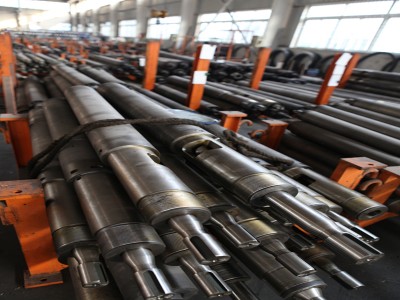
Therefore, injection molding machine screw barrel material is diverse, and the type of plastic used. Commonly used materials include high-strength alloy steel, stainless steel, and special alloy materials, all of which meet the needs of different working conditions.
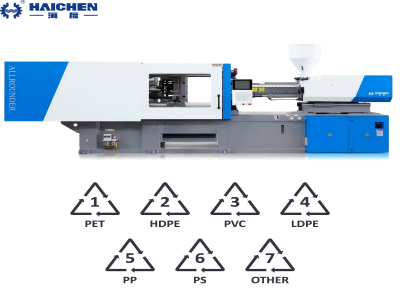
Haichen plastic injection molding machine
Haichen is one Chinese injection molding machine manufacturer. We will select suitable material for screw barrels for the injection molding machines according to our client’s specific demand.
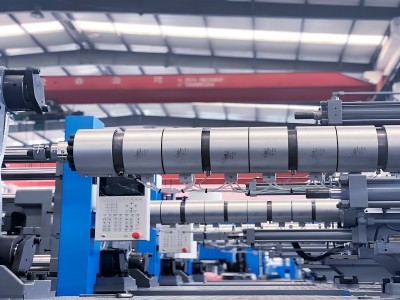
Our servo energy saving injection molding machines quality under CE safety standards certificated.
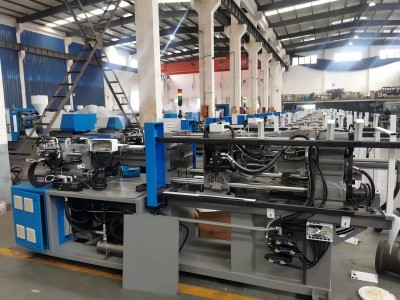
Our company is located in Ningbo, very convenient transportation location.We have a number of R&D personnel and cooperate with a group of high-tech enterprises.
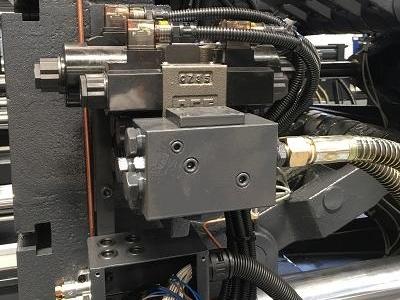
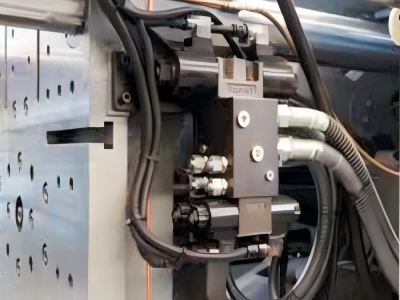
It mainly produces high precision injection molding machines with the clamping force rang from 110ton to 1850ton.The produces have high rigidity structure and equipped imported hydraulic & electrical elements.used bi-metal screw with mixing head in order to have excellent plasticizing performance and be suitable for various engineering plastic injection molding and the users’special order are available.
We also supply injection molding machine spare parts like nozzle, screw barrel, valves, clamping and so on.
Welcome contact us for any your plastic injection molding you need.