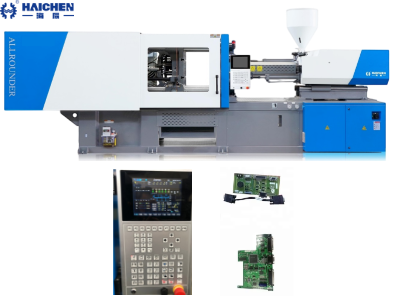
Injection molding work process involves:
- Material preparation and heating
- Injection stage
- Holding Pressure and Cooling
- Mold Opening and Removal of Finished Product
- Cycle Start
Injection molding is a widely used manufacturing process for producing parts from both thermoplastic and thermosetting plastic materials.
Injection molding is highly efficient for mass – production because it can produce a large number of identical parts quickly and with high precision.
It is used in a wide range of industries, including automotive (for parts like dashboard components), consumer electronics (for plastic casings of devices), and packaging (for containers and bottles).
Here’s a detailed explanation of how it works:
How Does Injection Molding Work
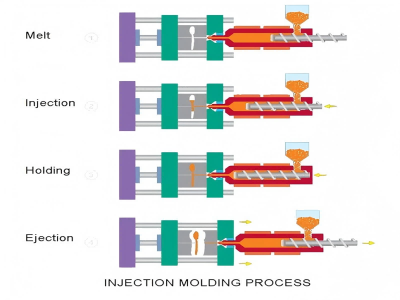
Injection molding is a manufacturing process used to produce parts by injecting molten material into a mould.
It is widely used in the production of plastic parts.
Material preparation and heating:
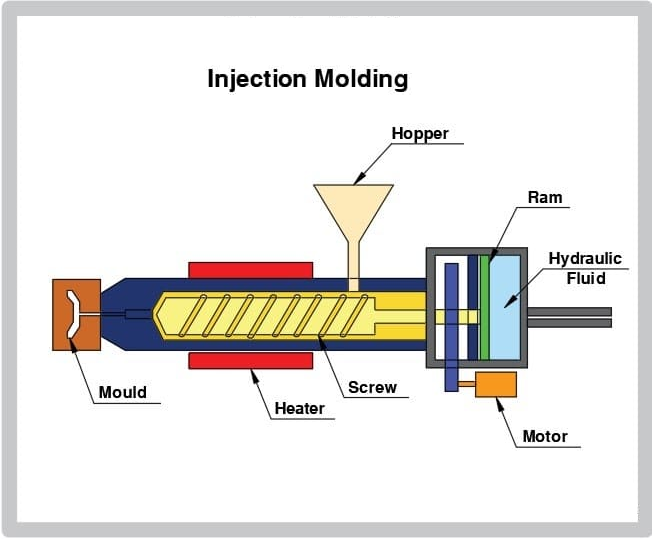
- First, the plastic granules enter the heated barrel through a hopper.
- In the barrel, a spiral screw heats and melts the plastic granules into a liquid state by means of friction and the action of heating elements.
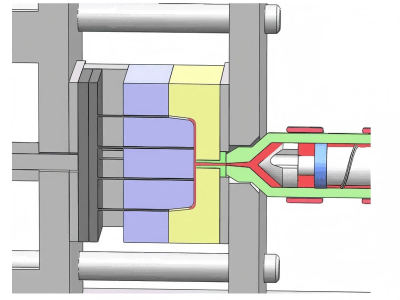
Injection stage of injection molding work process:
- The molten plastic is injected into the mold cavity through a nozzle. This process is accomplished by the screw acting as a piston to push the plastic into the mold cavity.
- The pressure during the injection phase ensures that the plastic completely fills the mold cavity. And it compensates for shrinkage due to cooling.
Holding Pressure and Cooling:
- After the plastic has been filled, the mold is held at a certain pressure to prevent the plastic from shrinking and to allow the plastic to cool and cure further.
- The cooling time depends on the type of plastic and the design of the mold.
Mold Opening and Removal of Finished Product:
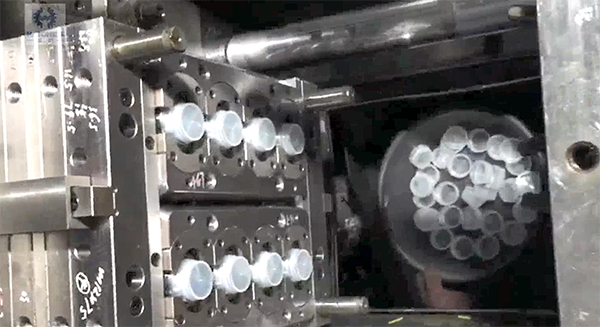
- When the plastic is fully cured, the mold opens and the finished product is removed from the mold by means of a thimble or manually.
Cycle Start of Injection molding work process:
- After completing the entire process, the machine recloses the mold and begins the next production cycle.
What is plastic injection molding?
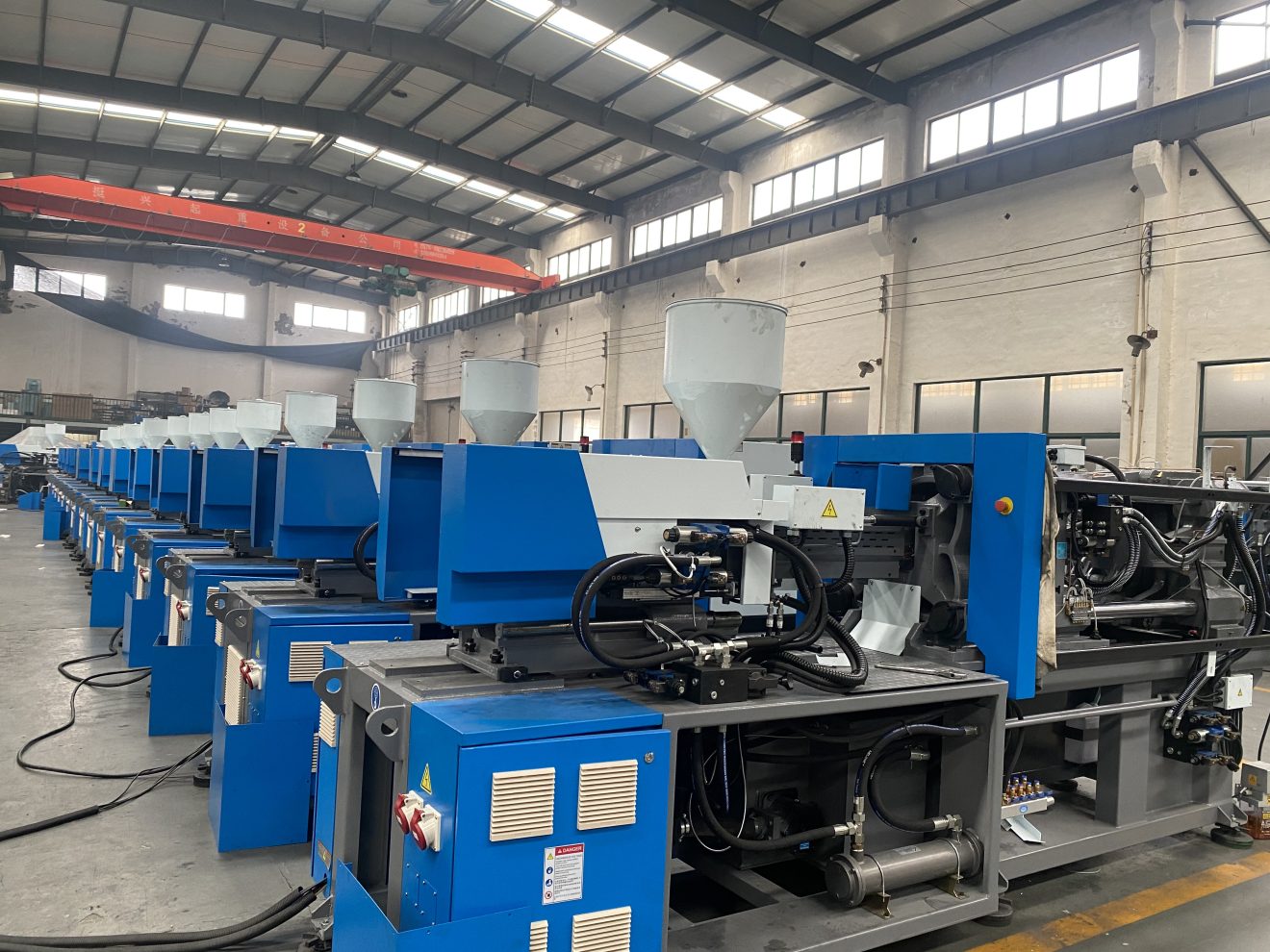
Plastic injection molding is a widely used industrial production technique for manufacturing plastic parts.
At its core, it produces plastic parts with complex shapes and high precision by injecting molten plastic into a mold cavity, which is cooled and then cured to shape.
The process is important in a number of industries, including automotive, electronics, medical, and consumer goods.
Application of Injection molding
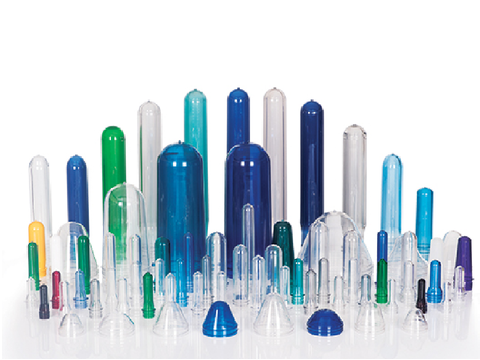
- Automotive
- Consumer Electronics
- Medical Devices
- Packaging Industry
- Home Appliances
Injection molding is one of the highly effective manufacturing processes for producing plastic parts.
Hence it is used in various consumer, industrial, automotive, manufacturing and food processing industries.
Automotive
Injection molding plays an important role in automotive manufacturing for a variety of interior and exterior components such as instrument panels, door panels, hoods, bumpers and lights.
These components often require high precision and consistency to ensure vehicle performance and safety.
Consumer Electronics
In the field of consumer electronics, injection molding is widely used for the production of cell phone cases, tablet cases, laptop cases, and game console accessories.
Medical Devices
Injection molding is used in a wide range of applications in the medical industry, including the manufacture of disposable medical devices, syringes, test tubes, catheters and more.
These products often require strict hygiene standards and high precision to ensure safety and reliability.
Packaging Industry
The packaging industry utilizes injection molding to produce plastic bottles, caps, containers and boxes.
These products need to have good sealing properties and durability, while also meeting environmental and cost-effective requirements.
Home Appliances
In the field of household appliances, injection molding can produce kitchen utensils, appliance housings, and more.
These products often require high strength and heat resistance for everyday use in the environment.
Iniection molding machine working(how injection molding works)
- Material Feeding
- Melting and Plasticization
- Injection
- Cooling and Solidification
- Mold Opening and Ejection
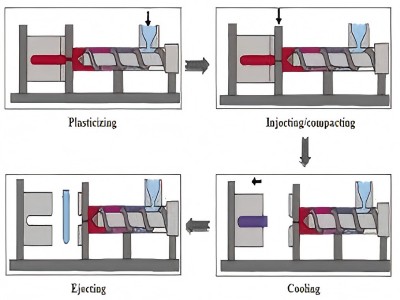
The working principle and operation of an injection molding machine involve several key steps and components.
Here’s a comprehensive overview based on the latest information:
Working Principle of Injection Molding Machine
Injection molding machines operate on a principle similar to that of a syringe. The process involves the following steps:
Material Feeding: Granular or powdered plastic is fed into the barrel.
Melting and Plasticization: The rotation of the screw and the heating of the barrel’s outer wall melt the plastic.
Injection: The machine closes the mold, and the injection seat moves forward to bring the nozzle close to the mold gate.
The injection cylinder introduces high-pressure oil, which pushes the screw forward and injects the molten plastic into the closed mold cavity at high pressure and speed.
Cooling and Solidification: After the injection, the mold remains closed to allow the plastic to cool and solidify.
The cooling time is crucial to ensure the product’s dimensional accuracy and quality.
Mold Opening and Ejection: After solidifying the product, the mold opens, and the finished part ejected.
Haichen injection molding machine supplier

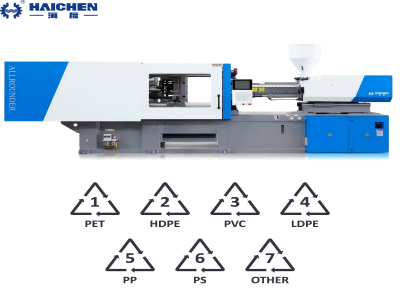
Haichen is a manufacturer of high-precision plastic injection molding machines.
We offer a wide range of injection molding machines with clamping forces ranging from 90T to 3000T.
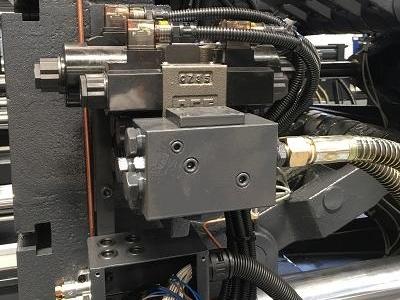
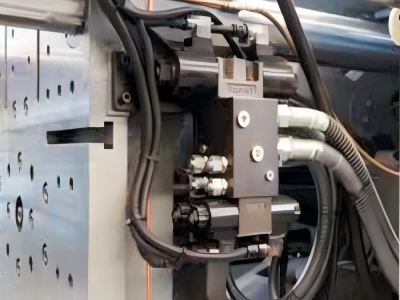
Our machines feature a high rigidity structure and incorporate imported hydraulic and electrical elements.
Key Features of Haichen Injection Molding Machines
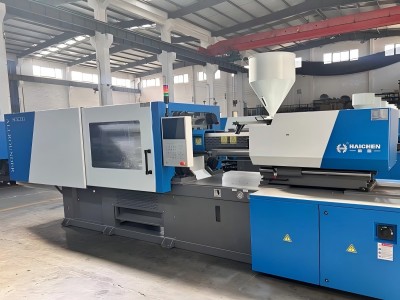
High Precision: Haichen machines are designed for high precision and reliability, ensuring consistent part quality
Advanced Technology: The machines incorporate advanced technologies such as servo motors for energy efficiency and precise control.
Quality Assurance: Haichen has obtained certifications such as CE, ROHS, ETL, 3C, BV, and ISO9001-2008, ensuring that their machines meet international standards.
One-Stop Services: Haichen provides comprehensive services including case video sharing, product mold design, production line scheme design, and auxiliary equipment selection.
They also offer complete production line debugging, production, and training.
The advantages of injection molding are its ability to produce products with complex geometries and details, and its suitability for mass production because of the relatively low cost of production.
If there is any demand, welcome to consult us.