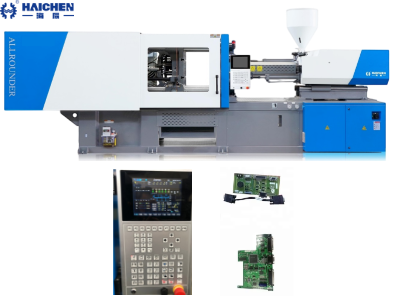
Injection molding benefits and challenges include high production efficiency, difficulty in optimizing process parameters, etc.
Injection molding has become the preferred manufacturing method for many industries due to its high efficiency, high precision and design flexibility. But its high initial cost and environmental impact also need to be taken seriously. When choosing injection molding, manufacturers should consider its advantages and challenges and adopt corresponding strategies to optimize the production process and reduce costs.
Injection molding is an efficient, flexible and cost-effective manufacturing technology, especially suitable for large-scale production. However, its high initial investment, mold design complexity, and material and process limitations remain challenges that need to be overcome. Future development directions include optimizing mold design, improving material compatibility, reducing energy consumption, and further improving automation and intelligence to meet these challenges and expand its application scope.
The manufacturing process that injects molten material into a mold cavity and forms parts of the desired shape after cooling. This process is widely used in the processing of a variety of materials such as plastics, metals, glass and composite materials, and is one of the most important production methods in modern manufacturing. It is a widely use manufacturing technology for plastic processing. It has many advantages and challenges.
What is injection molding?
Injection Molding is a manufacturing process that injects molten material into a mold cavity and forms parts of the desired shape after cooling. This process is widely used in the processing of a variety of materials such as plastics, metals, glass and composite materials, and is one of the most important production methods in modern manufacturing.
Basic Process Flow
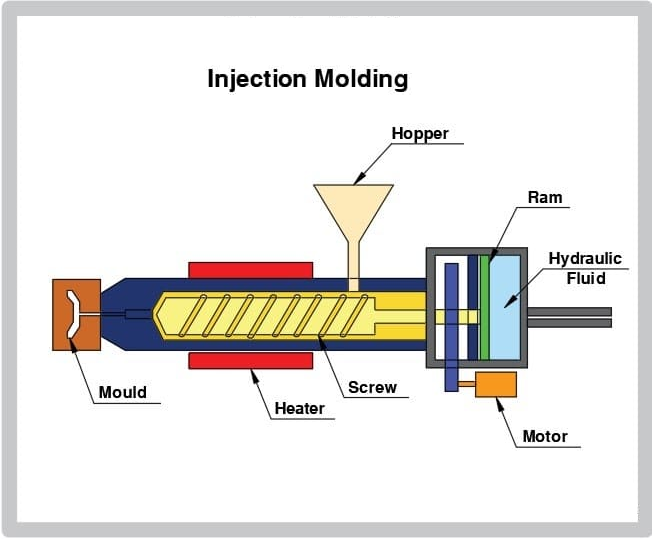
- Material Heating and Mixing: Raw materials (usually granules or powders) are fed into a heated barrel, where the rotation of the screw (or plunger) mixes and melts them into a fluid state.
- High-Pressure Injection: Molten material is injected under high pressure through a nozzle into a closed mold cavity, filling the cavity’s geometry.
- Cooling and Solidification: The material cools and hardens within the mold, forming the mold’s contours.
- Demolding and Repeat: The molded part is ejected, and the mold closes for the next production cycle.
Applicable Materials
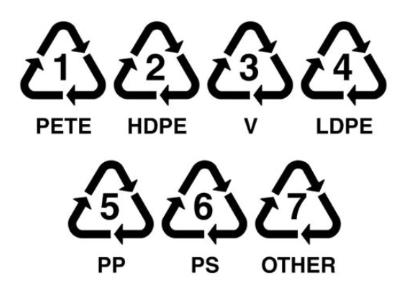
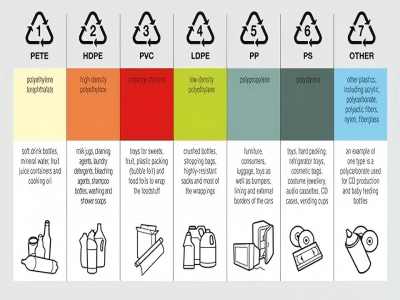
Main materials: The most common are thermoplastics (such as polyethylene and polypropylene) and thermosetting polymers.
Technical Features
- Efficiency and Scalability: Suitable for high-volume production, with extremely low unit costs and cycle times as fast as a few seconds.
- High Precision and Complexity: Capable of producing complex geometries ranging in size from tiny parts (such as electronic components) to large components (such as automotive panels).
- Process Marks: Parts may exhibit parting lines, gate marks, and ejector pin marks.
- Limitations: High initial mold costs and long design-to-production cycles (typically ≥4 weeks).
Applications
- Daily necessities: bottle caps, keyboards, toothbrushes, toys, etc.
- Industrial components: automotive parts, electronic housings, medical devices

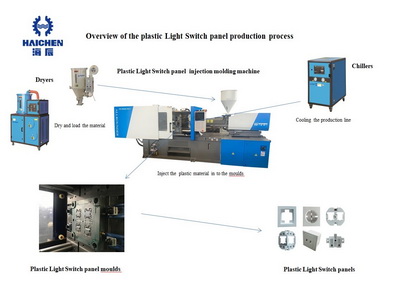
Injection molding advantages
Injection Molding is a manufacturing technology widely used in industrial production, which has many advantages. Making it ideal for many industries and applications.
- High production efficiency
- High quality surface and consistency
- Manufacturing ability of complex geometries
- Cost-effectiveness
High production efficiency
Injection molding is a cyclic production process. That can produce a large number of products at a very high speed. And it is suitable for large-scale production. This makes it very useful in situations where a large number of identical products need to produce quickly.
High quality surface and consistency
Products with high quality surface and consistency can produce by precisely controlling process parameters. Such as melt temperature, mold temperature, holding time and holding pressure.In addition, the use of advanced computer simulation technology (CAE) can further optimize the design and improve product quality.
Manufacturing ability of complex geometries
Injection molding can produce products with complex geometries. That is very important for many industries (such as automobiles, medical devices, etc.). For example, micro injection molding technology can produce very small structures, such as grooves with a width of only 18 microns.
Cost-effectiveness
Although the mold design and manufacturing costs are high. Once the mold is completed, the production cost of each product is relatively low. It makes it highly economical in large-scale production.
Material adaptability: Most thermoplastics and thermosets can process by injection molding, which makes it a very flexible manufacturing method.
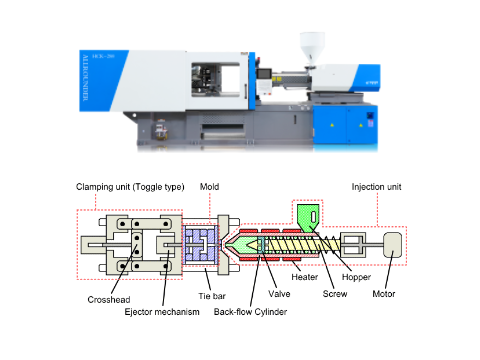
Types of Injection Molding Technology
Disadvantages of injection molding
Although injection molding has significant advantages in large-scale production, its high initial investment, complex preliminary preparation, design and material limitations, and high energy consumption make it not the best choice in certain specific scenarios.
- High mold costs
- Limited material selection
- Post-processing requirements
- High initial investment cost
High mold costs
Injection molds are expensive to manufacture, especially for molds with complex shapes or high precision requirements, which can cost tens of thousands of dollars or more. This high cost limits the economic viability of small-batch production or prototyping.
Limited material selection
Injection molding has limited material selection, especially for applications that require special properties or high mechanical strength, which may not meet the needs. For example, some materials are prone to defects during the injection molding process, such as warping, bubbles, etc.
Post-processing requirements
Many injection molded products require additional processing or treatment after molding, such as deburring, grinding, sealing, etc., to meet the final use requirements. This increases production costs and time.
High initial investment cost
Injection molds are expensive to design and manufacture, often costing tens of thousands of dollars or more, which makes injection molding less economical for small batch production. In addition, injection molding machines are also expensive to purchase and maintain.
Although injection molding has significant advantages in large-scale production, its high initial investment, mold design complexity, material limitations, defects in the production process, and energy consumption issues limit its use in certain specific applications. Therefore, when choosing injection molding as a production method, its advantages and disadvantages need to be considered comprehensively.
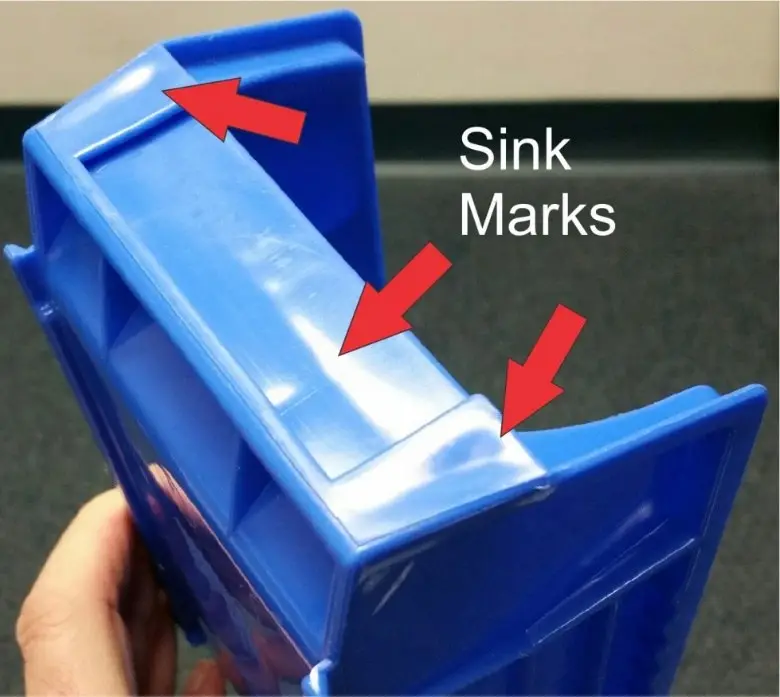
Injection molding challenges
Difficulty in optimizing process parameters
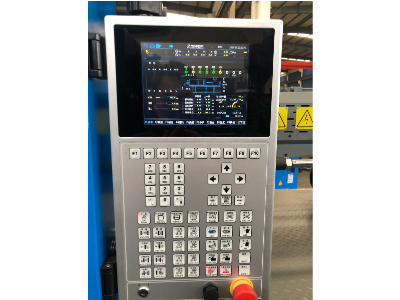
Injection molding involves multiple complex process parameters, such as melt temperature, mold temperature, holding time and holding pressure. These parameters need to precisely adjust to obtain the best product quality. However, due to differences in resin and machine reactions and changes in operating conditions, computer simulations may not fully accurately predict actual results.
Economic issues for low-volume production
For small-volume production, the return on investment for mold tools may be low because mold costs are high and difficult to recover. In addition, low-volume production may result in higher unit product costs.
Defect risk
There are many defects that may occur during the injection molding process, such as warping, shrinkage, bubbles, sink marks, fractures and burn marks. These defects may cause by inappropriate process parameters or mold design. Although the occurrence of these problems can be reduced by adjusting the process parameters, it still requires a lot of experiments and experience accumulation.
Complex mold design
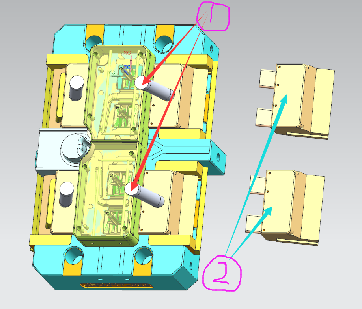
The design and manufacture of molds is a complex and time-consuming process, especially for products that require high precision and complex geometries. In addition, the maintenance and upkeep of the molds also require high costs and time investment.
Above all, injection molding technology plays an important role in modern manufacturing. Its high efficiency and high quality make it the preferred manufacturing method in many industries. However, in order to overcome its economic problems in low-volume production and the complexity of process parameter optimization, it is necessary to combine advanced computer-aided technology and continuous process improvement.
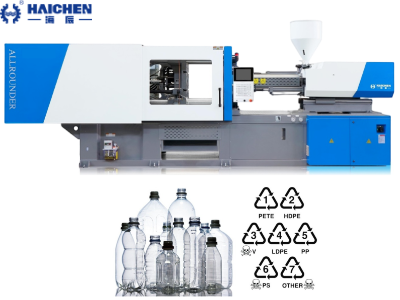
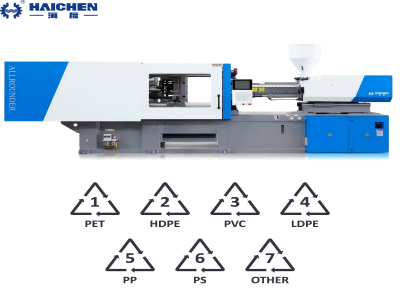
Haichen injection molding machine
Haichen is one Chinese injection molding machine manufacturer in Ningbo. In addition, Haichen has more than ten years of rich experience in the production of plastic injection molding machines. All our servo energy saving injection molding machines quality are under CE safety standars certificate.
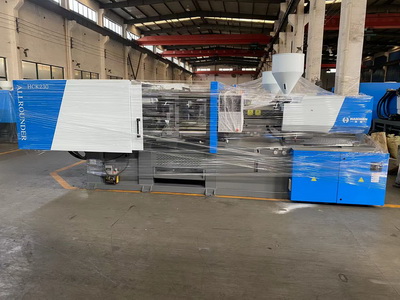
We have different types of plastic injection molding machine for selection. Moreover, we will supply suitable and complete plastic products line as per client’s specific demand.
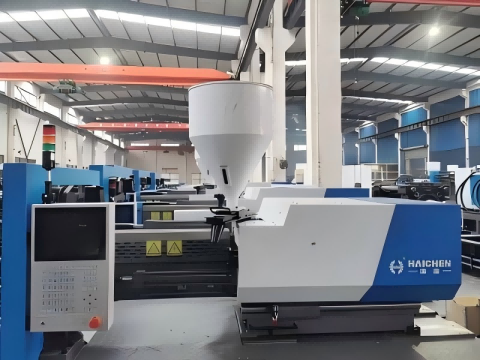
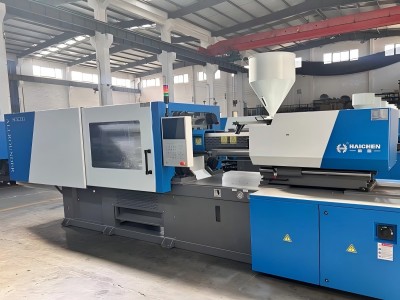
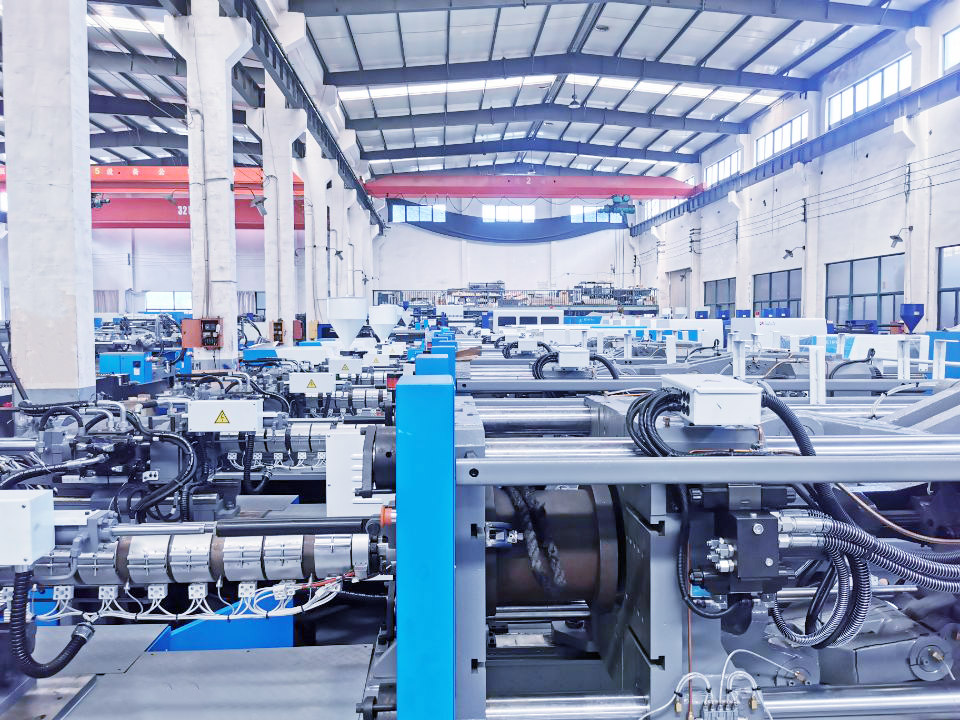
Consider the above. You can choose a suitable plastic injection molding machine and mold to ensure product’s quality and production efficiency.
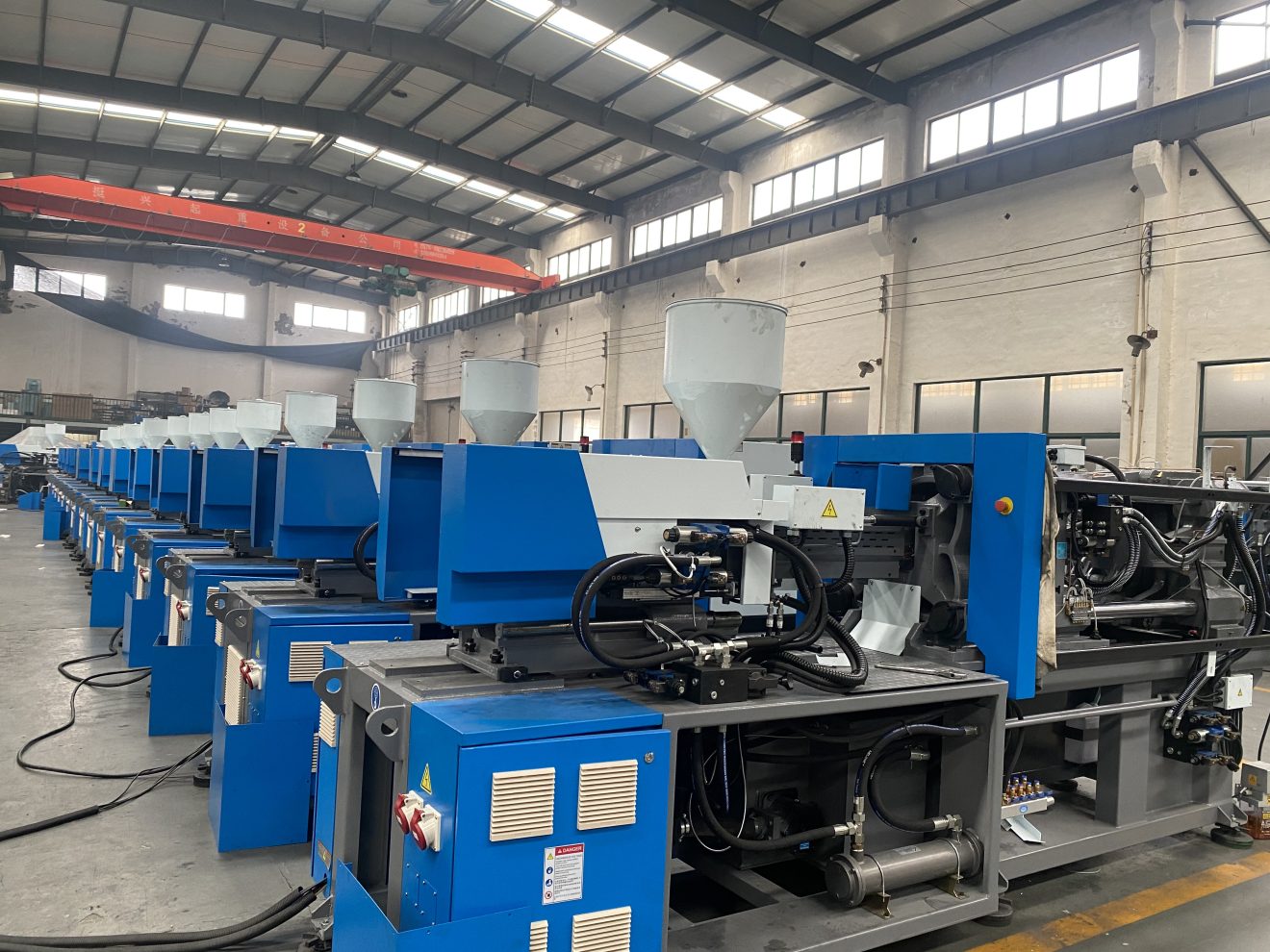
Welcome contact us for details.