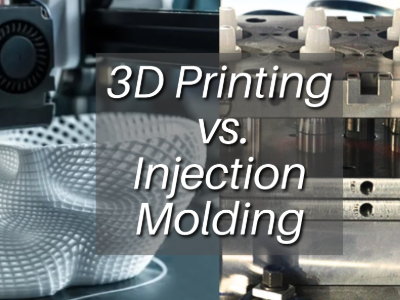
Choosing between injection molding and 3D printing requires:
- Injection molding features
- 3D printing features
- Machine
- Material
- Applicable scenarios
The performance of 3D printing and injection molding in CFRP applications each has its own advantages and disadvantages.
3D printing has advantages in flexibility, small-batch production, complex geometry shapes and rapid prototype development.
Injection molding, on the other hand, performs better in large-scale production, surface quality and mechanical properties.
The choice of which technology to use depends on specific application requirements, production scale and cost budget.
Injection molding features
Injection molding is a manufacturing process in which plastic particles are heated to a molten state.
Injected into the mold cavity at high pressure, and cooled and cured to form the desired shape.
- Basic principle
- Features
- Equipment composition
- Fields of application
Basic principle
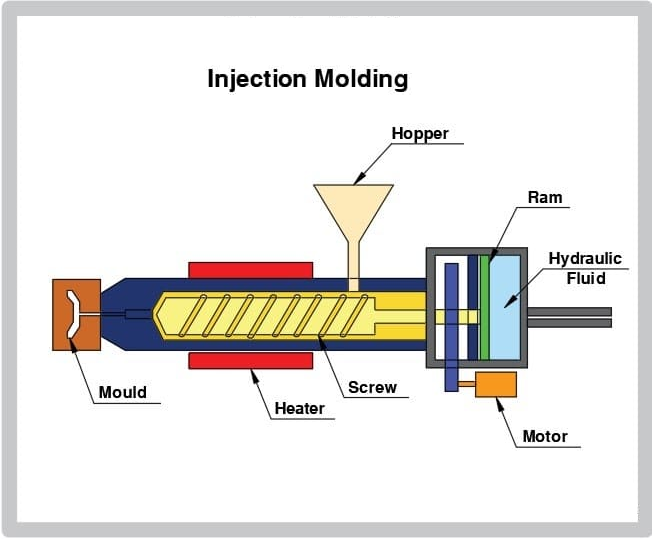
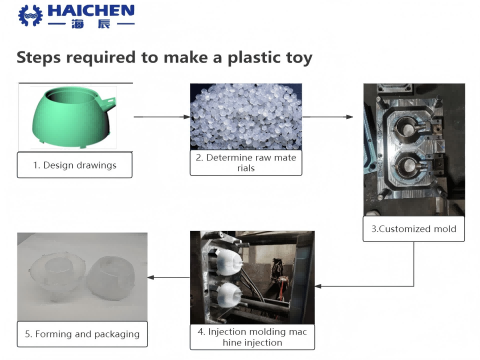
Heating and melting:First, the plastic particles are heated to a molten state by a heater in the hopper of the injection molding machine to form a viscous flow solution.
Injection filling:Secondly, the molten plastic is injected from the nozzle into the mold cavity by a high-pressure push by a screw or plunger.
Cooling and curing:Again, the plastic is cooled and cured in the mold to form a product of the desired shape.
Mold opening and removal:Finally, after the cooling is completed, the mold is opened and the molded parts are taken out.
Features
High production efficiency:Injection molding can produce parts with complex shapes quickly and in large quantities, which is suitable for mass production.
High precision and consistency:By precisely controlling temperature, pressure, and time, injection molding is able to produce products with high precision and consistency.
Wide range of materials:Almost all thermoplastics and some thermosets can be used for injection molding.
Cost-effective:Injection molding has low labor costs and scrap losses, making it suitable for large-scale production.
Flexibility:The mold design is complex, and it can produce products of various shapes and sizes, and it is highly adaptable.
Equipment composition
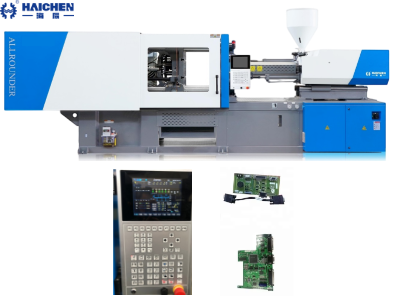
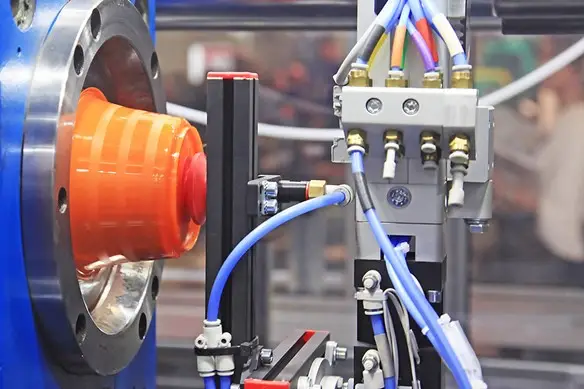
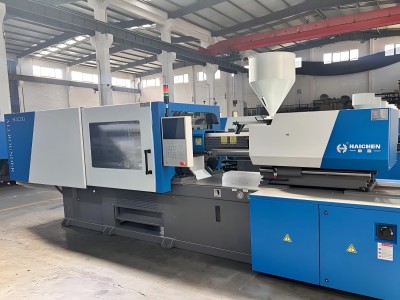
Injection molding machine:It consists of an injection unit, a mold clamping unit, and a transmission mechanism, which handle heating, injection, and cooling.
Mold:Including moving mold and fixed mold, responsible for molding the shape of the product.
Auxiliary equipment:Such as dryers, mixers, etc., for processing plastic raw materials.
Preparation stage:Including raw material inspection, drying, preheating and release agent selection.
Injection stage:After the plastic particles are heated and melted in the barrel, they are injected into the mold cavity through a screw or plunger.
Holding Phase:Maintain high pressure to ensure that the plastic fills the mold cavity.
Cooling stage:The plastic is cooled and solidified in the mold.
Ejection stage:The mold is opened, and the ejection mechanism pushes out the molded part.
Post-processing stage:Including deburring, trimming and other steps.
Fields of application
Injection molding widely serves automobiles, electronics, home appliances, medical equipment, consumer goods, and other fields.
And is suitable for the production of plastic parts with various complex shapes.
3D printing Features
- 3D printing process
- Features of 3D printing
3D printing process
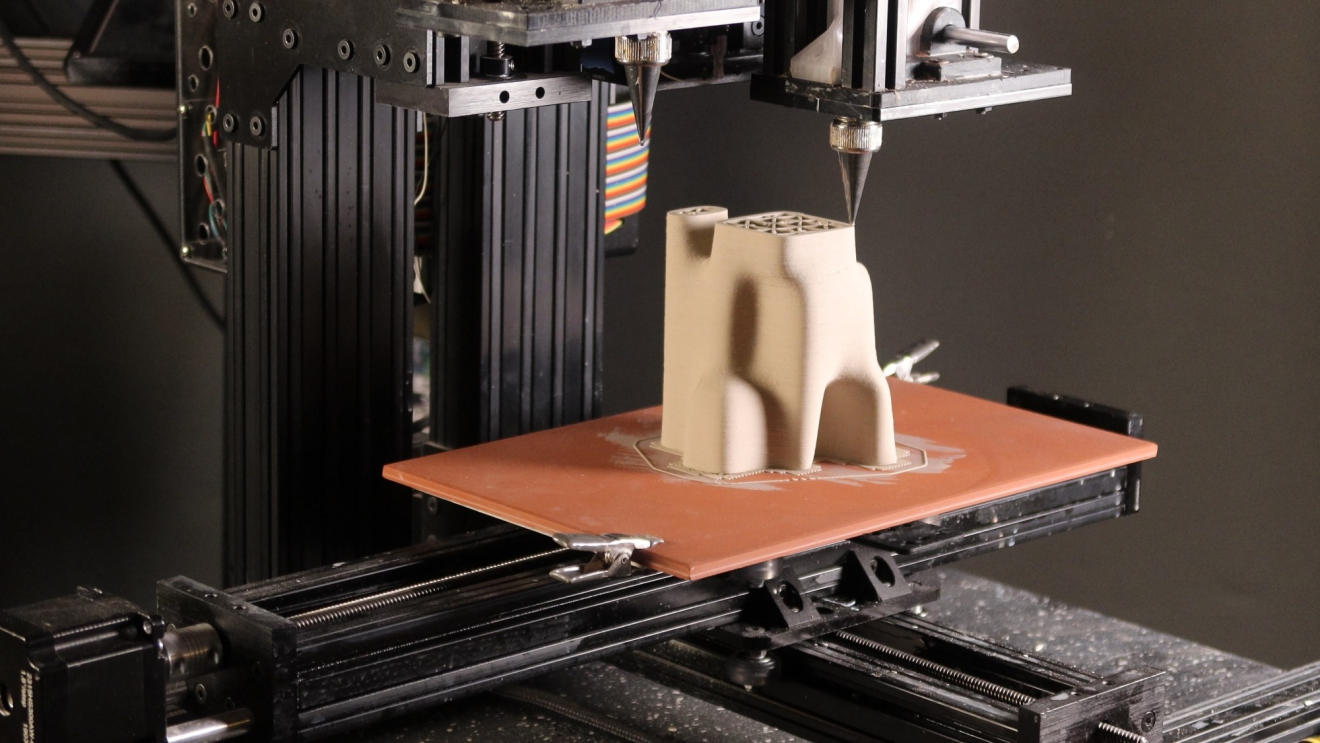
Also known as additive manufacturing, is a technology that builds three-dimensional objects by superimposing materials layer by layer.
Design modeling:First, use computer-aided design (CAD) software to create or acquire a 3D digital model, which is the basic file for 3D printing.
Slice processing:Second, the 3D model is split into a series of 2D flat layers.
Which will guide the printer to print layer by layer.
Printing process:Then, according to the data after slicing, the printer adds materials layer by layer.
Such as plastics, metals, ceramics, etc., to form solid objects by heating, melting, or solidifying.
Post-processing:Finally, after the printing is complete, some post-processing steps may be required.
Such as removing the support structure, sanding the surface, etc.
Features of 3D printing
3D printing technology widely serves mechanical automation, parts repair, biomedicine, aerospace, automobile manufacturing, and other fields.
Which greatly improves production efficiency and product quality.
High degree of design freedom:Traditional manufacturing methods struggle to achieve the easy production of complex shapes and structures.
High material utilization:No need to cut or remove excess material, reducing waste.
Short production cycle: Designing and producing a product is greatly accelerated, making it ideal for rapid prototyping.
Personalized customization: Products are tailored to user needs, ensuring diverse requirements are met.
Repeatability and consistency: Precise printing parameters ensure consistent and high-quality output.
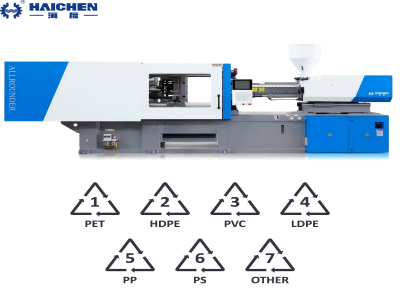
Injection molding and 3D printing machine
- Tooling Fees
- Mould Fees
Tooling Fees
Molds are the most expensive part of injection molding, with initial tooling costs typically ranging from $5,000 to $100,000, depending on the complexity and material of the mold.
For small batch production, the mold cost accounts for 50%-70% of the total cost.
However, as the production volume increases, the unit cost decreases significantly, making it suitable for large-scale production.
Mould Fees
3D printing requires no molds, so the initial set-up cost is low, usually only for the printer and materials.
For low-volume production or prototyping, 3D printing is more economical.
Injection molding and 3D printing Material
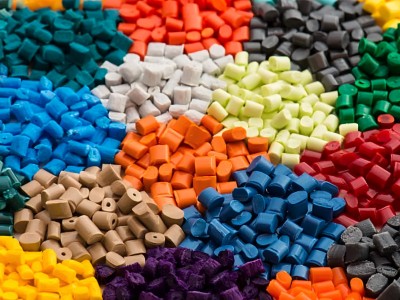
Injection molding material
The material cost of injection molding is relatively low because plastic raw materials are cheap and easy to obtain.
But as the production volume increases, the proportion of material costs in the total cost gradually decreases.
Increasing production volume significantly reduces the cost per part of injection molding, making the process suitable for large-scale production.
For example, the cost per piece is $2.57 when producing 100 pieces, while the unit cost is lower than 3D printing when producing more than 13,050 pieces.
3D printing material
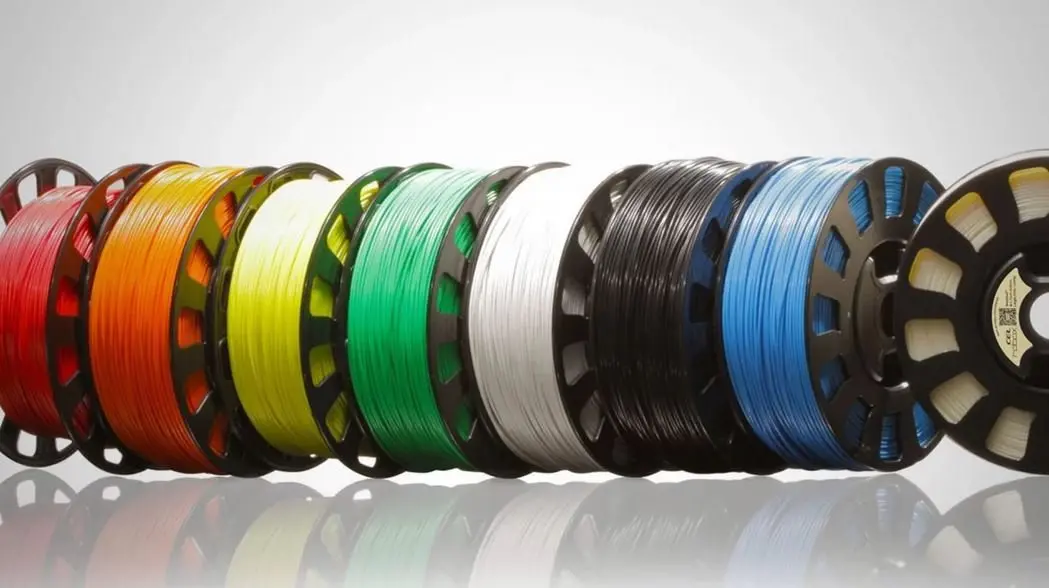
3D printing materials are more expensive, especially complex materials such as metals and ceramics.
However, the waste rate of 3D printing materials is extremely low, which can effectively reduce material waste.
The cost per piece of 3D printing is relatively high, but it is suitable for low-volume production and complex designs.
For example, the initial tooling cost for 3D printing is $34,983, but the unit cost gradually decreases as production volume increases.
Injection molding and 3D printing Applicable Scenarios
Injection molding: suitable for high-volume production, standardized products, and high-precision requirements.
For example, the automotive, medical, and consumer electronics industries.
3D printing suitable for low-volume production, prototyping, complex designs, and customized products.
For example, architectural design, medical models, and personalized products.