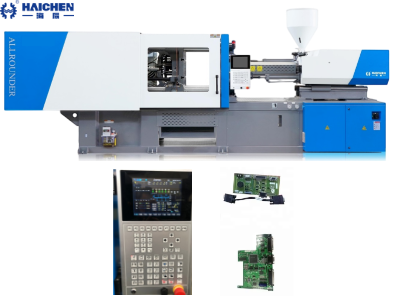
Optimize tie bar placement by balancing clamping force and maintaining proper alignment for stable injection molding operations.

Tie bars are essential components in injection molding machines, providing the necessary structural support and ensuring precise mold alignment. Proper placement of tie bars is crucial for maintaining the stability and efficiency of the injection molding process. This article will guide you through the steps to optimize tie bar placement in injection molding machines.
Understanding Tie Bar Function
Tie bars connect the stationary and moving platens of the injection molding machine, providing the clamping force needed to hold the mold closed during the injection process. They ensure that the mold remains stable and aligned, preventing defects and ensuring consistent part quality.

Key Considerations for Tie Bar Placement
1 Mold Size and Weight
The size and weight of the mold are critical factors in determining the optimal placement of tie bars. Larger and heavier molds require more robust support to maintain stability during the injection process. Ensure that the tie bars are positioned to provide adequate support for the mold’s dimensions and weight.
2 Machine Design
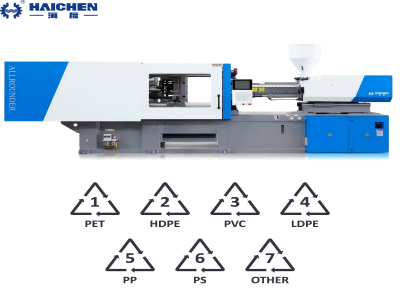
The design of the injection molding machine also influences tie bar placement. Some machines have fixed tie bar positions, while others offer adjustable options. HAICHEN’s machines are designed with flexibility in mind, allowing for optimal tie bar placement to meet specific production needs.
3 Clamping Force Distribution
Even distribution of clamping force is essential for consistent mold performance. Proper tie bar placement ensures that the clamping force is evenly distributed across the mold, reducing the risk of defects such as flash or incomplete filling.
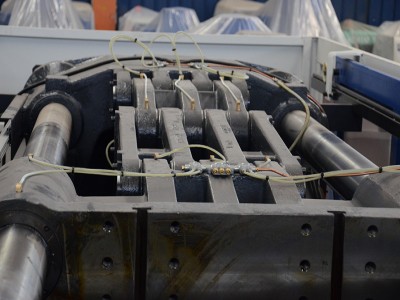
Steps to Optimize Tie Bar Placement
1 Initial Setup
- Positioning:Place the tie bars symmetrically around the mold to ensure balanced support. This helps maintain mold alignment and reduces the risk of warping or deformation.
- Alignment: Ensure that the tie bars are aligned with the mold’s center of gravity to provide optimal support and stability.
2 Adjustment and Testing
- Adjustment:If your machine allows for adjustable tie bars, fine – tune their positions to achieve the best mold alignment and clamping force distribution.
- Testing: Conduct test runs to verify that the mold remains stable and that the clamping force is consistent. Adjust the tie bar positions as needed based on the test results.
3 Maintenance and Inspection
- Regular Inspection: Regularly inspect the tie bars for signs of wear or damage. Replace any worn – out components to ensure continued stability and performance.
- Maintenance: Follow the manufacturer’s guidelines for maintaining the tie bars and associated components. Proper maintenance extends the life of the tie bars and reduces the risk of production interruptions.
HAICHEN: Your Partner in Injection Molding Excellence
At HAICHEN, we specialize in manufacturing high – quality injection molding machines designed for precision and efficiency. Our machines are equipped with advanced features that ensure consistent performance and high – quality production. Whether you are optimizing tie bar placement or upgrading your existing equipment, HAICHEN has the solutions to meet your needs.
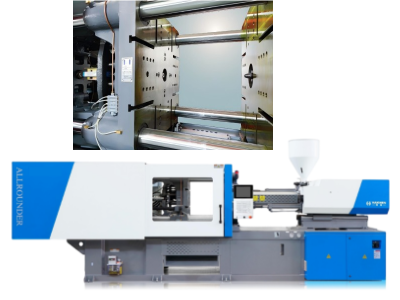
Optimizing tie bar placement is essential for achieving efficient and high – quality injection molding production. By considering factors such as mold size, machine design, and clamping force distribution, you can ensure that your injection molding machine operates at peak performance.