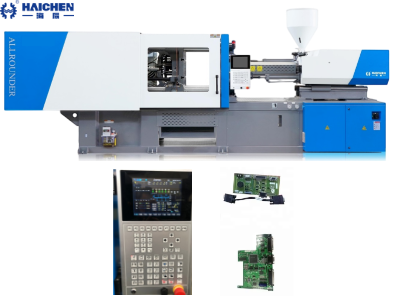
Calculating the tonnage of an injection molding machine is a critical step in the injection molding process. Tonnage refers to the clamping force required to keep the mold closed during the injection of molten plastic.
Importance of Calculating Tonnage of Injection Molding Machine
Choosing the correct tonnage is essential for producing high-quality parts, ensuring machine efficiency, and avoiding costly errors.
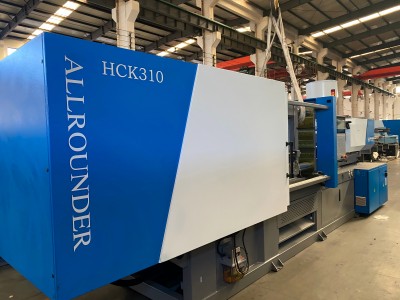
Ensuring Mold Closure
- The tonnage refers to the clamping force exerted by the machine to keep the mold closed during the injection and cooling phases.
- If the tonnage is insufficient, the mold may open slightly during injection, leading to flash (excess material) or incomplete parts.
- Conversely, excessive tonnage can cause unnecessary wear on the machine.
Optimizing Production Costs
- Choosing the right tonnage machine for the job helps in optimizing production costs.
- Using a machine with higher tonnage than necessary can increase energy consumption and wear on the machine, while an under-capacity machine may struggle to produce consistent parts.
Maintaining Part Quality
- The tonnage calculation ensures that the clamping force is sufficient to handle the injection pressure required for the specific material and part design.
- This helps in maintaining consistent part quality, reducing defects, and minimizing rework.
Adapting to Material and Design Variations
- Different materials have varying flow properties and require different clamping forces.
- For example, polycarbonate (PC) may require a higher tonnage factor compared to polypropylene (PP).
- Additionally, complex part designs with multiple cavities or thin walls may also need higher tonnage to ensure proper molding.
Safety and Reliability
- Including a safety factor (typically 10-20%) in the tonnage calculation helps account for variations in material properties, mold design, and process conditions.
- This ensures that the machine can handle unexpected variations without compromising part quality.
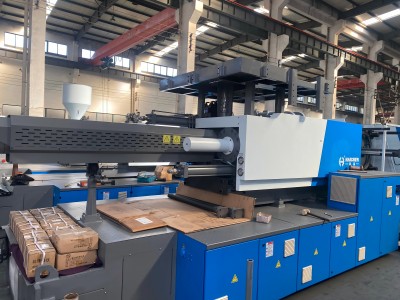
Calculation Steps
To calculate the required tonnage, follow these steps:
Determine the Projected Area: Measure the largest one-side surface area of the part, including runners and gates.
Select the Material Factor: Refer to the material datasheet or supplier for the recommended tonnage factor for the specific plastic.
Calculate the Required Clamping Force: Multiply the projected area by the material factor.
Add a Safety Factor: Increase the calculated tonnage by 10-20% to ensure reliability.
Calculating the tonnage of an injection molding machine is essential for ensuring part quality, optimizing production costs, and adapting to material and design variations. Accurate tonnage calculation helps in selecting the right machine for the job, leading to efficient and reliable production
Haichen injection molding machine supplier
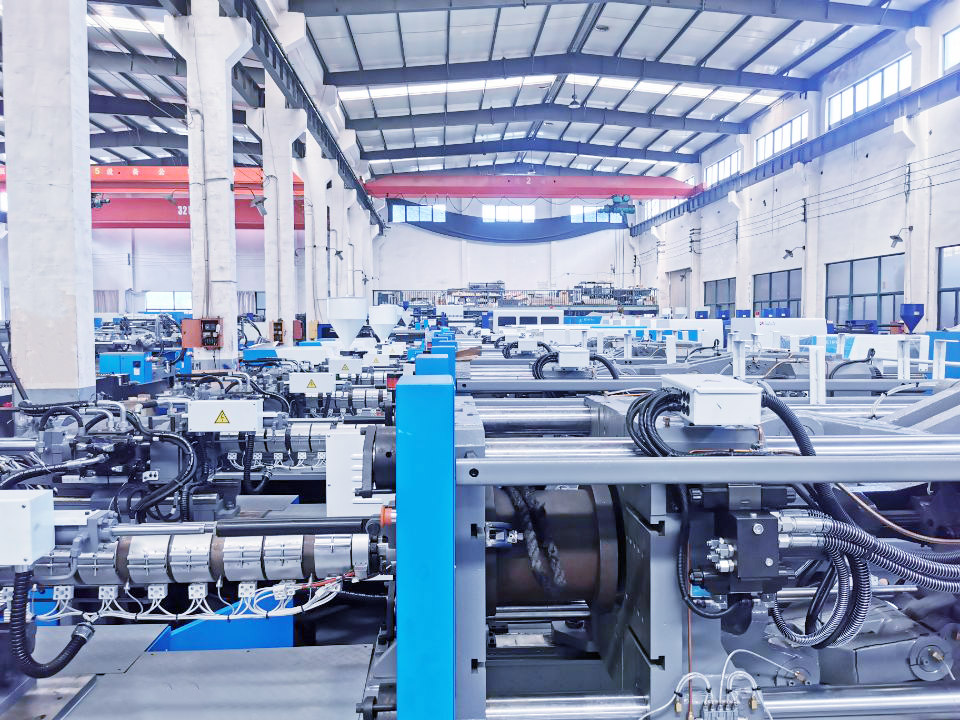
Haichen is a well-known supplier of injection molding machines, recognized for providing high-quality, reliable, and efficient solutions for plastic manufacturing processes.
Advantages of Choosing Haichen
Global Reputation:
Haichen is recognized worldwide for its high-quality injection molding machines and excellent customer service.
Comprehensive Support:
We offer installation, training, and after-sales support to ensure smooth operation and maintenance of their machines.
Innovative Technology:
Haichen continuously invests in research and development to provide cutting-edge solutions for the injection molding industry.
Competitive Pricing:
Despite their advanced features, Haichen machines are competitively priced, offering excellent value for money.
If there is any demand, welcome to consult us.