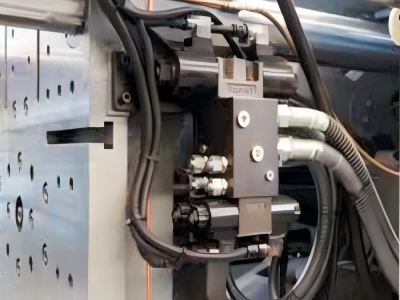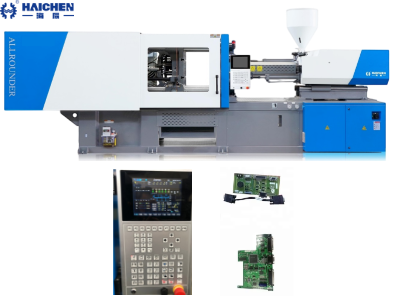
Injection cylinder troubleshooting involves diagnosing and resolving issues with the fuel injection system in an engine.
Common problems include fuel leaks, clogged or faulty injectors, and issues with the fuel injector sensors.
Addressing these problems requires careful inspection of the fuel system, including the injectors, wiring, and fuel quality, and using diagnostic tools for error code identification.
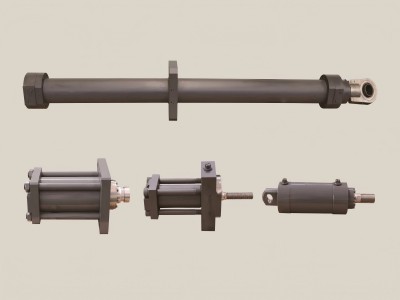
Injection Cylinder Basic structure and working principle
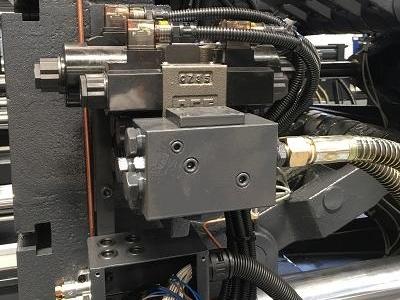
The injection cylinder is the core actuator of the hydraulic system.
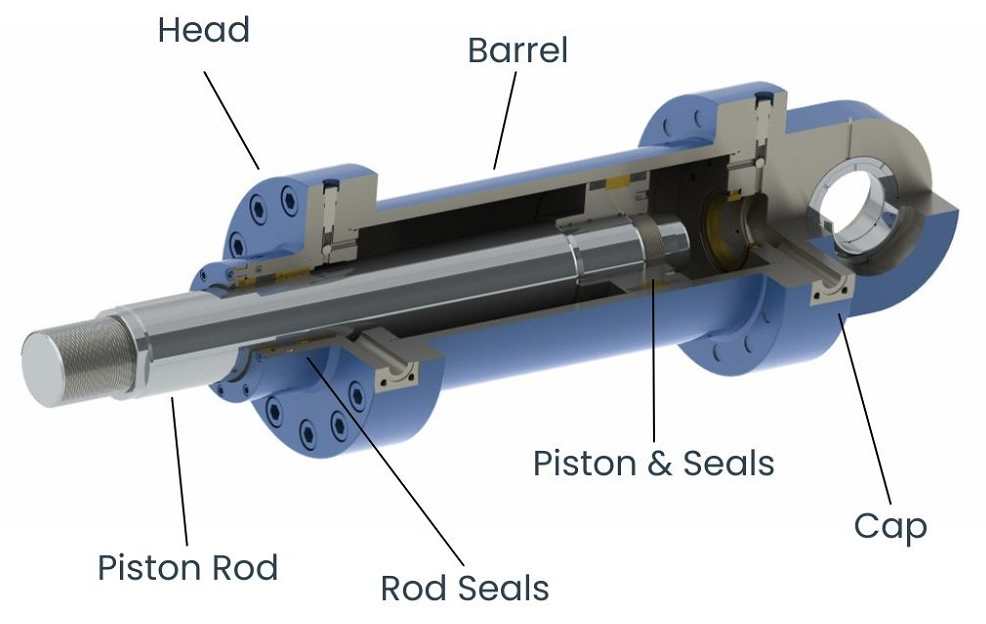
Which is composed of a piston, cylinder barrel, piston rod, seal, end cap, etc.
The hydraulic oil pushes the piston through the action of pressure, converts the hydraulic energy into linear mechanical motion.
And realizes the push/pull force output.
Double-acting hydraulic cylinders achieve bi-directional movement through alternating oil intake through both oil chambers.
While single-acting cylinders rely on springs or external load returns.
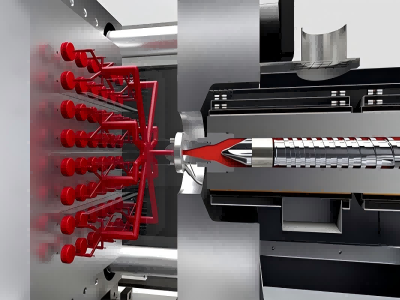
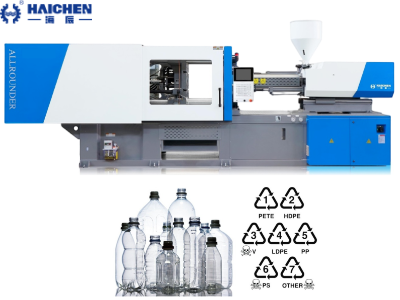
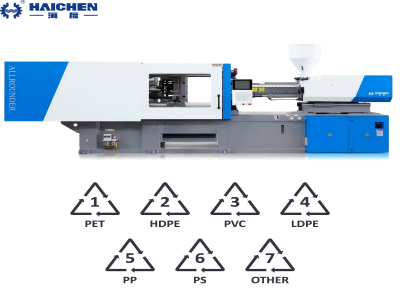
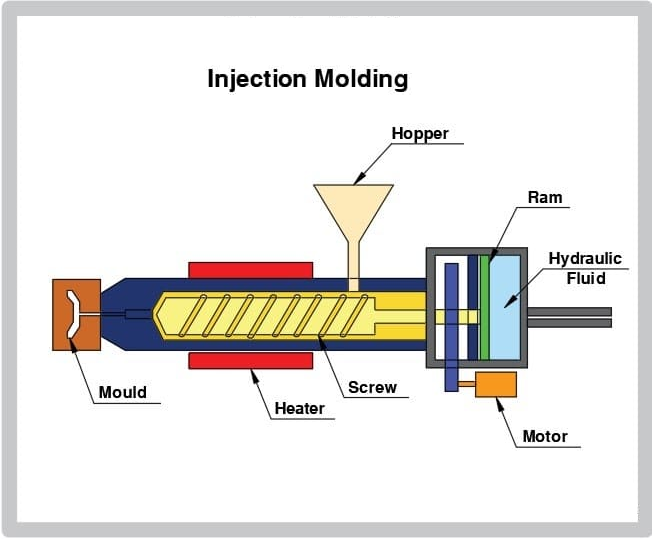
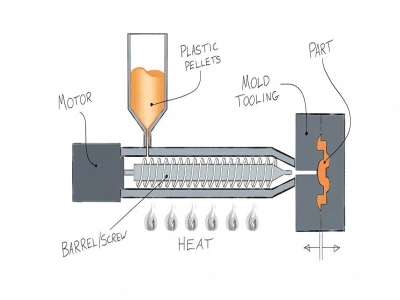
In injection molding machines, the plasticizing and injection process is carried out by means of a hydraulic thrust driven screw.
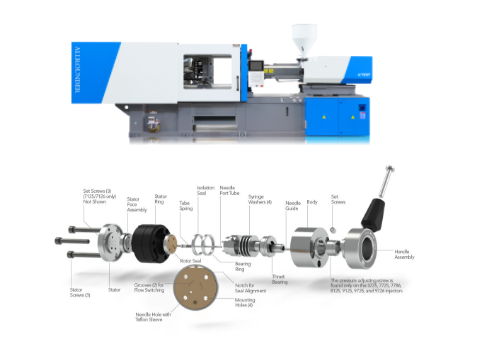
Injection Cylinder Common fault types and diagnostics
Hydraulic Leakage Symptoms
Oil leakage, pressure drop, sluggish actuators.
Cause: It may be due to aging/wear of the seals (more than 35% of failure cases).
Secondly, the piston rod scratch leads to the failure of the rod seal.
Alternatively, the inner wall of the cylinder barrel is worn or corroded (commonly found in high-temperature/corrosive media environments).
Abnormal movement Symptoms
Irregular movement of the injection site, fluctuating speed, and stagnation.
Cause: Probably due to poor lubrication or over-fitting of the guide or bent piston rod (due to side load).
Finally, check for oil blockages (residue or oil contamination).

Insufficient pressure
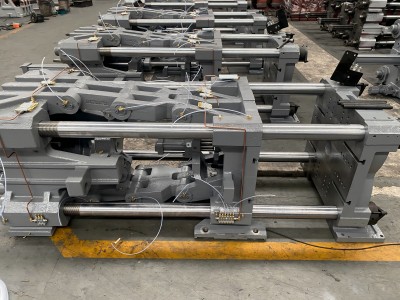
Symptoms: The injection pressure cannot reach the set value, and the plastic filling is not in the mold cavity.
Causes: First, check for a faulty hydraulic pump or an incorrect set of the relief valve.
Second, confirm the gap between the cylinder barrel and the piston (internal leakage).
Abnormal viscosity of hydraulic oil (deterioration at high temperatures or contaminants)
Abnormal noise and vibration
Symptoms: noise during operation, piston rod shaking.
Causes: Cavitation (air mixed in the oil).
Failure of the buffer device (improper adjustment or wear of the buffer valve).
Abrasion & Fatigue
Symptoms: Scratches on the surface of the cylinder barrel, piston ring wear chips.
Causes: Possible due to long-term high-load operation (beyond design life).
Or oil contamination that accelerates friction pair wear.
Injection Cylinder Standardize troubleshooting processes
Initial inspection
First, confirm the hydraulic oil level and cleanliness (ISO 4406 standard, recommended granularity ≤18/16/13).
Secondly, check whether the pipeline connection is loose and rule out external leakage.
Stress test
First, a pressure gauge is used to detect the pressure curve during the injection phase and compare the set value.
If the pressure is insufficient, check the pump, relief valve, and cylinder leakage in turn.
Sealing system diagnostics
Disassemble the piston assembly and check the elasticity and integrity of the sealing ring (focus: Sterseal, Grid Ring).
As well as, the surface roughness of the piston rod is tested (Ra≤0.4μm is qualified).
Motion accuracy calibration
The laser alignment instrument detects the parallelism between the piston rod and the guide rail (allowable deviation≤0.05mm/m).
Adjust the snubber valve to 1/2 turn opening to optimize end deceleration
Oil circuit cleaning
Hydraulic system is cleaned by an off-line filter unit (NAS class 7 recommended).
Injection cylinder Safe Operating Practices
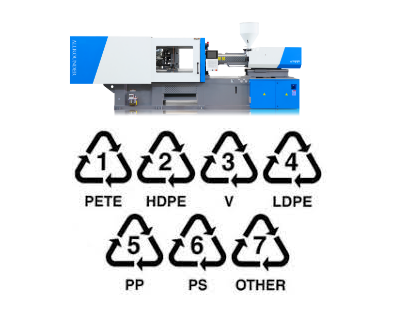
Plastic injection molding machines are vital to modern manufacturing processes, producing components with precision and efficiency.
However, like any complex machinery, they are susceptible to various operational issues.
Identifying these problems early and resolving them effectively is critical to maintaining productivity and avoiding costly downtime.
Installation Requirements
Compensate for mounting deviations with spherical hinged bearings avoid side loads.
Pickling and passivation of the piping prior to installation cleanliness up to ISO 17/14/11.
Operation Monitoring
Operators must not operate the equipment unless the safety gate interlock is engaged, as mandated by EN 201.
Emergency Treatment
In the event of a sudden loss of pressure, the mechanical locking device is activated immediately.
When the leaked oil comes into contact with the skin, use a special cleaning agent according to MSDS.