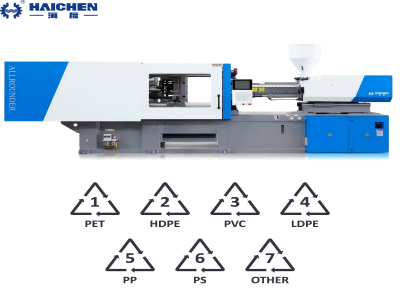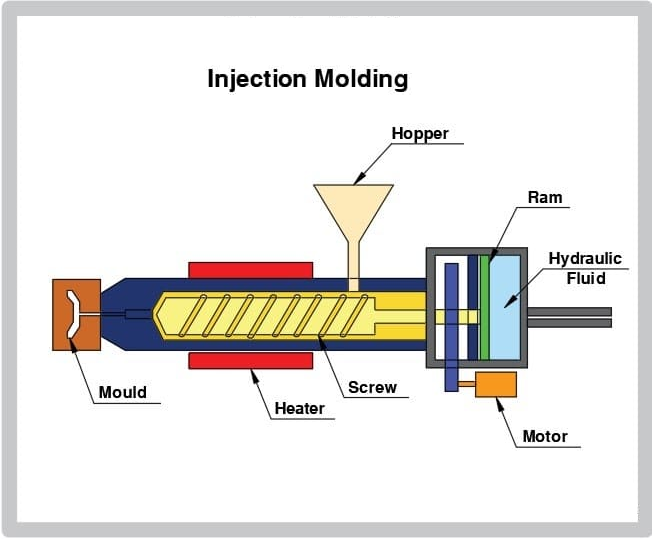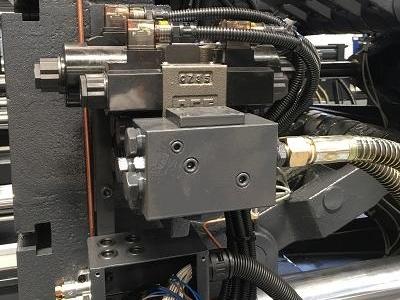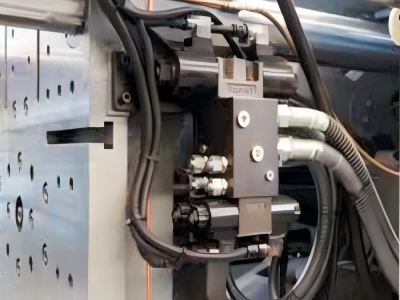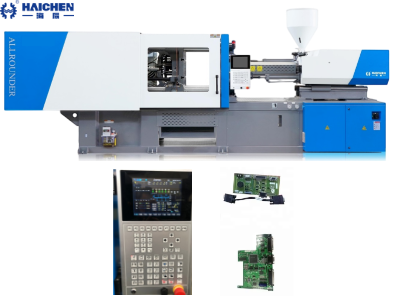
Models and specifications affect Plastic Injection Molding Machine price due to variations in machine type, clamping force, injection capacity
If you are purchasing a plastic injection molding machine, you must first understand that different machine models and technical parameters will directly affect the price.
For example, core indicators such as clamping force and injection volume, or whether the machine has special functions, will make a significant difference in the cost of the equipment.
In the following content, we will specifically analyze how these key factors affect the quotation to help you make a more informed choice.
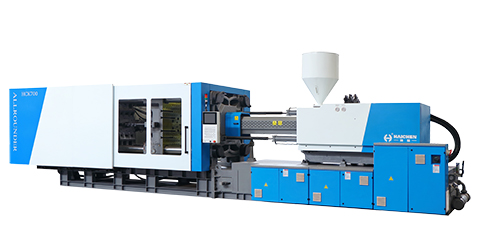
How Models Affect the Price of Plastic Injection Molding Machines
The model of an injection molding machine mainly reflects its technology type, brand and functional configuration. Different models have significant differences in technical principles, functional characteristics and manufacturing costs, which directly affect the price.
- Injection molding machine drive mode
- Clamping force specifications
- Structural type
- Brand and Function
Injection molding machine drive mode
Traditional Hydraulic Injection Molding Machine
When choosing an injection molding machine, the drive mode will significantly affect the price of the equipment. The current common traditional hydraulic injection molding machine technology is mature and reliable, and the price is relatively affordable. This type of equipment drives the injection and clamping actions through the hydraulic system, the structural design is simple and direct, and the maintenance cost is also low.
For example, the price of a small hydraulic injection molding machine is usually around tens of thousands of yuan. If you need to produce everyday plastic products with low precision requirements – such as ordinary storage boxes, children’s toys or household plastic buckets – this type of equipment can fully meet your needs.
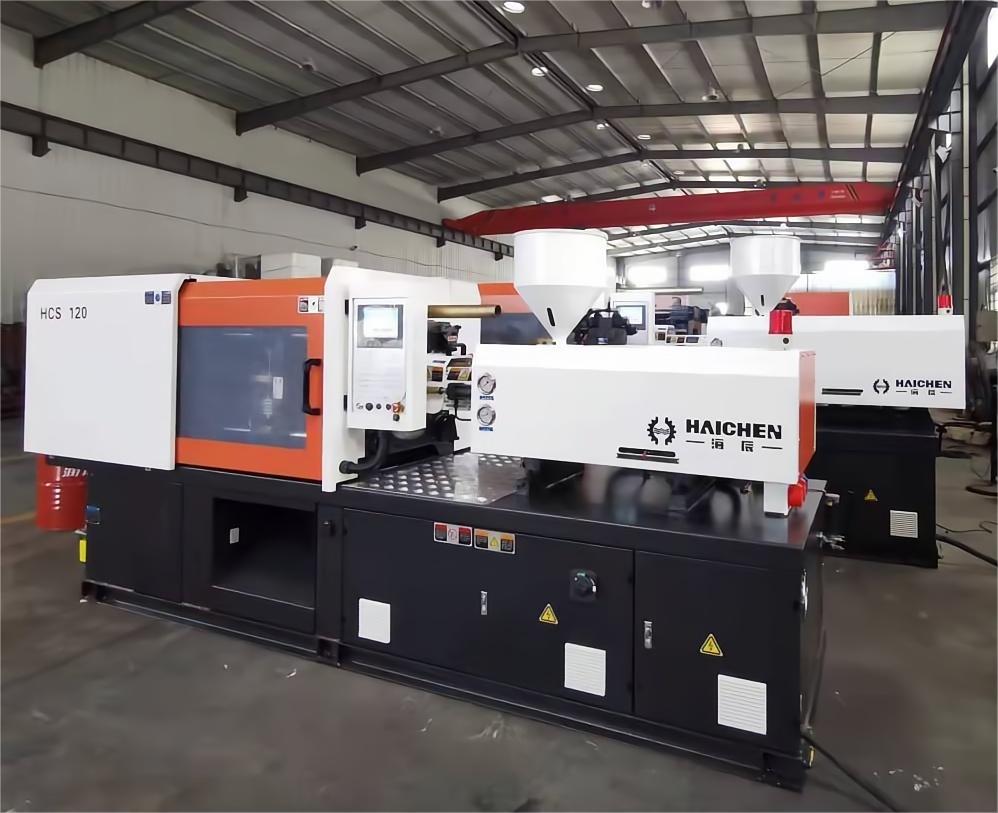
Fully Electric Injection Molding Machine
The fully electric injection molding machine directly controls the injection and clamping mechanisms through servo motors, which significantly improves the accuracy of the equipment operation and reduces energy consumption. The fully electric injection molding machine directly controls the injection and clamping mechanisms through servo motors.
However, the purchase cost of such equipment is usually higher than that of traditional hydraulic models. For example, the price of a medium-tonnage all-electric machine may be 4 to 6 times that of a hydraulic machine of the same specification.
This price difference is mainly due to the technical characteristics of its core components: the servo motor, drive and control system must meet the micron-level precision requirements (such as the ball screw accuracy of 0.01mm), and the assembly of the whole machine must be completed by senior technicians in a constant temperature and dust-free environment. In addition, each additional function (such as neutron core pulling) requires an additional servo motor, which further increases the cost.
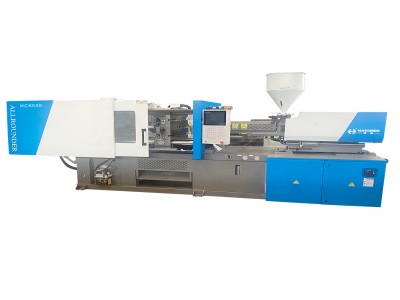
Hybrid injection molding machine
It combines the advantages of hydraulic presses and all-electric motors: it retains the high output force characteristics of the hydraulic system and incorporates the high precision and low energy consumption design of the electric system.
The implementation of this technology directly affects the cost – the price of a mixer is usually between that of a hydraulic press and that of an all-electric motor. The fundamental reason lies in the complexity of the technology: electric drive is mainly used for key actions such as injection and mold closing to ensure precise control; while auxiliary actions such as ejection and core pulling still rely on the hydraulic system.
This dual-system coexistence structure increases the number of parts and maintenance requirements, resulting in a higher overall cost of the equipment.
Clamping force specifications (core pricing parameters)
| Type Clamping | force range | Typical price range | Application scenarios |
| Small machine | <1000kN | 10,000-30,000 USD | Electronic accessories, daily necessities |
| Medium machine | 1000-5000kN | 30,000-100,000 USD | Home appliance housing, automotive parts |
| Large machine | >5000kN | 100,000-300,000 USD+ | Automotive structural parts, logistics pallets |
Structural type
- Two-platen type: eliminates the tail plate, saves space, and is 15%-20% more expensive than the three-platen type of the same specification (due to the high structural complexity).
- Vertical disc machine: multi-station design, the price is 25%-40% higher than the horizontal machine of the same tonnage (such as the three-station disc machine adapted to insert molding).
Brand and Function
Well-known Brand
The price of injection molding machines is affected by multiple factors, among which the drive mode, brand selection and functional configuration are particularly critical. In terms of brands, internationally renowned manufacturers such as Engel, Wittmann Battenfeld and FANUC usually have higher prices due to their advanced technology and equipment reliability; while domestic brands such as Haitian and Yizumi are known for their high cost performance, which reduces procurement costs while maintaining stable performance.
As one of the injection molding machine manufacturers, Haichen provides multiple models of equipment to meet different production needs. Its products are characterized by durable structure, high operating accuracy and excellent energy consumption control. For example, the servo drive system can achieve 15%-70% energy saving. In addition, Haichen’s after-sales service covers technical support and spare parts supply, aiming to help customers optimize the efficiency of equipment use.
Functional Configuration
The functional configuration of injection molding machines directly affects the pricing of equipment. Taking the multi-color injection system as an example, this configuration requires additional independent injection units and complex hot runner systems to achieve the simultaneous injection of multiple plastics in a single molding. Although this technology can reduce the subsequent assembly process, it significantly increases the manufacturing cost of the equipment, so the price is generally higher than that of conventional single-color models.
Similarly, models equipped with automatic mold change systems use hydraulic or electric drive devices to achieve rapid mold switching, greatly shortening downtime and improving equipment utilization. However, such systems require the integration of high-precision sensors, closed-loop control valves and special mechanical structures, which objectively increases the complexity and production cost of the equipment, resulting in a corresponding increase in the terminal selling price.
How specifications affect the price of plastic injection molding machines
The specifications of the injection molding machine will directly affect the price of the equipment, among which the clamping force, injection volume and mold size are the main influencing factors. These specifications determine the types of products that the machine can handle and the production efficiency, which will naturally be reflected in the price.
Clamping force
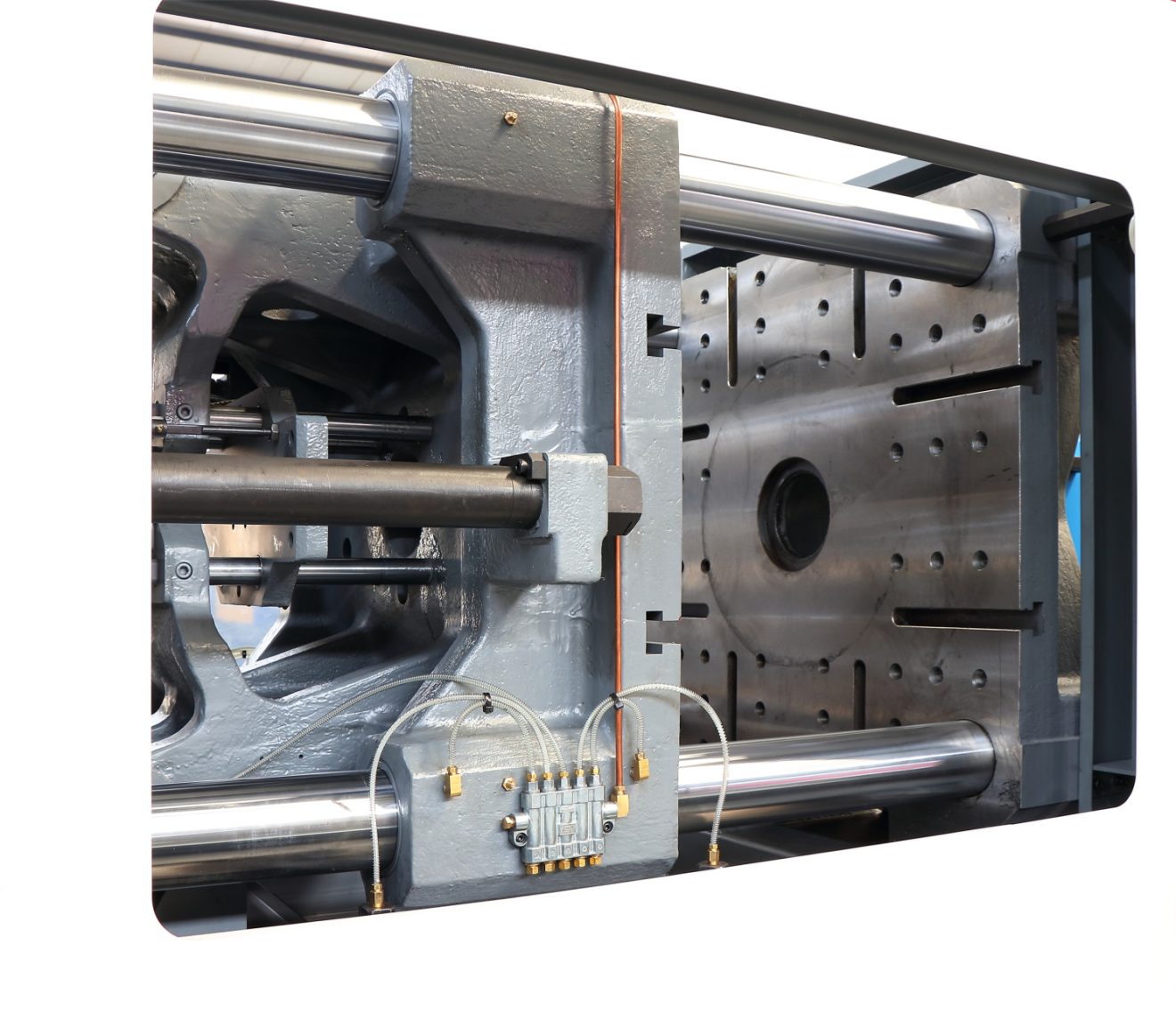
Take the clamping force as an example. It determines how large the mold and product the injection molding machine can process. The larger the clamping force of the machine, the higher the price. Small injection molding machines may have a clamping force of only a few tons and a price of about tens of thousands of yuan; while large machines can have a clamping force of thousands of tons and a price of hundreds or even tens of millions of yuan.
This price difference is mainly due to manufacturing costs: large-tonnage machines require more powerful power systems, more solid body structures, and more sophisticated control systems. At the same time, the requirements for component strength and precision are also higher, which significantly increases production costs.
Injection volume
The injection volume determines the weight range of products that the injection molding machine can process. Injection molding machines with large injection volumes are relatively expensive. For example, an injection molding machine with an injection volume of 100 grams may cost more than an injection molding machine with an injection volume of 50 grams. Injection molding machines with large injection volumes need larger injection cylinders, more powerful injection motors, and more complex injection control systems. These features ensure accurate injection of large amounts of plastic melt into the mold while precisely controlling injection speed and pressure, all of which increase the cost of the equipment.
Mold size and installation method
Injection molding machines that can install large molds are more expensive. Large molds require larger mold installation space and more powerful positioning systems. For example, some injection molding machines can install large molds with a size of several meters, and their prices are higher than those of injection molding machines that can only install small molds. In addition, the mold installation method of the injection molding machine will also affect the price. If the injection molding machine is equipped with an automatic mold positioning and clamping system, the accuracy and efficiency of mold installation can be improved, but this system will increase the complexity and cost of the equipment, resulting in an increase in price.
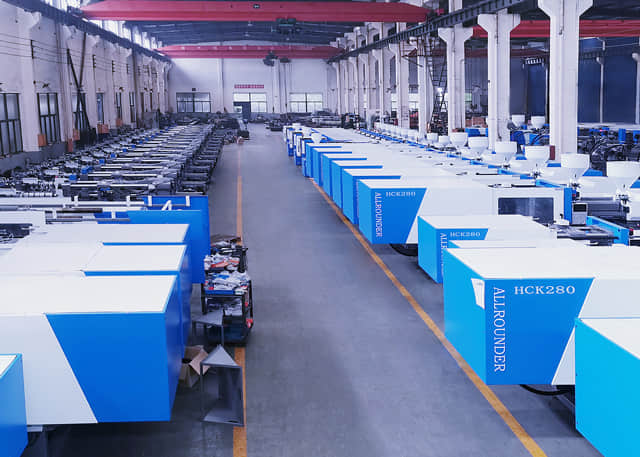
In the injection molding machine market, HAICHEN injection molding machine manufacturers stand out for their excellent quality and advanced technology. HAICHEN injection molding machines are not only well-known in the domestic market, but also widely recognized in the international market, especially the Thai market.
Models and specifications affect Plastic Injection Molding Machine price. The interaction of different technology types, brand functions, clamping force, injection volume, mold size and installation methods determines the manufacturing cost and market value of the injection molding machine.