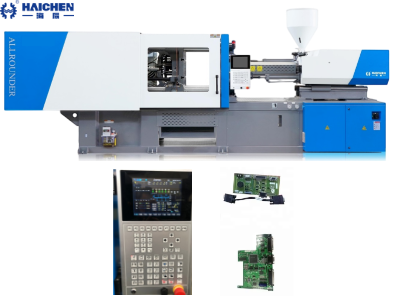
The mold pressure plate in an injection molding machine ensures even distribution of clamping force, maintains precise mold alignment, and protects both the mold and machine from damage during high-pressure operations.
In the injection molding process, each component directly affects the final quality of the plastic part.
Among them, the mold pressure plate plays a particularly critical role. It connects the injection molding machine and the mold to ensure that the pressure required for molding can be accurately transmitted to the mold.
This article will specifically explain the application scenarios, core functions and practical advantages of the mold pressure plate in the injection molding machine
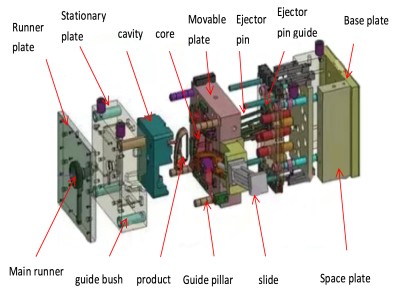
Definition and core functions of mold pressure plate
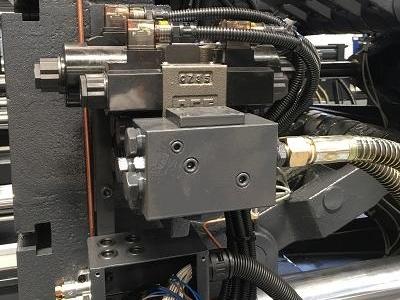
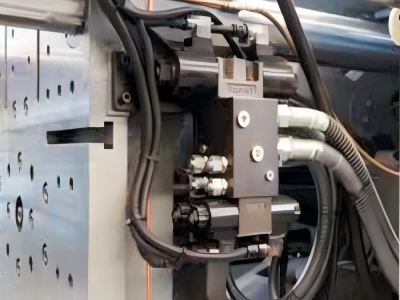
In the clamping unit of an injection molding machine, the mold clamp plays a core role. It is usually divided into two parts: the upper clamp (directly connected to the clamping mechanism) and the lower clamp (driving the ejection system). Its core functions can be summarized in the following three aspects:
- Pressure transmission
The hydraulic or mechanical pressure generated by the clamping mechanism is evenly distributed to the mold parting surface to ensure the stability of the mold closure during the injection molding process. This force transmission is directly related to the accuracy of the molded product. - Mold positioning
The mold is firmly fixed to the surface of the clamp through a T-slot or bolt fastening device, effectively preventing the risk of mold displacement during the injection molding process. This mechanical locking method is the basis for ensuring production safety. - Material control
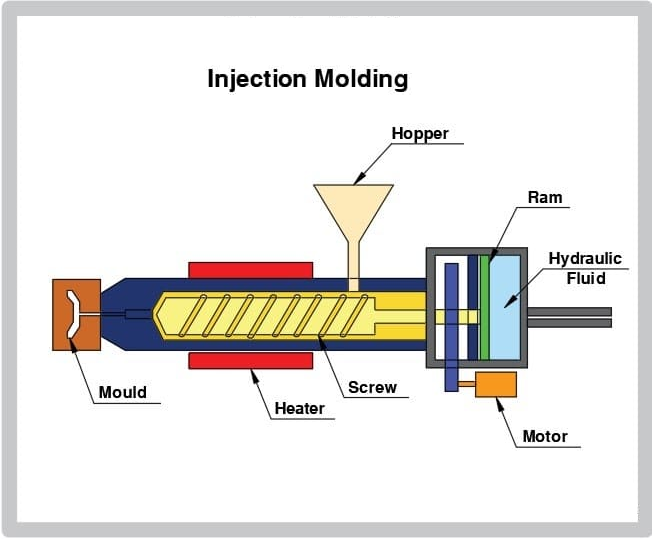
In the injection molding scenario: The filling state of the molten plastic is regulated by precise clamping force to ensure a stable molding process.
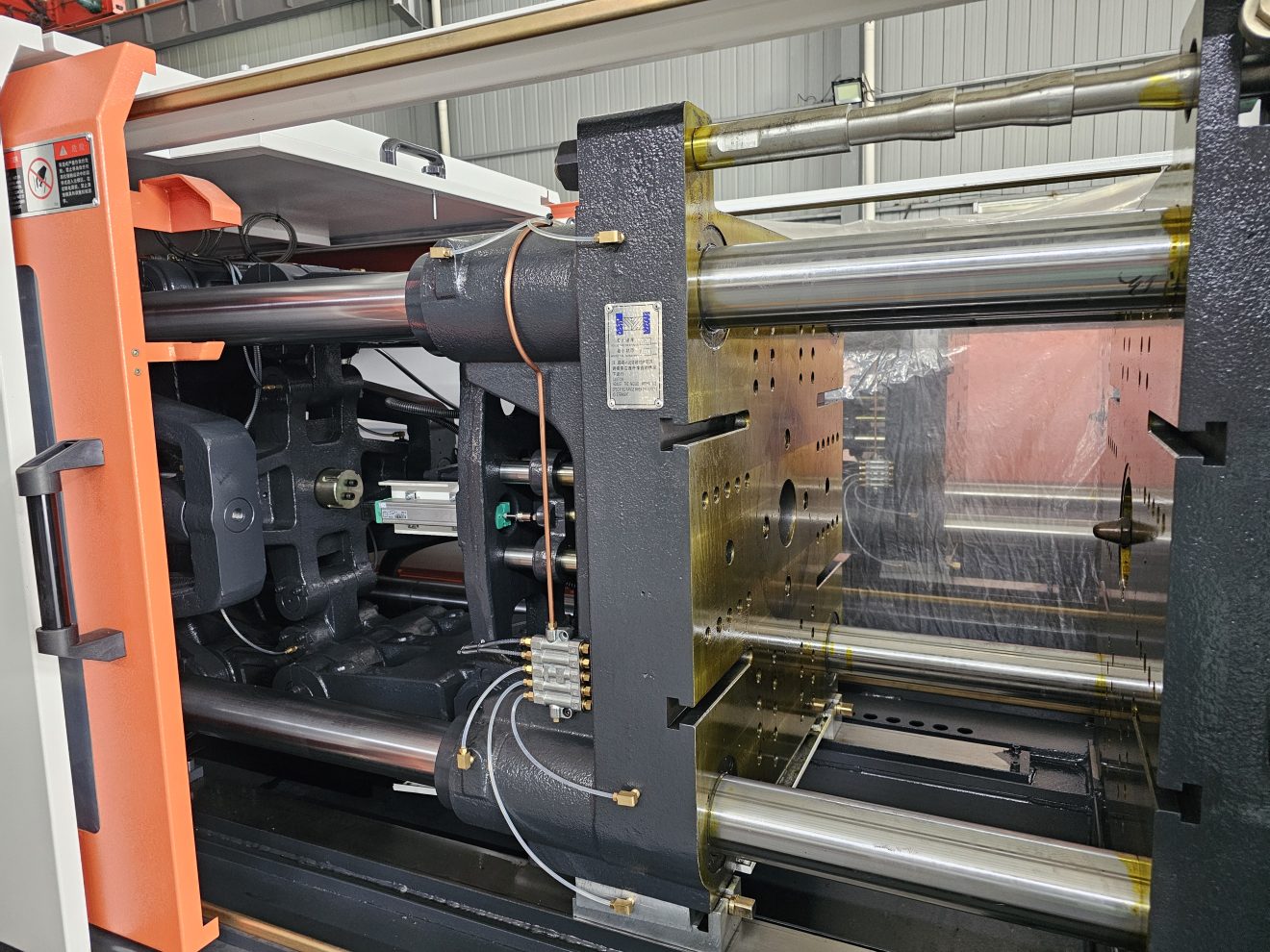
Mold pressure plate application
The key role of mold pressure plates in injection molding production
Operators need to fully understand the function of mold pressure plates, which is directly related to optimizing mold performance and extending mold service life. Here are the specific instructions:
- Ensuring Mold Stability
- Maintaining Consistent Pressure
- Enhancing Mold Alignment
- Reducing Wear and Tear
- Facilitating Efficient Mold Change
Ensuring Mold Stability
- Core function: During the injection molding process, the pressure plate prevents deviation by physically fixing the mold position. For example, in the production of automotive parts, it ensures that the mold components are always accurately aligned.
- Quality problem control: When the pressure plate is not fully pressed, it may cause product burrs or dimensional deviations. Operators can avoid such defects by regularly checking the clamping force of the pressure plate.
- Process stability: Maintaining a close fit between the pressure plate and the mold base is a necessary condition for obtaining batch-consistent products. It is recommended to clean the contact surface after every 500 injection cycles.
Maintaining Consistent Pressure
During the injection molding process, the mold platen continuously applies uniform pressure to ensure that the molten plastic can completely fill every corner of the mold. This stable pressure control directly brings two key effects:
One is to keep the wall thickness of the molded part uniform, and the other is to significantly reduce common defects such as bubbles and material shortages.
For the production of parts that require precise dimensions, this pressure stability is the core condition for ensuring product quality.
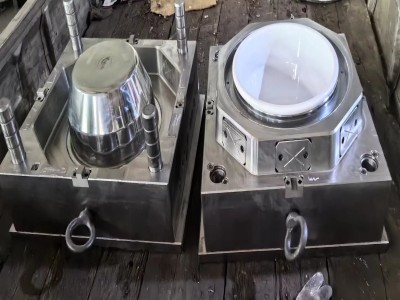
Enhancing Mold Alignment
The mold clamp is mainly use to improve the alignment accuracy between the mold and the injection unit and clamping unit of the injection molding machine.
Operators need to pay attention: accurate alignment can avoid the problem of uneven filling of the mold cavity, otherwise it is easy to cause defective products such as part deformation or incomplete filling. This alignment accuracy is directly related to whether the size of the final product meets the standard.
Reducing Wear and Tear
Mold pressure plates play a key role in injection molding. Here’s how they help cut down on damage: By keeping the mold stable and steady during operation, these plates significantly reduce wear on both the mold itself and the molding machine. This translates to real benefits: Your mold lasts longer, maintenance needs (and costs) drop, and the whole molding process becomes more efficient and saves money over time.
Facilitating Efficient Mold Change
The design of the mold pressure plate focuses on improving the convenience of mold change operations. For example, after being equipped with a quick disassembly mechanism and positioning guide pillars, the workshop master can save time and effort when changing molds. For large-scale production lines, this type of design is particularly important – after all, every minute of production line downtime will affect the overall efficiency, and fast mold change is the key to ensuring the production rhythm.
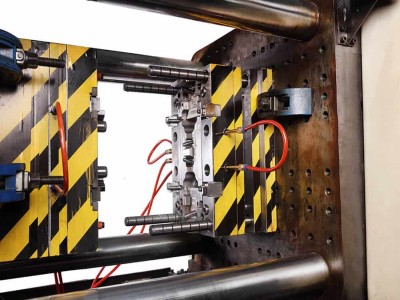
Comparison of hydraulic vs mechanical pressure plate systems
| Parameters | Hydraulic pressure plate system | Mechanical pressure plate system |
| Power source | Hydraulic pump drives the cylinder to generate linear pressure | Motor + crankshaft converts to mechanical pressure |
| Pressure range | 50–3,000 tons (high pressure for large molds) | Usually ≤1,000 tons (small and medium-sized molds) |
| Speed and control accuracy | Infinitely variable speed regulation, closed-loop control accuracy ±0.5% | Fixed stroke, accuracy depends on mechanical wear |
| Energy consumption | Servo energy-saving system can save 15–70% of electricity | Traditional flywheel energy storage, high energy consumption |
| Maintenance cost | Hydraulic system needs regular oil change, seals are easy to wear | Mechanical parts are less expensive to replace after wear |
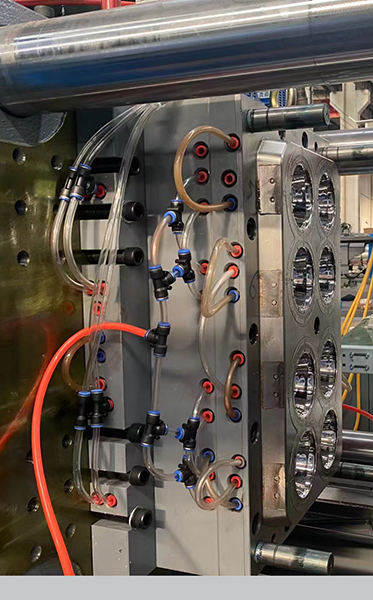
HAICHEN:Injection Molding Machine Manufacturer
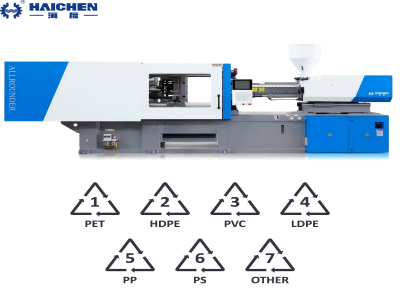
HAICHEN is a professional injection molding machine manufacturer. Our machines incorporate advanced technology, have stable and reliable performance. And can meet the needs of high-intensity and long-term operation in industrial production.
In order to meet the production requirements of different customers, we provide a variety of injection molding machines for you to choose from. Including models equipped with precision mold pressure plate systems.
After you purchase HAICHEN equipment, we provide comprehensive after-sales service support. This includes timely technical guidance, convenient supply of original spare parts. And professional operation and maintenance training.
Our goal is to help you use the equipment smoothly, ensure that the machine performs as it should. And make your investment worthwhile.
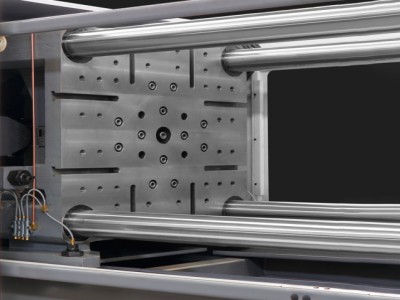
In Thailand, the demand for efficient and reliable injection molding solutions is growing. Thai manufacturers are increasingly looking for machines that can produce high-quality parts at a competitive cost.
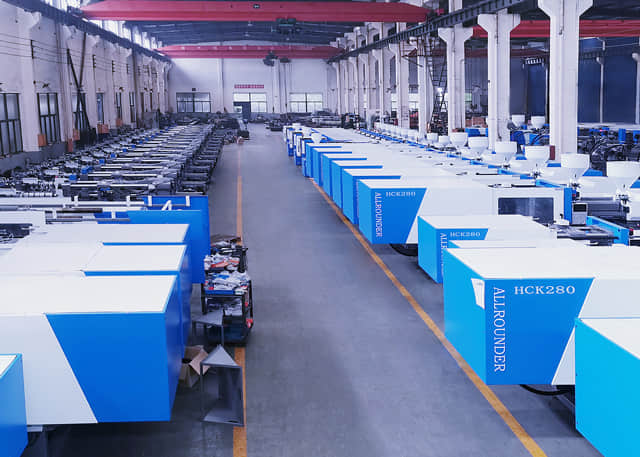
The mold pressure plate plays a key role in the injection molding process.
It directly protects the mold and machine equipment from damage by evenly distributing pressure and accurately positioning the mold. Whether it is a high-pressure environment, a multi-cavity mold or a precision molding scenario, this basic component is indispensable.
Using it can bring three practical benefits: improving product qualification rate, extending mold service life, and accelerating overall production efficiency.