PLA is a biodegradable thermoplastic derived from renewable resources such as corn starch and sugar cane, with a lower carbon footprint than petroleum-based plastics, in line with the trend towards sustainable manufacturing
Polylactic Acid (PLA) is a biodegradable, plant-based thermoplastic derived from renewable resources like corn starch or sugarcane. It’s widely used in eco-friendly products, but its unique properties require specialized handling in injection molding.
PLA injection moulding requires strict control of temperature, pressure and drying process, and optimised mould design to cope with the risk of warpage and degradation. Its core strengths are environmental friendliness and biocompatibility, and it is suitable for high-demand areas such as medical and packaging, but heat resistance and brittleness are still major challenges.
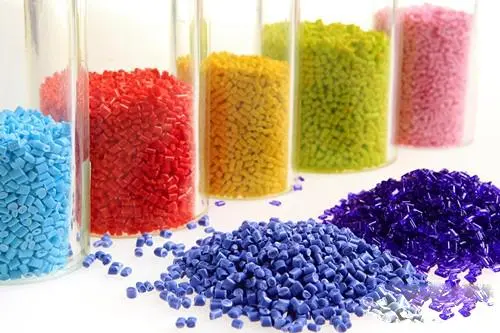
What is the processing of PLA injection molding services?
If you are a new producer of environmentally friendly products, then the properties of PLA should be no stranger to you!
Below is a guide to PLA injection molding services, including process steps, advantages, challenges, and how to choose a provider:
- PLA Material Properties
- PLA Injection Molding Process
- Advantages of PLA Injection Molding
- Challenges & Solutions
- Common Applications
- Choosing a PLA Injection Molding Service
- Cost Considerations
- Top Service Providers
- Environmental Impact
- Future Trends
PLA Material Properties
- Biodegradability: Breaks down under industrial composting conditions (not in landfills).
- Melting Temp: 160–180°C (320–356°F) – lower than conventional plastics like ABS or PP.
- Limitations:
- Low heat resistance (softens at ~60°C/140°F).
- Brittle if not modified with plasticizers or additives.
PLA Injection Molding Process
a. Material Preparation
- Drying: PLA is hygroscopic – pre-dry at 50–60°C (122–140°F) for 4–6 hours to avoid bubbles.
- Additives: Blends with starch, fibers, or plasticizers improve flexibility/heat resistance.
b. Molding Parameters
- Barrel Temperature: 160–190°C (320–374°F) – avoid exceeding 200°C to prevent degradation.
- Mold Temperature: 20–50°C (68–122°F) – cooler molds reduce cycle time but may cause warping.
- Injection Speed: Moderate to high speed to fill molds before premature cooling.
c. Post-Processing
- Annealing: Heat parts at 70–90°C (158–194°F) to reduce brittleness and improve heat resistance.
- Surface Finishing: Limited options due to PLA’s low melting point (avoid sanding/polishing).
Advantages of PLA Injection Molding
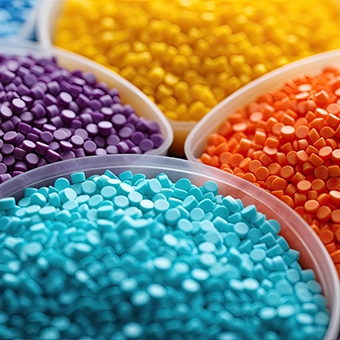
- Sustainability: Carbon-neutral lifecycle and compostable (meets ASTM D6400/EN 13432 standards).
- Consumer Appeal: Ideal for eco-conscious brands (e.g., biodegradable packaging, disposable cutlery).
- Ease of Processing: Lower melting temps reduce energy costs vs. traditional plastics.
Challenges & Solutions
| Challenge | Solution |
|---|---|
| Low Heat Resistance | Blend with additives (e.g., PDLA) or use post-mold annealing. |
| Brittleness | Modify with plasticizers (e.g., PEG) or fibers (e.g., wood, hemp). |
| Slow Crystallization | Optimize cooling rates or use nucleating agents (e.g., talc). |
| Composting Limitations | Partner with industrial composting facilities; educate end-users. |
Common Applications
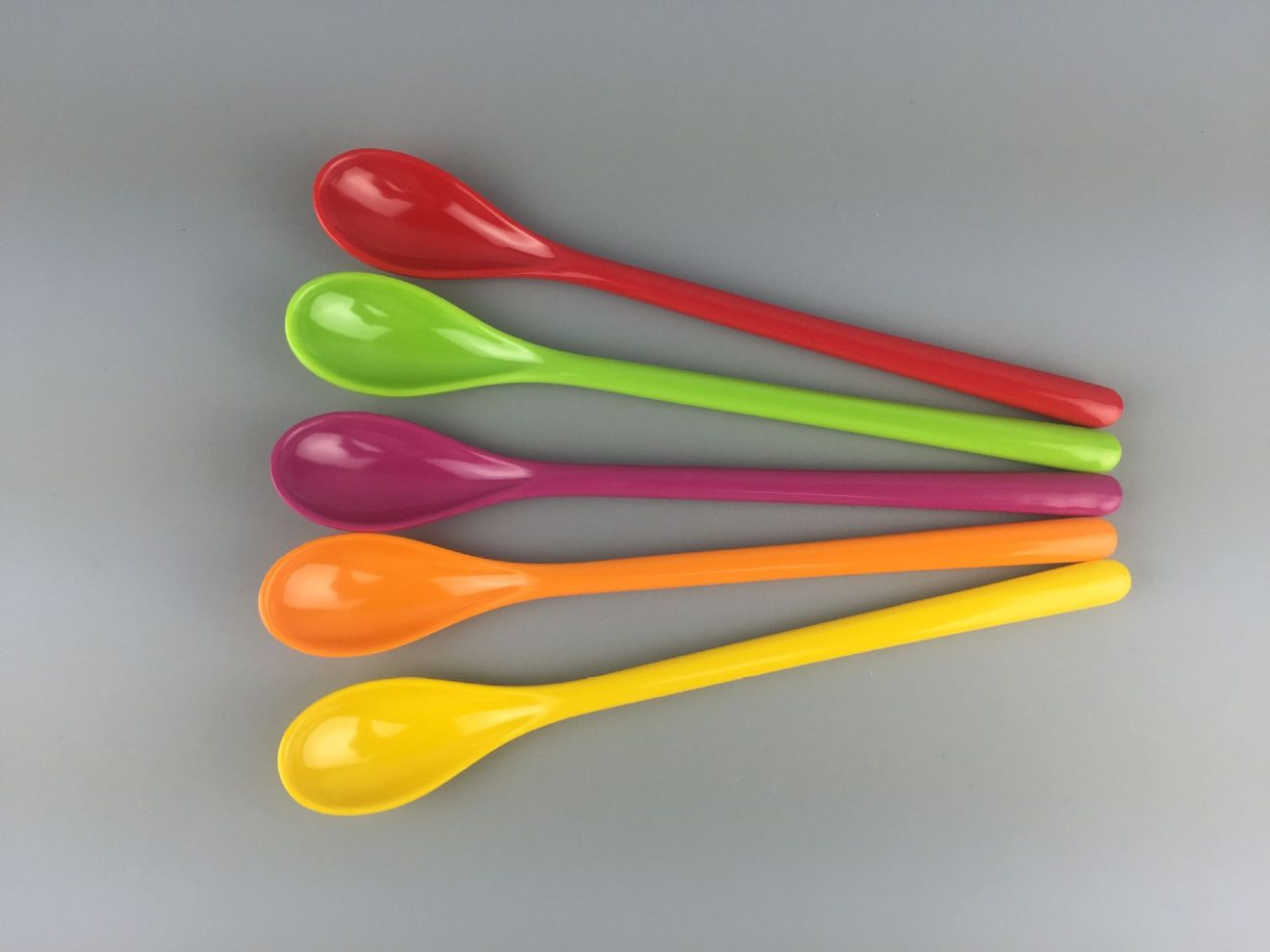
- Packaging: Food containers, clamshells, blister packs.
- Disposables: Cutlery, straws, cups (often combined with PBAT for flexibility).
- Medical: Biodegradable sutures, drug delivery devices (sterilizable grades available).
- Consumer Goods: Toys, phone cases, promotional items.
Choosing a PLA Injection Molding Service
- Experience with Bioplastics: Look for providers familiar with PLA’s quirks (e.g., drying, cooling).
- Material Certifications: Ensure PLA meets FDA (food contact) or ISO 13485 (medical) standards if needed.
- Sustainability Practices: Providers offering compostable packaging or carbon-neutral processes.
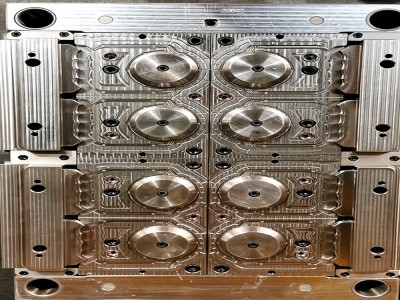
- Prototyping Support: Services for testing PLA blends or optimizing mold designs.
Cost Considerations
- Material Cost: PLA is ~20–50% more expensive than PP/PE but cheaper than PHA or PCL.
- Mold Design: Simpler molds (single-cavity) reduce upfront costs for low-volume runs.
- Volume Discounts: Higher quantities offset material costs (ideal for >10,000 units).
Top Service Providers
While specific companies can’t be listed here, prioritize providers that:
- Specialize in bioplastics or sustainable manufacturing.
- Offer in-house material blending (e.g., PLA+PBAT composites).
- Provide certifications for compostability or food safety.
Environmental Impact
- End-of-Life Options:
- Industrial composting (requires facilities).
- Mechanical recycling (limited to 2–3 cycles due to degradation).
- Chemical recycling (emerging methods like enzymatic breakdown).
Future Trends
- Improved Blends: PLA composites with higher heat resistance (e.g., PLA+PC).
- Closed-Loop Systems: Partnerships with composting/recycling facilities for circular workflows.
Is PLA good for injection molding?
Polylactic acid (PLA), as a bio-based biodegradable material, offers significant advantages and potential in injection molding but also faces certain challenges. Here’s a comprehensive analysis:
- Advantages of PLA for Injection Molding
- Challenges and Limitations
- Recommended Applications
Advantages of PLA for Injection Molding
Process Control and Performance Optimization
- PLA’s crystallinity and mechanical properties can be optimized by adjusting process parameters (e.g., melt temperature, pressure, mold temperature):
- At a melt temperature of 180°C and pressure of 8 MPa, PLA achieves optimal crystallinity and tensile strength.
- Mold temperatures above 100°C enhance crystallinity, improving heat resistance (suitable for high-temperature environments).
- Micro-injection molding (e.g., 200°C melt temperature, 360 mm/s injection speed) produces high-precision PLA micro-needles for medical applications.Material Modifications
PLA can be enhanced with additives or composites: - Talc-modified PLA (e.g., PLA T25M3) meets biodegradability standards and suits complex geometries.
- Adding impact modifiers (e.g., PARALOID™ BPM-520) improves toughness while maintaining surface finish.
- Basalt fiber reinforcement triples impact strength and boosts tensile strength by ~20%.
Eco-Friendliness
- PLA is fully biodegradable, decomposing into water and CO₂ within 180 days under industrial composting conditions, ideal for eco-sensitive applications like disposable packaging.
Innovative Techniques
- Supercritical microcellular foaming improves PLA’s melt flow for thin-walled parts.
- Foam injection molding creates complex-shaped products with higher fatigue resistance.
Challenges and Limitations
Process Sensitivity
- PLA requires strict control of parameters:
- Moisture content > 0.02% causes hydrolysis and molecular degradation.
- Mold temperatures below 75°C risk amorphous part adhesion, while temperatures above 100°C may degrade PLA.
Performance Constraints
- Low heat resistance: PLA’s glass transition temperature (~55°C) limits high-temperature use unless crystallized (upgrading to ~82°C).
- Mechanical weakness: Pure PLA’s tensile modulus (~2 GPa) and flexural strength (~60 MPa) lag behind petroleum-based plastics like ABS, requiring reinforcement.
Cost and Processing Difficulty
- PLA costs 2–4× more than polypropylene.
- Foaming processes struggle with poor melt strength and bubble control.
Recommended Applications
- Suitable for: Disposable packaging, medical devices (e.g., micro-needles), low-stress indoor products, and eco-friendly items.
- Avoid: High-temperature environments (e.g., automotive engine parts) or high-strength applications without modifications.
PLA is viable for injection molding but requires process optimization and material modifications to address its limitations. Driven by sustainability demands, PLA holds promise in food packaging, medical fields, and consumer goods. Future advancements (e.g., supercritical foaming, hybrid composites) and cost reductions could expand its industrial adoption.
Contact Haichen if you need further details! 😊
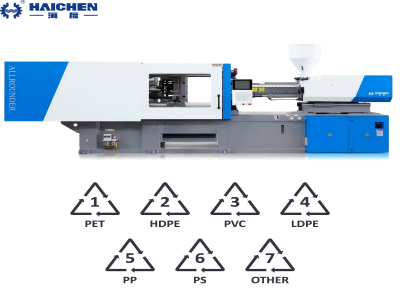
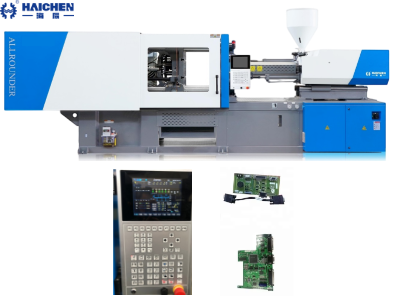
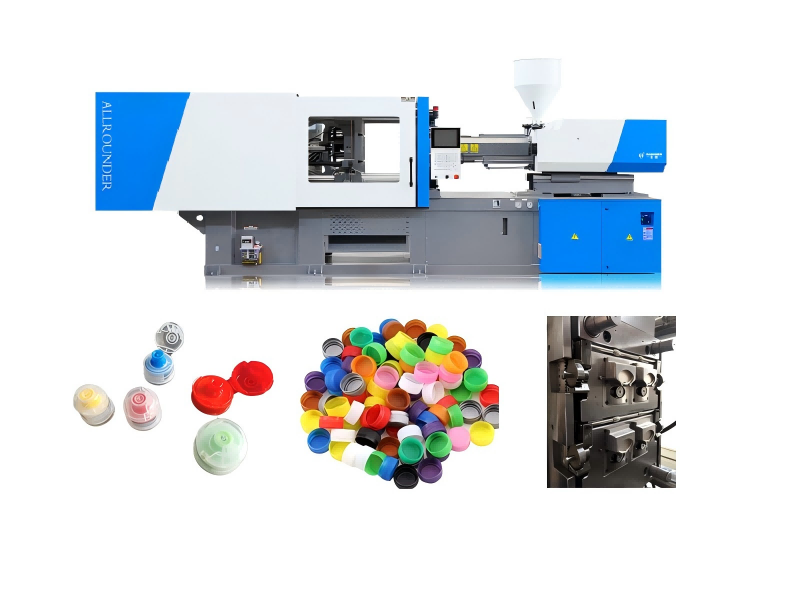
Haichen PLA material injection molding machine
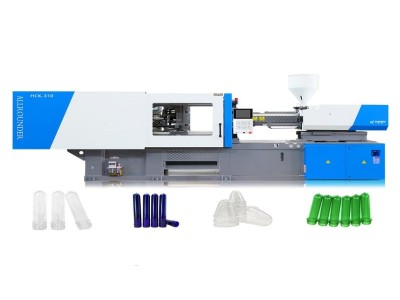
Haichen injection molding machines are compatible with PLA processing but require optimized configurations and process adjustments. Below is a summarized overview:
- Equipment Compatibility
- Process Technologies
- Applications
- Key Considerations
Equipment Compatibility
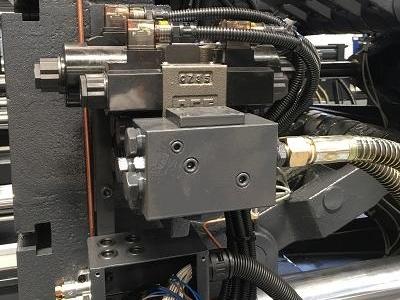
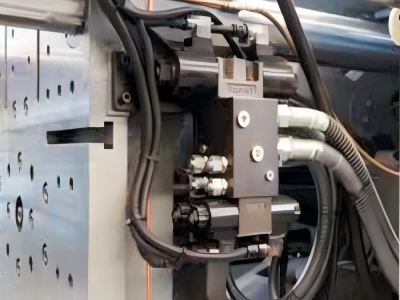
- Haichen’s E-Series machines feature servo-driven hydraulic pumps and PID closed-loop temperature control systems, enabling precise regulation of melt temperature (typically 180°C) and injection pressure (e.g., 8 MPa).
- The machines support a wide clamping force range (90–3000 tons), accommodating molds of varying sizes.
Process Technologies
- In-Mold Crystallization: Companies like Ningbo Jialian Tech use Haichen machines with proprietary in-mold heating/crystallization processes to enhance PLA product gloss, hardness, and energy efficiency.
- Servo Energy-Saving Systems: Haichen’s servo-driven systems enable dual closed-loop control (pressure + flow), reducing energy consumption and thermal degradation risks for heat-sensitive PLA.
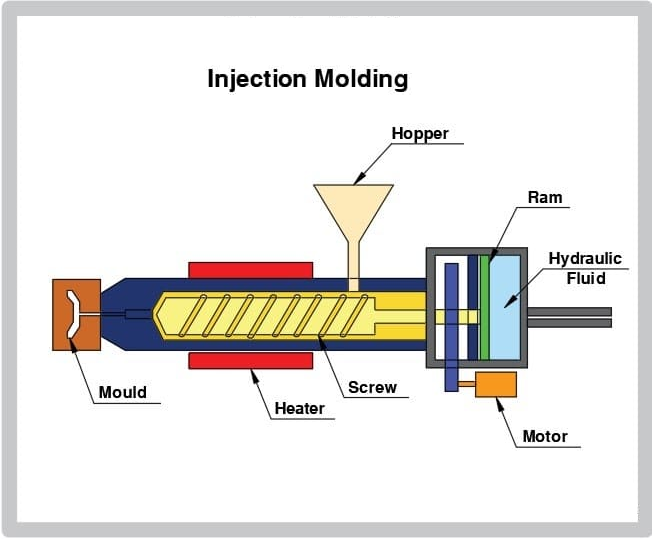
- Screw and Barrel Design: Options include nitrided or bimetallic screws/barrels to minimize material stagnation and degradation during PLA processing.
Applications
- Sony utilized injection molding for PLA-based electronics housings, demonstrating feasibility.
- Lab studies confirm that precise control of melt temperature and pressure (via Haichen’s multi-stage injection capabilities) is critical for PLA part quality.
Key Considerations
- Mold Compatibility: Select appropriate mold dimensions (e.g., Haichen’s K-Series supports molds up to 800mm height for large parts).
- Material Modification: PLA often requires blending with materials like PC to improve toughness. Haichen’s machines with bimetallic screws support such composite processing.
Haichen injection molding machines, with adaptable process controls, energy-efficient servo systems, and customizable components, are well-suited for PLA processing. Optimal results depend on parameter fine-tuning (e.g., temperature profiles, pressure curves) and mold/material compatibility.
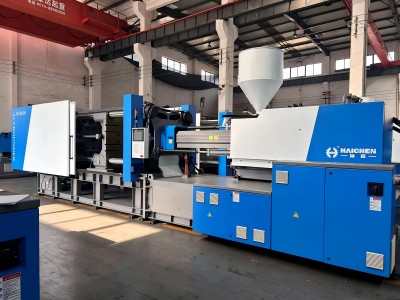
More for you to know
PLA injection molding is ideal for brands prioritizing sustainability, but success depends on partnering with experienced providers who understand its unique requirements. By optimizing material blends, mold designs, and post-processing, PLA can rival conventional plastics in performance while reducing environmental impact. For prototypes or low-volume runs, ensure your provider has expertise in bioplastics to avoid defects like warping or brittleness.