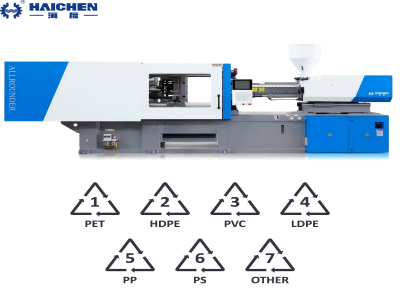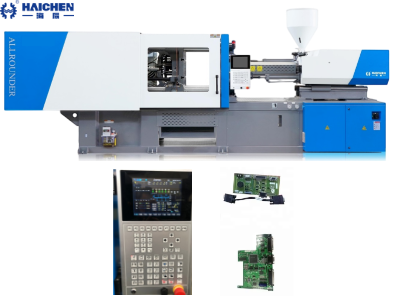
Pvc injection molding is a process in which molten PVC material is injected into the mold cavity under high pressure, cooled and cured to form complex shapes.
The process is particularly suitable for the production of high-precision, high-volume components, such as pipe fittings, electronic housings and automotive parts.
The basic process of PVC injection molding includes drying, mixing, feeding, injection molding, trimming, quality inspection, crushing, spraying, drying and assembly.
Temperature control is key because PVC is a heat-sensitive material that decomposes easily.
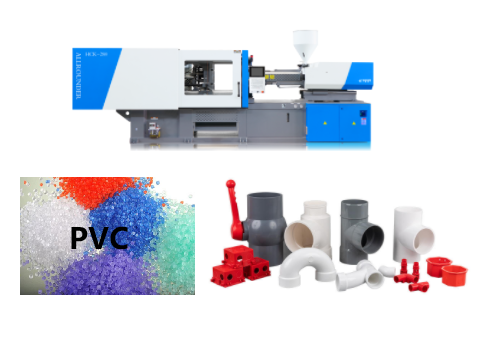
PVC Injection Processing Conditions
PVC injection processing conditions involve several critical parameters that are critical to ensure product quality and avoid material degradation.
The following are the detailed conditions for the PVC injection molding process conditions:
- Dry processing
- Melting temperature
- Mold temperature
- Injection pressure
- Injection speed
- Cooling time
- Mold Design & Gate
Dry processing
Typically, PVC does not require drying because it has low moisture absorption.
However, if stored for too long or in a humid environment, one may need to dry the material at 75-90°C for 1.5-2.5 hours to remove trace moisture.
Melting temperature
The melting temperature range of PVC is generally 185-205°C.
In this temperature range, PVC is able to flow efficiently and fill the mold.
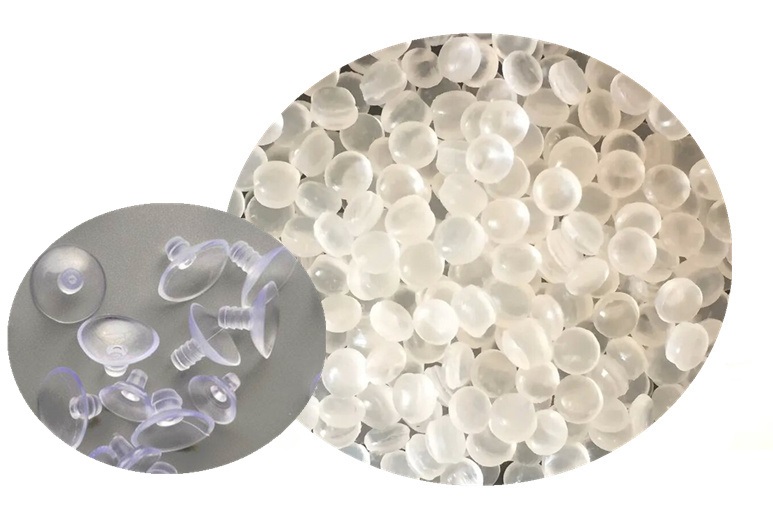
Mold temperature
The mold temperature is usually controlled between 20-50°C to ensure that the PVC does not overdegrade during the cooling process.
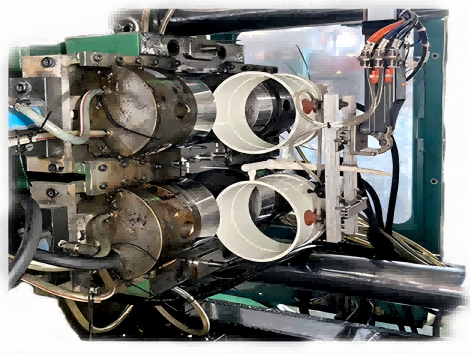
Injection pressure
The injection pressure can reach 1500 bar, while the holding pressure can reach 1000 bar.
High injection pressures help ensure that the material is evenly distributed in the mold.
But care should be taken to avoid excessive pressure that can lead to material degradation.
Injection speed
To prevent degradation of the material, an appropriate injection speed should be used.
Injection speeds that are too fast can lead to an increase in frictional heat, which can trigger material decomposition.
Cooling time
The cooling time is usually 10-20 seconds, which helps the PVC to cure in the mold.
Mold Design & Gate
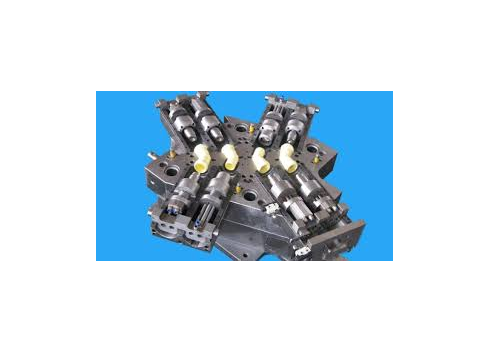
Due to the poor flow of PVC, the gate and runner of the mold should be as large, short, and thick as possible to reduce pressure loss and speed up filling.
For small parts, it is recommended to use a pinpoint type or a submersible gate.
For thick parts, a fan gate is recommended.
Other precautions: Since PVC is easy to decompose and release toxic gases at high temperatures.
Special attention needs to be paid to temperature control during the injection molding process.
And to ensure that the mold has good anti-corrosion performance, usually made of stainless steel or chrome-plated materials.
By setting these process parameters reasonably, the quality and production efficiency of PVC injection molded products can be effectively improved.
PVC Injection Processing Conditions–Basic Principles
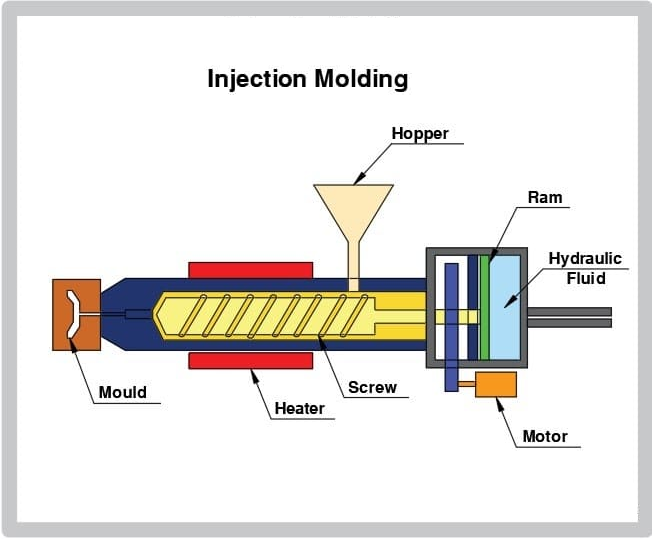
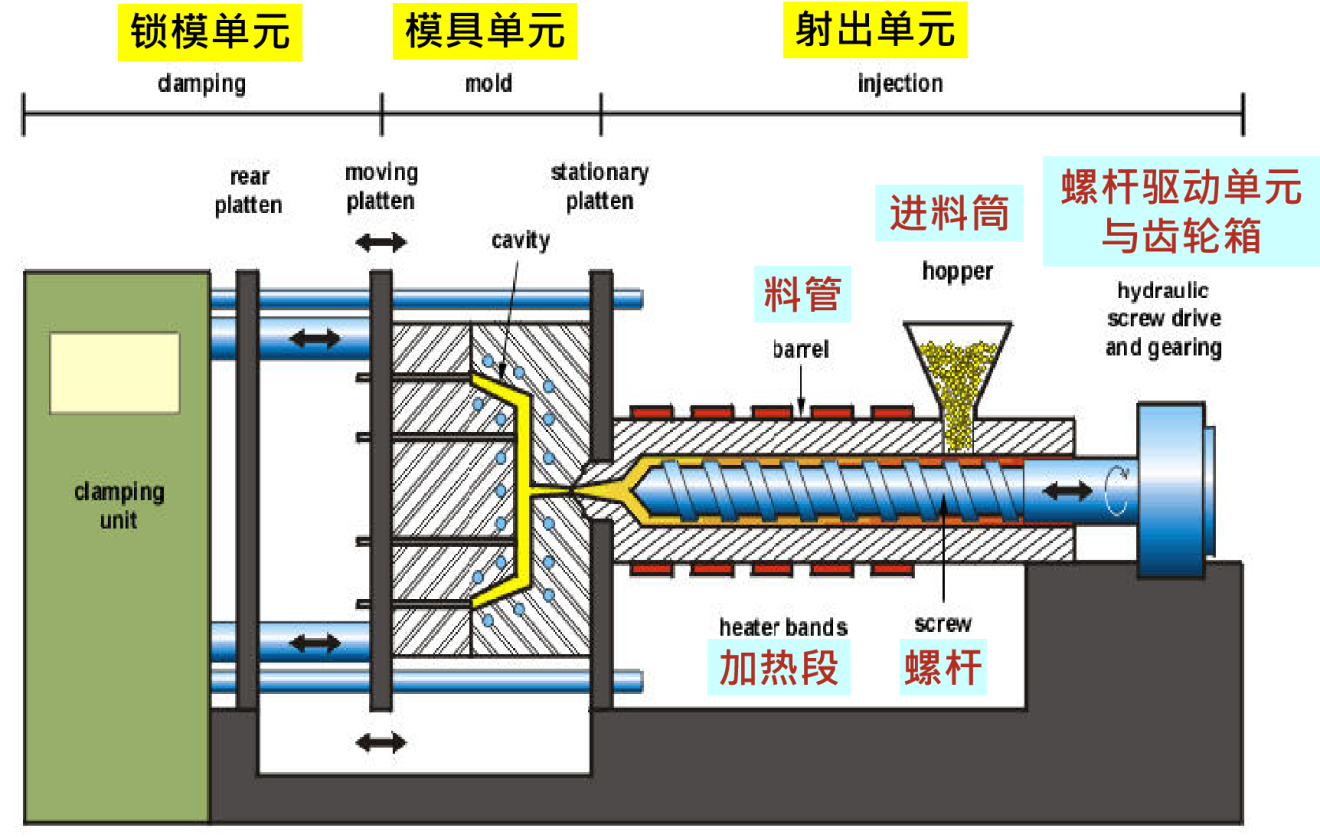
The PVC injection molding process involves heating PVC pellets to a molten state.
And then injecting molten PVC into a mold through a screw to form a product of the desired shape after cooling.
Temperature control is critical in the injection molding process because PVC has poor flow characteristics.
Its melting temperature is close to the decomposition temperature,making it susceptible to decomposition due to overheating.
PVC Injection Processing Conditions–Optimized PVC injection molding
In order to optimize the cooling time of PVC injection molding to improve production efficiency and ensure product quality.
The following aspects can be comprehensively considered and optimized:
- Mold design and cooling system optimization
- Temperature Control & Process Parameter
- Cooling uniformity and quality inspection
- Operator Training and Equipment Maintenance
Mold design and cooling system optimization
Mold material selection
The use of materials with high thermal conductivity can significantly improve cooling efficiency and shorten cooling time.
Cooling channel design
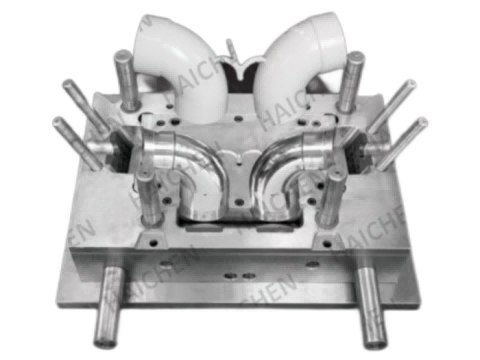
Designers must reasonably size, position, and select the type of cooling channel to ensure even distribution of the cooling medium and rapid heat removal.
For instance, they can implement straight-through, circulating, or bulkhead cooling channels to accommodate different mold structures and product requirements.
Cooling System Improvements
Increasing the number of cooling systems and improving the flow of cooling water can speed up the cooling rate of the product and reduce the cooling time.
Temperature Control & Process Parameter
Adjustment Mold Temperature Control
Adjust the mold temperature according to the characteristics of the PVC material to ensure that the material cures in the optimal temperature range.
Optimization of injection parameters
Reasonable setting of nozzle temperature, holding time, injection rate and injection pressure and other parameters to reduce melt loss and loss of products and improve injection molding efficiency.
Heating temperature and time control
Controlling the heating temperature and time is the key to improving the processing efficiency of PVC injection molding pellets.
Which needs to be reasonably set according to the melting temperature and material characteristics of PVC.
Cooling uniformity and quality inspection
Cooling uniformity optimization
Through the reasonable design of the mold cooling channel and the improvement of the cooling system layout.
Improve the consistency of cooling rates and avoid problems such as uneven shrinkage and excessive internal stress.
Quality inspection and continuous improvement
Through strict product testing and data analysis, we continuously optimize process parameters and operating processes.
Solve potential problems in a timely manner, and maintain market competitiveness.
Operator Training and Equipment Maintenance
Operator Training
Regularly train operators to improve their skills and quality awareness to ensure effective control of the cooling stage and stable and reliable product quality.
Equipment maintenance
Regularly maintain equipment to ensure the normal operation of high-precision sensors and controllers to achieve accurate temperature control.
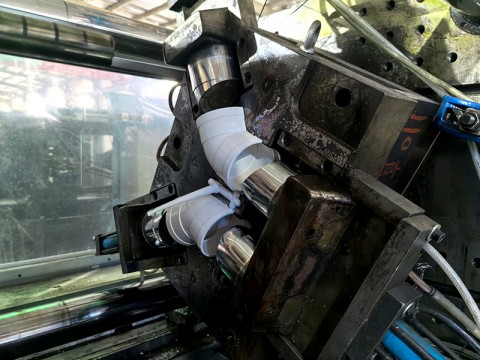
Thermal sensitivity
The pvc injection molding temperature (160-220 °C) is close to the decomposition temperature (140 °C begins to decompose.
And HCl gas is quickly released above 190 °C), and the temperature needs to be strictly controlled and heat stabilizers (such as lead salts, organotins) are added.
Poor fluidity
The melt has a high viscosity, which can easily lead to underfilling or surface defects.
Solutions include adding plasticizers (e.g., DOP) or lubricants (e.g., stearic acid) and optimizing gate design (stubby runners).
Corrosive
The acid gas produced by decomposition can corrode the mold, so it is recommended to use stainless steel or hard chrome plated mold material.
Low shrinkage
The injection molding pvc shrinkage rate is 0.2-0.6%, which is suitable for precision parts.
But the holding pressure (30-60% of the injection pressure) needs to be controlled to reduce sink marks.
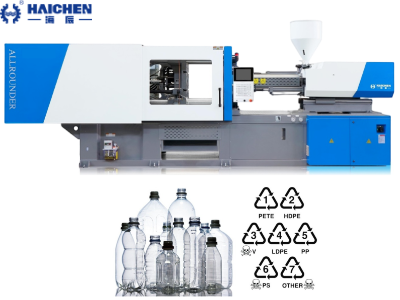
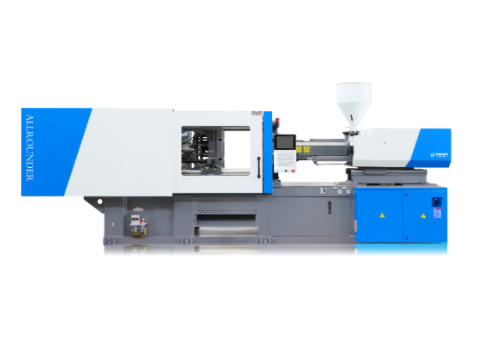
Haichen PVC Injection Molding Machine
PVC has the advantages of non-flammability, high strength and climate resistance.
But its heat stability is poor, and the molding temperature is close to the decomposition temperature.
Therefore, Haichen’s PVC injection molding machines with the characteristics of PVC materials in mind.
And ensure high-quality production capacity and ease of operation through the use of corrosion-resistant materials.
High-performance screws, advanced control systems, and environmentally friendly and energy-saving technologies.
These features make Haichen’s PVC injection molding machines widely used in a wide range of industries and provide manufacturers with efficient and precise production solutions.